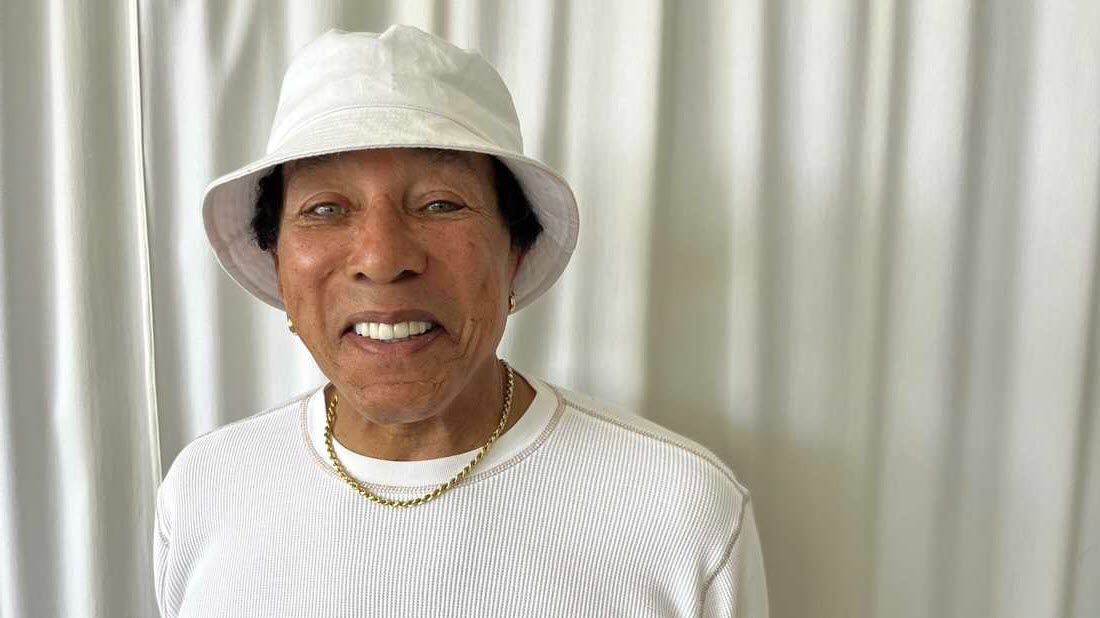
When it comes to soul music royalty, Smokey Robinson stands in a league of his own. With a voice as smooth as velvet and lyrics that read like poetry, he helped define the Motown era and forever changed the landscape of popular music. As the frontman of The Miracles and later a powerful solo artist, Smokey wrote and recorded songs that captured the highs and lows of love with unmatched sincerity. His tunes weren’t just hits—they were emotional lifelines, romantic anthems, and timeless classics that still resonate across generations.
In this article, we’re counting down the top 10 most popular Smokey Robinson songs of all time—a celebration of the tracks that made hearts swoon, inspired countless covers, and continue to play on radios, playlists, and wedding dance floors around the world. From soulful ballads like “Ooo Baby Baby” to irresistible grooves like “Cruisin’”, each song on this list showcases Smokey’s genius as both a vocalist and a master storyteller. Whether you’re a lifelong fan or just discovering his magic, these songs will remind you why Smokey is one of the most beloved figures in music history. So sit back, press play in your mind, and let the legend take you on a journey.
1. “The Tracks of My Tears” (1965)
Released in 1965 by Smokey Robinson and The Miracles, “The Tracks of My Tears” is one of the most emotionally powerful songs of the Motown era—and one of Robinson’s greatest masterpieces. Built around a soft, soulful melody and understated guitar, the song captures the heartbreaking contrast between outward appearance and internal sorrow. Robinson’s falsetto is fragile and aching, turning every lyric into a cry for lost love. The line, “My smile is my makeup I wear since my break-up with you,” remains one of the most poetic expressions of hidden pain in soul music. The song didn’t just top charts—it resonated deeply with listeners across generations, becoming an anthem for those struggling with heartache behind a brave face. Its vulnerability and honesty helped land it in the Grammy Hall of Fame, and it continues to move people whether played on an old jukebox or streaming through earbuds. Few songs manage to blend emotional nuance with musical elegance the way this one does, and over the decades, “The Tracks of My Tears” has maintained its status not just as a Motown classic, but as one of the most poignant songs ever recorded.
2. “Cruisin’” (1979)
Released in 1979, “Cruisin’” marked a sensual and smooth chapter in Smokey Robinson’s solo career. The track is a masterclass in quiet intimacy, inviting listeners into a slow, dreamy ride driven by a gentle groove and Robinson’s velvety vocals. It’s not flashy or fast—it simply glides, wrapping you in a warm, romantic atmosphere from the first note. “I love it when we’re cruisin’ together” became more than a catchy chorus—it became a soft-spoken declaration of closeness and connection. Co-written with long-time collaborator Marv Tarplin, “Cruisin’” blends classic soul sensibilities with the mellow polish of late-’70s production. The song reached No. 4 on the Billboard Hot 100 and became one of Smokey’s biggest solo hits, proving he didn’t need The Miracles behind him to craft timeless music. Later covers by D’Angelo and a duet by Huey Lewis and Gwyneth Paltrow introduced it to new audiences, but nothing compares to the original’s dreamy, understated charm. More than just a love song, “Cruisin’” is an experience—it’s about slowing down, feeling the moment, and savoring the company of someone special.
3. “The Tears of a Clown” (1967)
Smokey Robinson’s “The Tears of a Clown,” recorded with The Miracles in 1967, is one of his most inventive and theatrical songs. Co-written with Stevie Wonder and Hank Cosby, the track remained under the radar until it was released as a single in 1970—at which point it shot to No. 1 on the Billboard Hot 100. What makes the song so memorable is the brilliant contrast between its upbeat, carnival-like melody and its deeply melancholic lyrics. The instrumentation, with its circus-like intro, creates a playful tone, but Robinson’s words tell another story—a tale of emotional pain hidden behind a cheerful facade. Using the metaphor of a clown who performs for others while suffering inside, Smokey captures the duality of joy and sorrow in a way that feels timeless and real. The song sparkles with Motown’s classic sound, but it’s the lyrical depth that gives it staying power. “Don’t let my glad expression give you the wrong impression” is both a warning and a confession. “The Tears of a Clown” is as complex as it is catchy—a rare combination that makes it one of Smokey Robinson’s most unforgettable achievements.
4. “Ooo Baby Baby” (1965)
Released in 1965, “Ooo Baby Baby” is a heart-wrenching soul ballad that perfectly showcases Smokey Robinson’s unmatched ability to channel raw emotion into song. Performed with The Miracles, the track is simple in structure but devastating in its emotional impact. Robinson’s falsetto is soft, aching, and filled with longing, as he pleads for forgiveness in a relationship on the brink. The repeated refrain of “Ooo baby baby” isn’t just filler—it’s pure feeling, a cry from the depths of heartbreak. The arrangement is sparse and gentle, allowing the vocals to take center stage, supported by the Miracles’ tender harmonies and delicate instrumentation. The song’s restrained beauty exemplifies Motown’s belief in letting the emotion guide the music. “Ooo Baby Baby” has since become a blueprint for soul ballads, covered by artists ranging from Linda Ronstadt to Alicia Keys, each paying tribute to its enduring resonance. But no version captures the vulnerability and sincerity of the original. Smokey wasn’t just singing a song—he was telling a story of regret, hope, and love, making this one of the most iconic slow jams of the 20th century.
5. “Being with You” (1981)
“Being with You,” released in 1981, was a major solo success for Smokey Robinson, proving that his signature style could evolve with the times while retaining its emotional core. As R&B moved into a more polished, synth-driven era, this song bridged the gap between classic soul and modern pop. Built on smooth rhythms, soft keyboard melodies, and gentle percussion, it’s a heartfelt declaration of devotion and defiance. “I don’t care what they think about me,” Robinson sings, voicing a timeless sentiment about choosing love in spite of judgment or opposition. The sincerity in his voice remains unmistakable, and it’s that sincerity that drives the song’s emotional appeal. “Being with You” reached No. 1 on the R&B chart and found particular success in the UK, where it climbed to No. 1 on the singles chart. It’s a lighter, more radio-friendly track than some of Smokey’s earlier ballads, but no less powerful in its message. It’s a testament to his versatility and enduring relevance, showing that even two decades into his career, Smokey could still craft music that resonated with the heart—and the charts.
6. “I Second That Emotion” (1967)
Released in 1967, “I Second That Emotion” showcases Smokey Robinson’s lyrical cleverness and effortless charm. Co-written with Motown staff writer Al Cleveland, the title itself plays on a slip of the tongue—a witty twist on “I second that motion”—and from there, the song unfolds into a playful yet emotionally insightful exploration of romantic hesitation. The track’s upbeat tempo, breezy rhythm guitar, and tight harmonies from The Miracles gave it an irresistible quality that made it one of the group’s most beloved hits. Smokey’s voice dances through the verses with a lighthearted touch, blending sincerity with humor as he navigates the complexities of love and timing. It’s a song about not settling—about wanting something real rather than someone who’s just passing through. The infectious melody, combined with the conversational lyrics, helped it resonate across generations and made it one of Motown’s most enduring anthems. It was a commercial success, reaching the Top 10 on both the Billboard Hot 100 and the UK Singles Chart. “I Second That Emotion” is more than a catchy phrase—it’s a perfectly packaged pop-soul gem that proves how Robinson could turn even a verbal stumble into musical gold.
7. “You’ve Really Got a Hold on Me” (1962)
Smokey Robinson and The Miracles struck emotional gold with “You’ve Really Got a Hold on Me,” released in 1962. One of Motown’s earliest breakout hits, the song captures the inner tug-of-war of a love you can’t live with—or without. Smokey’s voice aches with emotional confusion, crooning lines like “I don’t like you, but I love you” with raw vulnerability. The track’s slow, blues-inflected groove and doo-wop-inspired harmonies create a rich emotional backdrop for this tale of toxic devotion. It’s a masterclass in tension: the melody soothes even as the lyrics sting. The song became a Top 10 hit and was one of the first Motown singles to appeal to a broad, integrated audience. It was so impactful that The Beatles included their own version on their second album, helping further introduce Robinson’s songwriting to a global audience. Despite its minimalist structure, the song packs a heavyweight emotional punch, showing Robinson’s unparalleled ability to distill complex human feelings into simple, unforgettable lines. More than sixty years later, “You’ve Really Got a Hold on Me” remains a cornerstone of soul music, a timeless reminder of love’s contradictions and the power of honest songwriting.
8. “Baby, Baby Don’t Cry” (1969)
Released in 1969, “Baby, Baby Don’t Cry” finds Smokey Robinson at his most tender and empathetic. Recorded with The Miracles, the song begins with a delicate piano motif before building into a lush, emotionally charged ballad. Robinson’s voice serves as both comfort and counsel, offering reassurance to a heartbroken lover with lines like, “Don’t you know that I’ll always love you?” His performance is filled with heartfelt urgency, gently pleading through every phrase to not give up on love. The string arrangements and soft backing vocals are subtle but powerful, perfectly complementing the message without overwhelming it. The song’s structure builds toward a quiet crescendo, never overpowering but steadily gaining emotional force. “Baby, Baby Don’t Cry” climbed into the Top 10 on the Billboard Hot 100, proving once again Robinson’s ability to connect deeply with listeners. At a time when music was becoming louder and more experimental, this track stood out by embracing simplicity and sincerity. It’s not just a breakup song—it’s a song about healing, about holding on, and about the quiet power of a caring voice in the middle of emotional turmoil.
9. “More Love” (1967)
“More Love,” released in 1967, is one of Smokey Robinson’s most heartfelt and autobiographical compositions. Written as a tribute to his wife Claudette after the couple suffered multiple miscarriages, the song stands as a deeply personal expression of devotion and resilience. It’s not a typical love song—it’s a story of enduring partnership and the healing power of intimacy. The lyrics, filled with real emotion, carry extra weight: “This is a story of love that must be told.” With The Miracles backing him, Robinson delivers a vocal performance that is gentle yet profoundly moving, layered with both vulnerability and strength. The production is restrained, letting the sincerity of the message shine through. It’s soulful but not flashy, elegant in its simplicity. The song resonated with audiences, charting on the Billboard Hot 100 and striking a chord with anyone who’s ever clung to love through difficult times. “More Love” proves that the most powerful songs don’t always need grand arrangements—sometimes all it takes is an honest voice, a meaningful story, and a melody that lingers in the heart long after the music fades.
10. “Quiet Storm” (1975)
When Smokey Robinson released “Quiet Storm” in 1975, he didn’t just deliver a hit—he launched an entire genre. The title track from his third solo album, “Quiet Storm” became the namesake for a new radio format focused on smooth, sensual R&B perfect for late-night listening. The song itself is a masterclass in mood and atmosphere. Built on a soft bed of electric piano, gentle percussion, and dreamy backing vocals, the arrangement creates an intimate, almost cinematic setting. Smokey’s voice—silky, calm, and full of longing—floats effortlessly over the music, inviting listeners into a space of reflection and romantic vulnerability. There’s no urgency here, just a steady emotional current that flows like a warm breeze. While it didn’t top the charts, its influence was enormous, inspiring artists and radio programmers alike to embrace a more relaxed, sophisticated sound. “Quiet Storm” proved that soul music could be both understated and deeply passionate. Today, it’s still heard on late-night playlists and adult R&B stations, its influence evident in the work of artists from Sade to Maxwell. Robinson didn’t just write a song—he defined a mood that still lingers, decades later.

Samuel Moore is a frequent contributor to Singers Room. Since 2005, Singersroom has been the voice of R&B around the world. Connect with us via social media below.









