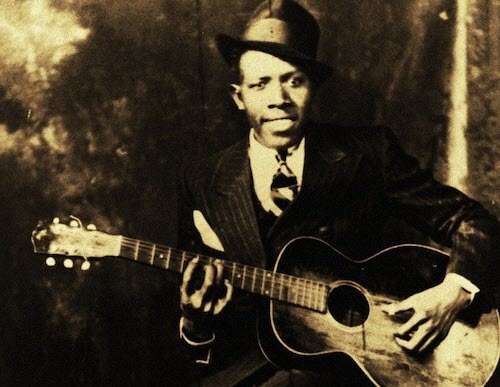
Robert Johnson, the enigmatic king of Delta blues, left an indelible mark on music history despite his tragically short life. With a haunting voice, unmatched guitar skills, and lyrics dripping with raw emotion, his songs have influenced generations of musicians, from rock legends like Eric Clapton and The Rolling Stones to modern blues artists. Known for the mysterious “crossroads” legend, which claims he sold his soul to the devil in exchange for his musical gifts, Johnson’s story is as captivating as his music.
In this article, we’re diving deep into the top 10 most popular Robert Johnson songs of all time. These tracks showcase the genius of a man who captured the essence of love, heartache, and the human condition in just 29 recorded songs. Whether you’re a longtime fan or a newcomer to Johnson’s blues legacy, this list will take you on a journey through his timeless masterpieces. From the soul-stirring anguish of “Hellhound on My Trail” to the fiery charisma of “Cross Road Blues,” each song is a testament to Johnson’s brilliance. Get ready to explore the music that not only defined a genre but also laid the foundation for modern rock and blues. Let’s step into the world of Robert Johnson!
1. Cross Road Blues (1936)
Robert Johnson’s “Cross Road Blues” is one of the most iconic songs in the Delta blues tradition, released in 1936. This track is wrapped in legend—the famous story that Johnson made a deal with the devil at a crossroads in exchange for his extraordinary guitar skills. Whether myth or reality, the song captures a haunting atmosphere of desperation and yearning. Johnson’s voice carries a raw, emotional weight, full of pleading and sorrow, perfectly matched by his masterful slide guitar playing. The lyrics tell a story of a man caught at a crossroads, both literally and metaphorically, begging for help as darkness closes in. This song became a foundational piece of blues history, influencing countless artists across blues, rock, and beyond. Its powerful blend of storytelling, emotion, and musical skill embodies the very soul of the blues, making “Cross Road Blues” a timeless classic that still resonates deeply today. From its eerie intro to the mournful wail of Johnson’s guitar, it’s impossible not to feel the weight of this song’s legacy whenever you hear it.
2. Love in Vain (1937)
“Love in Vain,” recorded in 1937, is a heart-wrenching ballad that beautifully captures the pain of unrequited love. Robert Johnson’s voice carries a deep sense of sorrow and longing, each note dripping with emotion as he tells a story of love lost and the loneliness that follows. His guitar playing complements this perfectly—delicate, intricate, and full of feeling. The lyrics paint a vivid picture of a man watching the woman he loves leave, knowing she won’t return. There’s a timelessness to this song that has made it resonate with generations of listeners, touching anyone who’s experienced heartbreak. The Rolling Stones famously covered “Love in Vain,” introducing Johnson’s powerful storytelling to an even wider audience. Despite its simple structure, the song’s emotional depth is profound. It captures the essence of blues as a music of raw human experience—pain, love, and longing all wrapped up in one haunting melody. “Love in Vain” remains one of Johnson’s most enduring and moving works.
3. Hellhound on My Trail (1937)
Released in 1937, “Hellhound on My Trail” is one of Robert Johnson’s darkest and most haunting songs. The title alone suggests a feeling of inescapable doom, and Johnson’s performance lives up to that mood with chilling intensity. His voice, full of fear and desperation, weaves through the eerie guitar lines, creating a sense of paranoia and being relentlessly pursued by something sinister. The lyrics describe a man haunted by a hellhound, a metaphor for guilt, fate, or even death chasing him down. Many see the song as a reflection of Johnson’s own troubled life and the sense that danger was always close behind. This track perfectly embodies the raw emotional power of Delta blues—combining vivid storytelling with atmospheric music that pulls you into a dark, almost supernatural world. “Hellhound on My Trail” has inspired countless blues and rock musicians who’ve sought to capture its haunting vibe. It’s a song that sticks with you, echoing long after the final notes fade.
4. Sweet Home Chicago (1936)
“Sweet Home Chicago,” first recorded in 1936, stands out as one of Robert Johnson’s most joyful and enduring songs. Unlike some of his darker, more mysterious tracks, this song is an upbeat, inviting anthem that captures the hopes and dreams of many African Americans migrating north during the early 20th century. Johnson’s lively guitar playing and catchy melody make this track irresistibly danceable. The lyrics speak of Chicago as a place of opportunity and promise—a “sweet home” where life can be better. Over time, “Sweet Home Chicago” has become a blues standard, covered by countless artists and embraced as a symbol of hope and resilience. It perfectly balances fun and seriousness, blending Johnson’s exceptional musicianship with a universally appealing message. Whether played in a smoky blues club or on a modern stage, the song invites listeners to imagine a brighter future, all wrapped up in Johnson’s warm, compelling performance. It’s a celebration of aspiration and the spirit of the blues.
5. Come On in My Kitchen (1936)
Recorded in 1936, “Come On in My Kitchen” is one of Robert Johnson’s most intimate and emotionally charged songs. The track feels like a personal conversation, a vulnerable plea for comfort and companionship amid loneliness and hardship. Johnson’s haunting voice, paired with his delicate slide guitar, creates a mood of deep longing and quiet sorrow. The kitchen here is a metaphorical refuge—a safe space where pain can be eased and solace found. The lyrics are poetic and layered, filled with imagery that conveys heartbreak, loss, and the hope for understanding. What makes this song stand out is Johnson’s ability to express such profound emotion with minimal instrumentation, allowing every note and word to carry weight. “Come On in My Kitchen” remains a classic example of the blues’ power to communicate complex feelings with raw simplicity. Its timeless appeal lies in that universal human need for connection when times are tough.
6. Me and the Devil Blues (1937)
“Me and the Devil Blues,” recorded in 1937, is a dark, enigmatic track that dives deep into themes of sin, fate, and the supernatural. Johnson’s raw vocal delivery and sharp guitar work create an unsettling, hypnotic mood that grips the listener from start to finish. The song’s lyrics vividly depict a mysterious encounter with the devil—an ominous figure who seems to represent the consequences of past actions or a looming sense of doom. This narrative adds to the mystique surrounding Johnson’s life and music, feeding into the myth of his deal with the devil to gain his musical gifts. The song’s relentless rhythm and chilling tone make it one of Johnson’s most memorable and disturbing works. “Me and the Devil Blues” showcases his storytelling talent, blending folklore and personal anguish in a way that feels both ancient and immediate. It’s a powerful reminder of the darker side of the blues, where music becomes a channel for confronting life’s most troubling fears.
7. Terraplane Blues (1936)
“Terraplane Blues,” released in 1936, was Robert Johnson’s very first recorded hit and introduced the world to his unique style. Using the metaphor of a Terraplane car, which was popular at the time, Johnson crafts a clever story of love, suspicion, and betrayal. The car becomes a symbol for a troubled relationship—one that’s breaking down and causing heartbreak. His masterful guitar playing, combined with his smooth yet urgent vocals, brings the story to life in a way that’s both relatable and intriguing. The catchy rhythm made it an instant favorite among blues audiences, helping Johnson gain recognition. “Terraplane Blues” marks the beginning of Johnson’s legendary career and showcases his skill in turning everyday objects and experiences into powerful metaphors. The song’s success was a critical stepping stone that laid the foundation for his lasting influence on blues and rock music.
8. Stop Breakin’ Down Blues (1937)
“Stop Breakin’ Down Blues,” recorded in 1937, bursts with energy and raw emotion. It’s a fiery track where Robert Johnson’s vocals and guitar work come together to express frustration and defiance. The song’s driving rhythm and sharp riffs showcase his technical prowess, while the lyrics tell a story of someone fed up with being mistreated and ready to take control. There’s an edge to Johnson’s delivery that makes the song feel urgent and alive, a mix of anger and resilience that anyone who’s faced hardship can relate to. Over the years, “Stop Breakin’ Down Blues” has been covered by numerous artists, proving its lasting influence on blues, rock, and beyond. It stands as a powerful example of Johnson’s ability to fuse emotional storytelling with gripping musical intensity. The song’s spirit of resistance and strength keeps it relevant across generations.
9. They’re Red Hot (1936)
“They’re Red Hot,” recorded in 1936, offers a playful and upbeat change of pace from Robert Johnson’s more somber material. This lively tune features a bouncy rhythm and fun, humorous lyrics that celebrate a good time. Johnson’s lively guitar and spirited vocals capture a sense of joy and lightheartedness, showing his versatility as a musician. The song feels like a blues party, full of energy and charm. “They’re Red Hot” stands out as a reminder that the blues isn’t only about pain and struggle—it can also be about celebration and fun. It’s a refreshing slice of Johnson’s repertoire that balances out his darker, more introspective songs. This track still brings a smile to listeners and highlights the range of emotion that defines the blues tradition.
10. Preachin’ Blues (Up Jumped the Devil) (1936)
“Preachin’ Blues,” recorded in 1936, is a powerful showcase of Robert Johnson’s mastery of the Delta blues style. The song features rapid-fire guitar strumming and passionate vocals, delivering a raw and intense performance. Johnson uses vivid, religious imagery to frame a story of temptation, sin, and spiritual struggle, blending sacred themes with the earthly blues tradition. The track’s energy is electric, capturing the urgency and passion that define the blues as a genre. Johnson’s skillful guitar work punctuates the storytelling, making each line hit with added weight. “Preachin’ Blues” remains a standout track that reflects Johnson’s deep connection to his musical roots and his ability to innovate within that tradition. It’s a testament to his creativity and enduring influence as one of the greatest blues musicians of all time.

Edward Tomlin is a frequent contributor to Singers Room. Since 2005, Singersroom has been the voice of R&B around the world. Connect with us via social media below.









