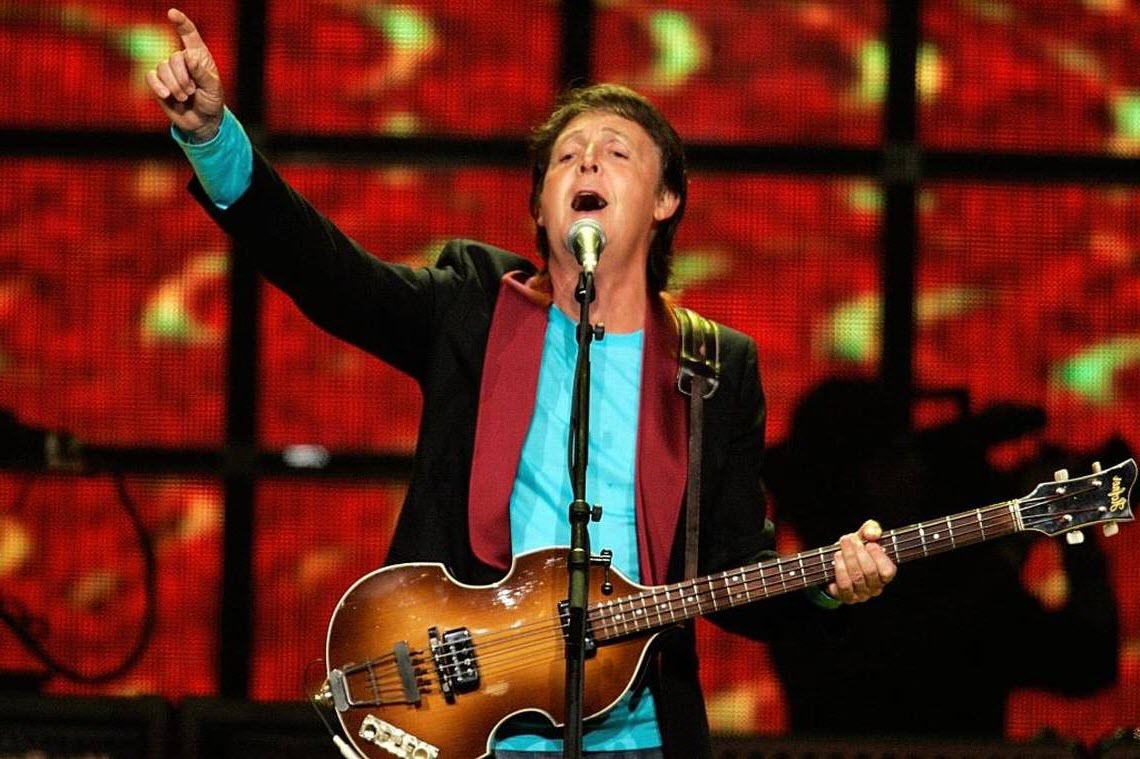
Few bands in the history of music have left a legacy as rich and vibrant as Paul McCartney and Wings. Formed in the early 1970s during McCartney’s post-Beatles era, Wings soared to international fame with a dynamic blend of rock, pop, and heartfelt balladry. Guided by McCartney’s unmatched songwriting genius and fueled by a spirit of experimentation, the band delivered some of the most iconic tracks of the decade, leaving an indelible mark on music history.
From adrenaline-pumping anthems to soul-stirring melodies, Wings captured the essence of the ’70s while charting new creative ground. Their songs have stood the test of time, continuing to inspire generations of fans and musicians alike. Whether you’re a lifelong admirer or a curious newcomer, their music embodies a sense of adventure, love, and resilience that resonates to this day.
In this article, we dive into the top 10 most popular Paul McCartney and Wings songs of all time—tracks that defined an era and showcased McCartney’s genius as a musical storyteller. Get ready to rediscover the magic, the memories, and the melodies that made Wings one of the greatest rock bands of all time!
1. Band on the Run (1973)
“Band on the Run” is a brilliant, multi-layered anthem that perfectly encapsulates freedom and perseverance. Released in 1973 as the title track of Wings’ album, it’s a masterclass in musical storytelling. The song’s structure is unique, moving through several distinct parts—from a mysterious and haunting opening to a soaring, energetic rock finale. This shifting musical landscape mirrors the lyrical theme of breaking free from constraints, inspired by Paul McCartney’s own struggles after key members left Wings. The song feels like an escape plan, a call to unity and resilience in the face of adversity. McCartney’s clever composition and the band’s dynamic performance blend rock, pop, and a hint of cinematic drama, making it stand out from other songs of its era. “Band on the Run” remains a timeless classic that showcases Wings at their most ambitious and creative. It has not only become one of McCartney’s signature songs but also a beloved anthem that continues to inspire listeners with its message of hope and liberation.
2. Live and Let Die (1973)
“Live and Let Die,” released in 1973, transformed the way movie theme songs could sound, setting a new standard with its bold, cinematic approach. Written by Paul McCartney and performed by Wings for the James Bond film of the same name, the track expertly combines orchestral grandeur with explosive rock elements. It starts with a sweeping, dramatic intro, then shifts into a powerful rock section filled with dynamic energy, perfectly matching the intensity and suspense of the Bond universe. McCartney’s passionate vocals add a thrilling edge that pulls listeners right into the action. The song’s clever blend of classical and rock motifs makes it stand out among other Bond themes and popular music from the 1970s. Over time, “Live and Let Die” has become not only a staple in McCartney’s catalog but also a cultural icon that continues to be celebrated in concerts and films. Its epic feel and unforgettable melody make it a thrilling experience that captures the essence of adventure and danger.
3. Jet (1974)
“Jet” bursts onto the scene with infectious energy and rock ’n’ roll swagger. Released in 1974 as part of the Band on the Run album, the song is a joyous celebration of spontaneity and adventure. Its driving beat and catchy chorus make it instantly memorable, inviting listeners to join the ride. While the lyrics remain somewhat cryptic, Paul McCartney has explained that “Jet” was inspired by the name of a black Labrador he once owned, adding a personal touch to its spirited vibe. The track mixes rock riffs with pop sensibility, creating a sound that’s both radio-friendly and excitingly raw. The horns and layered vocals add richness and a sense of celebration, making it a highlight in Wings’ live performances. “Jet” has endured as a classic rock staple, loved for its upbeat feel and rebellious charm. It perfectly captures the youthful exuberance and fearless attitude that defined much of McCartney’s work during this period, keeping listeners energized decades after its release.
4. Maybe I’m Amazed (1970)
Originally appearing on Paul McCartney’s 1970 solo debut album, “Maybe I’m Amazed” quickly became one of his most cherished songs. Written as a heartfelt tribute to his wife Linda, the ballad captures raw emotion and vulnerability with stunning clarity. McCartney’s passionate vocals soar over a beautiful piano-driven melody that perfectly conveys love’s overwhelming power and devotion. The song’s sincerity and intimacy shine through every note, making it feel like a personal confession from one partner to another. Over time, “Maybe I’m Amazed” became a staple in Wings’ live shows, with fans embracing its tender message. Its universal themes of love, gratitude, and amazement at a partner’s presence have resonated across generations, earning it a place among the greatest love songs of all time. The song’s emotional depth, combined with McCartney’s masterful musicianship, ensures it remains an enduring classic—timeless in both its sentiment and musical brilliance.
5. Silly Love Songs (1976)
“Silly Love Songs,” released in 1976, is Paul McCartney’s playful and cheeky response to critics who accused him of writing too many romantic tunes. Instead of shying away, McCartney leaned into the genre with humor and flair, crafting an irresistibly catchy track filled with lush harmonies and an infectious bassline. The song’s upbeat, danceable groove makes it impossible not to sing along, while the lyrics cleverly acknowledge and embrace the power of love songs, even the “silly” ones. It’s a celebration of romance in all its forms, defending the joy and necessity of expressing love through music. The track’s bright, polished production and memorable hooks propelled it to the top of the charts, reaffirming McCartney’s ability to create hits that combine fun with genuine feeling. “Silly Love Songs” remains a vibrant testament to McCartney’s charm and knack for songwriting, showing that sometimes, love—and the songs about it—don’t need to be serious to be meaningful.
6. Let Me Roll It (1974)
“Let Me Roll It,” from the 1974 Band on the Run album, is a compelling fusion of blues and rock, showcasing Paul McCartney’s talent for combining heartfelt emotion with gritty musicality. The song’s signature bluesy riff underpins McCartney’s soulful vocals, delivering a raw intensity that sets it apart from the more polished pop tracks on the album. Its lyrics speak of longing and a desire for connection, adding a layer of vulnerability beneath the tough exterior of the music. The track also draws comparisons to the style of John Lennon, giving it a slightly rebellious edge that fans appreciate. “Let Me Roll It” captures a mood of heartfelt yearning wrapped in a rock ’n’ roll attitude, making it both relatable and memorable. Its dynamic energy and emotional depth have helped it endure as a fan favorite and a highlight in Wings’ live sets, reflecting McCartney’s versatility as a songwriter and performer.
7. My Love (1973)
“My Love,” a tender ballad from Wings’ 1973 Red Rose Speedway album, is one of Paul McCartney’s most heartfelt musical declarations. Written for his wife Linda, the song’s lush orchestration and sweeping string arrangements create a romantic, almost cinematic atmosphere that perfectly complements the lyrics. McCartney’s gentle, sincere vocals deliver a message of deep affection and devotion, making “My Love” an intimate love letter set to music. The song’s melody is elegant and timeless, allowing it to stand out as a classic love song that resonates with listeners of all ages. “My Love” was a commercial success and became a staple on romantic playlists, demonstrating McCartney’s skill at crafting songs that touch the heart. Its emotional warmth and sincerity have ensured that it remains one of Wings’ most beloved tracks, celebrated for its ability to express the beauty of love in a way that feels both personal and universal.
8. Listen to What the Man Said (1975)
“Listen to What the Man Said,” released in 1975, is an infectious, feel-good tune that radiates optimism and positivity. This track stands out with its breezy melody and smooth production, perfectly showcasing Paul McCartney’s knack for creating music that’s both catchy and uplifting. Featuring a memorable saxophone solo by Tom Scott, the song blends rock, pop, and a touch of jazz, adding richness and a playful vibe. The lyrics deliver a hopeful message about listening to wise advice and finding happiness through connection and understanding. Its bright sound and upbeat tempo helped it climb the charts and become one of Wings’ biggest hits. Even decades later, “Listen to What the Man Said” remains a favorite for its lighthearted charm and universal appeal. It captures the essence of mid-1970s pop music while highlighting McCartney’s ability to write songs that feel both timeless and immediately enjoyable.
9. Hi, Hi, Hi (1972)
Released in 1972, “Hi, Hi, Hi” is a rebellious, high-energy rock anthem that quickly became a staple in Wings’ repertoire. Known for its driving beat and catchy hooks, the song captures a sense of youthful defiance and raw excitement. However, its suggestive lyrics led to a ban by the BBC, which only added to its rebellious appeal. The track’s powerful guitar riffs and McCartney’s confident vocals give it an edgy, gritty feel that contrasts with some of Wings’ softer, more polished songs. “Hi, Hi, Hi” stands out as a bold statement of freedom and fun, reflecting the rock ’n’ roll spirit of the early 1970s. Its enduring popularity is a testament to its infectious energy and unapologetic attitude, making it a beloved classic among fans and a highlight in live performances.
10. With a Little Luck (1978)
Released in 1978, “With a Little Luck” is a soft, dreamy pop song that captures a hopeful and optimistic spirit. Featured on the London Town album, the track is built around shimmering synthesizers and gentle rhythms that create a relaxed, almost ethereal atmosphere. McCartney’s warm and soothing vocals guide listeners through a message of faith and positivity, emphasizing that sometimes a little hope and fortune can make all the difference in life. The song’s melody is memorable and calming, making it a perfect soundtrack for moments of reflection and encouragement. “With a Little Luck” achieved commercial success and remains a cherished part of McCartney’s solo and Wings catalog. Its timeless appeal lies in its simplicity and the universal message that, even in uncertain times, a little luck and optimism can help us move forward.

Edward Tomlin is a frequent contributor to Singers Room. Since 2005, Singersroom has been the voice of R&B around the world. Connect with us via social media below.









