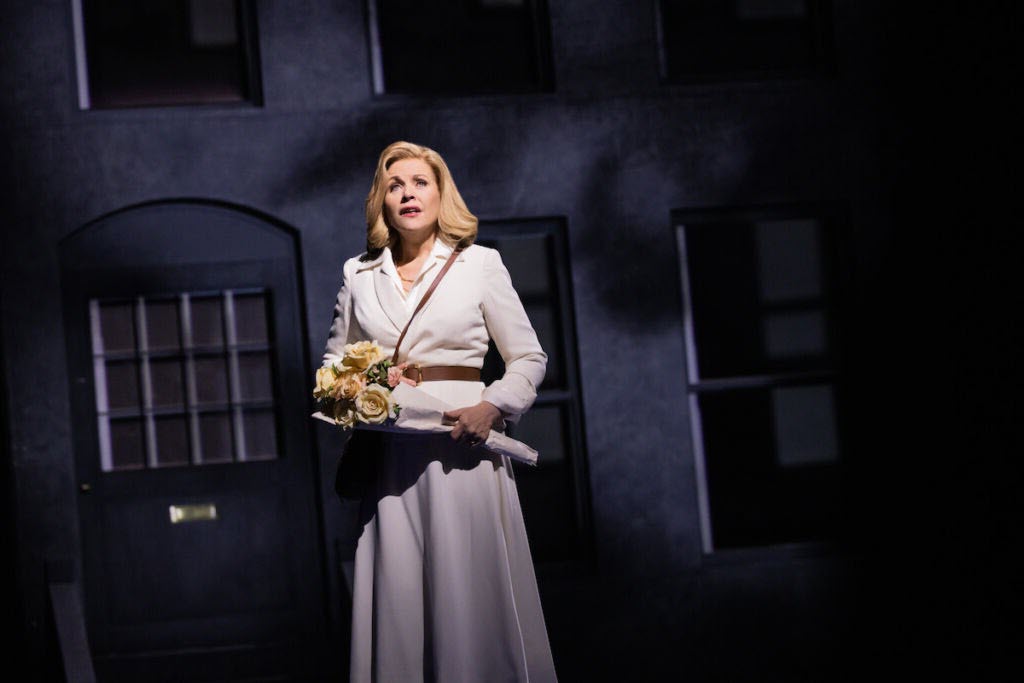
Opera, a dazzling blend of drama and music, has captivated audiences for centuries. At the heart of this art form are the extraordinary voices that transcend time and space, transporting us to realms of emotion and grandeur. In this exploration of the Top 15 Best Opera Singers of All Time, we celebrate the legends whose powerful performances and unparalleled talent have left indelible marks on the world of music. From the soaring arias of the legendary Luciano Pavarotti to the mesmerizing interpretations of Maria Callas, these artists have not only redefined the operatic landscape but have also inspired generations of singers.
Their unique vocal timbres, technical prowess, and passionate stage presences have made them icons, each contributing a distinct legacy to opera. Whether it’s the dramatic intensity of a Verdi masterpiece or the ethereal beauty of a Mozart serenade, these singers have demonstrated how the human voice can evoke the deepest sentiments. Join us as we delve into the lives and careers of these remarkable talents, uncovering the stories behind their rise to fame and the unforgettable performances that have solidified their places in history. Prepare to be inspired by their artistry as we celebrate the best of the best in the world of opera!
1. Luciano Pavarotti
Luciano Pavarotti stands as one of the most iconic tenors in the history of opera. Born in Modena, Italy, in 1935, he captured the hearts of millions with his golden voice, commanding presence, and unmistakable charisma. His interpretations of roles like Rodolfo in La Bohème, Cavaradossi in Tosca, and Calaf in Turandot are still considered definitive. Pavarotti possessed a rare ability to blend technical brilliance with deep emotional expression, especially in his signature high C’s, which he delivered with power and clarity. What truly set him apart, though, was how he brought opera into the mainstream. Through televised concerts, massive arena shows, and collaborations with pop artists, he introduced opera to people who might never have set foot in an opera house. He was also deeply committed to humanitarian causes, using his fame to raise millions for children and refugees. Whether singing Verdi, Puccini, or sacred music, Pavarotti conveyed a profound sense of joy in singing. His legacy lives on not just in recordings but in the way he made opera feel alive and accessible. Pavarotti didn’t just perform music—he made the world listen, feel, and believe in its beauty.
2. Maria Callas
Maria Callas, often referred to as “La Divina,” remains one of opera’s most captivating and complex figures. Born in New York City in 1923 to Greek immigrant parents, Callas later trained in Greece and developed a voice and artistry that would change opera forever. She wasn’t just a singer—she was a dramatic force of nature. Her interpretations of roles like Norma, Tosca, and Violetta were infused with emotional intensity and theatrical depth that few could match. Callas’s voice, while not conventionally beautiful by all standards, had an expressive range and color that brought her characters vividly to life. She didn’t just hit notes—she told stories. Her ability to convey heartbreak, fury, and vulnerability made her performances unforgettable. Beyond her artistry, her life offstage—marked by love affairs, personal struggles, and a highly publicized relationship with Aristotle Onassis—further fueled her mythic status. Even decades after her death in 1977, she continues to inspire new generations of opera singers and fans alike. To many, Maria Callas is not just a soprano—she is the embodiment of opera’s drama, passion, and emotional truth.
3. Plácido Domingo
Plácido Domingo is a towering figure in the world of opera, known not just for his remarkable voice, but for his versatility, longevity, and tireless dedication to the art form. Born in Madrid in 1941, Domingo has sung more than 150 different roles—a feat unmatched by most tenors in history. His voice, rich and expressive, has carried him through a wide repertoire, from lyrical roles to the heroic and dramatic. His portrayals of Otello, Don José in Carmen, and Radamès in Aida are legendary. What sets Domingo apart is his ability to evolve; as his voice matured, he transitioned into baritone roles, continuing to take on new challenges well into his later years. Beyond the stage, Domingo is also an accomplished conductor and opera administrator, having led institutions like the Los Angeles Opera and Washington National Opera. He has championed young artists through competitions and mentorship, ensuring the future of opera continues to thrive. Domingo’s artistry, stamina, and passion for music have made him not only a global superstar but also a dedicated ambassador for classical music. His influence reaches far beyond the opera house, making him one of the most respected figures in music today.
4. Joan Sutherland
Joan Sutherland, affectionately known as “La Stupenda,” was one of the most technically gifted sopranos in the history of opera. Born in Sydney, Australia, in 1926, she rose to international fame for her extraordinary command of the bel canto repertoire—particularly the works of Bellini, Donizetti, and Rossini. Her voice was a marvel: agile, powerful, and capable of soaring effortlessly through intricate coloratura passages. What made Sutherland exceptional was her ability to blend technical brilliance with a rich, creamy vocal tone that seemed to float above the orchestra. She first gained major acclaim with her 1959 performance of Lucia di Lammermoor at Covent Garden, a role that became one of her signatures. Her vocal control, musicality, and regal stage presence left audiences in awe. Although her dramatic interpretations were sometimes considered more restrained than her peers, her voice alone was enough to command attention. In her long and fruitful career, she helped revive many forgotten operas and brought bel canto singing back to prominence. Sutherland also mentored younger singers and was a beloved figure in the opera world until her death in 2010. Her recordings remain essential listening for anyone serious about vocal excellence.
5. Renée Fleming
Renée Fleming is a modern-day opera star known for her luxurious voice, interpretive sensitivity, and radiant stage presence. Born in 1959 in Indiana and raised in New York, Fleming rose to prominence in the 1990s with her lyrical soprano voice that combines warmth, elegance, and expressive power. She became especially celebrated for her roles in Rusalka, Arabella, and Der Rosenkavalier, where her emotional depth and vocal beauty left a lasting impression. Fleming’s artistry lies not only in her impeccable technique but in her ability to bring characters to life with emotional honesty. She also has a gift for making classical music accessible, often appearing at major public events like the Super Bowl and Nobel Peace Prize concerts. Her versatility extends beyond opera—she’s performed jazz, indie rock, and Broadway, always bringing refinement to every genre. Offstage, Fleming is a respected advocate for music education and the intersection of music and neuroscience. Her charm, intelligence, and grace have made her a beloved ambassador of the arts. Whether in the opera house or on the concert stage, Renée Fleming continues to enchant audiences with a voice that feels both timeless and deeply personal.
6. Dmitri Hvorostovsky
Dmitri Hvorostovsky, the celebrated Siberian baritone, left an unforgettable mark on the world of opera with his velvety voice, magnetic stage presence, and profound emotional depth. Born in 1962 in Krasnoyarsk, Russia, Hvorostovsky rose to prominence after winning the BBC Cardiff Singer of the World competition in 1989, where his commanding artistry turned heads globally. Known for his charismatic portrayals of complex characters in operas like Eugene Onegin, Rigoletto, and Il Trovatore, he was admired for the rich, silver-toned quality of his voice and his refined phrasing. His interpretations were never just technically flawless—they were emotionally resonant and deeply human. Even offstage, Hvorostovsky exuded elegance and humility, winning the hearts of fans across generations. After being diagnosed with brain cancer in 2015, he continued to perform as long as his health allowed, demonstrating incredible courage and devotion to his art. His death in 2017 was a tremendous loss to the music world, but his legacy lives on through countless recordings and the lasting impression he made on the operatic stage. Dmitri Hvorostovsky embodied the soul of Russian opera and remains one of the most beloved baritones of our time.
7. Kiri Te Kanawa
Dame Kiri Te Kanawa, the celebrated soprano from New Zealand, is known for her radiant voice, graceful stage presence, and exceptional artistry. Born in 1944 in Gisborne and adopted by a Māori family, she rose to prominence in the 1970s with her warm, silvery tone that seemed tailor-made for Mozart, Strauss, and Puccini. Te Kanawa’s breakout role came as the Countess in Mozart’s The Marriage of Figaro, a role she performed in opera houses across the world to great acclaim. Her voice combined lyrical beauty with expressive clarity, making her a favorite in both opera and concert settings. She also gained global recognition after singing at the wedding of Prince Charles and Lady Diana in 1981, bringing her voice to millions of television viewers. Kiri Te Kanawa excelled not only in operatic roles but also in lieder and oratorio, demonstrating versatility and refinement. After retiring from the stage, she devoted herself to mentoring young singers through her foundation, ensuring that her impact on the arts would continue beyond her own career. Admired for her elegance and poise, she remains one of the most beloved figures in the classical music world.
8. Franco Corelli
Franco Corelli, the Italian tenor hailed as one of the most electrifying voices of the 20th century, brought both vocal power and striking physical presence to the operatic stage. Born in 1921 in Ancona, Italy, Corelli possessed a voice of thrilling intensity and an ability to deliver high notes with passionate abandon. His performances in operas like Tosca, Turandot, and Aida were unforgettable, characterized by soaring phrases and an emotional fervor that left audiences breathless. Corelli wasn’t just a great singer—he was a true showman. Known for his matinee idol looks and fiery interpretations, he commanded the stage with an almost cinematic presence. His chemistry with sopranos such as Birgit Nilsson and Renata Tebaldi added an extra dimension to his performances. Though sometimes considered unorthodox in technique, his ability to stir the soul was unmatched. He retired from the stage in the mid-1970s but left behind a wealth of recordings that continue to captivate new generations. Corelli remains a symbol of Italian operatic passion—unapologetically grand, deeply emotional, and unforgettable in every role he sang.
9. Birgit Nilsson
Birgit Nilsson was a powerhouse Swedish soprano revered for her fearless performances in some of opera’s most demanding roles. Born in 1918 in Västra Karup, Sweden, she rose to prominence in the 1950s and became the definitive interpreter of many dramatic soprano parts, particularly in Wagnerian operas like Die Walküre, Tristan und Isolde, and Götterdämmerung. Nilsson’s voice was renowned for its immense power, steely brilliance, and stamina—qualities that allowed her to sail over the densest orchestration with apparent ease. She also brought intelligence, precision, and dry wit to her portrayals, making her performances as compelling dramatically as they were vocally. Nilsson was not just a Wagnerian singer; she also excelled in roles by Strauss, Puccini, and Verdi, showing a range that few dramatic sopranos could match. Her sense of humor and humility offstage made her beloved by fans and colleagues alike. She performed well into the 1980s and left an indelible mark on the opera world. Today, the Birgit Nilsson Prize, one of the largest in classical music, is awarded in her honor. Nilsson’s legacy is that of a true operatic titan—fearless, majestic, and utterly unforgettable.
10. Cecilia Bartoli
Cecilia Bartoli is a brilliant mezzo-soprano known for her lively interpretations, dazzling technique, and deep commitment to musical scholarship. Born in Rome in 1966 to a musical family, Bartoli displayed exceptional talent early on and soon captivated audiences with her energetic stage presence and rapid-fire coloratura. Her breakthrough came with roles like Rosina in The Barber of Seville and Angelina in La Cenerentola, where she combined comic flair with jaw-dropping vocal agility. But Bartoli is much more than just a bel canto virtuoso. She has dedicated much of her career to reviving lesser-known works and exploring the music of composers like Handel, Vivaldi, and Salieri, often performing pieces that had been forgotten for centuries. Her meticulous research and passion for authenticity have made her a unique force in the opera world. Bartoli’s charisma, intelligence, and joy in performance have endeared her to fans across the globe. In addition to singing, she serves as artistic director of the Salzburg Whitsun Festival, where she continues to shape the future of opera. Cecilia Bartoli is not just a singer—she’s a creative visionary who brings the past to life with spirit and originality.
11. Renée Fleming
Renée Fleming is one of the most acclaimed American sopranos of her generation, known for her sumptuous voice and warm, inviting tone. Born in 1959 in Indiana, Pennsylvania, she rose to fame in the 1990s with her lush lyric soprano voice that effortlessly conveys emotion and nuance. Fleming’s repertoire spans a wide range, from Mozart and Strauss to contemporary composers, showcasing her versatility and artistry. She has been praised for her elegant phrasing and ability to inhabit roles fully, making her performances deeply moving. Fleming has graced the world’s most prestigious opera houses, including the Metropolitan Opera, La Scala, and the Royal Opera House, captivating audiences with her beauty and vocal control. Beyond opera, she has also had a significant career in concert and recital, often performing art songs and orchestral works. She is admired for bringing classical music to a broader audience through crossover projects and media appearances. In 2018, she became the first classical artist to sing the National Anthem at the Super Bowl, highlighting her unique appeal. Renée Fleming’s voice is celebrated for its glowing warmth, clarity, and emotional depth, making her a beloved figure in both the opera world and beyond.
12. Plácido Domingo
Plácido Domingo is one of the most legendary tenors in opera history, famous for his powerful voice, extraordinary range, and immense versatility. Born in Spain in 1941, Domingo’s career has spanned over five decades and includes performances in more than 150 roles—a record for any operatic singer. Initially known as a tenor, he has also sung baritone roles later in his career, showing remarkable adaptability. Domingo’s voice combines strength and lyricism, capable of delivering both intense drama and tender moments. His performances in operas like Otello, Don Carlo, and Carmen are celebrated worldwide. In addition to his singing career, Domingo has been a passionate advocate for opera as an art form, serving as director of the Los Angeles Opera and founding the Operalia competition to support young singers. Known for his charismatic stage presence and professionalism, he has earned respect not only as a performer but also as a mentor and cultural ambassador. Despite some controversies in recent years, his impact on opera remains undeniable, and his recordings continue to inspire fans across generations.
13. Maria Callas
Maria Callas is often regarded as one of the greatest and most influential opera singers of the 20th century. Born in 1923 in New York City to Greek immigrant parents, she became famous for her dramatic soprano voice that combined raw emotion with technical brilliance. Callas was renowned not only for her vocal ability but also for her magnetic stage presence and intense acting skills, which helped transform opera into a fully theatrical experience. She revived many bel canto operas by composers like Bellini and Donizetti, bringing renewed attention to works that had fallen out of favor. Her interpretations of roles such as Tosca, Norma, and Violetta are legendary, marked by emotional depth and vocal agility. Callas’s career was as dramatic as her performances, filled with triumphs, controversies, and personal struggles. Despite vocal challenges later in her career, her recordings remain treasured by opera lovers worldwide. Her legacy is one of passion, artistry, and a pioneering spirit that helped redefine what it means to be an opera singer. Maria Callas remains a symbol of the powerful blend of voice and drama that opera demands.
14. Jonas Kaufmann
Jonas Kaufmann is a modern operatic tenor celebrated for his rich, dark-hued voice and extraordinary dramatic versatility. Born in Munich in 1969, Kaufmann has quickly risen to become one of the most sought-after voices on the international stage. His tone combines a lyrical warmth with a steely edge, allowing him to excel in a wide variety of repertoire, from Mozart and Verdi to Wagner and Puccini. Kaufmann is known for his ability to bring emotional intensity and subtle nuance to every role, creating unforgettable characters in operas like Don José in Carmen, Werther, and Lohengrin. His artistry is also notable for its naturalness and communicative power, connecting deeply with audiences. In addition to opera, Kaufmann has a thriving concert career, performing lieder and orchestral works with equal passion. His vocal stamina, refined technique, and charismatic presence have earned him accolades and a devoted following worldwide. Kaufmann represents a new generation of tenors who combine classical tradition with modern expressiveness and approachability.
15. Jessye Norman
Jessye Norman was an extraordinary American soprano celebrated for her majestic voice and commanding stage presence. Born in 1945 in Georgia, she rose to international prominence in the 1970s, known for her rich, powerful tone and impressive vocal range. Norman excelled in both opera and concert performances, particularly in works by Wagner, Strauss, and Verdi, where her dramatic soprano voice could soar with both strength and beauty. She was equally revered for her interpretations of spirituals and lieder, bringing profound emotion and cultural depth to these genres. Norman’s stage presence was regal and dignified, captivating audiences with her combination of vocal majesty and heartfelt expression. Beyond her singing, she was a passionate advocate for the arts and education, inspiring many young artists through teaching and outreach. She won numerous awards and honors throughout her career, including multiple Grammys and the National Medal of Arts. Jessye Norman’s legacy is that of a truly monumental voice—one that transcended genres and touched the hearts of audiences worldwide.

Edward Tomlin is a frequent contributor to Singers Room. Since 2005, Singersroom has been the voice of R&B around the world. Connect with us via social media below.