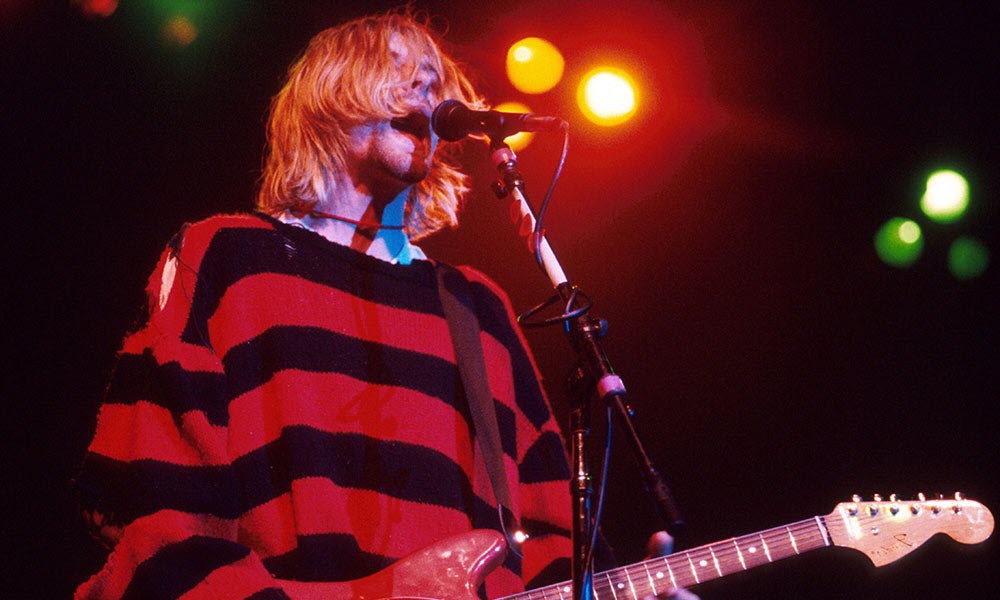
Nirvana wasn’t just a band—it was a revolution. Emerging from the grunge-soaked streets of Seattle in the late ‘80s, Nirvana redefined music for a generation, blending raw emotion with distorted guitars and rebellious energy. At the center of this cultural upheaval was Kurt Cobain, the enigmatic frontman whose haunting lyrics and unforgettable melodies captured the angst, disillusionment, and hope of millions. Together with bassist Krist Novoselic and drummer Dave Grohl, Nirvana created a legacy that transcends time, influencing countless artists and fans across the globe.
But what are the songs that truly define their meteoric rise and enduring impact? From the explosive riffs of Smells Like Teen Spirit to the soul-stirring beauty of Heart-Shaped Box, this list explores the tracks that have become anthems of a generation. Whether you’re a lifelong fan or a newcomer eager to dive into their discography, these 10 iconic songs showcase the brilliance, innovation, and raw power of Nirvana’s music. Strap in and get ready to relive the moments that cemented their place as one of the greatest bands in rock history. These are the songs that made us feel alive—and still do.
1. Smells Like Teen Spirit (1991)
“Smells Like Teen Spirit” isn’t just Nirvana’s most iconic song—it’s the track that defined a decade. When it hit the airwaves in 1991 as the lead single from Nevermind, it didn’t just announce the arrival of a new album—it kicked down the doors of mainstream rock and ushered in the grunge era. From the moment the jagged, unforgettable opening riff explodes from the speakers, the song grabs you and doesn’t let go. Kurt Cobain’s raspy vocals, full of frustration and defiance, gave voice to a generation of disillusioned youth who felt unseen by glossy pop and hair-metal excess. The lyrics are cryptic and ironic, but that only added to the mystique—nobody knew exactly what it meant, but everyone felt it. The song’s quiet-loud-quiet dynamic, influenced by the Pixies, became a grunge hallmark. “Smells Like Teen Spirit” went on to become an anthem for Generation X, but Cobain himself grew uneasy with its massive success. Ironically, a song that mocked mainstream culture became a cornerstone of it. Still, its power hasn’t faded. It remains a rallying cry for outsiders and a raw reminder of music’s ability to shake up the status quo.
2. Come as You Are (1991)
“Come as You Are” is one of Nirvana’s most haunting and hypnotic songs. Also from the groundbreaking album Nevermind, this track shows a different side of the band—a little less fury, a little more mood. Built around a watery, almost eerie guitar riff soaked in chorus effects, it draws listeners in slowly, wrapping them in its melancholic atmosphere. Cobain’s voice floats somewhere between invitation and warning, delivering lines like “Take your time, hurry up” that seem paradoxical yet poetic. There’s a calm menace to it all, like a fog slowly rolling in. The song’s message is deceptively simple: be yourself, flaws and all. But in true Nirvana fashion, that message is layered with ambiguity. Is it sincere? Is it sarcastic? That tension makes it all the more compelling. While “Smells Like Teen Spirit” got all the attention, “Come as You Are” proved that Nirvana wasn’t just a one-note band. It’s moody, mysterious, and deeply memorable. The track’s slow burn and emotional complexity helped solidify Nirvana’s place not just in rock history, but in the hearts of those who saw themselves reflected in the band’s raw, unfiltered sound.
3. Lithium (1991)
“Lithium” is a beautifully chaotic song about mental instability, faith, and emotional duality. Taken from Nevermind, it exemplifies Nirvana’s genius for juxtaposing soft vulnerability with explosive power. The verses are subdued—Cobain’s vocals sound almost childlike as he sings about finding religion in the midst of pain. Then the chorus hits, and it’s a full-on scream: “Yeah, yeah, yeah!” It’s not polished or pretty, but that’s the point. This is music that feels like real life—messy, conflicted, and unpredictable. Cobain wrote “Lithium” while imagining a man who finds comfort in religion after losing someone he loves, but as with most Nirvana lyrics, it’s open to interpretation. Whether it’s about personal faith, mental illness, or a mix of both, the emotion is raw and real. The title, a reference to the mood-stabilizing drug, adds another layer of meaning—suggesting the highs and lows of depression, and the desperate search for balance. Musically, the song is deceptively simple, yet it hits hard. “Lithium” isn’t just another grunge song; it’s a powerful portrayal of internal struggle, wrapped in distorted guitars and aching honesty. It’s one of the most emotionally complex tracks in Nirvana’s catalog.
4. In Bloom (1991)
“In Bloom” is Nirvana at their most sarcastic and self-aware. Released as the fourth single from Nevermind, it’s often seen as a sly jab at the kind of fans who sang along to Nirvana’s music without really getting it. The chorus—“He’s the one who likes all our pretty songs / And he likes to sing along / And he likes to shoot his gun”—pokes fun at the mismatch between the band’s message and some of its mainstream audience. But that irony is part of the charm. Musically, “In Bloom” is one of Nirvana’s most polished songs, featuring a strong, catchy melody and a dynamic balance between heavy guitar riffs and pop-friendly structure. It’s a perfect example of how Nirvana could blend accessible hooks with biting commentary. The music video takes it even further, parodying 1960s TV performances with the band dressed in suits, poking fun at their newfound fame. Cobain’s disdain for being misunderstood is clear, but rather than turning bitter, the song embraces its contradictions. “In Bloom” is catchy, clever, and just a little bit cruel—an anthem for those who know there’s more going on beneath the surface.
5. Heart-Shaped Box (1993)
“Heart-Shaped Box” is one of Nirvana’s most intense and enigmatic songs, serving as the lead single from their In Utero album. Compared to the more polished sound of Nevermind, this track is rawer, darker, and emotionally weightier. From the very first notes, there’s a looming sense of unease—the guitar riff is hypnotic but unsettling, setting the tone for a song that feels both intimate and confrontational. The lyrics are cryptic and surreal, full of references to sickness, entrapment, and vulnerability. Cobain’s delivery ranges from a ghostly whisper to a gut-wrenching howl, capturing a storm of conflicting emotions. Many believe the song was inspired by his relationship with Courtney Love, though its meaning remains elusive by design. The chorus—“Hey! Wait! I’ve got a new complaint”—feels like a cry from someone caught between love and anguish. Producer Steve Albini’s stripped-down approach lets the raw power of the song shine through, giving it an edge that’s both brutal and beautiful. “Heart-Shaped Box” isn’t easy listening, but that’s what makes it so compelling. It’s a dive into the darker corners of Cobain’s mind—and proof of Nirvana’s power to turn pain into something hauntingly unforgettable.
6. About a Girl (1989)
“About a Girl” is an early glimpse into Kurt Cobain’s songwriting genius, blending raw garage rock with unmistakable pop sensibility. Featured on Nirvana’s debut album Bleach, it stands out from the heavier, more aggressive tracks surrounding it. Inspired by Cobain’s then-girlfriend Tracy Marander and their complicated relationship, the song channels emotional tension through catchy, Beatles-esque melodies and deceptively simple lyrics. Cobain later admitted he was nervous to include the song on Bleach, fearing it was too poppy for their grunge image—but that vulnerability is what gives the track its heart. With jangly guitar lines and a melancholic but infectious hook, “About a Girl” walks the line between sweet and sullen. It may lack the distortion and fury of later Nirvana hits, but its emotional honesty and melodic structure reveal a depth often overshadowed by their more famous work. When the band performed it acoustically for MTV Unplugged in New York, it found a new life and wider audience, showing just how timeless and adaptable the song really is. “About a Girl” proves that even in their earliest days, Nirvana had a knack for crafting emotionally resonant, genre-defying music that sticks with you.
7. All Apologies (1993)
“All Apologies” feels like a curtain slowly closing on Kurt Cobain’s turbulent story. The final track on In Utero and later performed on MTV Unplugged in New York, it’s a haunting, almost prayerful song that offers quiet introspection rather than loud rebellion. With its repetitive, mantra-like refrain—“All in all is all we are”—the song carries a meditative weight, as if Cobain were trying to find peace in the middle of chaos. The lyrics are vague but emotionally raw, touching on themes of identity, regret, and self-acceptance. Musically, it’s subdued and gently flowing, with cello lines adding a somber, haunting texture. Unlike much of Nirvana’s catalog, “All Apologies” doesn’t erupt into screaming or distortion; instead, it gently sways like a lullaby for lost souls. The stripped-down Unplugged version only deepens its impact, revealing a level of tenderness not often associated with the band. Whether interpreted as an apology to fans, family, or himself, the song feels like a final bow—a moment of clarity and vulnerability before the storm. It remains one of Nirvana’s most poignant and emotionally resonant songs, capturing the weariness and complexity of Cobain’s inner life.
8. Polly (1991)
“Polly” is one of the most chilling songs in Nirvana’s discography—not because of loud guitars or screams, but because of its unsettling quiet. Featured on Nevermind, it’s an acoustic track based on a real and horrifying incident involving a young girl’s abduction and escape. Rather than sensationalizing the story, Cobain takes a disturbingly calm approach, singing from the perspective of the abuser to critique violence and challenge listeners. The sparse arrangement—just Cobain’s voice, an acoustic guitar, and minimal bass—lets the stark, uncomfortable lyrics take center stage. It’s a reminder of how powerful simplicity can be. The song forces the audience to sit with discomfort, highlighting issues of abuse, control, and survival. Cobain, a vocal supporter of women’s rights, intended “Polly” as a confrontation of evil, not an endorsement. Over the years, the song has sparked discussions about the role of art in addressing dark realities. Despite—or perhaps because of—its quiet nature, “Polly” lingers long after it ends. It’s a testament to Nirvana’s ability to tell difficult, important stories through music, and it remains a disturbing yet necessary part of their legacy.
9. Drain You (1991)
“Drain You” is pure adrenaline—a noisy, twisted love song that captures both the chaos and the ecstasy of intense relationships. Tucked into the second half of Nevermind, it’s often overshadowed by the album’s bigger hits, but to diehard fans and Cobain himself, “Drain You” was one of the band’s best. The song kicks off with a punchy, catchy riff and slides into lyrics that are bizarre, almost childlike—filled with references to babies, infections, and bodily fluids. It sounds absurd, but beneath the strange imagery is something deeply human: the raw vulnerability and entanglement of falling in love. “I like you / I’m not gonna crack” Cobain insists, blurring the lines between affection and dependency. The mid-song instrumental breakdown—a chaotic storm of feedback, squeaks, and distortions—feels like a mental and emotional unraveling, only to pull back into that anthemic chorus. It’s wild, it’s messy, and it’s brilliant. “Drain You” encapsulates Nirvana’s signature tension between structure and disorder, melody and noise. It’s not just a great grunge song—it’s a snapshot of emotional overload wrapped in sonic chaos, delivered with Cobain’s trademark mixture of beauty and madness.
10. Rape Me (1993)
“Rape Me” is one of Nirvana’s most controversial and misunderstood songs. Released on In Utero, it opens with a jarring title and equally blunt lyrics, but its intent is anything but gratuitous. Written by Kurt Cobain as a protest song, “Rape Me” confronts violence, exploitation, and the cycle of abuse in society and media. The structure mirrors “Smells Like Teen Spirit” in its loud-soft dynamic, but the mood is darker, angrier, and more direct. Cobain sings the chorus like a challenge—daring the listener to look away, to dismiss, or to misunderstand. He was acutely aware of how media twisted narratives and how survivors of abuse were often silenced or blamed. “Rape Me” was his attempt to force people to face those uncomfortable truths. Musically, it’s simple but effective: driven by a stark guitar progression and a raw vocal performance. While some radio stations refused to play it and critics debated its meaning, those who truly listened found a song of confrontation, not provocation. “Rape Me” remains a bold, difficult piece of Nirvana’s legacy—one that underscores Cobain’s refusal to shy away from pain, injustice, or the darker sides of humanity.

Edward Tomlin is a frequent contributor to Singers Room. Since 2005, Singersroom has been the voice of R&B around the world. Connect with us via social media below.









