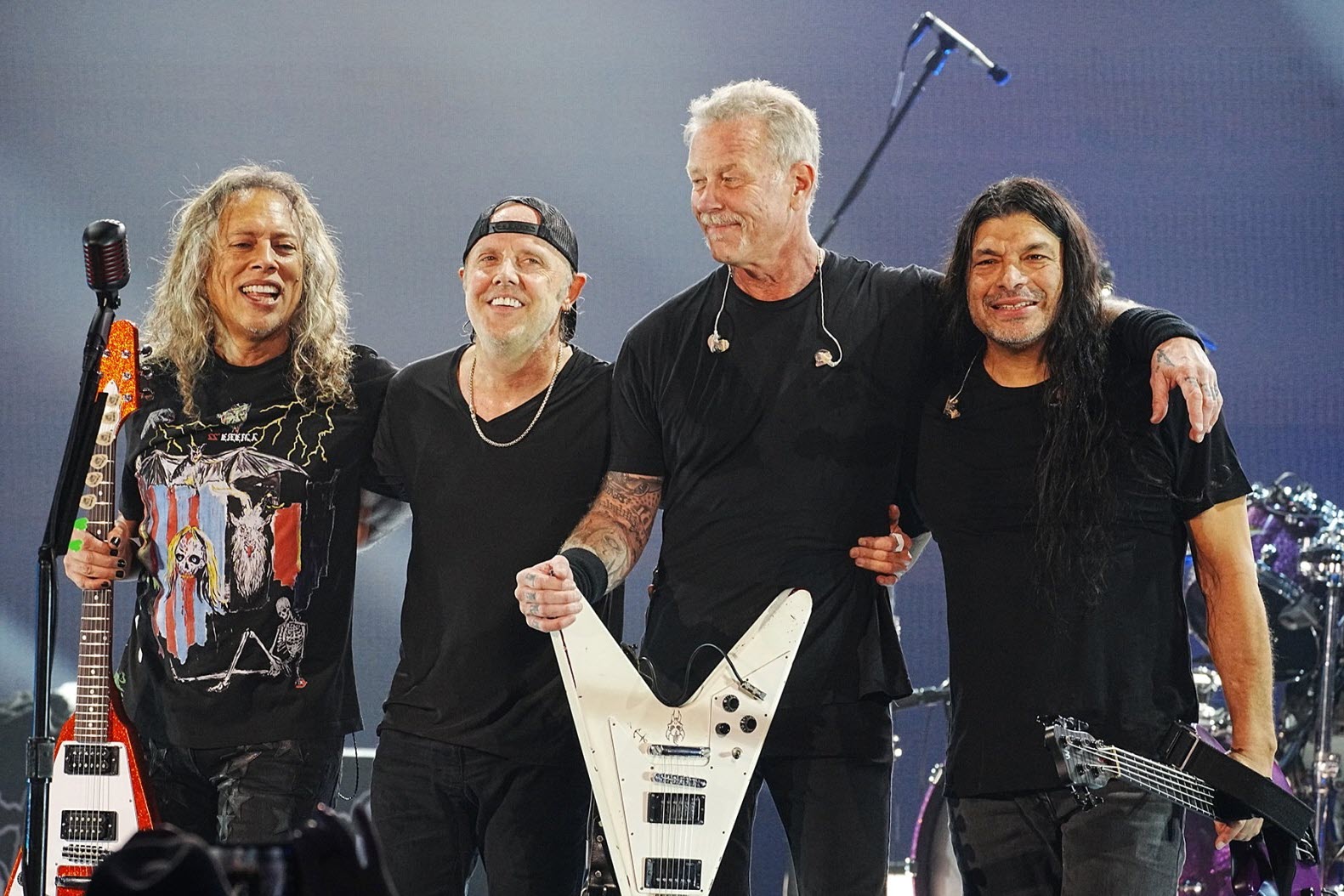
Few bands have left as indelible a mark on the world of music as Metallica. For over four decades, this legendary heavy metal powerhouse has delivered raw energy, intricate guitar riffs, and lyrics that resonate with audiences across generations. From the gritty underground thrash scene of the ’80s to headlining the world’s biggest arenas, Metallica has become synonymous with innovation, rebellion, and staying true to their roots.
But what is it about Metallica’s music that keeps fans headbanging to this day? Is it the haunting melodies? The relentless drumming? Or perhaps it’s James Hetfield’s unmistakable growl paired with Kirk Hammett’s electrifying solos? Whatever the reason, their songs have become anthems of resilience, angst, and power, earning them a permanent place in rock and roll history.
In this article, we’re diving into Metallica’s most iconic tracks—the songs that shook the foundations of metal and captured the hearts of millions. From adrenaline-pumping thrash classics to introspective ballads that showcase their versatility, these are the top 10 Metallica songs of all time. Whether you’re a die-hard fan or new to the band’s legacy, prepare to rediscover the electrifying magic that makes Metallica a force like no other.
1. Master of Puppets (1986)
“Master of Puppets” stands as a defining anthem in the world of thrash metal and is often hailed as Metallica’s magnum opus. Released in 1986 as the title track of their third album, the song is a relentless powerhouse that perfectly captures themes of addiction and manipulation. The blistering guitar riffs, driven by Kirk Hammett and James Hetfield, intertwine with a complex rhythm section that pushes the boundaries of metal’s speed and technicality. One of the most impressive features of the track is its intricate structure, which shifts tempos and moods — from aggressive thrash passages to a haunting, almost eerie midsection where the music slows, allowing the tension to build before exploding back into fury. The lyrics paint a stark picture of addiction’s grip, describing the feeling of being controlled by a force greater than oneself, like a puppet on strings. “Master of Puppets” is much more than just a heavy metal song; it’s a monumental statement about powerlessness and control that has resonated with generations of listeners. Decades later, it still holds its place as one of the greatest metal songs ever recorded, a true testament to Metallica’s skill and vision.
2. Enter Sandman (1991)
Released in 1991 as the lead single from Metallica’s self-titled “Black Album,” “Enter Sandman” was a game-changer for the band, propelling them to unprecedented mainstream success. The song opens with one of rock’s most instantly recognizable guitar riffs — simple, ominous, and unforgettable. Its power lies not just in the music but in the eerie lyrics that dive into the world of childhood fears and nightmares. James Hetfield’s commanding vocals perfectly capture that unsettling tension between innocence and terror, telling the story of a child haunted by dark dreams. What makes “Enter Sandman” so effective is its perfect balance between heaviness and accessibility. It’s aggressive enough to satisfy hardcore metal fans but crafted with a melodic structure that welcomes a broader audience. The infectious chorus, the tight rhythm section, and the subtle buildup all work together to create a timeless rock classic. Over the years, “Enter Sandman” has become a staple at concerts and sporting events alike, proving that Metallica can blend intense storytelling with catchy, powerful music that endures across generations.
3. One (1988)
“One,” from Metallica’s 1988 album …And Justice for All, is one of the band’s most emotionally charged and musically complex songs. It tells the harrowing story of a soldier who has been critically wounded in war — losing his limbs and the ability to see, speak, or hear — trapped in a living nightmare. The song begins softly, almost mournfully, with clean guitar tones and a somber melody that perfectly conveys helplessness and despair. As it progresses, the music intensifies dramatically, building into a furious storm of fast riffs, thunderous drumming, and piercing guitar solos that mimic the soldier’s rage and agony. The power of “One” lies not only in its masterful composition but also in its deeply anti-war message. The groundbreaking music video, which intercuts footage from the 1971 anti-war film Johnny Got His Gun, amplifies the song’s emotional impact by visually portraying the soldier’s tragic fate. “One” remains a haunting masterpiece that showcases Metallica’s ability to combine storytelling, musicianship, and social commentary in a way few bands ever have.
4. Fade to Black (1984)
“Fade to Black,” released on Metallica’s 1984 album Ride the Lightning, is a powerful and deeply emotional song that marked a turning point in the band’s sound. It stands out for its introspective lyrics and melancholic tone, exploring themes of despair and suicidal thoughts. The track begins with a slow, delicate acoustic guitar intro that immediately sets a somber mood, gradually building into heavier, more intense sections featuring James Hetfield’s heartfelt vocals and Kirk Hammett’s soaring guitar solos. The song’s dynamic contrast between softness and raw power reflects the emotional struggle it describes, capturing a sense of hopelessness yet also a yearning for release. For many fans, “Fade to Black” is one of Metallica’s most personal and relatable songs, showcasing a vulnerable side of the band not often heard in the aggressive thrash metal genre. Over time, it has become a fan favorite, often played live as a moment of reflection amid Metallica’s heavier setlists. This track helped prove that metal could be both musically intense and emotionally profound.
5. Nothing Else Matters (1991)
“Nothing Else Matters” was a bold and unexpected move for Metallica when it appeared on their 1991 self-titled album, often called The Black Album. Written primarily by James Hetfield, the song is a heartfelt ballad that reveals a softer, more vulnerable side of the band. Unlike their typical thrash metal sound, “Nothing Else Matters” features orchestral elements and a melodic guitar intro that immediately draws listeners in. The lyrics speak to themes of love, trust, and emotional openness, breaking away from Metallica’s usual focus on external conflict and aggression. Hetfield’s intimate delivery and the song’s sweeping arrangement created a universal appeal, resonating with fans worldwide beyond the metal community. “Nothing Else Matters” quickly became one of Metallica’s most commercially successful songs, receiving extensive radio play and music video rotation. Its timeless message about the importance of personal connection and the courage to be vulnerable continues to move listeners today. This track stands as a testament to Metallica’s versatility and willingness to push the boundaries of their genre.
6. Seek & Destroy (1983)
“Seek & Destroy,” from Metallica’s debut album Kill ‘Em All (1983), is a raw, high-energy anthem that perfectly encapsulates the band’s early thrash metal fury. The song kicks off with an aggressive, razor-sharp riff that immediately grabs your attention and refuses to let go. Fueled by youthful rebellion and a relentless drive, “Seek & Destroy” is about hunting down enemies and chaos, a fitting theme for a band just starting to make their mark on the metal scene. The track’s unpolished, gritty sound and fast-paced rhythm reflect the intensity and urgency that characterized Metallica’s beginnings. Over the years, it became a live favorite, with its call-and-response sections inviting fans to shout along. It captures the spirit of a young band determined to disrupt and dominate the metal world. Even today, “Seek & Destroy” remains a powerful statement of aggression and defiance — a staple that showcases Metallica’s roots and raw energy before their sound evolved and expanded.
7. For Whom the Bell Tolls (1984)
Inspired by Ernest Hemingway’s novel of the same name, “For Whom the Bell Tolls” is a heavy, atmospheric track from Metallica’s 1984 album Ride the Lightning. The song opens with a haunting, thunderous bass intro by Cliff Burton that immediately sets a dark, ominous tone. The lyrics tell a grim tale of the horrors of war, reflecting on death and the futility of conflict with vivid imagery. Musically, it combines a mid-tempo groove with crushing riffs and powerful drum patterns, creating a sense of foreboding that grips the listener from start to finish. James Hetfield’s commanding vocals add intensity, bringing the narrative to life. “For Whom the Bell Tolls” stands as one of Metallica’s most iconic songs, celebrated for its memorable riffs and profound subject matter. It’s a track that highlights the band’s ability to marry literary inspiration with heavy metal, delivering a powerful commentary on violence and mortality that resonates deeply with fans.
8. The Unforgiven (1991)
“The Unforgiven,” from Metallica’s 1991 Black Album, is a standout track that redefines what a metal song can be. It subverts expectations by blending a soft, melodic verse with a heavy, aggressive chorus — a contrast that creates a powerful emotional impact. The lyrics tell a story of struggle, pain, and ultimately, redemption, themes that James Hetfield delivers with raw passion and sincerity. The song’s layered structure and memorable guitar melodies give it a unique identity within Metallica’s catalog, standing apart from their more traditional thrash sound. “The Unforgiven” connects with listeners on a deeply personal level, reflecting the pain of feeling misunderstood or judged. Its exploration of inner conflict and forgiveness struck a chord worldwide, helping the band reach new audiences. The track’s enduring popularity is a testament to Metallica’s evolving sound and their willingness to explore more complex emotional landscapes through metal music.
9. Battery (1986)
Opening the legendary Master of Puppets album, “Battery” is an intense burst of energy that perfectly captures Metallica’s early thrash metal spirit. The song begins with a classical guitar intro, showcasing the band’s musical sophistication before launching into a full-on assault of rapid, galloping riffs and pounding drums. The relentless pace and aggressive delivery embody themes of power, strength, and resilience, making “Battery” a perfect opening track that sets the tone for the album. James Hetfield’s fierce vocals cut through the chaos, driving the song forward with unyielding intensity. The track highlights the technical prowess of all band members, with precise guitar work and thunderous rhythm that still thrills fans live today. “Battery” is a definitive example of Metallica’s ability to combine melody with sheer metal ferocity — a track that has become a fan favorite and a benchmark for thrash metal energy.
10. Creeping Death (1984)
“Creeping Death,” from Metallica’s 1984 album Ride the Lightning, is a thrilling biblical epic that draws inspiration from the story of the plague of the firstborn in the Book of Exodus. The song’s thunderous riffs and pounding drums create a sense of urgency and drama that captures the terror and power of this ancient tale. James Hetfield’s commanding vocals narrate the story with an intense and urgent delivery that fuels the track’s relentless energy. The chorus, featuring the iconic chant of “Die! Die! Die!”, has become a fan favorite and a signature moment in Metallica’s live performances, often sparking enthusiastic crowd participation. “Creeping Death” showcases the band’s ability to craft storytelling metal that is both musically powerful and theatrically engaging. It remains one of Metallica’s most beloved songs, a staple in their live setlists and a testament to their skill in blending mythic themes with pure metal aggression.

Edward Tomlin is a frequent contributor to Singers Room. Since 2005, Singersroom has been the voice of R&B around the world. Connect with us via social media below.









