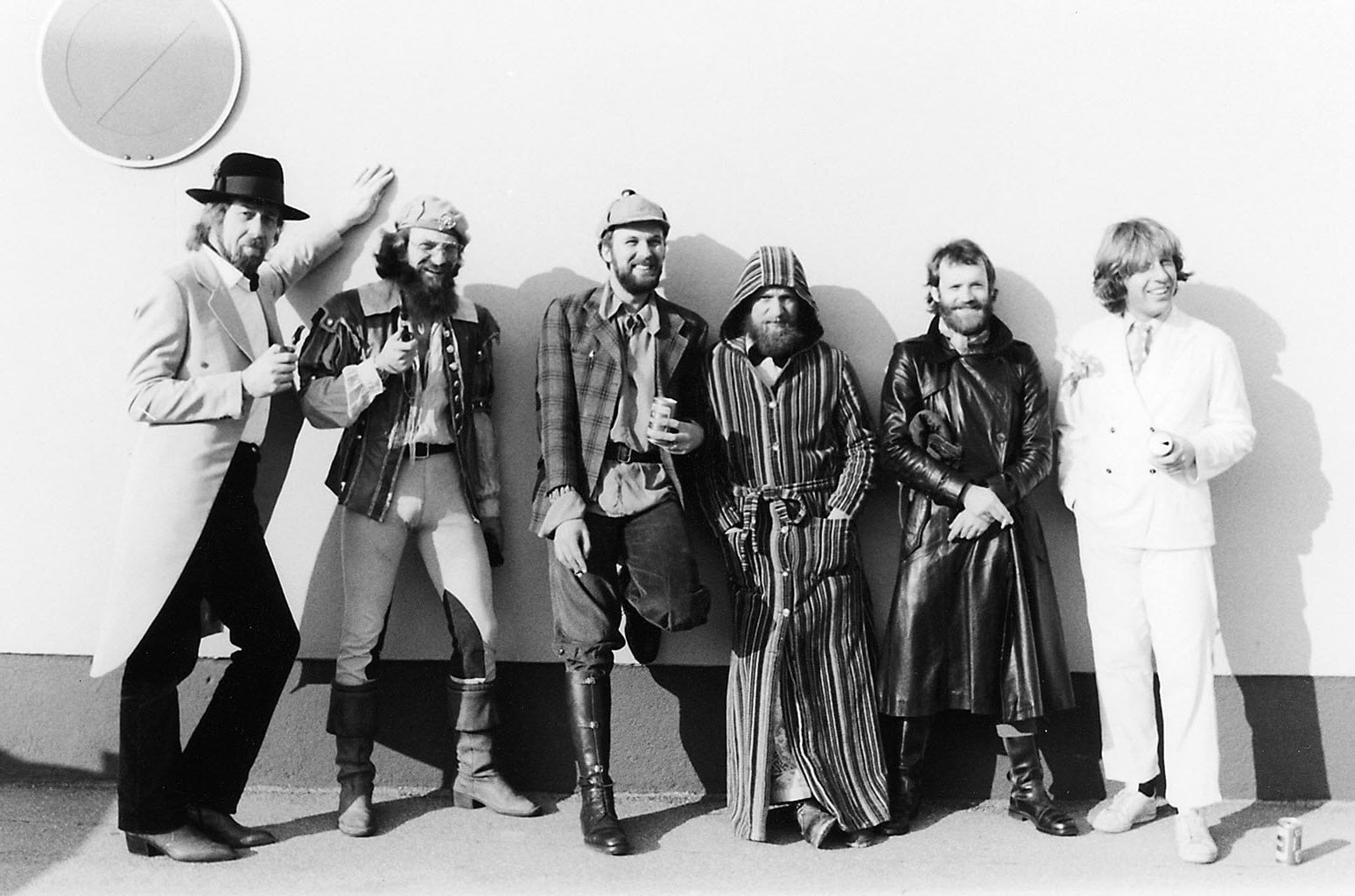
Few bands in rock history have blended genres, pushed boundaries, and defied expectations quite like Jethro Tull. With their unmistakable fusion of progressive rock, folk, classical, and blues — all anchored by Ian Anderson’s iconic flute and sharp lyrical wit — the band carved out a distinct, unforgettable niche in the music world. From the shadowy corners of Aqualung to the pastoral beauty of Songs from the Wood, Jethro Tull’s discography is as diverse as it is daring. But among the many gems in their vast catalog, some songs have risen above the rest — becoming anthems, concert staples, and fan favorites that continue to resonate decades later.
In this article, we’re diving deep into the Top 10 Most Popular Jethro Tull Songs of All Time — a curated list that reflects the band’s most impactful, beloved, and enduring tracks. Whether you’re a longtime fan who wore out your vinyl copy of Thick as a Brick or a curious newcomer ready to explore the magic of Tull, this list will guide you through the songs that defined a genre-defying legacy. So grab your headphones, cue the flute, and let’s journey through the unforgettable soundscapes of Jethro Tull.
1. Aqualung (1971)
Released in 1971, “Aqualung” stands as the defining anthem of Jethro Tull’s career—a gritty, brooding rock epic that confronts the listener with themes of alienation, societal neglect, and spiritual hypocrisy. The song opens with Martin Barre’s thunderous guitar riff, immediately setting the tone for Ian Anderson’s sneering vocals and haunting flute melodies. The title character, a homeless man wandering the streets, serves not only as a central figure but also as a reflection of society’s indifference to the marginalized. Lyrically vivid and unsettling, “Aqualung” blurs the lines between narrative and social commentary. Its shifting dynamics—from hard-hitting electric blasts to soft, acoustic introspection—create a rollercoaster of sound that keeps the listener engaged throughout. The song showcases Jethro Tull’s unique blend of progressive rock, folk, and classical elements, all while delivering a powerful message. Anderson’s performance is both theatrical and deeply human, infusing every line with raw emotion. Over five decades later, “Aqualung” still resonates with its unapologetic critique and musical complexity. It’s more than just a song; it’s a statement—a masterpiece that continues to challenge and captivate audiences, solidifying its place as one of the essential tracks in rock history.
2. Locomotive Breath (1971)
“Locomotive Breath” is a high-octane burst of rock fury, charging ahead with the force of the train it so vividly describes. Released in 1971 as part of the Aqualung album, the song begins deceptively gently with a slow, haunting piano intro before erupting into a relentless, galloping rhythm. The metaphor of a runaway train captures the anxiety of losing control—of life slipping through your fingers in an unstoppable blur. Martin Barre’s fiery guitar riffs, paired with Ian Anderson’s frantic flute flourishes, inject the track with a sense of urgency and chaos. Lyrically, the song delves into themes of existential despair and societal pressure, portraying a man overwhelmed by circumstances and grasping for meaning. Anderson’s vocals are intense and filled with a quiet desperation, perfectly mirroring the song’s narrative arc. “Locomotive Breath” has become a concert staple and one of Jethro Tull’s most recognized songs, thanks to its electrifying energy and unforgettable riff. It’s a sonic juggernaut that showcases the band’s ability to pair intricate musicianship with powerful storytelling, making it one of the most enduring tracks in their extensive catalog.
3. Thick as a Brick (Part 1) (1972)
When Jethro Tull released “Thick as a Brick” in 1972, they weren’t just putting out a song—they were crafting a full-blown rock odyssey. The first part of this nearly 22-minute epic is a whirlwind of shifting tempos, complex instrumentation, and lyrical mischief, serving as both a parody and a triumph of the concept album. Frustrated by critics labeling Aqualung a concept album, the band responded by doubling down with this theatrical and musically ambitious piece. “Thick as a Brick (Part 1)” blends progressive rock, classical influences, and folk stylings into a single, cohesive yet unpredictable composition. Ian Anderson delivers surreal, poetic lyrics—purportedly written by a fictional boy genius named Gerald Bostock—with wit and theatrical flair. The band shifts seamlessly between soaring melodies, intricate acoustic sections, and heavier, full-band passages, displaying musical chops at every turn. Though its full version spans nearly an entire album side, this first part often appears on compilations and live performances, representing the heart of the piece. “Thick as a Brick” isn’t just a song—it’s a bold artistic statement that redefined what rock could be, cementing Jethro Tull’s place in the pantheon of progressive music.
4. Bungle in the Jungle (1974)
“Bungle in the Jungle,” released in 1974 on the War Child album, is one of Jethro Tull’s most approachable and radio-friendly offerings. With a steady, catchy rhythm and a singable chorus, the track feels more accessible than some of their more sprawling prog-rock pieces, yet it still carries the band’s distinctive musical DNA. Ian Anderson uses jungle imagery to draw clever parallels between animal instincts and human behavior, turning a whimsical idea into a deeper philosophical reflection. The orchestration is lush but never overbearing, and the arrangement is tight, allowing the lyrics and melodies to shine. Anderson’s voice is playful yet perceptive, weaving lines about the struggle for survival, dominance, and self-awareness in both the wild and modern life. While it might lack the sprawling ambition of some of their epics, “Bungle in the Jungle” proves that Jethro Tull could craft intelligent, thought-provoking songs without sacrificing mass appeal. The song was a commercial success, becoming a staple on rock radio and helping the band reach a broader audience. It remains a fan favorite for its charm, wit, and subtly layered depth.
5. Living in the Past (1969)
“Living in the Past,” released in 1969 as a standalone single, is one of the earliest showcases of Jethro Tull’s innovative spirit. Built around an unusual 5/4 time signature, the song creates an off-kilter yet hypnotic groove that immediately sets it apart from other rock tracks of the era. The jazzy rhythm section pairs beautifully with Ian Anderson’s signature flute and introspective vocals, crafting a sound that was unlike anything else on the charts. The lyrics explore a nostalgic longing for simpler, perhaps idealized times, tinged with a subtle critique of escapism. Anderson’s delivery is thoughtful and subdued, reflecting on the comfort and danger of clinging too tightly to the past. The unconventional structure and instrumentation were bold choices for a single, but the gamble paid off—“Living in the Past” became one of Jethro Tull’s first major hits and helped define their early sound. Its timeless quality and emotional resonance continue to captivate listeners today. More than just a throwback, the song is a meditation on memory, change, and the uneasy dance between moving forward and holding on.
6. Cross-Eyed Mary (1971)
“Cross-Eyed Mary,” one of the most provocative and memorable tracks from Aqualung, dives deep into the shadowy underbelly of society. Released in 1971, the song opens with an eerie flute melody and a heavy, sinister groove that immediately sets a dark tone. The story centers on a controversial figure—a schoolgirl-turned-prostitute—presented with biting satire and a sharp critique of societal hypocrisy. Ian Anderson’s theatrical vocal delivery paints vivid scenes while challenging listeners to look beyond the surface and confront uncomfortable truths. The instrumentation is both menacing and intricate, mixing gritty guitar riffs with baroque flourishes and melodic twists that showcase Jethro Tull’s progressive roots. As much a social commentary as a rock song, “Cross-Eyed Mary” complements the themes of alienation and moral decay explored throughout Aqualung. Despite—or perhaps because of—its disturbing subject matter, the track remains one of the band’s most compelling statements. It’s fearless, thought-provoking, and musically bold, revealing Tull at their most unflinching. Whether interpreted as character study or social critique, “Cross-Eyed Mary” endures as a haunting piece of rock theater that still resonates with modern audiences and remains a staple of the band’s legendary catalog.
7. Songs from the Wood (1977)
“Songs from the Wood,” the title track of Jethro Tull’s 1977 album, is a rich celebration of nature, folklore, and British tradition. Departing from the urban and existential themes of earlier work, the band embraces a pastoral aesthetic, blending progressive rock with folk elements in one of their most joyous and earthy compositions. Ian Anderson’s warm, inviting vocals draw listeners into a mythical woodland world filled with rustic charm and poetic wonder. The song’s intricate harmonies, acoustic layers, and spirited tempo shifts highlight the band’s technical finesse and evolving musical direction. Lyrically, it’s a love letter to rural life and the rhythms of the natural world, capturing a sense of timelessness and serenity that feels both nostalgic and refreshing. The instrumentation is crisp and ornate, weaving together flutes, guitars, and percussion into a sonic tapestry that feels both grounded and magical. “Songs from the Wood” signaled a new era for the band—one steeped in tradition but fearless in its creativity. It remains a standout in Jethro Tull’s catalog, beloved by fans for its originality, warmth, and sense of musical adventure. It’s not just a song—it’s an invitation to step into a different world.
8. My God (1971)
“My God,” one of the most powerful and controversial tracks from Aqualung, is a fearless indictment of organized religion and the corruption of spiritual values. Released in 1971, the song begins with a somber acoustic guitar and Ian Anderson’s stark, plaintive vocals, gradually erupting into a searing musical confrontation. Lyrically, Anderson delivers a scathing critique of religious institutions that exploit faith for control and profit. The message is bold and unapologetic, challenging listeners to reflect on the distinction between personal belief and institutional dogma. Musically, the song is just as dynamic—shifting from quiet introspection to bombastic outbursts, driven by electric guitar riffs, crashing drums, and Anderson’s signature flute solos that veer from reverent to rebellious. The extended instrumental break adds tension and depth, giving the track a theatrical feel without losing its raw emotional power. “My God” is not just a protest song—it’s a dramatic exploration of disillusionment and the search for truth. It encapsulates Jethro Tull’s knack for pushing boundaries and provoking thought, making it one of their most enduring and essential tracks. Decades later, it still feels relevant, urgent, and musically mesmerizing—a true testament to the band’s fearless artistic voice.
9. Skating Away on the Thin Ice of the New Day (1974)
“Skating Away on the Thin Ice of the New Day,” from the 1974 War Child album, is a beautifully crafted reflection on change, growth, and the delicate uncertainty of life. The song begins with the gentle plucking of acoustic guitar, gradually building in complexity and intensity as more instruments join in. This gradual crescendo mirrors the song’s themes—tentative steps into an uncertain future, moving forward despite fear or doubt. Ian Anderson’s lyrics are poetic and introspective, encouraging listeners to embrace the unknown with courage and clarity. His vocal delivery is thoughtful and soothing, giving the track a meditative quality. Musically, it’s a perfect example of Jethro Tull’s skillful blend of folk and progressive rock, layered with nuanced arrangements and textured instrumentation. The interplay between acoustic and electric elements keeps the song dynamic and emotionally resonant, while the flute adds a whimsical, almost magical touch. “Skating Away” remains one of the band’s most beloved tracks for its lyrical depth and melodic grace. It captures the bittersweet beauty of transitions, making it a timeless anthem for anyone standing on the edge of a new chapter.
10. Hymn 43 (1971)
“Hymn 43” is one of the most fiery and direct tracks from Jethro Tull’s Aqualung album, released in 1971. Short, sharp, and brimming with attitude, the song takes aim at religious hypocrisy with biting wit and blues-rock swagger. From the opening piano riff to the gritty guitar licks that follow, the track wastes no time establishing its rebellious tone. Ian Anderson’s vocal delivery is pointed and sarcastic, targeting those who misuse religion for personal gain while cloaked in moral superiority. The lyrics are confrontational and clever, delivering scathing lines that challenge conventional sanctimony with fearless clarity. Clocking in at just over three minutes, “Hymn 43” is compact but potent—every note and word is purposeful. Musically, it blends blues, hard rock, and progressive influences into a tight, energetic package that perfectly matches the song’s fiery message. It’s one of the most accessible yet subversive songs in Tull’s catalog, capturing the rebellious spirit of the early ’70s with style and substance. As a standout track from Aqualung, “Hymn 43” continues to resonate with listeners for its musical punch and unflinching critique. It’s Tull at their most defiant—and most compelling.

Samuel Moore is a frequent contributor to Singers Room. Since 2005, Singersroom has been the voice of R&B around the world. Connect with us via social media below.









