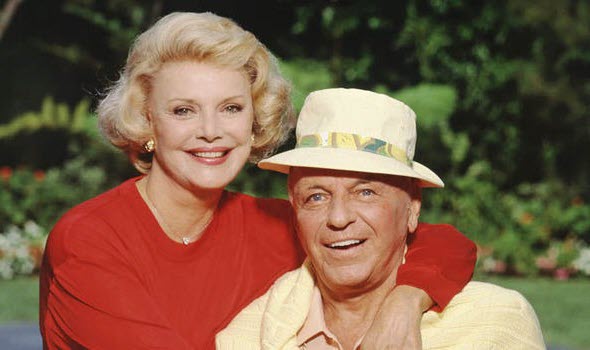
Frank Sinatra wasn’t just a singer—he was The Voice. With unmatched charisma, impeccable phrasing, and a velvet-smooth baritone, Sinatra redefined popular music and became a symbol of timeless cool. From smoky nightclubs to grand concert halls, his presence was magnetic, his interpretations legendary. Whether he was delivering heart-wrenching ballads or swinging with swagger and style, Sinatra brought every lyric to life with emotion, elegance, and flair. A cultural icon who helped shape the sound of the 20th century, his music continues to captivate fans across generations.
In this Top 10 Most Popular Frank Sinatra Songs of All Time, we celebrate the tracks that turned Ol’ Blue Eyes into a global phenomenon. These are the songs that defined romance, resilience, and the American dream—from the soaring optimism of “Fly Me to the Moon” to the bittersweet introspection of “My Way.” Whether backed by lush orchestras or jazzy big bands, Sinatra’s performances remain unmatched in their emotional depth and vocal brilliance. This list is a tribute to the music that made him a legend—timeless tunes that still echo with charm, power, and sophistication. So pour a drink, dim the lights, and get ready to experience the magic of Frank Sinatra at his finest.
1. “The Way You Look Tonight” (1936)
Originally introduced by Fred Astaire in the 1936 film Swing Time, “The Way You Look Tonight” won the Academy Award for Best Original Song that same year. Sinatra recorded multiple versions over his career, with his most notable rendition released in the early 1960s. His interpretation brings a tender, romantic warmth that melts through every line. The song’s lyrics, praising a lover’s enduring beauty, are timeless, and Sinatra’s delivery is soaked in sincerity. The subtle orchestration allows his voice to float gracefully, making it a favorite for weddings and slow dances. Unlike some of his more bombastic numbers, this track shows Sinatra’s intimate side, and it’s as affecting today as it was nearly a century ago.
2. “Come Fly With Me” (1958)
“Come Fly With Me” was written specifically for Sinatra by songwriting duo Jimmy Van Heusen and Sammy Cahn for his 1958 concept album of the same name. The album was Sinatra’s first release on Capitol Records recorded in stereo, and this track set the tone. The song is a breezy invitation to escape—to fly to exotic locales with the one you love. Sinatra delivers it with flair and confidence, making it sound like the most glamorous proposition in the world. The big-band arrangement lifts the listener off the ground, while his voice keeps everything grounded in charm. “Come Fly With Me” became a signature Sinatra opener and remains one of the most recognizable travel-themed songs in American music.
3. “That’s Life” (1963)
“That’s Life” was first recorded by Marion Montgomery in 1963, but Sinatra’s 1966 version turned it into a defiant, soulful declaration. With a bluesy brass arrangement and a vocal delivery that ranges from raspy growl to triumphant belt, Sinatra captured the essence of resilience in the face of adversity. The lyrics speak to the ups and downs of life—being “riding high in April, shot down in May”—and nobody could sell that sentiment quite like him. It was a departure from his usual suave crooning, embracing a grittier, more emotional style. The song became a late-career hit and continues to resonate with anyone who’s ever hit rock bottom and bounced back.
4. “Summer Wind” (1965)
“Summer Wind” began life as a German tune called “Der Sommerwind” in 1965, then was translated and adapted into English. Sinatra recorded it in 1966, and the result is a breezy, melancholic ballad about fleeting love and passing seasons. With gentle strings, a swinging rhythm, and Sinatra’s wistful tone, the song perfectly captures the bittersweet feeling of summer’s end. It’s less dramatic than some of his other ballads, but its subtlety is its strength. The imagery is vivid—the wind that “came blowin’ in from across the sea” becomes a metaphor for love lost and time gone by. It’s a reflective piece that shows Sinatra’s maturity as an interpreter of emotion.
5. “Luck Be a Lady” (1950)
“Luck Be a Lady” was written by Frank Loesser for the 1950 Broadway musical Guys and Dolls, where it was originally performed by Robert Alda. Sinatra recorded his own version in 1965 for the album Sinatra ’65. With a brassy, swaggering arrangement, Sinatra transforms the show tune into a Rat Pack rouser bursting with Las Vegas energy. The song, about a gambler pleading with fate to be kind, fits perfectly with Sinatra’s public persona as the suave, sharp-dressed high roller. His phrasing brings urgency and charisma, making the listener root for him with every line. Over time, it became one of his signature songs—equal parts theater and bravado.
6. “My Way” (1969)
Released in 1969, “My Way” stands as perhaps the most defining anthem of Frank Sinatra’s career. Adapted from the French ballad “Comme d’habitude,” the English lyrics were penned by Paul Anka specifically for Sinatra, capturing the essence of self-determination and reflection. With a slow-building orchestration that crescendos into a powerful declaration of individuality, the song became an immediate classic. Sinatra’s commanding vocal delivery, filled with both pride and vulnerability, made it a universal torch song for anyone looking back on life with no regrets. Although Sinatra reportedly grew tired of its ubiquity in his later years, fans never did—the song became a staple at funerals, retirements, and ceremonies worldwide. Its cultural reach is immense, and countless artists have since covered it, but none match Sinatra’s original conviction.
7. “New York, New York” (1977)
Though originally written for the 1977 Martin Scorsese film New York, New York and first performed by Liza Minnelli, Sinatra’s 1979 recording turned this brassy show tune into a global phenomenon. His version transformed the song into an unofficial anthem for the city itself. With triumphant horns, a swinging rhythm, and that unmistakable Sinatra swagger, it celebrates ambition and resilience—themes that resonate with anyone chasing big dreams. Sinatra’s performance is both theatrical and heartfelt, capturing the spirit of the Big Apple’s endless possibilities. It became a concert closer, a sports stadium staple, and a cultural symbol. By the early 1980s, “New York, New York” wasn’t just a song—it was a state of mind, and Sinatra was its voice.
8. “Fly Me to the Moon” (1954)
Originally written by Bart Howard in 1954 and first recorded by Kaye Ballard, “Fly Me to the Moon” found its most iconic interpretation a decade later in Sinatra’s 1964 version. Backed by Count Basie and arranged by Quincy Jones, Sinatra’s version is smooth, confident, and impossibly cool. The song’s jazzy structure and flirtatious lyrics felt tailor-made for his effortless phrasing. Its association with the 1969 Apollo 11 mission, where it was played in space, only added to its mystique. But beyond the space-age romance, it’s the song’s timeless blend of swing and sentiment that keeps it fresh. Sinatra doesn’t just sing about flying to the moon—you believe he could take you there.
9. “Strangers in the Night” (1966)
“Strangers in the Night” was released in 1966 and quickly became a major hit, reaching number one on the Billboard Hot 100. With swooning strings and a whispery vocal delivery, Sinatra brought a sense of serendipity and romance to this love-at-first-sight tale. The song marked a commercial comeback for him during a time when rock and roll was dominating the charts. It won three Grammy Awards, including Record of the Year, and reintroduced Sinatra to a new generation. The melody is simple yet unforgettable, and the famous scat-style “doobie-doobie-doo” ad-lib at the end became part of pop culture lore. Even if Sinatra himself reportedly disliked the song, audiences certainly didn’t—it remains a staple of his catalog.
10. “I’ve Got You Under My Skin” (1936)
“I’ve Got You Under My Skin,” written by Cole Porter in 1936, was already a jazz standard when Sinatra recorded his definitive version in 1956. Backed by a Nelson Riddle arrangement, the song became a masterclass in vocal phrasing and orchestral dynamics. The slow build into a thunderous trombone solo, followed by Sinatra’s smooth return to the melody, showcases his impeccable timing and control. The song’s theme of irresistible, almost dangerous love is delivered with both charm and tension. This version became a centerpiece of his live shows and earned its place in the American Songbook Hall of Fame. It’s a perfect example of how Sinatra could take a classic and make it entirely his own.

Samuel Moore is a frequent contributor to Singers Room. Since 2005, Singersroom has been the voice of R&B around the world. Connect with us via social media below.









