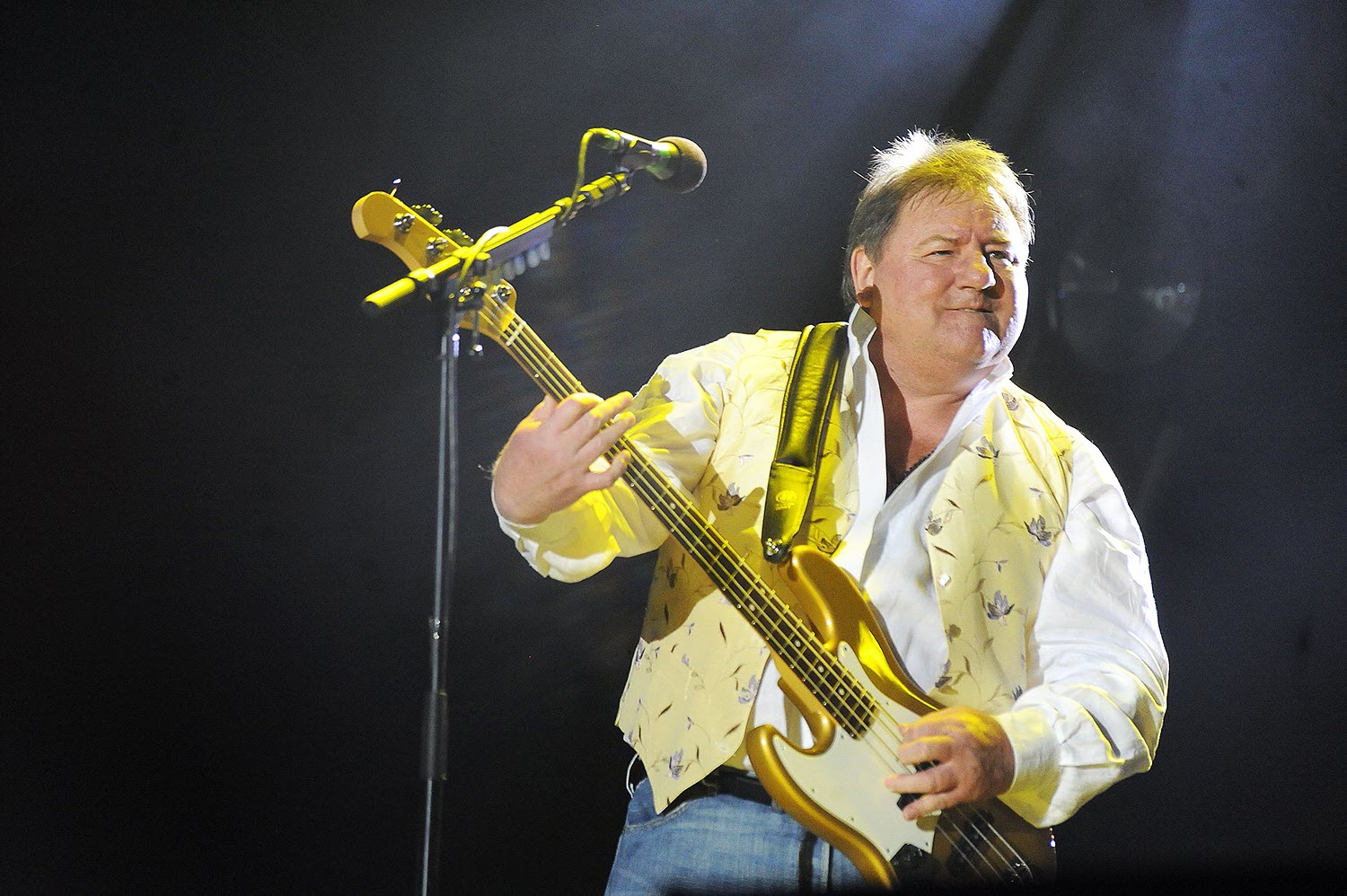
Few bands in the history of progressive rock can rival the legendary Emerson, Lake & Palmer (ELP). With their intricate compositions, dazzling virtuosity, and groundbreaking fusion of classical, jazz, and rock, ELP created a soundscape that transcended genres and defined an era. Their music was a daring adventure into uncharted creative territory, combining Keith Emerson’s keyboard wizardry, Greg Lake’s haunting vocals and melodic bass, and Carl Palmer’s thunderous drumming.
From epic suites that feel like symphonies to emotionally charged ballads that tug at the heartstrings, ELP’s catalog is a treasure trove of musical brilliance. But which songs truly stand out as their most iconic? In this article, we embark on a journey through the band’s most beloved tracks—songs that have stood the test of time and cemented their place in the pantheon of rock.
Whether you’re a lifelong fan eager to relive the magic or a curious newcomer looking to discover what makes ELP so extraordinary, this list will showcase the artistry, innovation, and sheer passion that made them legends. So, crank up the volume, let the Hammond organ roar, and prepare to be mesmerized by the top 10 most popular Emerson, Lake & Palmer songs of all time!
1. Lucky Man (1970)
“Lucky Man” stands as one of Emerson, Lake & Palmer’s most enduring and heartfelt songs, featured on their groundbreaking debut album. Written by Greg Lake when he was just a teenager, the track carries a timeless simplicity that contrasts beautifully with the band’s usual complexity. At first glance, it tells the tale of a man who had everything—wealth, status, and admiration—but it ends on a tragic note, revealing the fleeting nature of worldly success. Lake’s warm, reflective vocals are supported by a gentle acoustic guitar, creating a melancholic and introspective atmosphere. What truly elevates the song into prog-rock history, however, is Keith Emerson’s unforgettable Moog synthesizer solo that closes the piece. This was one of the first uses of the Moog in rock music and became a defining moment for the genre. The soaring, spacey sounds Emerson conjures up helped usher in a new era of musical experimentation. Despite its relatively straightforward structure compared to the rest of ELP’s catalog, “Lucky Man” resonated with a wide audience and became one of their most commercially successful tracks, a testament to its emotional depth and innovative spirit.
2. Karn Evil 9 (1973)
“Karn Evil 9” is arguably ELP’s magnum opus, an audacious and sprawling epic from the Brain Salad Surgery album that pushed the limits of what progressive rock could achieve. Clocking in at nearly 30 minutes across multiple “impressions,” this sci-fi-themed suite is a dazzling showcase of the band’s ambition, virtuosity, and imagination. The opening line—“Welcome back my friends to the show that never ends”—has become iconic, immediately pulling listeners into a surreal carnival of sound and vision. Each movement unfolds like a new act in a futuristic rock opera, filled with apocalyptic visions, artificial intelligence, and existential questions. Keith Emerson’s dazzling keyboard work is at its peak here, as is Carl Palmer’s thunderous drumming and Greg Lake’s commanding vocal presence. The music shifts from bombastic to hauntingly melodic, and back again, never staying in one place for too long. “Karn Evil 9” is not just a song—it’s an experience, one that requires the listener’s full attention and rewards repeated listens. It remains a towering achievement in progressive rock, cementing ELP’s legacy as sonic pioneers unafraid to take bold, theatrical risks.
3. From the Beginning (1972)
“From the Beginning” is one of Emerson, Lake & Palmer’s most beautifully understated tracks, taken from their third studio album, Trilogy. Written and sung by Greg Lake, the song offers a more intimate and reflective side of the band that contrasts with their usual grandeur. The track opens with a delicate acoustic guitar riff, gently unfolding into a warm and introspective ballad about vulnerability, uncertainty, and the passage of time. Lake’s vocals are soothing yet tinged with melancholy, perfectly capturing the emotional ambiguity of the lyrics. As the song progresses, subtle layers are added—light percussion from Carl Palmer and atmospheric synth flourishes from Keith Emerson—that build the piece without overwhelming its quiet strength. It’s a song that’s less about technical showmanship and more about emotional resonance. “From the Beginning” became a fan favorite and one of the band’s most radio-friendly singles, showing that ELP could excel in simplicity just as much as in complexity. It stands as a reminder that progressive rock isn’t always about long solos and elaborate compositions—it can also be deeply personal, heartfelt, and quietly powerful.
4. Fanfare for the Common Man (1977)
With their 1977 rendition of “Fanfare for the Common Man,” ELP transformed Aaron Copland’s iconic orchestral work into a monumental rock anthem. Featured on their album Works Volume 1, the track serves as both a tribute to classical music and a bold statement of progressive rock’s scope. Keith Emerson’s majestic synthesizers bring a celestial energy to the piece, while Carl Palmer’s commanding drums add a dynamic pulse that reimagines Copland’s dignified original in a totally new light. The band stretches the composition into a nearly 10-minute instrumental journey, adding improvisational flair, experimental textures, and a sense of grandeur that befits the title. The track feels like a celebration—of music, of humanity, and of the spirit of innovation. It’s easy to see why it resonated with audiences during the late ’70s, as its blend of classical sophistication and rock bravado captured the era’s appetite for fusion and experimentation. “Fanfare for the Common Man” went on to become a concert staple and one of ELP’s signature pieces, further proving that their ability to blend genres wasn’t just clever—it was revolutionary.
5. Tarkus (1971)
“Tarkus” is a 20-minute progressive rock juggernaut that defines the adventurous spirit of Emerson, Lake & Palmer. Featured as the title track of their second album, this sprawling suite is both a musical and conceptual triumph. Broken into seven distinct movements, “Tarkus” takes listeners on a vivid journey through themes of war, evolution, and destruction—represented by the bizarre yet iconic creature on the album cover: half armadillo, half tank. The piece begins with a relentless instrumental attack, led by Keith Emerson’s searing Hammond organ and Moog synths, supported by Carl Palmer’s explosive drumming. Greg Lake’s vocals bring a sense of drama and narrative cohesion, tying together the fantastical imagery with real-world allegories. The suite transitions fluidly between heavy, aggressive passages and more meditative, melodic sections, showcasing the trio’s ability to blend classical influences with rock intensity. “Tarkus” is not just a song—it’s a full-blown sonic adventure that demands attention and interpretation. For many fans and critics, it’s the centerpiece of ELP’s discography, a track that pushed the boundaries of what rock music could express. Complex, challenging, and utterly unique, “Tarkus” remains a benchmark in the world of progressive rock epics.
6. Still… You Turn Me On (1973)
“Still… You Turn Me On” is one of Emerson, Lake & Palmer’s most delicate and emotionally resonant tracks. Found on their Brain Salad Surgery album, it stands out as a gentle ballad amidst an otherwise intense and experimental record. Written and sung by Greg Lake, the song features poetic lyrics that speak of love, vulnerability, and longing, delivered with a soft yet passionate vocal performance. The acoustic guitar is front and center, setting a romantic tone that’s enhanced by subtle touches of electric instrumentation and synthesizer textures. While the rest of the album ventures into bombastic territory, this track offers a breath of intimacy and simplicity. Its refrain—“You turn me on”—is direct yet haunting, expressing a deep emotional connection that’s both universal and personal. Carl Palmer’s percussion is restrained and tasteful, allowing the focus to remain on melody and mood. Though not released as a single, the song has become a fan favorite and often serves as a reminder of the band’s ability to convey heartfelt emotion with elegance. “Still… You Turn Me On” may not be the most complex ELP song, but it’s certainly one of their most beautiful.
7. The Barbarian (1970)
“The Barbarian” kicks off Emerson, Lake & Palmer’s debut album with raw energy and a sense of aggressive innovation. An instrumental reworking of Béla Bartók’s Allegro Barbaro, the track is a thunderous introduction to the band’s fusion of classical music and progressive rock. Right from the first note, Keith Emerson’s distorted Hammond organ growls with primal force, while Carl Palmer’s pounding drums and Greg Lake’s growling bass give the piece a muscular, almost menacing presence. What could have remained a simple classical tribute is transformed into a heavy, almost proto-metal experience. The arrangement is full of rhythmic shifts and dynamic contrasts—going from thunderous, stomping passages to quiet, eerie interludes—keeping listeners on edge and engaged. For a band just stepping onto the scene, “The Barbarian” made a bold statement: this was music that respected the past but wasn’t afraid to completely reinvent it. With no lyrics and no restraint, the song served as a mission statement for ELP’s genre-defying ambitions. It’s a thrilling, concise explosion of sound that showed the world what Emerson, Lake & Palmer were capable of right out of the gate.
8. Trilogy (1972)
The title track from Trilogy is a shining example of ELP’s ability to weave complexity and beauty into a cohesive, emotional journey. “Trilogy” begins with a lush, romantic piano passage by Keith Emerson, offering a sense of tenderness and introspection. Greg Lake’s vocals enter with grace and vulnerability, drawing listeners into a story of love, tension, and emotional longing. As the song progresses, the mood shifts dramatically—Emerson’s serene keys give way to intricate time signatures and an increasingly frenetic pace, demonstrating the trio’s virtuosic interplay. The instrumental middle section becomes a whirlwind of synthesizer flourishes and energetic rhythms, with Carl Palmer’s drumming anchoring the chaos with precision and flair. Eventually, the song circles back to its original melodic themes, creating a sense of emotional closure. What makes “Trilogy” particularly compelling is how it balances structure and spontaneity—it feels both carefully composed and wildly expressive. This dynamic range, from soft balladry to explosive prog theatrics, captures the full range of ELP’s musical vision. “Trilogy” remains a fan favorite and a showcase of what made the band special: emotional depth matched by instrumental brilliance.
9. Knife-Edge (1970)
“Knife-Edge” is one of the standout tracks from ELP’s debut album, blending classical influence with hard rock intensity in a way only they could. Based loosely on pieces by Janáček and Bach, the song begins with a brooding, ominous tone that sets the stage for a thrilling ride. Greg Lake’s vocals are commanding and full of tension, singing of instability and impending doom—a reflection, perhaps, of the socio-political anxieties of the time. Keith Emerson’s Hammond organ is fierce and unrelenting, driving the song forward with sharp riffs and dramatic flourishes. Carl Palmer’s drumming provides a martial beat that enhances the sense of urgency and unease. The classical passages are seamlessly integrated, not as mere quotations, but as building blocks for a modern rock composition that feels cohesive and urgent. “Knife-Edge” walks the line between control and chaos, reflecting its title both musically and thematically. It was a bold move for a debut album, signaling that ELP were unafraid to merge the sophistication of classical music with the raw power of rock. The result is a dark, riveting track that continues to captivate fans with its intensity and complexity.
10. Jerusalem (1973)
ELP’s rendition of “Jerusalem” is a stirring and ambitious adaptation of the beloved English hymn, based on William Blake’s visionary poem and set to music by Sir Hubert Parry. Featured on their Brain Salad Surgery album, the track represents the band’s deep respect for tradition as well as their desire to reinterpret it through a modern, progressive lens. From the opening organ chords, Keith Emerson invokes the grandeur of a cathedral, while Greg Lake’s voice soars with both reverence and strength. The arrangement is powerful and stately, with Carl Palmer’s drumming lending a subtle yet steady drive that keeps the piece grounded in rock. Emerson’s use of the church organ and synthesizers gives the track a majestic, almost cinematic quality. It was a bold move to tackle such a sacred and iconic song, and though it stirred some controversy at the time, the band’s version is now regarded as a respectful and innovative tribute. ELP didn’t just cover “Jerusalem”—they reimagined it, giving it new energy and relevance. It remains one of the most unique interpretations of the hymn and a proud moment in the band’s career.

Edward Tomlin is a frequent contributor to Singers Room. Since 2005, Singersroom has been the voice of R&B around the world. Connect with us via social media below.









