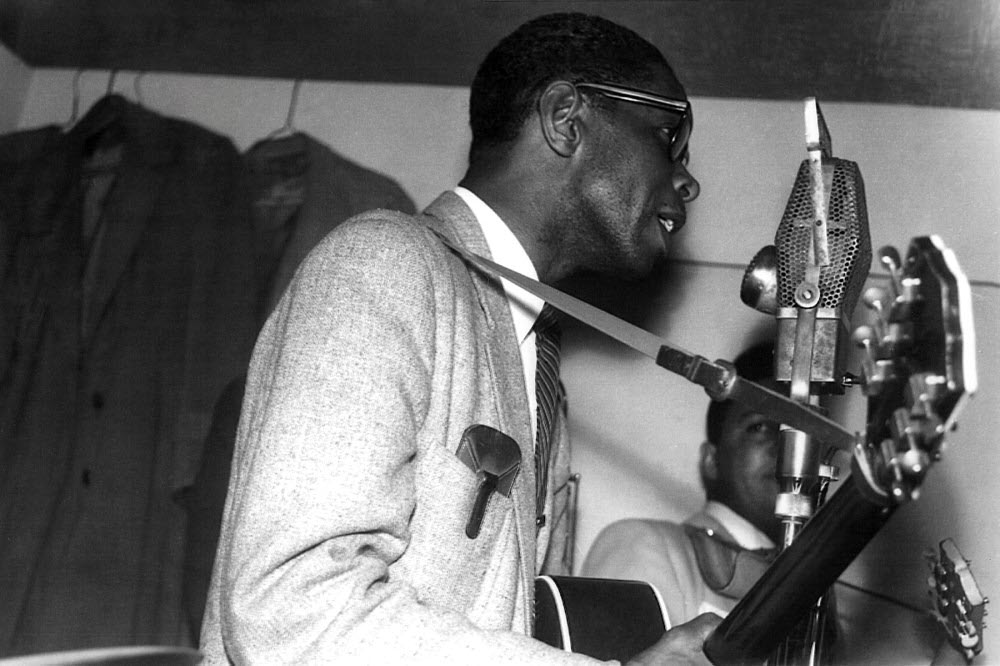
Few musicians have left as indelible a mark on the blues as Elmore James, the undisputed “King of the Slide Guitar.” With his raw emotional power, electrifying riffs, and soulful voice, James didn’t just play the blues—he lived it. His music, often described as a heart-to-heart conversation between man and instrument, has influenced generations of artists, from Eric Clapton to The Rolling Stones. Though his career was tragically cut short, the legacy of Elmore James endures through the timeless masterpieces he left behind.
In this article, we dive into the top 10 most popular Elmore James songs of all time—tracks that showcase his unparalleled talent and have stood the test of time. From the fiery slide guitar anthem “Dust My Broom” to the heart-wrenchingly soulful “The Sky Is Crying,” each song carries the raw intensity and passion that defined his career. Whether you’re a longtime fan or new to his music, this list will transport you to the smoky juke joints and vibrant blues scenes of the early 20th century. So grab your headphones, turn up the volume, and prepare to rediscover the magic of a true blues pioneer—Elmore James.
1. Dust My Broom (1951)
“Dust My Broom” is the definitive Elmore James track, the one that introduced the world to his explosive slide guitar sound. Based on Robert Johnson’s 1936 Delta blues original, James reimagined it with an electrified edge that would go on to influence generations of blues and rock musicians. Released in 1951 on Trumpet Records, the song opens with that now-legendary slide guitar riff—sharp, ringing, and instantly recognizable. That riff didn’t just become Elmore James’ signature—it helped shape the very language of modern blues guitar. Lyrically, the song tells the story of a man leaving behind betrayal and heartbreak, sweeping the past away like dust from a broom. There’s a power in James’ voice that conveys both pain and determination, making it more than just a breakup song—it’s a declaration of moving on. “Dust My Broom” became a national R&B hit and marked the beginning of James’ influential career. Its impact can be heard in the work of everyone from Muddy Waters and B.B. King to The Rolling Stones. Even today, that iconic riff still sparks something raw and electric. This song didn’t just introduce Elmore James—it announced the arrival of a new kind of blues.
2. The Sky Is Crying (1959)
“The Sky Is Crying” is one of Elmore James’ most emotionally charged songs—a slow, sorrowful blues number that cuts right to the heart. Released in 1959, the song captures the feeling of loss with aching simplicity. It begins with the weeping sound of James’ slide guitar, mimicking the falling rain and setting a melancholy tone. As his voice joins in, you can feel the grief in every line: this isn’t just music, it’s mourning. The lyrics speak of heartbreak and longing, using the metaphor of the crying sky to reflect the tears of a broken man. There’s a poetic beauty to it—minimal but powerful. James’ performance is restrained but soulful, never overdone, letting the raw emotion carry the song. The guitar work is masterful, dripping with feeling and perfectly complementing the vocals. This song has become a blues standard, covered by legends like Stevie Ray Vaughan, Albert King, and Eric Clapton. Yet it’s James’ version that remains the most haunting. “The Sky Is Crying” is more than just a sad song—it’s a timeless expression of grief, delivered with soul and sincerity. It’s blues at its most vulnerable, and all the more powerful because of it.
3. It Hurts Me Too (1957)
“It Hurts Me Too,” released in 1957, is a soulful, slow-burning ballad that showcases Elmore James’ ability to convey deep emotion with simplicity. Originally written and recorded by Tampa Red, James made the song his own with a heart-wrenching vocal performance and his signature slide guitar. The song is built around a theme of quiet, selfless love—watching someone you care about suffer in a relationship, and feeling their pain as your own. There’s a tenderness in James’ delivery that’s both gentle and heartbreaking. His guitar doesn’t scream here—it sighs, moans, and speaks volumes between verses. The slow tempo allows every note and word to breathe, giving the song a meditative, emotional pull. What makes this track so special is its vulnerability. It’s not about betrayal or anger, but empathy and compassion. That kind of emotional maturity isn’t always present in blues music of the era, and James delivers it with grace. “It Hurts Me Too” became one of his most enduring songs and has been covered by dozens of artists over the decades. It remains a staple in the blues canon because it taps into something universal—loving someone enough to feel their heartbreak as if it were your own.
4. Shake Your Moneymaker (1961)
“Shake Your Moneymaker,” released in 1961, is Elmore James at his most energetic and fun-loving. Unlike his more mournful tracks, this one is all about movement, rhythm, and celebration. From the first few seconds, the driving beat and gritty slide guitar come barreling in, daring you not to dance. It’s a short, punchy blues rocker that feels tailor-made for a crowded juke joint on a Saturday night. James’ vocal is full of swagger and playful urgency, urging the listener to let loose and “shake what you got.” It’s an unapologetic party anthem that fuses blues with the emerging sound of rock ‘n’ roll. While the lyrics are simple and repetitive, that’s exactly the point—it’s not about storytelling, it’s about groove. The song’s infectious rhythm and raw energy have made it a favorite for blues bands and rock acts alike. The Black Crowes even named their debut album after it. “Shake Your Moneymaker” shows that blues doesn’t always have to be about pain—it can also be about joy, release, and living in the moment. It’s one of Elmore James’ most recognizable tracks, and its vibrant spirit keeps it alive decades after its release.
5. I Can’t Hold Out (1960)
“I Can’t Hold Out,” also widely known as “Talk to Me Baby,” was recorded in 1960 and stands as one of Elmore James’ most compelling performances. The song combines urgency, desire, and heartbreak into a three-minute blast of blues brilliance. Built around a steady, upbeat groove, it features James pleading for communication and connection—something as simple as a conversation becomes a desperate need. His voice, filled with longing and frustration, gives weight to each lyric. The phrase “I can’t hold out much longer” isn’t just a line—it’s a cry for emotional rescue. Musically, the track is a showcase for James’ powerful slide guitar work, which cuts through the mix with sharp, expressive lines. The guitar almost sounds like it’s echoing his emotional state—raw, intense, and relentless. “I Can’t Hold Out” has a vibrant energy that separates it from more traditional, down-tempo blues tracks. It feels like a crossroads between traditional blues and early rock ‘n’ roll, with a tempo and rhythm that keeps things moving. Over the years, it has become a fan favorite and a standard for blues musicians, who continue to cover it in tribute to James’ enduring influence.
6. Rollin’ and Tumblin’ (1959)
Elmore James’ 1959 version of “Rollin’ and Tumblin’” is a fiery interpretation of a blues standard that dates back to the early Delta blues tradition. Originally recorded by Hambone Willie Newbern in 1929 and popularized by Muddy Waters, the song has been passed down and reimagined by many artists. But James brought something entirely his own—a searing slide guitar attack and a vocal delivery that practically bursts with urgency. His take on the tune is electric, raw, and emotionally charged. The lyrics are full of pain and frustration, speaking of a man who’s been wronged and can’t find peace. What makes James’ version stand out is how his guitar matches the emotion in his voice—it tumbles, howls, and crashes like a storm. The rhythm is relentless, driving the song forward like a runaway train. Though rooted in the blues tradition, James’ version leans into the growing power of electric blues and hints at the energy that would define rock ‘n’ roll. “Rollin’ and Tumblin’” in James’ hands is more than a cover—it’s a transformation. His version helped bridge the gap between past and present, reminding listeners of where the blues came from and where it was going.
7. Standing at the Crossroads (1954)
Released in 1954, “Standing at the Crossroads” is a haunting, evocative blues track that taps into one of the genre’s most enduring themes: the metaphor of the crossroads. Often associated with the legendary Robert Johnson and the folklore of making a deal with the devil, the crossroads represent moments of deep uncertainty, decision, and fate. Elmore James brings his own perspective to this mythic image, pairing it with a mournful vocal performance and a deeply resonant slide guitar line. The lyrics reflect a man who is searching—torn between paths, questioning what comes next, and feeling the weight of choice pressing down on him. James’ voice is steady but heavy, filled with soul and seriousness, as if he knows the consequences of whichever road he takes. The guitar work mirrors that inner turmoil with long, wailing slides that echo like distant cries. “Standing at the Crossroads” stands out in James’ catalog for its introspective tone and lyrical depth. It’s not just a great blues song—it’s a spiritual and emotional statement. This track captures the essence of the blues: wrestling with life’s biggest questions through music that hits you in the gut and stays with you long after.
8. Look on Yonder Wall (1961)
“Look on Yonder Wall,” released in 1961, brings a more playful, cheeky energy to Elmore James’ blues repertoire. The song combines a swinging rhythm with clever lyrics that hint at love triangles and risky business. With its upbeat tempo and sly storytelling, it’s a blues number that doesn’t dwell in sorrow but instead winks at life’s complicated situations. James delivers the vocals with a grin in his voice, narrating the story of a man moving in on someone else’s woman while her man is away at war. There’s tension in the lyrics, but it’s wrapped in humor and swagger. His slide guitar work here is especially lively—sharp, bouncing, and dancing between verses with the same mischief as the song’s narrative. The groove is irresistible, making it a favorite among blues dancers and musicians alike. “Look on Yonder Wall” showcases another side of Elmore James—not just the brooding bluesman but the entertainer, capable of making the crowd laugh, dance, and sing along. Over time, the track has been covered by many artists and remains a testament to how blues can tell a story that’s both sly and soulful. It’s a standout for its blend of wit and musicianship.
9. Done Somebody Wrong (1960)
“Done Somebody Wrong,” released in 1960, is one of Elmore James’ most memorable songs, blending classic blues themes with his unique energy and style. The lyrics revolve around guilt, heartbreak, and personal failure—feelings that blues music often explores but rarely with the kind of emotional punch James delivers. His voice is heavy with regret, and the guitar answers back with stinging, sorrowful riffs that mirror the pain in the words. It’s a deeply human song—about messing up, knowing it, and feeling the weight of that mistake. James doesn’t try to dress up the sentiment; instead, he lays it bare with raw honesty. His slide guitar, as always, plays a central role, expressing things that words alone can’t capture. The song found renewed life in the hands of The Allman Brothers Band, who helped introduce it to a rock audience in the 1970s. But no version quite captures the aching simplicity of James’ original. “Done Somebody Wrong” stands as a perfect example of how the blues can take personal pain and turn it into something powerful and lasting. It’s a confession wrapped in music, and its emotional truth continues to resonate with listeners decades later.
10. Stranger Blues (1962)
“Stranger Blues,” released in 1962, closes out Elmore James’ recording career on a high note, serving as one of his most narrative-driven and musically engaging tracks. The song tells the story of a man who feels out of place, lost in a world that doesn’t feel like home. It’s a theme that many can relate to—feeling like a stranger in a strange land, disconnected from one’s roots and longing for familiarity. James delivers the lyrics with conviction, painting a vivid picture of loneliness and displacement. His voice carries both frustration and resilience, while his signature slide guitar adds a restless energy that perfectly matches the theme. The rhythm is more upbeat than the lyrics might suggest, giving the song a driving force that keeps it from sinking into despair. “Stranger Blues” shows James’ ability to evolve as a songwriter, incorporating more storytelling into his work without sacrificing his signature sound. It became a favorite among musicians in the blues-rock world and was later covered by artists like Johnny Winter and Fleetwood Mac. The song remains a testament to James’ talent for blending personal emotion with universal themes, all while keeping the music alive with fiery, soulful energy.

Edward Tomlin is a frequent contributor to Singers Room. Since 2005, Singersroom has been the voice of R&B around the world. Connect with us via social media below.









