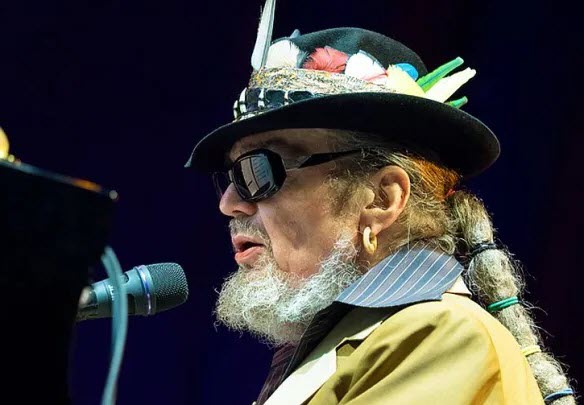
Few artists embody the soul of New Orleans like the legendary Dr. John. With his gravelly voice, mystical stage presence, and genre-blurring sound, Dr. John, born Mac Rebennack, carved a unique place in music history. From the swampy rhythms of voodoo funk to the jazzy blues grooves that defined a generation, his career is a kaleidoscope of sonic innovation and cultural homage. Over the decades, Dr. John enchanted audiences with spellbinding performances and an unmistakable blend of blues, jazz, funk, and rock ‘n’ roll.
In this article, we’re diving deep into the heart of his musical legacy to uncover the top 10 most popular Dr. John songs of all time. These tracks are more than just hits—they’re anthems that capture the soul of the Crescent City and the genius of the Night Tripper himself. Whether you’re a longtime fan or new to his spellbinding sound, this list celebrates the timeless artistry of one of music’s most iconic figures. So, grab your beads, light some candles, and join us on a magical, musical journey as we explore the very best of Dr. John. Let the good times roll!
1. I Walk on Guilded Splinters (1968)
“I Walk on Guilded Splinters” is the dark, mysterious heartbeat of Dr. John’s debut album Gris-Gris (1968), and it’s arguably the most iconic track he ever recorded. From the moment it begins, the song casts a spell. With its eerie incantations, swampy percussion, and psychedelic haze, it sounds like something conjured deep in the Louisiana bayou under a full moon. Dr. John, channeling his voodoo-inspired alter ego, the Night Tripper, delivers a vocal that feels more like a ritual chant than a conventional performance. His gravelly voice drips with menace and mysticism, drawing you into a hypnotic groove that never lets up. The track’s brooding atmosphere, punctuated by sparse guitar and ominous drums, gives it a timeless, otherworldly quality that still feels daring decades later. More than just a song, “I Walk on Guilded Splinters” is a sonic experience—moody, mesmerizing, and dripping with Southern Gothic charm. It’s the perfect introduction to Dr. John’s unique blend of voodoo funk, psychedelic blues, and New Orleans soul, and it remains one of the most compelling and strange pieces of music to come out of the late 1960s.
2. Right Place, Wrong Time (1973)
“Right Place, Wrong Time” is Dr. John’s most recognizable hit, and for good reason—it’s a perfect storm of funky grooves, sharp lyrics, and undeniable swagger. Released in 1973 as the lead single from In the Right Place, the track captures the offbeat, unpredictable charm that defines Dr. John’s style. Built on a deep funk rhythm laid down by the legendary Meters, and polished with Allen Toussaint’s expert production, the song is both slick and gritty. Lyrically, Dr. John rattles off a series of witty, ironic observations about life’s misfires and personal quirks, delivering lines like “I been in the right place, but it must have been the wrong time” with a smirk and a swing. His voice oozes cool, and the horn section punches through with a joyful urgency that makes the track feel like a street parade in motion. It became a Top 10 hit and brought Dr. John out of the underground and into the mainstream. Despite its commercial appeal, “Right Place, Wrong Time” retains the idiosyncratic spirit that makes Dr. John such a beloved figure—a funky philosopher navigating life’s weird rhythms.
3. Such a Night (1973)
“Such a Night” is a charming, rollicking love song that captures the more playful side of Dr. John. Released in 1973 on the album In the Right Place, this tune is drenched in New Orleans flavor, from its rolling piano lines to its swinging rhythm section. Dr. John sings with a wink and a grin, recalling a night of romantic mischief and unplanned passion. The lyrics are light-hearted and vivid, evoking the glow of streetlamps and the magic of a chance encounter. Musically, the track is irresistibly upbeat, driven by a bouncy piano and a steady, infectious groove. There’s a sense of spontaneity and joy in the performance that makes it feel like a celebration as much as a song. “Such a Night” gained even more prominence when Dr. John performed it at The Last Waltz, the legendary farewell concert by The Band. His swaggering delivery during that performance won over a whole new audience and cemented the song’s place as one of his signature moments. It’s a feel-good anthem with a timeless swing, perfect for weddings, parties, or anyone caught in the memory of a magical night.
4. Gris-Gris Gumbo Ya Ya (1968)
“Gris-Gris Gumbo Ya Ya” is the eerie, incantatory opener to Dr. John’s groundbreaking debut album Gris-Gris (1968), and it sets the tone perfectly for everything that follows. This track isn’t a conventional song—it’s more of a mood, a ritual, a whispered invitation into the dark corners of New Orleans mysticism. Dr. John doesn’t so much sing as speak, invoking the spirits with a rhythmic, voodoo-laced monologue over slow-burning tribal percussion and surreal sound effects. The title itself is a blend of local Creole and voodoo slang, suggesting both a magical spell and a musical stew of cultural influences. As the layers build, you can almost feel the heat and humidity of the bayou creeping into the room. It’s spooky, theatrical, and mesmerizing. “Gris-Gris Gumbo Ya Ya” introduces Dr. John’s “Night Tripper” persona in full force—an eccentric, shamanic figure with one foot in the blues and the other in the supernatural. The track doesn’t just start an album; it summons a whole atmosphere. For many, this was their first taste of the strange, sultry magic that defined Dr. John’s early sound, and it still hits like a spell being cast.
5. Mama Roux (1968)
“Mama Roux,” from Dr. John’s debut album Gris-Gris (1968), is a wonderfully funky and bizarre track that captures his signature blend of storytelling, rhythm, and New Orleans mysticism. It tells the tale of the mysterious Mama Roux, a larger-than-life character steeped in folklore and swagger. With its swampy backbeat, call-and-response vocals, and creeping bass line, the song moves like a second-line parade through a haunted alley. Dr. John’s gritty vocals draw the listener into the story as if he’s spinning it around a fire deep in the Louisiana bayou. The track combines traditional New Orleans funk with psychedelic flair, creating a sound that feels at once vintage and ahead of its time. The horns add a playful punch, while the percussion keeps things slinky and hypnotic. It’s a perfect example of how Dr. John could fuse groove with mythology, crafting songs that were as theatrical as they were danceable. “Mama Roux” is mischievous, melodic, and deeply rooted in the gumbo of Southern culture. It’s more than a song—it’s a character sketch, a party, and a piece of folklore wrapped into one funky package.
6. Qualified (1973)
“Qualified,” from Dr. John’s In the Right Place (1973), is a swagger-filled statement of confidence delivered with his unmistakable funk flair. Right from the opening groove, the track sets a high-energy tone that showcases Dr. John’s cool, self-assured persona. It’s built on a tight, syncopated rhythm section and drenched in brass, with a funky backbone courtesy of The Meters—New Orleans’ most legendary rhythm outfit. The lyrics are playful and defiant, as Dr. John boasts about his readiness for love and life, insisting he’s “qualified” to handle whatever comes his way. His gravelly voice oozes charisma, delivering every line with a blend of humor and streetwise attitude. Allen Toussaint’s slick production keeps everything sharp and cohesive, letting each instrumental flourish shine without overpowering the groove. What makes “Qualified” stand out is its balance of grit and polish—it’s funky enough for the dancefloor but clever enough for a closer listen. The song captures Dr. John at his most charming and cocksure, riding the wave of ‘70s funk with a sound that still feels vibrant today. It’s the kind of track that makes you want to strut just a little harder when it plays.
7. Iko Iko (1972)
Dr. John’s version of “Iko Iko,” from his 1972 album Dr. John’s Gumbo, breathes new fire into this Mardi Gras classic. Rooted in New Orleans street tradition and originally popularized by The Dixie Cups, “Iko Iko” is a call-and-response anthem that’s been shouted in parades and second lines for generations. Dr. John, ever the cultural ambassador of the Crescent City, gives it his own spin with spirited piano playing, rich horn arrangements, and a vocal performance that blends reverence with raw energy. He doesn’t just cover the song—he inhabits it. His delivery is festive and grounded, drawing from the rhythm of the streets and the soul of his city. The track pulses with carnival energy, making it impossible not to tap your foot or shout along with the chorus. In Dr. John’s hands, “Iko Iko” becomes more than a party tune—it’s a celebration of New Orleans heritage, a tribute to the people and sounds that shaped him. It’s joyful, infectious, and deeply rooted in local culture, capturing the timeless spirit of Mardi Gras in every note.
8. Big Chief (1972)
“Big Chief,” from Dr. John’s Gumbo (1972), is a thunderous, rollicking tribute to one of New Orleans’ most iconic figures—the Mardi Gras Indian. Originally composed by Earl King and made famous by Professor Longhair, this version of “Big Chief” explodes with energy under Dr. John’s command. From the very first piano flourish, you’re hit with a wave of rhythm and soul. Dr. John pounds out Professor Longhair’s signature rhythmic style on the keys with precision and flair, while a brass section erupts in joyful bursts that mimic the chaos and color of a Mardi Gras parade. His vocal delivery is raw and animated, capturing the spirit of the street celebrations where “Big Chief” has long been a staple. Every element of this track is steeped in tradition, but Dr. John’s version breathes new life into it with fresh energy and vibrant production. It’s both a homage and a reimagining, paying respect to his musical forebears while letting his own personality shine through. “Big Chief” is more than a song—it’s a cultural explosion, a love letter to the spirit of New Orleans in full feathered regalia.
9. Mac’s Boogie (1981)
“Mac’s Boogie,” released in 1981 on Dr. John Plays Mac Rebennack, is a full-on showcase of Dr. John’s jaw-dropping talent on the piano. A pure instrumental track, it strips away the costumes, characters, and theatricality to spotlight the raw musicianship of the man behind the magic—Mac Rebennack himself. The piece is an exhilarating ride through the world of boogie-woogie and New Orleans piano tradition, with every note full of bounce, groove, and rhythmic inventiveness. Dr. John’s fingers dance effortlessly across the keys, shifting between fiery runs and steady bass-driven rhythms, showing his command of both speed and soul. It’s a performance that calls back to legends like Professor Longhair and Fats Domino, but with Dr. John’s own unique touch—slightly rougher around the edges, always alive with personality. “Mac’s Boogie” is one of those rare instrumentals that tells a story without a single lyric, just the sound of a piano talking. It reminds listeners that beyond the voodoo mystique and gravelly vocals, Dr. John was a virtuoso who could dazzle purely on skill. It’s a deep cut worth revisiting for anyone who appreciates the craft of real piano playing.
10. Let the Good Times Roll (1972)
Dr. John’s take on “Let the Good Times Roll,” from his 1972 album Dr. John’s Gumbo, is a jubilant invitation to kick back and enjoy life, New Orleans style. This classic tune, originally made famous by Shirley and Lee, is given a vibrant, soulful makeover by Dr. John, who infuses it with his trademark swampy piano grooves and effortless charm. From the very first chord, the track radiates warmth and celebration. The horn section blares with joy, the rhythm section keeps the party moving, and Dr. John’s voice—gritty and full of life—leads the way like a host at the world’s most laid-back gathering. There’s a relaxed confidence in his delivery that makes you feel like you’re in good hands, whether you’re on a dance floor or sitting on a porch with friends. “Let the Good Times Roll” isn’t just a song—it’s a mindset, one that Dr. John embodied throughout his career. His version pays homage to his musical roots while making the message timeless: enjoy the moment, savor the groove, and never underestimate the healing power of good music and good company.

Edward Tomlin is a frequent contributor to Singers Room. Since 2005, Singersroom has been the voice of R&B around the world. Connect with us via social media below.









