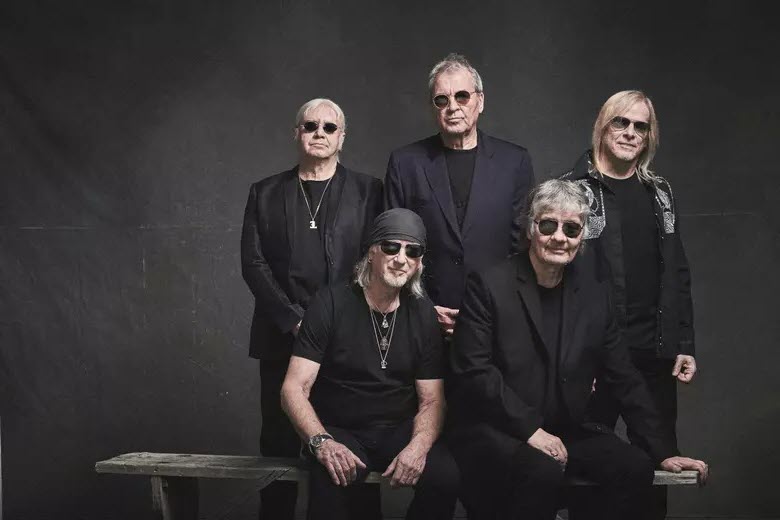
Few names in music evoke as much energy, charisma, and raw rock ‘n’ roll spirit as Mick Jagger. As the iconic frontman of The Rolling Stones and an enduring cultural figure, Jagger’s voice and stage presence have defined generations of music lovers. With a career spanning over six decades, his unique ability to fuse bluesy swagger with heart-pounding rock has cemented him as one of the greatest performers in history.
But Mick Jagger is more than just a rock star—he’s a storyteller, a provocateur, and a boundary-pushing artist whose songs have transcended time. From electrifying anthems that make stadiums tremble to emotional ballads that tug at your soul, his music has become a soundtrack to millions of lives.
In this article, we dive into the top 10 most popular Mick Jagger songs of all time—a collection of timeless hits that showcase his unmatched talent and magnetic persona. Whether you’re a lifelong fan or new to his music, these tracks are guaranteed to remind you why Mick Jagger remains one of the most celebrated artists in rock history. So turn up the volume, and get ready to rediscover the magic of these unforgettable classics!
1. Smoke on the Water (1972)
“Smoke on the Water” is undoubtedly Deep Purple’s most legendary track, and it tells a vivid story drawn straight from real life. The song recounts a dramatic event that took place in Montreux, Switzerland, where a Frank Zappa concert was abruptly halted when a fire broke out in the casino they were set to record in. Released in 1972 as part of their seminal album Machine Head, the track’s instantly recognizable guitar riff, crafted by Ritchie Blackmore, has become one of the most iconic and enduring in rock history. Beyond the riff, the song’s lyrics narrate the chaos and aftermath, giving it a raw authenticity that resonates with fans. Ian Gillan’s gritty vocals and the powerful instrumentation make it more than just a recounting—it’s an anthem of resilience and rock ’n’ roll spirit. Over the decades, “Smoke on the Water” has not only become a rite of passage for budding guitarists but also a defining moment for the band, cementing their legacy in the pantheon of rock music.
2. Highway Star (1972)
“Highway Star,” also from the Machine Head album, is an electrifying rush of adrenaline and pure rock energy. Released in 1972, the song captures the thrill of speed and freedom with lyrics celebrating the exhilaration of driving fast and living life on the edge. Ian Gillan delivers a powerful vocal performance, packed with intensity and urgency, that perfectly matches the blistering pace of the music. Ritchie Blackmore’s guitar work on this track is nothing short of spectacular, featuring rapid-fire solos that have inspired countless guitarists. The song’s driving rhythm, combined with Jon Lord’s dynamic organ playing and Ian Paice’s precise drumming, creates a relentless momentum that feels like a high-speed chase. “Highway Star” has become a staple in Deep Purple’s live sets, thrilling audiences with its raw energy and virtuosic musicianship. It’s a quintessential hard rock anthem that celebrates the spirit of speed, freedom, and unrestrained rock ’n’ roll.
3. Child in Time (1970)
“Child in Time” stands as one of Deep Purple’s most ambitious and emotionally intense works. Released in 1970 on the Deep Purple in Rock album, this epic, nearly 10-minute track is a powerful anti-war statement wrapped in a progressive rock masterpiece. Ian Gillan’s vocal journey is breathtaking, starting with a quiet, almost fragile whisper before building into a series of soaring, heart-wrenching screams that express anguish and desperation. The song’s lyrics reflect the turmoil and uncertainty of its era, particularly the Vietnam War, making it a poignant anthem of protest and hope. Jon Lord’s haunting organ melodies create a dramatic backdrop that complements Blackmore’s expressive guitar solos, which evolve from gentle and melodic to fiery and intense. The dynamic shifts and emotional depth make “Child in Time” a landmark in rock history—a track that showcases Deep Purple’s technical skill, emotional range, and willingness to push musical boundaries.
4. Burn (1974)
“Burn,” the title track of Deep Purple’s 1974 album, marks a bold new chapter for the band, introducing the dynamic talents of David Coverdale and Glenn Hughes. This song bursts with fiery energy from the very first note, blending heavy riffs and driving rhythms with powerful, soulful vocals. Coverdale’s commanding voice and Hughes’ gritty backing vocals add layers of depth and passion, giving the track a fresh and revitalized sound. Ritchie Blackmore’s blazing guitar solos provide a perfect balance of melody and aggression, while Jon Lord’s swirling organ textures enhance the song’s intensity. “Burn” captures the spirit of a band reinventing itself without losing its hard rock roots. Its mix of technical prowess, catchy hooks, and raw emotion makes it a standout track and a fan favorite. The song’s enduring appeal lies in its ability to combine power and soul, showcasing Deep Purple’s evolving sound during this transformative period.
5. Perfect Strangers (1984)
“Perfect Strangers” is a striking comeback song that reunited Deep Purple’s classic lineup after nearly a decade apart. Released in 1984, it serves as the title track of their reunion album and carries a mysterious, almost mystical vibe that sets it apart. The song’s lyrics are cryptic and evocative, weaving themes of destiny, memory, and connection, which create an atmospheric and introspective mood. Musically, the track balances heavy rock riffs with lush, atmospheric keyboards from Jon Lord, whose haunting melodies elevate the song’s grandeur. Ritchie Blackmore’s guitar work is precise and powerful, while Ian Gillan’s vocals convey a sense of urgency and depth. The song builds gradually, drawing listeners into its immersive soundscape, making it a memorable highlight of their later career. “Perfect Strangers” stands as proof that Deep Purple could return with the same intensity and creative spark that originally made them legends, bridging the gap between their early years and a new generation of fans.
6. Black Night (1970)
“Black Night,” released as a standalone single in 1970, quickly became one of Deep Purple’s first major hits and remains a beloved classic. The song’s bluesy, catchy riff, reportedly inspired by Rick Nelson’s “Summertime,” is instantly recognizable and laid the foundation for the band’s signature sound. The track combines a driving groove with a memorable chorus that invites listeners to sing along, making it a staple at their live shows. Ian Gillan’s powerful vocals inject the song with a sense of urgency and swagger, while Ritchie Blackmore’s sharp guitar riffs provide a hard-edged complement. “Black Night” captures the raw energy and blues-rock roots of Deep Purple, showcasing their ability to blend melodic hooks with heavy rock. Over the years, it has remained a fan favorite and a quintessential example of the band’s early, electrifying style that helped set them apart in the burgeoning hard rock scene.
7. Space Truckin’ (1972)
From the Machine Head album, “Space Truckin’” is a high-octane hard rock track that combines heavy riffs with playful, science fiction-inspired lyrics. Released in 1972, the song captures the band’s sense of fun and their willingness to explore imaginative themes. Ian Gillan’s energetic vocals drive the song forward, perfectly matching Ritchie Blackmore’s explosive guitar riffs and solos that give it a ferocious edge. The tight rhythm section of Jon Lord on organ and Ian Paice on drums locks in with precision, creating a powerful groove that makes “Space Truckin’” a live favorite. The lyrics, which talk about “space travel” in a metaphorical, tongue-in-cheek way, add to the song’s unique character and charm. With its relentless energy and memorable hooks, “Space Truckin’” stands as a testament to Deep Purple’s ability to blend musicianship with entertaining storytelling in a hard rock format.
8. Hush (1968)
“Hush” was a breakthrough hit for Deep Purple and helped launch their career when it appeared on their debut album Shades of Deep Purple in 1968. Originally written by Joe South, the band made the song their own with a vibrant, infectious groove and Rod Evans’ distinctive vocals. The song’s catchy melody and upbeat tempo made it a favorite on rock radio and brought attention to Deep Purple’s early psychedelic blues-rock style. The infectious rhythm, coupled with energetic guitar riffs and organ lines, creates a dynamic sound that’s both playful and powerful. “Hush” remains a classic example of Deep Purple’s early sound, capturing a youthful exuberance and raw energy that would evolve as the band matured. It’s a song that still resonates today, showcasing the band’s knack for blending catchy hooks with rock intensity right from the start.
9. Lazy (1972)
“Lazy,” from the 1972 Machine Head album, is a brilliant display of Deep Purple’s instrumental skill and blues influences. The track opens with Jon Lord’s playful and expressive keyboard solo, setting a relaxed yet funky tone before the rest of the band kicks in. Ritchie Blackmore’s guitar work throughout the song is both melodic and soulful, perfectly complementing Ian Gillan’s vocals and his unexpected harmonica performance, which adds a unique texture to the track. The song evolves into an extended jam, showcasing the band’s chemistry and technical prowess as they weave through bluesy grooves and improvisations. “Lazy” stands out as a fan favorite, admired not just for its catchy riffs but also for the musicians’ ability to stretch out and explore their musicality in a live setting. It perfectly captures Deep Purple’s fusion of hard rock with blues, jazz, and progressive elements.
10. Fireball (1971)
“Fireball,” the title track of Deep Purple’s 1971 album, is a high-energy hard rock powerhouse that captures the raw spirit of the early ’70s rock scene. The song’s intense pace is driven by Ian Paice’s rapid, dynamic drumming and Ritchie Blackmore’s aggressive guitar riffs. Ian Gillan delivers commanding vocals filled with urgency and attitude, pushing the energy even higher. The track is a whirlwind of tight musicianship and unrelenting drive, with Jon Lord’s organ adding layers of texture and depth. “Fireball” stands out in the band’s catalog for its explosive sound and relentless momentum, a song that perfectly captures the excitement and rebellious spirit of rock music at the time. It remains a favorite among fans for its sheer power and raw intensity, embodying the fire and fury that made Deep Purple a hard rock legend.

Edward Tomlin is a frequent contributor to Singers Room. Since 2005, Singersroom has been the voice of R&B around the world. Connect with us via social media below.









