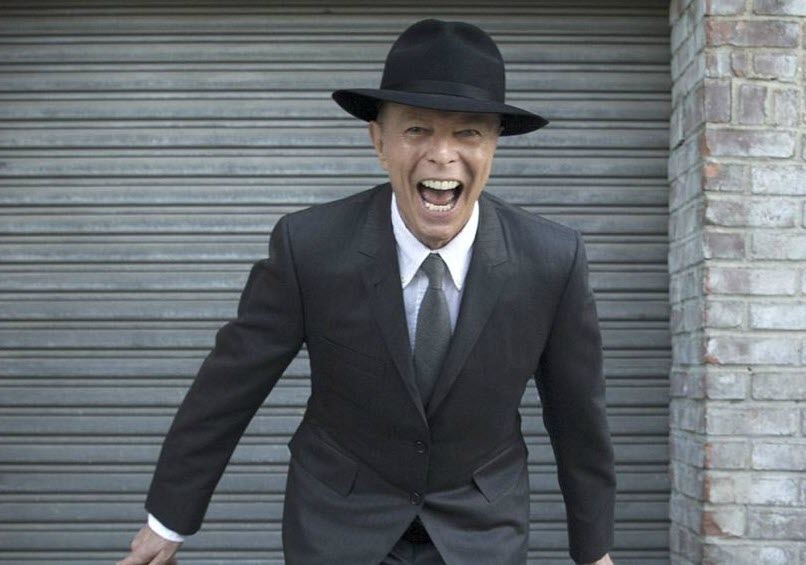
Few artists in music history have shaped culture, art, and sound as profoundly as David Bowie. A true chameleon of creativity, Bowie wasn’t just a musician; he was a revolutionary force that dared to push boundaries, redefine genres, and embrace reinvention with fearless artistry. From his iconic alter-egos like Ziggy Stardust and the Thin White Duke to his deeply introspective later works, Bowie’s career spanned over five decades, captivating fans across generations.
But what truly sets Bowie apart is his ability to craft songs that transcend time. Whether it’s the cosmic allure of “Space Oddity,” the rebellious energy of “Rebel Rebel,” or the haunting beauty of “Heroes,” his music continues to resonate with listeners, providing inspiration, comfort, and a dash of stardust magic. Bowie’s songs are more than just tracks on an album—they’re anthems of individuality, innovation, and human connection.
In this article, we’ll take a journey through Bowie’s incredible discography and count down the top 10 most popular songs that have left an indelible mark on music history. Get ready to experience the magic, the genius, and the unforgettable legacy of one of the greatest icons of all time. Let’s dive in!
1. Space Oddity (1969)
David Bowie’s “Space Oddity” marked a seismic shift in the musical landscape and launched his career into orbit—literally and figuratively. Released just nine days before the Apollo 11 moon landing, the track captivated the world with its tale of Major Tom, a lonely astronaut drifting through the infinite blackness of space. Bowie’s use of space as a metaphor for isolation and detachment tapped into the era’s collective curiosity and anxiety about technology and human destiny. The song’s haunting melody, paired with innovative production and dramatic orchestration, creates a cinematic atmosphere that was unlike anything else on the charts at the time. From the countdown intro to the chilling line “Can you hear me, Major Tom?”, every moment is steeped in emotion and mystery. It’s both intimate and vast, grounding listeners while simultaneously lifting them beyond the stars. “Space Oddity” wasn’t just a song—it was an experience that introduced the world to Bowie’s boundless imagination and fearless creativity. It remains one of the most iconic entries in his discography, setting the stage for a lifetime of innovation and artistic reinvention.
2. Life on Mars? (1971)
“Life on Mars?” is one of David Bowie’s most poetic and visually rich songs, a surreal tapestry of social commentary and personal disillusionment. Released on his 1971 album Hunky Dory, the song juxtaposes cinematic orchestration with cryptic, often abstract lyrics that paint a picture of a world that feels both absurd and heartbreakingly real. Bowie weaves a narrative around a young girl who escapes into the movies to avoid the bleakness of her everyday life. With lines like “It’s on America’s tortured brow / That Mickey Mouse has grown up a cow,” Bowie critiques mass media, fame, and societal contradictions with sharp wit and elegance. Rick Wakeman’s piano arrangement is both dazzling and dramatic, underpinning the song with a classical flair that gives it grandeur. Bowie’s vocal performance is soaring, emotional, and intensely expressive, especially as the song swells into its climactic finale. “Life on Mars?” isn’t just a question—it’s a cry for something greater, a search for meaning in a confusing world. This track captures Bowie at his lyrical best, turning existential angst into musical beauty and leaving listeners both puzzled and moved.
3. Heroes (1977)
Few songs in David Bowie’s catalog carry as much raw emotion and timeless power as “Heroes.” Released in 1977 during his Berlin period, this track became an anthem of hope, love, and fleeting triumph. Inspired by a real-life couple Bowie saw kissing by the Berlin Wall, “Heroes” captures a moment of forbidden affection in a city divided by politics and ideology. Its lyrics are filled with yearning, defiance, and a sense of urgency—“We can be heroes, just for one day” is more than a lyric; it’s a rallying cry. Musically, the song builds layer by layer, from a steady rhythm to a wall of sound that surges with intensity. Bowie’s vocal performance is stunning—he begins with restraint and ends with impassioned desperation, as if he’s pouring every ounce of hope into the song’s final moments. Co-produced by Brian Eno and Tony Visconti, the track features experimental touches and sonic textures that give it a unique edge. “Heroes” has since transcended its time, becoming a symbol of resistance, courage, and fleeting greatness. It’s a reminder that even in the darkest times, love and humanity can shine through.
4. Starman (1972)
“Starman” is the song that truly lit the fuse for David Bowie’s ascent into rock stardom. Released in 1972 as a single from The Rise and Fall of Ziggy Stardust and the Spiders from Mars, this track introduced the world to Bowie’s iconic alter ego—Ziggy, the extraterrestrial rock star sent to save the Earth. With its infectious chorus and glittering glam rock aesthetic, “Starman” carries a message of hope beamed down from the stars to disaffected youth everywhere. The song’s protagonist hears a broadcast from space, suggesting that something—or someone—out there understands and cares. Bowie’s vocals are warm and reassuring, with a subtle theatricality that invites listeners into his dazzling world. Musically, the track blends whimsical melody, acoustic strumming, and a soaring chorus that’s impossible not to sing along to. Its debut performance on Top of the Pops was a cultural milestone, helping to redefine gender norms and expand the boundaries of what pop music could be. “Starman” didn’t just bring Ziggy Stardust to Earth—it brought a whole new galaxy of ideas to rock and roll.
5. Let’s Dance (1983)
With “Let’s Dance,” David Bowie stepped into the 1980s with a bold new sound and a look to match. Released in 1983, the song marked a dramatic shift from his art-rock past into a sleek, danceable fusion of funk, pop, and rock. Produced by Nile Rodgers of Chic, the track is built around a hypnotic groove, punchy horns, and a bright, catchy guitar riff played by blues legend Stevie Ray Vaughan. Bowie’s commanding vocals soar above the polished production, delivering lyrics that blend sensuality with subtle social commentary. Lines like “Put on your red shoes and dance the blues” speak to escapism and the power of music to transform and uplift. The track was a massive hit worldwide, turning Bowie into a pop icon for a new generation and bringing his music to clubs and radio stations everywhere. “Let’s Dance” wasn’t just a new sound—it was a reinvention that proved Bowie’s versatility and commercial power. It remains one of his most recognizable and beloved songs, a perfect synthesis of style, rhythm, and star power that continues to fill dance floors to this day.
6. Ashes to Ashes (1980)
“Ashes to Ashes” is one of David Bowie’s most introspective and sonically adventurous tracks. Released in 1980 as the lead single from the Scary Monsters (and Super Creeps) album, it serves as a haunting sequel to “Space Oddity,” revisiting the character of Major Tom—now a fallen, drug-addled figure, far from the heroic astronaut we first met. The lyrics are dense and cryptic, filled with surreal images and emotional confessions. Bowie’s voice carries a sense of resignation and weariness, as if grappling with personal demons and reflecting on the illusions of fame and identity. Musically, “Ashes to Ashes” blends eerie synth textures, layered vocals, and a funky, off-kilter beat that pushes the boundaries of pop. The production was groundbreaking at the time, and it still feels fresh and experimental today. The accompanying music video, featuring Bowie in a Pierrot costume walking through a post-apocalyptic landscape, added to the song’s mystique and firmly established its place in the MTV era. “Ashes to Ashes” isn’t just a song—it’s a reckoning. It’s Bowie confronting the ghosts of his past with unflinching honesty, wrapped in a futuristic soundscape that’s as unsettling as it is beautiful.
7. Changes (1971)
“Changes” is more than a song—it’s a mission statement. Released on the 1971 album Hunky Dory, this track has come to define David Bowie’s lifelong embrace of reinvention and evolution. From its jazzy piano intro to the unforgettable chorus, “Changes” invites listeners to confront the shifting nature of identity, culture, and personal growth. The lyrics speak directly to the youth of the early ‘70s, encouraging them to face the unknown with curiosity rather than fear. “Turn and face the strange” became a mantra for a generation navigating a rapidly transforming world—and it still resonates today. Bowie’s vocal delivery is warm and reflective, tinged with both optimism and uncertainty. The track’s arrangement, with its swingy rhythm and thoughtful instrumentation, stands out as one of the most accessible and enduring pieces in his catalog. Although it didn’t chart highly at first, “Changes” has grown in stature over the years, becoming one of Bowie’s most iconic songs. It’s a celebration of flux, a call to embrace the new, and a reminder that change is not only inevitable—but essential. Through it, Bowie gave permission to be different, to evolve, and to never settle for staying the same.
8. Under Pressure (1981)
When David Bowie teamed up with Queen for “Under Pressure” in 1981, the result was nothing short of magical. Born out of an impromptu jam session in Montreux, the song became a powerhouse duet between two of rock’s most dynamic frontmen—Bowie and Freddie Mercury. Their voices blend and clash in the best possible way, creating a raw, emotional tension that captures the strain of modern life. The iconic bassline, originally played by Queen’s John Deacon, drives the track with a hypnotic urgency. Lyrically, “Under Pressure” speaks to the anxieties of the human condition—stress, fear, and the desperate need for love and connection in a chaotic world. Lines like “It’s the terror of knowing what this world is about” cut deep, but the chorus offers a glimmer of hope and humanity. Bowie and Mercury’s vocal interplay is stunning—they challenge, echo, and uplift each other throughout the song. “Under Pressure” remains a timeless anthem that speaks to every generation. It’s both an artistic triumph and a poignant reminder of our shared vulnerabilities. Few collaborations have captured such intensity and beauty in under four minutes, but this one did—and it continues to resonate.
9. Rebel Rebel (1974)
“Rebel Rebel” is one of David Bowie’s most defiant and swaggering rock anthems. Released in 1974 as part of the album Diamond Dogs, the song celebrates individuality, gender fluidity, and youthful rebellion with unapologetic flair. From the opening guitar riff—gritty, raw, and unforgettable—“Rebel Rebel” announces itself as a glam-rock juggernaut. Bowie sings to a young person who’s challenging norms, dressing and living in a way that baffles the older generation. “You’ve got your mother in a whirl / She’s not sure if you’re a boy or a girl,” he belts, turning societal confusion into a badge of honor. The song became a rallying cry for those who didn’t fit neatly into boxes—misfits, punks, outsiders. It’s Bowie at his most anthemic, celebrating freedom and the power of self-expression. The track is also notable for featuring Bowie on guitar, showcasing his ability to drive a rock song without relying on his usual band. Over time, “Rebel Rebel” has become more than just a hit—it’s a cultural statement. It’s Bowie tipping his hat to anyone who’s dared to be different, while laying down one of the coolest riffs in rock history.
10. Ziggy Stardust (1972)
“Ziggy Stardust” is the heart and soul of one of David Bowie’s most iconic albums, The Rise and Fall of Ziggy Stardust and the Spiders from Mars. Released in 1972, this track introduces listeners to Ziggy, the androgynous alien rock star sent to Earth with a message of hope—only to be consumed by fame and excess. The song blends science fiction with rock ‘n’ roll mythology, creating a character that was larger-than-life yet tragically human. Bowie’s lyrics paint Ziggy as both savior and victim, adored by fans but destroyed by his own brilliance and the pressures of stardom. The music is equally theatrical, driven by Mick Ronson’s electrifying guitar and a pounding rhythm section that gives the track its dramatic urgency. Bowie’s performance is magnetic—he becomes Ziggy, embodying the rise and fall in just over three minutes. “Ziggy Stardust” isn’t just a song; it’s the centerpiece of a rock opera that reshaped what concept albums could be. It blurred the lines between art and persona, paving the way for generations of artists to explore alter egos and performance as narrative. This track is Bowie’s legend, told in chords and stardust.

Edward Tomlin is a frequent contributor to Singers Room. Since 2005, Singersroom has been the voice of R&B around the world. Connect with us via social media below.









