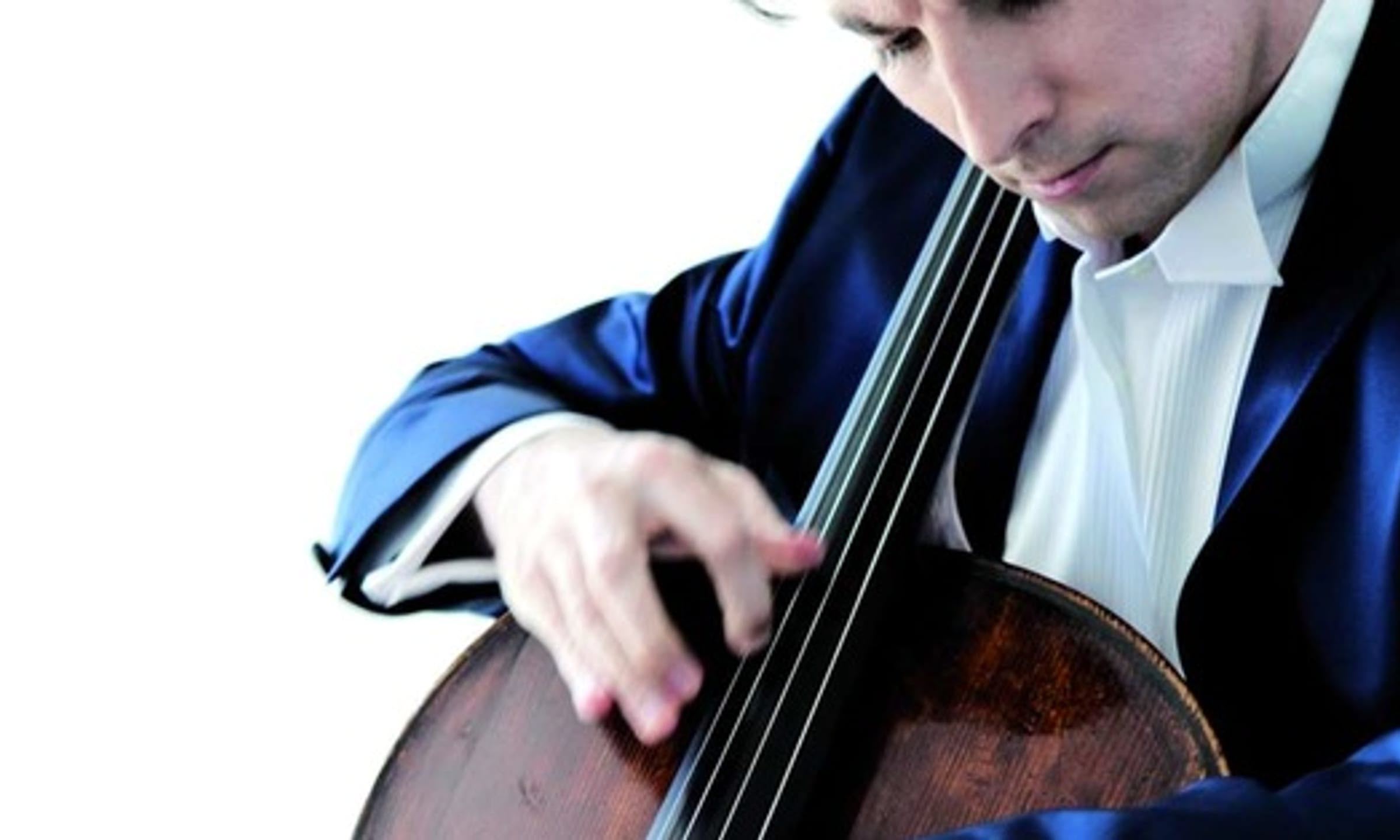
The cello, with its rich tones and profound emotional depth, has long captured the hearts of audiences around the world. From the grand concert halls of Europe to intimate chamber music settings, the instrument has a unique ability to convey the human experience in all its complexity. In this exploration of the Top 15 Best Cello Players of All Time, we delve into the lives and legacies of those who have elevated this instrument to new heights.
Imagine the stirring melodies of Yo-Yo Ma, whose virtuosity and passion have made him a household name, or the hauntingly beautiful performances of Jacqueline du Pré, whose interpretation of Elgar’s Cello Concerto remains etched in musical history. Each cellist on our list has not only mastered their craft but has also transformed the world of music, pushing boundaries and inspiring generations.
Join us as we celebrate these extraordinary artists who have left an indelible mark on the cello repertoire, transcending genres and cultures. Whether you’re a seasoned aficionado or a curious newcomer, this journey through the lives of the greatest cellists promises to inspire and ignite your appreciation for this magnificent instrument.
1. Yo-Yo Ma
Yo-Yo Ma is one of the most beloved and influential cellists of our time, known for his stunning musicianship, warmth, and global outreach. Born in Paris to Chinese parents and raised in the United States, Ma began playing the cello as a young child and quickly demonstrated extraordinary talent. Over the decades, his career has spanned a wide range of genres—from the classical canon to folk traditions, jazz, and even bluegrass—reflecting his deep belief in the power of music to bridge cultures. His recordings of the Bach Cello Suites are especially revered for their clarity, lyricism, and profound emotional impact. But Ma is more than just a performer. He is a cultural ambassador and humanitarian, using his music to promote dialogue and peace around the world. His Silk Road Ensemble brings together musicians from different cultures to celebrate shared traditions through music. Yo-Yo Ma’s artistry is defined not only by technical mastery but by an open-hearted generosity that resonates with audiences everywhere. His legacy continues to grow—not just through recordings and performances, but through his tireless commitment to education, collaboration, and using music to make the world a more connected place.
2. Jacqueline du Pré
Jacqueline du Pré remains one of the most emotionally compelling cellists in classical music history. Born in Oxford, England, she displayed an early affinity for the cello and quickly rose to prominence with her electrifying performances. Her most iconic recording—Elgar’s Cello Concerto in E Minor—captured the imagination of audiences around the world and continues to be held as a definitive interpretation. Du Pré’s playing was marked by an unrestrained passion and raw expressiveness that made every performance feel intensely personal. Her stage presence was magnetic, and she played with a kind of emotional honesty that resonated deeply with listeners. Tragically, her career was cut short by multiple sclerosis, which forced her into early retirement in her late twenties. Despite her brief time in the spotlight, du Pré’s influence endures through her recordings and the inspiration she provides to cellists and music lovers alike. She transformed the cello into a voice of deep human expression, and her legacy lives on as a symbol of beauty, vulnerability, and artistic courage. To this day, Jacqueline du Pré represents the soul of the cello in its most passionate and poignant form.
3. Pablo Casals
Pablo Casals was a towering figure in classical music and one of the most important cellists of the 20th century. Born in Catalonia, Spain, Casals is often credited with elevating the cello to the stature of a solo instrument. His discovery and revival of Bach’s Cello Suites at the turn of the 20th century completely changed the perception of these masterpieces, and his recordings of them remain essential listening. Casals’ tone was rich and expressive, and his interpretations were infused with both intellectual depth and heartfelt emotion. But Casals was more than a musician—he was a passionate humanitarian and outspoken advocate for peace and democracy. He famously refused to perform in countries that recognized Franco’s regime, using his fame as a platform to speak against tyranny. Later in life, Casals focused on conducting and composing, and he continued to promote music education through festivals and foundations. His life was a testament to the idea that music is not just an art form but a force for good in the world. Pablo Casals’ blend of technical brilliance, interpretive depth, and moral conviction continues to inspire generations of musicians.
4. Rostropovich
Mstislav Rostropovich was a legendary Russian cellist who brought unmatched intensity, power, and depth to his performances. Known for his commanding presence and expressive style, “Slava” as he was affectionately called, was also a fearless advocate for freedom of expression, often at great personal risk. His interpretations of the cello repertoire—especially works by Shostakovich, Prokofiev, and Dvořák—are celebrated for their emotional breadth and technical daring. Rostropovich was also instrumental in expanding the cello’s repertoire by commissioning and premiering numerous new works from 20th-century composers, including Benjamin Britten and Henri Dutilleux. He was not only a remarkable soloist but also a gifted conductor, leading major orchestras across the globe. His larger-than-life personality and tireless devotion to music made him a figure of immense influence. Whether on stage or off, Rostropovich stood as a symbol of artistic integrity and human resilience. His ability to pour the full spectrum of human emotion into his cello made every performance a profound experience. To this day, he is remembered not only for his artistic achievements but also for his unwavering commitment to truth, freedom, and the transformative power of music.
5. Steven Isserlis
Steven Isserlis is one of today’s most respected and distinctive cellists, celebrated for his deeply expressive playing and thoughtful musicianship. Born in London, Isserlis has carved a unique path in the classical music world, blending technical brilliance with a highly personal interpretive style. He is especially known for his warm tone, lyrical phrasing, and keen emotional sensitivity, qualities that shine through in his performances of works by Schumann, Elgar, and Bach. Isserlis is also a passionate advocate for lesser-known works and composers, often bringing forgotten pieces back to life with insight and enthusiasm. In addition to his solo career, he is an active chamber musician and a respected author, writing both about music and for children. He frequently performs on gut strings and favors historically informed performance practices, adding a rich, organic quality to his sound. Beyond the concert stage, Isserlis is known for his humility, wit, and generous spirit. His ability to communicate profound emotion through his cello, along with his dedication to music education and storytelling, make him a beloved figure among audiences and fellow musicians alike.
6. Mischa Maisky
Mischa Maisky is a cellist whose performances are marked by passion, intensity, and individuality. Born in Latvia and trained in Russia under the great Mstislav Rostropovich, Maisky brings a distinctive voice to every piece he plays. He’s known for his lush, expressive tone and bold interpretations that push emotional boundaries. His stage presence is magnetic, often drawing listeners in with his dramatic gestures and deeply personal playing style. Maisky’s repertoire spans from Baroque to contemporary, and he has collaborated with some of the world’s most celebrated musicians and conductors, including Martha Argerich, Itzhak Perlman, and Leonard Bernstein. His recordings of the Bach Cello Suites stand out for their romantic warmth and poetic nuance, offering a fresh take on these iconic works. Beyond his technical skill, what sets Maisky apart is his ability to convey raw emotion—joy, sorrow, longing, and triumph—all through the voice of the cello. Whether performing in a grand concert hall or an intimate chamber setting, Maisky leaves a lasting impression. His fearless artistic approach and deep musical convictions make him a true original, someone who constantly reinvents the cello repertoire while remaining deeply connected to its expressive core.
7. Lynn Harrell
Lynn Harrell was a towering figure in the world of cello, revered for his majestic tone, effortless technique, and generous musical spirit. Born in New York and raised in a musical family, Harrell’s career took off at an early age when he joined the Cleveland Orchestra under George Szell. From there, he blossomed into a renowned soloist and chamber musician, performing with leading orchestras and collaborating with world-class artists around the globe. Harrell’s playing was marked by a lyrical, singing quality—each note delivered with warmth, clarity, and emotional depth. His interpretations of works by Dvořák, Brahms, and Tchaikovsky are especially admired for their sensitivity and command. But Harrell was more than just a virtuoso; he was deeply committed to music education, serving as a beloved teacher and mentor to young cellists at major institutions like Juilliard and USC. He believed in the power of music to uplift and connect, and that belief shone through in every performance. Harrell’s legacy is one of not only technical mastery but also kindness, humility, and a true devotion to the art of music-making that continues to inspire both audiences and musicians.
8. Daniil Shafran
Daniil Shafran was a Russian cellist of extraordinary individuality and expressiveness, often hailed as one of the most unique voices in cello performance. Born into a musical family in Leningrad, Shafran began playing at a young age and quickly established himself as a prodigy. His style defied convention—marked by a strikingly rich tone, unconventional phrasing, and an emotionally charged delivery that made his performances unforgettable. He brought new life to the Russian cello repertoire, particularly with his heartfelt interpretations of works by Shostakovich, Kabalevsky, and Rachmaninoff. Shafran wasn’t interested in conforming to trends or emulating others; instead, he followed his own musical instincts, which sometimes led to polarizing opinions but also earned him a devoted following. His recording legacy includes deeply moving performances that continue to influence cellists today. Shafran’s ability to find emotional depth and nuance in every phrase made his playing feel like a direct line to the soul. He remains a symbol of artistic authenticity and fearless creativity, reminding us that music is not just about precision—it’s about communicating something true, personal, and deeply human.
9. Alisa Weilerstein
Alisa Weilerstein is one of the most exciting and accomplished cellists of her generation, celebrated for her fearless approach and emotional vulnerability on stage. Born into a musical family in the U.S., she began playing the cello at age four and was quickly recognized for her prodigious talent. What sets Weilerstein apart is the combination of technical brilliance with a powerful emotional presence—her performances are bold, sincere, and often electrifying. She has a special gift for bringing contemporary music to life and has premiered works by leading composers like Osvaldo Golijov and Matthias Pintscher. At the same time, her interpretations of the classical canon—from Bach to Elgar—are deeply personal and artistically refined. Weilerstein is also committed to breaking down barriers in classical music through outreach and education, often engaging with new audiences through innovative programs and media. Her playing communicates directly with listeners, drawing them into the emotional core of the music. Whether in a concerto, solo recital, or chamber setting, Weilerstein brings an honesty and intensity that make her a compelling force in the world of classical music and a role model for young artists everywhere.
10. Jacqueline de Pré
Jacqueline de Pré’s name has become almost mythical in the world of cello—a symbol of pure emotion, passion, and musical genius. Born in England, she was a cello prodigy whose playing was defined by its emotional immediacy and technical fearlessness. Her landmark recording of Elgar’s Cello Concerto with Sir John Barbirolli remains one of the most revered performances in classical music history, filled with sweeping intensity and heart-wrenching vulnerability. De Pré played with a unique combination of raw power and poetic delicacy, often losing herself completely in the music. Her presence on stage was luminous—audiences were captivated not only by her sound but by the depth of feeling she poured into every phrase. Tragically, her brilliant career was cut short when she was diagnosed with multiple sclerosis in her twenties. Despite her illness, her legacy endures through recordings and the profound influence she had on the cello world. To this day, Jacqueline de Pré stands as an enduring inspiration—not only for her artistry, but for the way she fully gave herself to her music, transforming every note into an expression of life, love, and longing.
11. Anner Bylsma
Anner Bylsma was a pioneering figure in the world of historically informed performance, particularly revered for his interpretations of Baroque and Classical repertoire. Born in the Netherlands, Bylsma had a distinguished career as both a soloist and chamber musician, but it was his deep curiosity and scholarship that truly set him apart. He played a major role in bringing a more authentic style to the performance of Bach’s Cello Suites, often using period instruments and gut strings to recreate the sound world of the 18th century. His landmark recordings of these suites are admired for their clarity, rhythmic vitality, and sense of freedom, demonstrating a profound understanding of Baroque aesthetics. Bylsma wasn’t just a cellist—he was a teacher, writer, and musical thinker whose insights into phrasing, articulation, and expression changed the way musicians approach early music. He had a deep respect for composers and aimed to reveal the original spirit of their works, rather than impose a modern interpretation. Generations of cellists have benefited from his teachings and writings, which continue to influence performance practice today. Anner Bylsma’s legacy is one of intellectual rigor and artistic authenticity, making him a cornerstone in the evolution of cello playing.
12. Janos Starker
Janos Starker was one of the 20th century’s most formidable cellists, renowned for his flawless technique, impeccable control, and analytical approach to music. Born in Hungary, Starker began playing cello at a young age and survived the turmoil of World War II before emigrating to the United States, where he became principal cellist of major orchestras and later a celebrated soloist. His sound was clean, direct, and powerful, with every note executed with clarity and precision. Starker’s interpretations were admired for their intellectual depth—he treated music like architecture, carefully constructing each phrase with intent and structure. Among his most influential recordings are the complete Bach Cello Suites and the Dvořák Cello Concerto, which remain benchmarks for cellists around the world. Beyond his performing career, Starker was a legendary teacher at Indiana University, where he mentored countless students who went on to shape the cello landscape themselves. He had a reputation for high standards and a no-nonsense attitude, but also for inspiring fierce loyalty and respect among his pupils. Starker’s legacy is one of excellence, discipline, and profound musical insight, leaving an indelible mark on cello pedagogy and performance alike.
13. Natalia Gutman
Natalia Gutman is a cellist whose playing is characterized by deep emotional resonance, powerful technique, and an unwavering commitment to musical truth. Born in Russia, she studied under some of the greatest pedagogues, including Rostropovich, and quickly rose to international prominence. Gutman is particularly admired for her interpretations of the Russian repertoire, where she brings out the soul and intensity of works by composers like Shostakovich and Prokofiev. Her performances are often described as fearless—she doesn’t shy away from exploring the darkest corners of a piece, nor from expressing vulnerability and raw emotion. But her artistry goes beyond technical mastery; there’s a spiritual depth to her playing that resonates deeply with audiences. In addition to her solo work, Gutman is a passionate chamber musician and a dedicated teacher, shaping the next generation of cellists with the same integrity she brings to the stage. She has performed with leading orchestras and conductors around the world, but remains grounded in her artistic values. Natalia Gutman stands as a symbol of strength, courage, and authenticity in music—a cellist who channels life’s full spectrum of emotions through her instrument.
14. Mischa Maisky
Mischa Maisky’s name appears again on this list—and rightfully so, as his impact on the cello world is multifaceted and enduring. Known for his magnetic stage presence and deeply expressive playing, Maisky has a unique musical voice that blends the romanticism of the Russian school with a fiery individualism. His second entry here only underlines how much his artistry continues to evolve and inspire. Whether he’s performing Bach with poetic elegance or Romantic concertos with sweeping passion, Maisky always brings something personal and emotionally rich to the table. His collaborations with pianists like Martha Argerich and orchestras around the globe have resulted in numerous critically acclaimed recordings. He’s also been a champion of new music, often incorporating modern works into his repertoire and keeping the tradition of cello playing dynamic and fresh. Maisky’s sound—lush, vibrant, and unmistakably his own—has won him fans across generations. His willingness to take interpretive risks and infuse his performances with raw emotion makes every concert feel like a shared human experience. For Maisky, music is not just about perfection—it’s about expression, connection, and telling stories that transcend words.
15. Sol Gabetta
Sol Gabetta is one of the brightest stars in today’s classical music scene, captivating audiences with her compelling blend of technical brilliance and heartfelt emotion. Born in Argentina and raised in Europe, Gabetta quickly rose to international prominence thanks to her charismatic performances and unmistakable voice on the cello. She has a knack for creating intimacy even in large concert halls, making each performance feel like a personal conversation with the listener. Her interpretations are marked by clarity, warmth, and a deep understanding of musical structure, whether she’s playing the classics or championing contemporary compositions. Gabetta’s versatility shines in both solo and chamber music settings, and she’s collaborated with top-tier musicians and orchestras around the world. She’s also passionate about music education and outreach, often engaging with young musicians and audiences to keep classical music vibrant and relevant. What makes Gabetta truly special is her ability to make the cello sing—not just in terms of sound, but in emotion and storytelling. With every performance, she brings freshness, sincerity, and a sense of joy that continues to attract a new generation of classical music lovers.

Edward Tomlin is a frequent contributor to Singers Room. Since 2005, Singersroom has been the voice of R&B around the world. Connect with us via social media below.