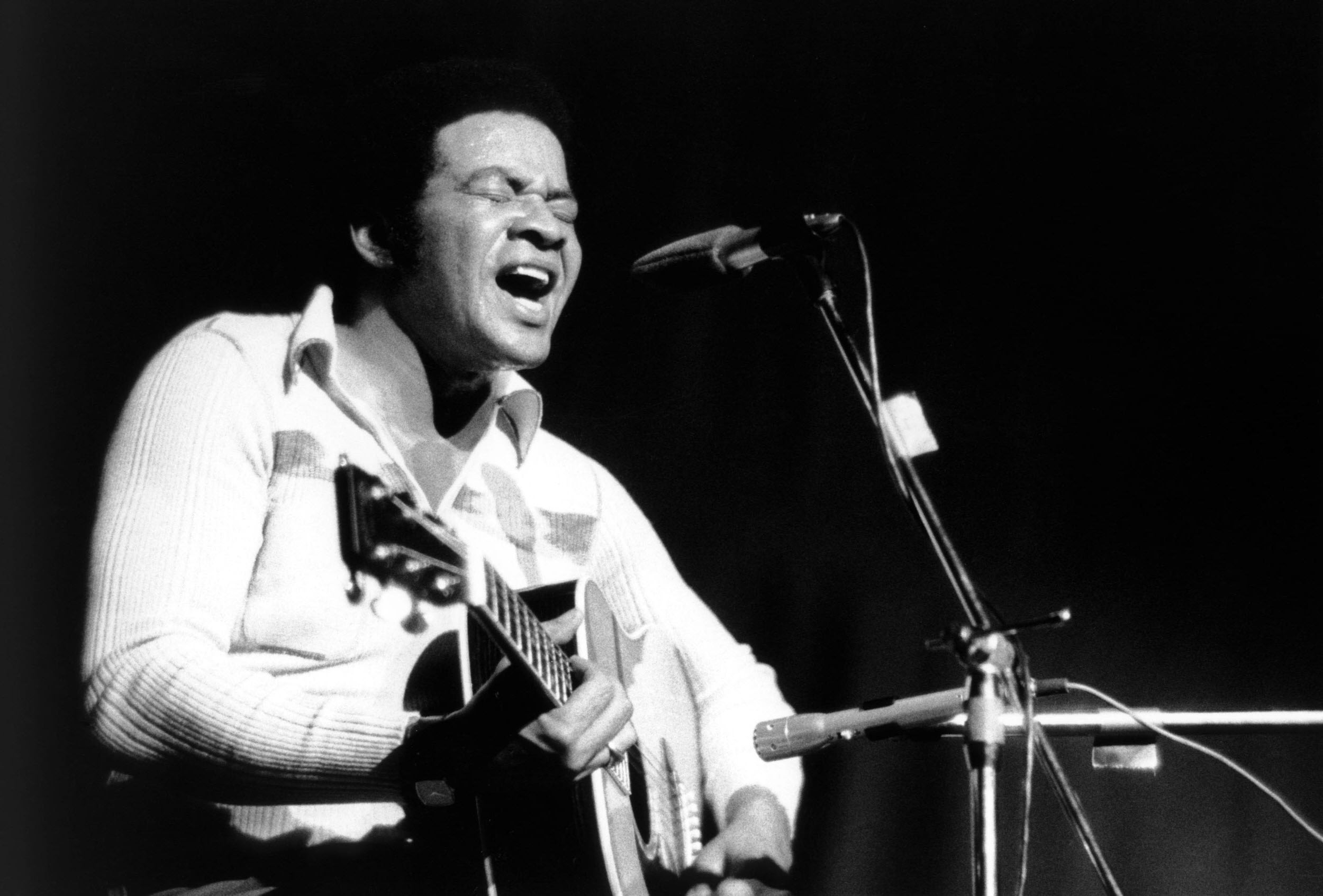
Few artists have the ability to capture raw emotion and universal truths quite like Bill Withers. With a voice as warm and soulful as a summer breeze, his music has transcended generations, becoming a soundtrack for love, heartbreak, resilience, and everything in between. From intimate ballads that feel like whispered confessions to anthems of hope and unity, Withers’ songs have a way of reaching into the depths of our souls and leaving an indelible mark.
In this article, we’ll explore the top 10 most popular Bill Withers songs of all time—tracks that continue to resonate with fans across the globe. Whether you’re a lifelong admirer or discovering his genius for the first time, these songs showcase the incredible range and depth of his artistry. Each masterpiece tells a story, infused with Withers’ signature blend of sincerity, simplicity, and soul.
So, get ready to celebrate the timeless genius of a man whose music still feels as fresh and relevant today as it did decades ago. Let’s dive into the unforgettable melodies, powerful lyrics, and enduring legacy of Bill Withers—an artist who reminds us that sometimes, less truly is more.
1. Ain’t No Sunshine (1971)
“Ain’t No Sunshine” is the kind of song that stops you in your tracks. Released in 1971 on Bill Withers’ debut album Just As I Am, this soul classic captures the ache of missing someone in the most stripped-down, heartfelt way imaginable. The arrangement is beautifully minimal—just Withers’ voice, a few subtle strings, and a simple guitar line that lets the emotion take center stage. The magic of the song lies in its honesty; Withers doesn’t overcomplicate the lyrics, choosing instead to repeat the line “I know” twenty-six times in a row. It’s hypnotic, as if he’s trying to convince himself she’s really gone. The song runs under two minutes, yet it carries the weight of a novel’s worth of grief. It was inspired by the 1962 movie Days of Wine and Roses, and Withers—who was working in a factory when he wrote it—suddenly became a household name. “Ain’t No Sunshine” won the Grammy for Best R&B Song in 1972, and it still resonates decades later, regularly covered and sampled by artists from every genre. It remains a timeless meditation on loneliness, proving that sometimes the simplest songs say the most.
2. Lean on Me (1972)
“Lean on Me” is more than just a song—it’s a universal anthem of solidarity and support. Released in 1972 on the album Still Bill, it marked one of Bill Withers’ most enduring contributions to music and culture. Rooted in his upbringing in the close-knit coal mining town of Slab Fork, West Virginia, the lyrics come from a place of genuine empathy and lived experience. Withers wanted to write a song that reflected how people take care of each other during hard times, something he saw often in his childhood community. The arrangement is modest yet rich, with gospel-infused chords, piano-driven rhythm, and an uplifting choir-like chorus. The line “We all need somebody to lean on” is now etched into pop culture, quoted everywhere from weddings to graduations to civil rights marches. It hit No. 1 on the Billboard Hot 100 and was later inducted into the Grammy Hall of Fame. “Lean on Me” is more than a hit—it’s a comforting presence that reminds us we’re never alone. Through its warmth and simplicity, it continues to be a go-to song for moments of hope, healing, and human connection.
3. Lovely Day (1977)
Few songs capture the feeling of pure optimism like Bill Withers’ “Lovely Day.” Released in 1977 as part of his album Menagerie, this track is a joyful ode to how love—or simply a good attitude—can brighten the worst of days. The smooth groove is built around a funky bassline, crisp drums, and dreamy electric piano, creating an irresistibly mellow vibe. But what truly sets it apart is Withers’ iconic 18-second vocal sustain near the end—one of the longest recorded notes in pop music history. That extended “day” doesn’t just show off his vocal chops; it radiates emotional warmth and contentment. The song’s lyrics are refreshingly straightforward, describing the kind of day that’s made better just by being with someone who lifts your spirits. “Lovely Day” has been featured in countless commercials, films, and feel-good playlists, becoming a musical shorthand for sunshine and smiles. Though it wasn’t a massive chart hit upon release, it’s aged like fine wine and now stands as one of Withers’ most beloved recordings. Whether you’re waking up, winding down, or trying to shake off the blues, “Lovely Day” is the perfect soundtrack to remind you that better moments are within reach.
4. Use Me (1972)
“Use Me” is a groove-heavy exploration of complicated love, blending funk, soul, and raw emotion in a way only Bill Withers could. Released in 1972 on the Still Bill album, the song finds Withers grappling with a relationship where the emotional power dynamic feels out of balance. He’s fully aware he’s being taken advantage of—but he’s also willingly going along with it. That contradiction gives the song its bite. The lyrics are bold and revealing, with lines like “My friends feel it’s their appointed duty / They keep trying to tell me all you want to do is use me.” Yet Withers counters with a sensual defiance, standing by his decision to stay in this intense relationship. The instrumentation is punchy and irresistible, anchored by a slinky bassline and a catchy clavinet riff that adds a funkadelic flair. Withers’ vocal delivery is both confident and wounded, balancing swagger with vulnerability. “Use Me” became one of his biggest hits, reaching No. 2 on the Billboard Hot 100. It’s a perfect example of Withers’ genius—writing songs that sound like conversations, rich with emotional complexity and grounded in truth.
5. Grandma’s Hands (1971)
“Grandma’s Hands” is a tender, deeply personal tribute to the guiding influence of Bill Withers’ grandmother. Featured on his debut album Just As I Am (1971), this short but powerful track draws from his childhood memories growing up in a rural Black community in West Virginia. Withers’ grandmother was a strong spiritual presence in his life, and this song honors her love, strength, and wisdom. Through his lyrics, Withers paints a vivid picture of her hands—hands that clapped in church, protected him from harm, and offered comfort when life was tough. The song is steeped in gospel tradition, both in its melody and its emotional tone. The instrumentation is sparse, keeping the focus on Withers’ voice and storytelling. It’s not just about his grandmother—it’s about all grandmothers, and how they often serve as the moral and emotional backbone of the family. “Grandma’s Hands” has been covered and sampled many times, notably in Blackstreet’s “No Diggity,” but none match the heartfelt intimacy of the original. In just a few lines, Withers captures a lifetime of love and lessons, making it one of the most touching odes to family ever recorded.
6. Just the Two of Us (1981)
“Just the Two of Us” is a smooth, romantic classic that brings together the talents of jazz saxophonist Grover Washington Jr. and the unmistakable voice of Bill Withers. Released in 1981, the song became an instant hit and remains one of the most beloved duets in modern music history. Withers’ velvety vocals glide effortlessly over Washington’s silky saxophone lines, creating a laid-back groove that feels intimate and timeless. The lyrics celebrate the beauty of a committed relationship—the idea that love can thrive when two people choose each other above all else. “Just the two of us / We can make it if we try” is a mantra of devotion and simplicity, reminding listeners that sometimes, love is just about sticking together through life’s ups and downs. The mellow rhythm and jazz-inspired arrangement make this song perfect for lazy afternoons, candlelit dinners, or slow dancing in the living room. It reached No. 2 on the Billboard Hot 100 and earned a Grammy Award for Best R&B Song. Decades later, it’s still a staple on romantic playlists and radio stations, cherished for its smooth blend of soul, jazz, and sincerity.
7. Who Is He (And What Is He to You)? (1972)
“Who Is He (And What Is He to You)?” is a moody, simmering track from Bill Withers’ 1972 album Still Bill, and it stands out for its emotional tension and storytelling. Unlike his more uplifting or tender songs, this one dives into suspicion, jealousy, and the discomfort of feeling betrayed. Withers steps into the role of a man who’s beginning to question his partner’s loyalty, and the lyrics unfold like a detective story: “A man we passed just tried to stare me down / And when I looked at you / You looked at the ground.” Every word brims with unease. Musically, the track is built around a steady, hypnotic bassline and sparse instrumentation that enhances the intensity of the lyrics. Withers’ vocal performance is deliberate and controlled, reflecting the internal struggle of someone trying to keep cool while their world is tilting. It’s one of his more underrated masterpieces, showcasing his gift for telling complex, deeply human stories in just a few verses. The song has since been covered and sampled by several artists, but Withers’ original version remains the definitive take, rich in emotion and subtle drama.
8. I Can’t Write Left-Handed (1973)
“I Can’t Write Left-Handed” is one of Bill Withers’ most haunting and politically charged songs. Performed live at Carnegie Hall in 1973, the song takes on the voice of a wounded soldier returning from war, telling his story with heartbreaking honesty. Withers prefaces the song by saying it was written from the perspective of a young man who lost the use of his right arm in combat. What follows is a slow, bluesy ballad that doesn’t just criticize war—it humanizes it. The lyrics are vivid and unsettling: “He said I can’t write left-handed / Would you please write a letter, write a letter to my mother.” The performance is raw, backed by a somber piano and sparse instrumentation that let the words take center stage. Withers delivers every line with quiet urgency, his voice carrying both empathy and outrage. Unlike many protest songs of its time, this one doesn’t shout—it mourns. It reminds us that war isn’t just politics; it’s deeply personal and often devastating. “I Can’t Write Left-Handed” stands as a powerful example of music as social commentary, and it remains one of the most emotionally compelling songs in Withers’ catalog.
9. Harlem (1971)
“Harlem,” the opening track on Bill Withers’ 1971 debut Just As I Am, bursts with energy and vivid imagery, setting the tone for the deeply personal and socially aware songs that follow. It’s a musical portrait of life in one of New York City’s most iconic neighborhoods, capturing both the struggles and the soul of Harlem in the early ’70s. Withers paints a picture of people waking up to face daily challenges, and despite the hardships—whether it’s “garbage on the sidewalk” or “a baby crying”—there’s an underlying sense of pride and community. The groove is infectious, blending funk, soul, and a bit of gospel flair, making it impossible not to nod along. Withers’ vocal delivery is confident and conversational, drawing you into the scene he’s describing as if you’re walking down the street beside him. “Harlem” is more than just a neighborhood anthem—it’s a reminder that every city block is full of life, love, and history. As the first track on his debut, it immediately showcased Withers’ ability to tell stories that are both specific and universal. Even now, it remains a powerful, rhythmic snapshot of urban resilience and everyday life.
10. Hope She’ll Be Happier (1971)
“Hope She’ll Be Happier,” from Bill Withers’ 1971 debut album Just As I Am, is a gut-wrenching ballad that explores the pain of letting go. In this deeply emotional track, Withers offers a parting wish to a woman who has left him—not bitterness, not blame, but hope that she finds happiness, even if it’s not with him. The song’s arrangement is stark and minimal, featuring only a simple piano and Withers’ expressive voice. That restraint amplifies the sorrow in every word, allowing the raw emotion to shine through without distraction. Withers sings lines like “Maybe the lateness of the hour / Makes me seem bluer than I am,” revealing a man wrestling with heartbreak in real time. It’s not dramatic—it’s deeply human. The song stands as one of the finest examples of emotional vulnerability in soul music. What makes it so powerful is its quiet dignity. Rather than lashing out, Withers expresses love through selflessness. For anyone who’s ever faced a breakup with grace and grief in equal measure, “Hope She’ll Be Happier” hits home. It’s a sorrowful lullaby that lingers long after the final note fades.

Edward Tomlin is a frequent contributor to Singers Room. Since 2005, Singersroom has been the voice of R&B around the world. Connect with us via social media below.









