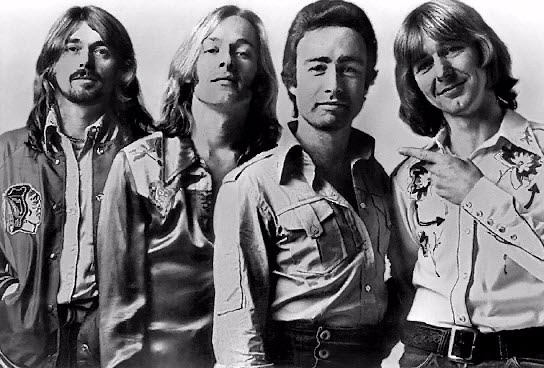
When it comes to timeless rock anthems, Bad Company stands as one of the most iconic bands in music history. With their soulful blend of bluesy rock and roll, unforgettable guitar riffs, and Paul Rodgers’ powerhouse vocals, this legendary British supergroup has left an indelible mark on the world of classic rock. From their self-titled debut album in 1974 to their enduring hits that continue to dominate playlists and stadiums, Bad Company’s music is the soundtrack of rebellion, freedom, and raw emotion.
But which songs truly define their legacy? In this list, we dive into the top 10 most popular Bad Company songs of all time, celebrating the tracks that have captured the hearts of millions. Whether you’re a lifelong fan or a newcomer ready to rock out to their electrifying sound, these songs will take you on a journey through the band’s greatest moments. Expect to relive the soaring choruses of arena anthems, the haunting melodies of ballads, and the raw energy that made Bad Company a household name. So crank up the volume, grab your air guitar, and prepare to rediscover the classics that made Bad Company a cornerstone of rock history!
1. Can’t Get Enough (1974)
“Can’t Get Enough” kicks off Bad Company’s self-titled debut album with a thunderous energy that grabs hold and doesn’t let go. Released in 1974, this track became an instant rock staple, driven by Mick Ralphs’ gritty guitar riff and Paul Rodgers’ unmistakable, blues-inflected vocals. From the first note, the song pulses with urgency, echoing the fiery emotions of obsession and longing. The lyrics are simple and direct—about a love that’s all-consuming—but it’s the way the band delivers them that gives the song its staying power. The rhythm section, anchored by Boz Burrell’s bass and Simon Kirke’s drums, keeps things tight and punchy, letting the guitars and vocals shine without overpowering. It’s a song built for big stages and loud speakers, a declaration of desire that’s both wild and infectious. Over the years, “Can’t Get Enough” has become one of Bad Company’s signature tracks, played at virtually every concert and still a favorite on classic rock radio. Its chart success helped propel the band into the spotlight, laying the foundation for their legendary status in rock music. More than just a hit, “Can’t Get Enough” is a definitive slice of 1970s rock swagger.
2. Feel Like Makin’ Love (1975)
Released in 1975 on their second album Straight Shooter, “Feel Like Makin’ Love” is one of Bad Company’s most iconic songs, brilliantly showcasing their ability to blend tenderness with rock intensity. The track begins with a gentle acoustic guitar and Paul Rodgers’ heartfelt vocals, setting a romantic and introspective tone. But just when you think it’s a soft ballad, the chorus crashes in with raw power, driven by Mick Ralphs’ thunderous electric guitar riff. That dynamic contrast—the shift from quiet yearning to explosive passion—is what makes the song unforgettable. The lyrics are straightforward and sincere, capturing the raw emotion of longing and connection without overcomplicating the message. Rodgers sings with soulful conviction, transforming the song into something more than a simple love tune—it becomes a declaration of emotional vulnerability and desire. The guitar solo midway through adds grit and passion, reinforcing the song’s emotional highs. “Feel Like Makin’ Love” quickly became a fan favorite and remains a staple on rock radio to this day. It’s the kind of song that resonates across generations, reminding listeners that even the hardest rockers have a tender side.
3. Bad Company (1974)
The song “Bad Company,” from the band’s 1974 debut album, is more than just a title track—it’s a bold mission statement. Slow, brooding, and cinematic, it introduces listeners to the band’s gritty outlaw persona. With its haunting piano chords and dramatic atmosphere, the song evokes images of dusty plains, lone riders, and a life lived on the edge. Paul Rodgers delivers the lyrics with a solemn intensity, singing from the perspective of a renegade shaped by fate and hardened by experience. “I was born with a six gun in my hand,” he proclaims, and from that moment, the tone is set. Mick Ralphs’ guitar work is spare but powerful, creating tension that simmers under the surface before erupting in brief, impactful moments. The arrangement builds slowly, adding emotional weight as it progresses. “Bad Company” stands as a defining anthem of rebellion, freedom, and the price that comes with both. It’s a song that captures the mystique of the American West through a British lens, wrapped in the swagger of bluesy hard rock. Over time, it’s become an essential piece of the band’s legacy, often used to close shows and seal their identity as rock’s original outlaws.
4. Shooting Star (1975)
“Shooting Star,” released in 1975 on the album Straight Shooter, is one of Bad Company’s most powerful and poignant storytelling songs. With a folk-rock sensibility wrapped in bluesy tones, it tells the fictional story of Johnny, a young man who rises to rock stardom only to fall victim to the perils of fame. The lyrics are cautionary but compassionate, painting a vivid picture of ambition, success, and the tragic consequences of excess. Paul Rodgers sings with emotional restraint, letting the weight of the words speak for themselves, while Mick Ralphs’ guitar gently underscores the sorrow in the tale. The chorus—“Don’t you know that you are a shooting star”—is both a celebration and a lament, giving the song a bittersweet duality that resonates deeply. There’s a timelessness in its message, one that speaks not only to musicians but to anyone who has ever chased a dream too fast. The track gradually builds in intensity, culminating in a powerful finish that leaves a lasting impression. “Shooting Star” remains one of Bad Company’s most revered songs, loved not just for its melody but for its soul. It’s a rock ballad with a message—and one that never fades.
5. Rock ‘n’ Roll Fantasy (1979)
“Rock ‘n’ Roll Fantasy,” released in 1979 on Desolation Angels, is Bad Company’s celebration of the music that made them and the lifestyle that came with it. It kicks off with a pulsating, rhythmic guitar line that feels like the heartbeat of a packed concert venue. From the first lines—“Here comes the jesters, one, two, three”—Paul Rodgers’ vocals carry a tone of playful triumph, drawing listeners into the euphoric high of live performance. The lyrics reflect on the bond between artist and audience, painting rock and roll not just as music, but as a shared experience, a fantasy that becomes reality when the lights go down and the amps go up. Mick Ralphs’ guitar work is crisp and driving, matched perfectly by Simon Kirke’s steady beat. There’s an optimism in the track, a celebration of the road, the crowd, the dreams. It’s no surprise that it became one of the band’s biggest hits, capturing the spirit of the era and their role within it. “Rock ‘n’ Roll Fantasy” is more than a song—it’s a love letter to the genre itself, affirming why so many chase that dream and why fans keep coming back.
6. Ready for Love (1974)
“Ready for Love” has an interesting history, originally written by Mick Ralphs during his time with Mott the Hoople before Bad Company made it their own on their 1974 debut album. This track stands out as a soulful fusion of blues and rock that highlights the band’s emotional depth. Paul Rodgers delivers the vocals with a passionate, almost vulnerable intensity, giving the song a heartfelt quality that draws listeners in. The lyrics express a readiness and openness to love, touching on themes of longing and emotional honesty. Musically, the song builds gradually with a steady groove that complements Rodgers’ expressive voice perfectly. Mick Ralphs’ guitar work here is tasteful and evocative, providing a bluesy texture that enhances the song’s intimate atmosphere. Unlike some of Bad Company’s harder-hitting tracks, “Ready for Love” leans into a more mellow, reflective vibe, showcasing the band’s versatility. Over time, it’s become a fan favorite, beloved for its sincere mood and memorable melody. It’s a reminder that beneath the rock swagger, there’s a softness and soul that defines much of what makes Bad Company so enduring.
7. Movin’ On (1974)
“Movin’ On” is a classic feel-good rock track that perfectly captures the spirit of freedom and adventure. Featured on Bad Company’s 1974 debut album, it’s a song about the excitement of hitting the open road, leaving worries behind, and embracing new possibilities. From the moment the upbeat rhythm kicks in, you can feel the energy and momentum driving the track forward. Paul Rodgers’ vocals are lively and confident, delivering lyrics that celebrate the joy of moving through life with optimism and determination. The band’s tight musicianship shines here, with Mick Ralphs’ sharp guitar riffs and Simon Kirke’s steady drumming providing a solid, infectious foundation. “Movin’ On” is the kind of song that invites you to sing along and tap your foot, embodying the essence of classic rock’s youthful spirit. It’s an anthem for those who crave change and aren’t afraid to chase their dreams. This track continues to resonate with fans as a timeless reminder that sometimes, the best thing you can do is just keep moving forward.
8. Run With the Pack (1976)
The title track of Bad Company’s 1976 album, “Run With the Pack,” is a powerful anthem centered on themes of unity, loyalty, and belonging. The song opens with a dramatic piano intro that sets a grand, almost cinematic tone. Paul Rodgers’ vocal delivery is commanding and passionate, perfectly conveying the sense of strength and camaraderie that runs through the lyrics. “Run With the Pack” feels like a call to arms, encouraging listeners to find their place within a group, to stand together, and to face challenges side by side. The instrumentation builds with layers of guitar, drums, and keyboards, creating an epic soundscape that reinforces the song’s message of solidarity. It’s an emotional, rousing track that showcases Bad Company’s ability to blend hard rock with meaningful storytelling. Over the years, it has become a fan favorite and a concert highlight, inspiring audiences to sing along and feel connected. The song’s universal themes and powerful delivery have helped it endure as a key piece of the band’s identity and legacy.
9. Simple Man (1976)
“Simple Man,” from the 1976 album Run With the Pack, is one of Bad Company’s most sincere and introspective songs. Stripped of flashy production, it focuses on heartfelt lyrics and Paul Rodgers’ warm, expressive vocals. The song reflects on appreciating the basic and meaningful aspects of life—family, honesty, and straightforward values—without the distractions of materialism or complexity. It’s a gentle ballad that offers a refreshing pause amid the band’s more intense rockers, revealing their softer, more thoughtful side. Musically, the arrangement is understated, allowing the emotional honesty of the lyrics to take center stage. Rodgers’ delivery feels personal and genuine, creating an intimate atmosphere that resonates with listeners. “Simple Man” has a timeless quality, reminding us all to cherish life’s essentials and stay true to ourselves. Its universal message and soulful performance have made it a beloved track among fans, standing as a testament to Bad Company’s range and depth as musicians.
10. Silver, Blue & Gold (1976)
Though never released as a single, “Silver, Blue & Gold” has quietly become one of Bad Company’s most cherished songs, featured on their 1976 album Run With the Pack. This track is marked by an uplifting melody that carries a hopeful, almost spiritual feel. Paul Rodgers’ vocals soar throughout the chorus, delivering heartfelt lyrics that speak to dreams, hope, and the journey toward fulfillment. The song blends elements of rock and soft balladry, with lush instrumentation that complements the emotional intensity without overwhelming it. The evocative lyrics and Rodgers’ passionate performance make “Silver, Blue & Gold” a deeply moving listening experience. Fans often highlight this track as a hidden gem in the band’s catalog, a song that rewards repeated listens with its layered meaning and musical richness. Its enduring appeal lies in the combination of memorable melody and genuine emotion, showcasing the band’s skill in crafting songs that connect on a personal level. Over the years, it has become a testament to Bad Company’s ability to balance rock energy with heartfelt storytelling.

Edward Tomlin is a frequent contributor to Singers Room. Since 2005, Singersroom has been the voice of R&B around the world. Connect with us via social media below.









