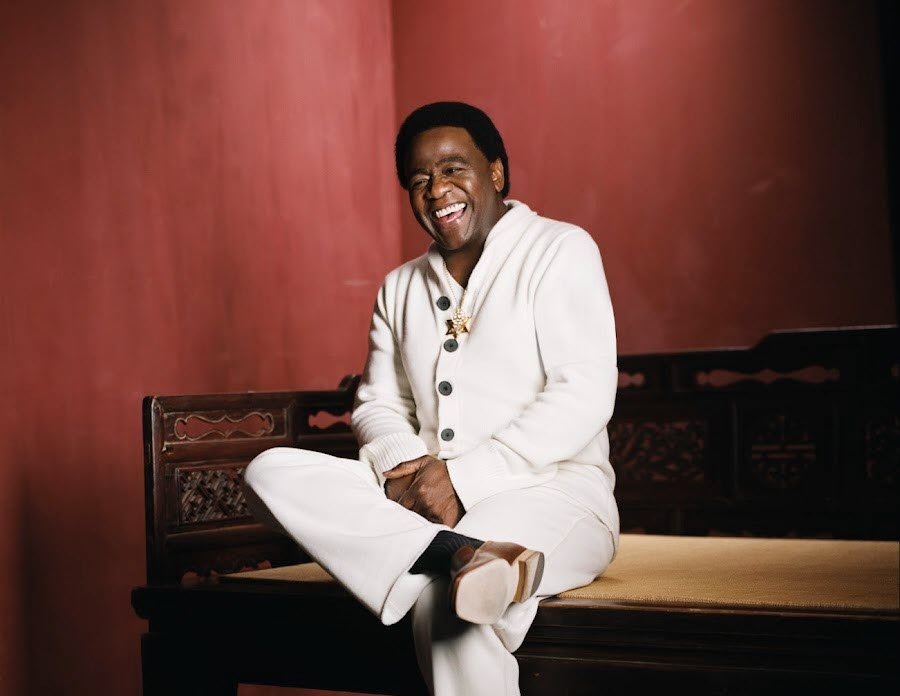
Few artists have managed to capture the essence of love, heartache, and soul quite like Al Green. Known as “The Reverend of Soul,” Al Green’s music transcends generations, weaving its way into the hearts of millions with his velvety voice, raw emotional depth, and timeless melodies. From the smoky intimacy of late-night ballads to the uplifting power of gospel-infused soul, Green’s artistry is a masterclass in blending passion, spirituality, and groove.
In this article, we’ll dive into the top 10 most popular Al Green songs of all time, celebrating the tracks that have defined his legendary career. These aren’t just songs—they’re experiences, each one a journey into the human condition. Whether you’re a lifelong fan or a newcomer to his musical genius, this countdown is sure to have you swaying, reminiscing, and feeling every note.
From the iconic opening chords of “Let’s Stay Together” to the soulful vulnerability of “How Can You Mend a Broken Heart,” we’ll explore the stories, sounds, and emotions behind the tracks that cemented Green as a cornerstone of classic soul. Get ready to rediscover the magic of Al Green—one unforgettable song at a time!
1. Let’s Stay Together (1971)
“Let’s Stay Together” isn’t just Al Green’s signature song—it’s one of the most beloved soul tracks of all time. Released in 1971, it opens with a silky smooth intro that immediately sets the tone for what’s to come: a heartfelt, vulnerable plea to keep a relationship strong through all of life’s ups and downs. Green’s falsetto floats effortlessly over a warm arrangement of strings, horns, and a laid-back groove, giving the song a timeless elegance. The lyrics—“Whether times are good or bad, happy or sad”—resonate deeply, turning a simple declaration of love into a universal anthem for commitment and unity. Produced with the unmistakable touch of Willie Mitchell at Hi Records, the song became a crossover hit and solidified Green as a leading figure in soul music. It blends gospel’s emotional intensity with pop sensibility, all wrapped in Green’s unmistakable voice. “Let’s Stay Together” remains a go-to wedding song, a staple on romantic playlists, and a shining example of how soul music can express complex human emotions with grace and power. More than 50 years later, it still feels fresh, intimate, and deeply moving.
2. Tired of Being Alone (1971)
With “Tired of Being Alone,” Al Green channels longing and emotional honesty into a soul classic that speaks directly to the heart. Released in 1971, this track marked one of Green’s first major hits, showcasing not only his vocal range but also his ability to tap into raw human feelings. The song’s groove is subtly infectious, driven by crisp drums, punchy horns, and rhythmic guitar that set a perfect stage for Green’s impassioned plea. His voice moves between sweet falsetto and soulful grit as he sings about the pain of solitude and the desire to find someone who truly understands him. The line “I’m tired of being alone” becomes more than a lyric—it’s a deeply felt confession that millions could relate to. There’s something vulnerable yet confident in the delivery, a signature of Green’s style. The production, again helmed by Willie Mitchell, strikes the right balance between polish and intimacy. “Tired of Being Alone” is a shining example of Green’s artistry in its early form, blending gospel roots with modern soul to create a sound that’s both classic and timeless. It’s a song that aches, but it grooves too—and that’s part of its brilliance.
3. Love and Happiness (1972)
“Love and Happiness” is one of Al Green’s most dynamic and groove-driven tracks, released in 1972 and often hailed as one of the finest soul recordings of its era. From the moment it begins—with a steady, hypnotic guitar riff and a slow-building rhythm—you can feel the energy simmering just beneath the surface. Green’s vocals are electrifying, weaving between passionate declarations and conversational asides, almost as if he’s testifying to the complexity of love in real time. The lyrics are simple yet profound, reflecting on the power of love to lift us up or bring us low. “Love will make you do right / Love will make you do wrong”—Green sings these lines with knowing conviction, hinting at the duality that comes with deep emotional connection. The track eventually builds into a full-fledged jam, with the band hitting a powerful, euphoric stride. It’s part sermon, part groove session, and all soul. Produced by Willie Mitchell, the song blends gospel intensity with funk-infused rhythm, making it not only a dance floor staple but also a deeply emotional experience. “Love and Happiness” remains a cornerstone of Al Green’s legacy—a bold, spiritual, and deeply human anthem.
4. I’m Still in Love with You (1972)
“I’m Still in Love with You,” released in 1972, is pure romantic soul at its finest. From the first mellow guitar chords to the soft sway of the rhythm section, the track creates an atmosphere of tender devotion and emotional depth. Al Green’s voice is at its smoothest here, gliding gently over the music with a vulnerability that’s both comforting and powerful. The lyrics are simple—“I’m still in love with you”—but their sincerity makes them resonate deeply. It’s not just a declaration; it’s a reaffirmation, a vow that even through life’s challenges, the love remains strong. The lush arrangement, featuring warm horns, subtle strings, and that classic Hi Records groove, wraps around the listener like a warm embrace. Green’s delivery is understated but rich with emotion, showing that love doesn’t always have to be shouted—it can be whispered and still be just as profound. This song became one of Green’s biggest hits, and for good reason. It’s a masterclass in restraint, melody, and emotional honesty. “I’m Still in Love with You” is a timeless ode to enduring affection and stands as one of the most beautiful love songs in soul music history.
5. Here I Am (Come and Take Me) (1973)
“Here I Am (Come and Take Me)” is one of Al Green’s most upbeat and infectious tracks, blending joyful energy with emotional urgency. Released in 1973, the song captures the thrill of romantic pursuit with a funky, feel-good groove that’s impossible not to move to. Green opens with a confident call: “I can’t believe that it’s real, the way that you make me feel”—and from there, he’s off and running, pouring heart and soul into every note. The horns blaze, the guitar struts, and the rhythm section locks into a danceable pocket that drives the whole song forward. Yet, beneath the surface energy is a man vulnerable and ready to give himself over completely to love. That balance of bravado and sincerity is what makes Green such a compelling performer. His voice carries the heat of passion and the ache of desire, sometimes within the same phrase. Produced by the ever-reliable Willie Mitchell, the track captures that signature Memphis soul sound: crisp, bright, and full of heart. “Here I Am (Come and Take Me)” is more than just a love song—it’s an invitation to joy, to risk, and to surrender.
6. Call Me (Come Back Home) (1973)
“Call Me (Come Back Home),” released in 1973, is a slow-burning, emotional ballad that highlights Al Green’s gift for expressing vulnerability with grace. From the first gentle guitar chords and the soft swell of horns, the song sets a deeply reflective mood. Green’s voice is tender and pleading as he asks a lost love to return, singing, “Call me, come back home.” It’s a simple request, but the weight of emotion behind it is palpable. You can feel the longing in every note, the ache of someone who still believes in the power of reconciliation. The arrangement is beautifully restrained—just enough instrumental support to elevate the lyrics without overshadowing Green’s intimate delivery. There’s a quiet power in the song’s minimalism. It doesn’t try to do too much, instead letting the raw sentiment take center stage. Produced by Willie Mitchell with Hi Records’ signature warmth, “Call Me” became another hit for Green and remains one of his most affecting performances. It’s a reminder that sometimes, the most powerful message in music isn’t shouted—it’s whispered from the heart. “Call Me” is a soulful, aching invitation to forgiveness, hope, and the enduring possibility of love renewed.
7. Take Me to the River (1974)
“Take Me to the River” stands as one of Al Green’s most soulful and spiritually charged recordings. Released in 1974, the song blends gospel themes with raw emotional expression, creating a track that feels both sacred and sensual. Green co-wrote the song with guitarist Teenie Hodges, and their collaboration produced a haunting, slow-grooving masterpiece. With its deep bassline and steady, hypnotic rhythm, the track builds a church-like intensity that mirrors a spiritual baptism through love. Green’s vocal performance is mesmerizing—he pleads, moans, and confesses as if baring his soul at the altar. “Take me to the river, wash me down, won’t you cleanse my soul,” he sings, blurring the lines between salvation and romantic desire. The song is layered with double meaning, evoking themes of redemption, emotional rebirth, and the purifying power of affection. It’s not just about love—it’s about transformation. The gritty organ and echoing backup vocals give the song a gospel feel, while the groove stays rooted in Memphis soul. “Take Me to the River” was so powerful that it was later famously covered by Talking Heads and others, but no one captured its spiritual gravity quite like Al Green. It remains a timeless invocation of heart and soul.
8. Look What You Done for Me (1972)
Released in 1972, “Look What You Done for Me” is a warm and grateful tribute to love’s transformative power. The track begins with a smooth, rolling groove and a shimmering blend of horns and strings that wrap around the listener like a soft breeze. Al Green’s vocals are relaxed but rich with emotion, as he reflects on the ways love has reshaped his world. “My life was incomplete, ‘til I saw you,” he sings, and you believe every word. It’s a celebration, not just of romance, but of healing—the kind of connection that restores a broken heart and brings a person back to life. The production, helmed by the legendary Willie Mitchell, offers the perfect backdrop: lush but not overdone, soulful yet intimate. Green’s falsetto soars in all the right places, adding depth to the song’s message of gratitude and devotion. “Look What You Done for Me” became a major hit, continuing Green’s string of chart success during his peak early-70s period. But beyond the charts, the song endures because it speaks so clearly to anyone who’s ever felt saved or seen by someone they love. It’s a beautiful, humble acknowledgment of how love can elevate us.
9. You Ought to Be with Me (1972)
“You Ought to Be with Me,” released in 1972, is a soft and soulful declaration of love and desire. The song captures that sweet spot between longing and confidence—Al Green knows what he wants, and he’s not afraid to say it. With its laid-back tempo and gentle horn arrangement, the track has a comforting, late-night feel, like a whispered conversation between lovers. Green’s voice is soothing and earnest, expressing not just attraction but a deep emotional connection. “You ought to be with me,” he sings, not as a demand but as an invitation—an offering of something meaningful and real. The arrangement, led by Willie Mitchell’s masterful production, features subtle guitar licks, mellow strings, and that signature Memphis groove that makes everything feel intimate and warm. The lyrics are straightforward, yet deeply resonant, speaking to the universal desire to be with someone who truly understands you. The song became a chart-topping hit, another success in Green’s incredible early-70s run, but its real power lies in its simplicity. “You Ought to Be with Me” is a tender, soul-stirring love song that feels just as relevant today as it did when it first hit the airwaves.
10. How Can You Mend a Broken Heart (1972)
Al Green’s 1972 cover of the Bee Gees’ “How Can You Mend a Broken Heart” transforms the pop ballad into a soul-soaked meditation on heartbreak. From the very first note, Green brings a level of emotional honesty and vulnerability that sets this version apart. The instrumentation is sparse and delicate, with gentle strings, subdued organ, and soft percussion that allow Green’s voice to take center stage. His interpretation is more than just a cover—it’s a complete reimagining. Where the Bee Gees’ original is polished and poignant, Green’s version feels raw and confessional. He doesn’t just sing the lyrics—he lives them, asking questions that seem to hang in the air with aching sincerity: “How can you stop the rain from falling? How can you stop the sun from shining?” The song moves slowly, almost deliberately, as if giving space to each painful thought. It’s not just about mourning lost love; it’s about grappling with the helplessness that comes after. Green’s vocal performance is nothing short of stunning—quiet, expressive, and devastating. His version became a soul classic, showing his unmatched ability to take someone else’s song and infuse it with personal depth. It’s one of his most unforgettable moments on record.

Edward Tomlin is a frequent contributor to Singers Room. Since 2005, Singersroom has been the voice of R&B around the world. Connect with us via social media below.









