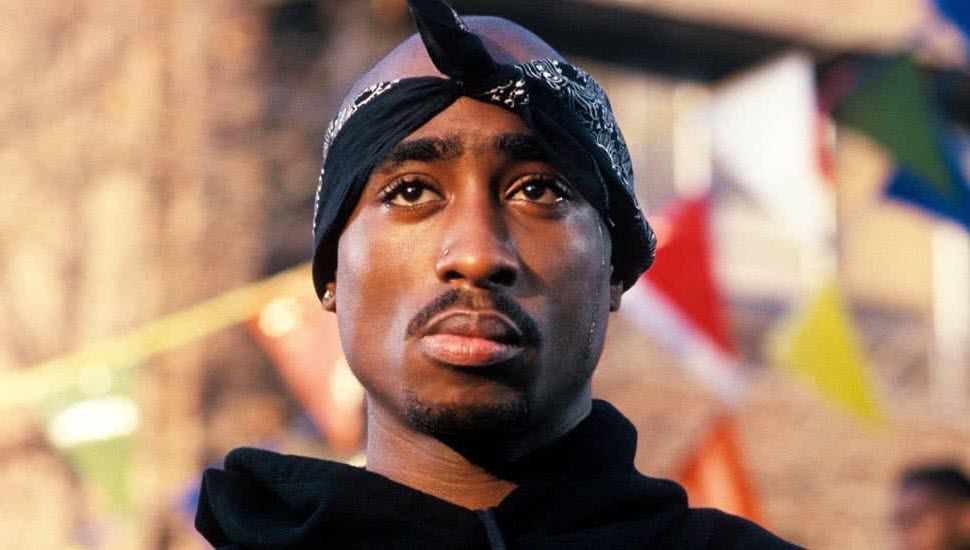
Few artists have left a mark on music and culture as deeply as Tupac Shakur, better known as 2Pac. More than just a rapper, he was a poet, a revolutionary, and a voice for the voiceless—blending raw street wisdom with soul-baring vulnerability. From politically charged anthems to party-starting bangers, 2Pac’s music captured the highs and lows of life with unmatched intensity. Even decades after his untimely death in 1996, his influence reverberates through hip-hop, and his songs continue to inspire, provoke, and move listeners around the world.
In this countdown of the Top 10 Most Popular 2Pac Songs of All Time, we dive into the tracks that defined a generation and solidified Pac’s legacy as one of the greatest artists of all time. These aren’t just hits—they’re cultural milestones, each carrying its own story, impact, and unshakable energy. Whether you’re a lifelong fan or a newcomer discovering the legend, this list is a journey through the heart and mind of a man who lived fast, spoke fearlessly, and changed music forever.
Ready to ride through the West Coast, feel the pain of the streets, and hear the fire of an immortal voice? Let’s count down the greatest 2Pac tracks ever made.
1. California Love (1995)
When “California Love” hit the airwaves in 1995, it was more than just a chart-topping single—it was a full-blown cultural moment. Teaming up with Dr. Dre, 2Pac came roaring back onto the scene fresh out of prison, with a sound that captured the essence of West Coast hip-hop in all its glory. Built on a funky, irresistible sample of Joe Cocker’s “Woman to Woman,” the beat is instantly recognizable and impossible not to move to. Dr. Dre’s slick production brings G-funk to its highest peak, while 2Pac’s verses are equal parts celebratory and raw, painting a vivid picture of California life—from sun-soaked streets to gritty realities. The song wasn’t just a comeback; it was a reintroduction of 2Pac as a dominant voice in rap. The Mad Max-inspired music video only added to the larger-than-life vibe, turning the track into an icon of 1990s hip-hop. “California Love” became an anthem—not just for the West Coast, but for a generation. It’s a celebration, a statement, and a collaboration between two legends who knew exactly how to shake the world.
2. Changes (1998)
“Changes” is one of 2Pac’s most poignant and powerful songs, released in 1998 after his death, though it was originally recorded in 1992. Built around the haunting piano riff of Bruce Hornsby’s “The Way It Is,” the track finds Pac in a deeply reflective mode. He touches on heavy topics—racial injustice, police brutality, poverty, drug addiction, and the cyclical nature of violence—with a tone that’s more thoughtful than confrontational. There’s a quiet urgency in his voice, as though he’s trying to make the world understand the pain he sees every day. The hook, repeating “that’s just the way it is,” carries a tragic sense of resignation, while the verses still push for awareness and change. What sets this track apart is its emotional vulnerability—2Pac doesn’t claim to have all the answers; he’s simply expressing the weight of the world as he feels it. It’s this honesty that continues to resonate decades later. “Changes” isn’t just a great hip-hop track—it’s a timeless piece of social commentary that remains sadly relevant in today’s world. Through this song, 2Pac became more than a rapper; he became a voice for the voiceless.
3. Hit ‘Em Up (1996)
“Hit ‘Em Up” isn’t just a diss track—it’s the nuclear bomb of rap beefs. Released in 1996 as the B-side to “How Do U Want It,” this infamous track sees 2Pac unleashing unfiltered rage at his East Coast rivals, especially The Notorious B.I.G. From the explosive opening line, Pac doesn’t just take shots—he fires direct, personal missiles with venomous precision. Supported by the Outlawz and set against a cold, menacing beat, the track is pure confrontation. There’s no subtlety, no clever metaphors—just raw anger, insult after insult, and a chilling sense that Pac means every single word. What makes “Hit ‘Em Up” so infamous is not just the content, but the energy—an electric, dangerous vibe that feels like more than music. It was a declaration of war, one that escalated an already heated East Coast–West Coast rivalry. Love it or hate it, the track became a defining moment in hip-hop history. It showed just how personal and intense rap battles could get, and how far one artist was willing to go to draw a line. “Hit ‘Em Up” remains one of the boldest and most controversial tracks ever recorded.
4. Dear Mama (1995)
“Dear Mama” is a heartfelt masterpiece that stands as one of the most emotionally resonant tracks in all of hip-hop. Released in 1995 as the lead single from Me Against the World, it’s 2Pac’s deeply personal tribute to his mother, Afeni Shakur. Over a smooth and soulful beat—sampling Joe Sample’s “In All My Wildest Dreams”—Pac opens his heart, honoring her strength, sacrifices, and unconditional love. He doesn’t shy away from the hardships: he talks about poverty, her struggles with addiction, and the pain of growing up in tough circumstances. Yet, the overwhelming emotion is love and gratitude. His lyrics are tender but real, offering an honest portrait of a complex mother-son bond. In a genre often dominated by toughness and ego, “Dear Mama” cuts through with vulnerability and reverence. It transcends rap and speaks to something universal—love for a parent and the complicated beauty of family. The song earned widespread acclaim and remains one of 2Pac’s most beloved and respected works. It’s a reminder of how hip-hop can express not just power and pride, but tenderness and truth.
5. Hail Mary (1996)
“Hail Mary” is one of 2Pac’s most haunting and introspective tracks—a dark, brooding meditation on mortality, violence, and spiritual struggle. Released under his Makaveli alias shortly after his death in 1996, the song was part of The Don Killuminati: The 7 Day Theory, and it stands out as a chilling glimpse into Pac’s inner world. The production is eerie and minimalist, with ghostly chimes and a foreboding bassline that set the tone for a lyrical descent into the soul. Pac’s delivery is slow and deliberate, almost like a prayer, as he contemplates revenge, survival, and the weight of his past. Joined by Outlawz members Kastro and Young Noble, the track feels more like a cinematic experience than a traditional song. There’s a prophetic quality to Pac’s words—like he sensed the darkness closing in. “Hail Mary” is both philosophical and ominous, capturing the complexity of a man who saw himself as a soldier, a sinner, and a seer. It’s one of his most memorable and emotionally charged recordings, and it continues to echo with a raw sense of pain and purpose.
6. Keep Ya Head Up (1993)
“Keep Ya Head Up” is one of 2Pac’s most empowering and compassionate songs, a standout in his early catalog for its message of respect and resilience. Released in 1993, it rides a smooth sample of Zapp’s “Be Alright” and offers a warm, soulful backdrop to lyrics that uplift rather than attack. In this track, Pac directs his focus toward Black women, single mothers, and communities enduring systemic injustice. His voice carries both strength and empathy as he calls out misogyny, inequality, and the challenges of inner-city life. At a time when hip-hop was often criticized for its treatment of women, Pac stood out with this genuine show of love and solidarity. His message—“you are appreciated”—was simple but powerful, a lifeline for listeners who often felt invisible. “Keep Ya Head Up” is more than just a great song; it’s a heartfelt message of hope that remains as relevant today as it was then. It showed that 2Pac wasn’t just a fierce rapper—he was a deeply thoughtful artist who cared about his community and wasn’t afraid to speak on what really mattered.
7. 2 of Amerikaz Most Wanted (1996)
When 2Pac teamed up with Snoop Dogg for “2 of Amerikaz Most Wanted,” it felt like a moment straight out of a gangster movie—swaggering, rebellious, and larger than life. Released in 1996 on All Eyez on Me, the track celebrates two of rap’s most iconic and notorious figures as they revel in their defiance and fame. The beat is funky and infectious, brimming with West Coast flair, while the chemistry between Pac and Snoop is undeniable. Trading verses with effortless cool, the two play off each other like partners in crime, bringing both charisma and menace to the mic. At the time, both had just faced serious legal trouble, and the song feels like a triumphant middle finger to the system that tried to bring them down. The music video, styled like a crime thriller, only added to the mythos. “2 of Amerikaz Most Wanted” isn’t just a collaboration—it’s a moment of victory, attitude, and pure West Coast dominance. It captures a time when both artists were at their peak, enjoying the spoils of success while reminding the world they were still untouchable.
8. Ghetto Gospel (2004)
“Ghetto Gospel,” released in 2004, is a poignant posthumous single that reveals the more spiritual and introspective side of 2Pac. Originally recorded in the early 1990s and later reworked by Eminem, the track blends Pac’s passionate verses with a moving sample from Elton John’s “Indian Sunset.” The result is a heartfelt plea for peace, understanding, and social justice. In his verses, Pac reflects on the hardships of inner-city life, the cycle of violence, and his desire for a better future. His delivery is calm but firm, as if he’s speaking directly to the next generation, urging them to rise above anger and despair. While the production has a more modern sheen due to its posthumous release, the core message is pure 2Pac—raw, thoughtful, and emotionally resonant. “Ghetto Gospel” topped charts around the world, proving that even years after his death, Pac’s voice still carried enormous weight. The song feels like a final sermon from a street prophet, one who never stopped trying to heal the wounds of his community. It’s a beautiful reminder of the soul behind the legend.
9. I Get Around (1993)
“I Get Around” is 2Pac at his most playful and charismatic—a fun-loving, upbeat track that showcases his lighter side. Released in 1993, the song features contributions from Money-B and Shock G of Digital Underground, giving it an irresistible party vibe rooted in funk and West Coast bounce. The production is smooth and energetic, with a beat that practically dares you not to dance. Lyrically, Pac turns on the charm, playing the role of a smooth-talking ladies’ man who’s unapologetically enjoying the perks of fame. His verses are clever and confident, delivered with a grin you can practically hear. But beneath the surface, the song also hints at Pac’s versatility. He could tackle serious subjects with emotional depth, but he also knew how to have fun and connect with listeners on a more carefree level. “I Get Around” became an instant summer anthem and a club staple, highlighting a different facet of 2Pac’s personality. It’s a reminder that before the world came to know him as a complex and conflicted figure, he was also a guy who knew how to live in the moment.
10. So Many Tears (1995)
“So Many Tears” is one of the most emotionally heavy and introspective songs in 2Pac’s discography. Released in 1995 on Me Against the World, the track opens with a mournful harmonica sample from Stevie Wonder’s “That Girl,” instantly setting a somber tone. From there, Pac takes listeners deep into his psyche, revealing the pain, fear, and emotional scars he carried. The lyrics are raw and confessional, touching on themes of trauma, death, paranoia, and the psychological toll of life in the streets. Unlike the bravado seen in much of rap at the time, this track strips everything down to vulnerability. Pac’s delivery is steady but weary, as if he’s trying to hold himself together while baring his soul. The haunting production and deeply personal lyrics make it one of the most striking songs he ever recorded. “So Many Tears” is more than just music—it’s a diary entry, a cry for help, and a moment of truth. It captures the duality of a man trying to be both strong and honest in a world that demanded only toughness. This track stands as one of Pac’s most powerful and poetic statements.

Samuel Moore is a frequent contributor to Singers Room. Since 2005, Singersroom has been the voice of R&B around the world. Connect with us via social media below.







