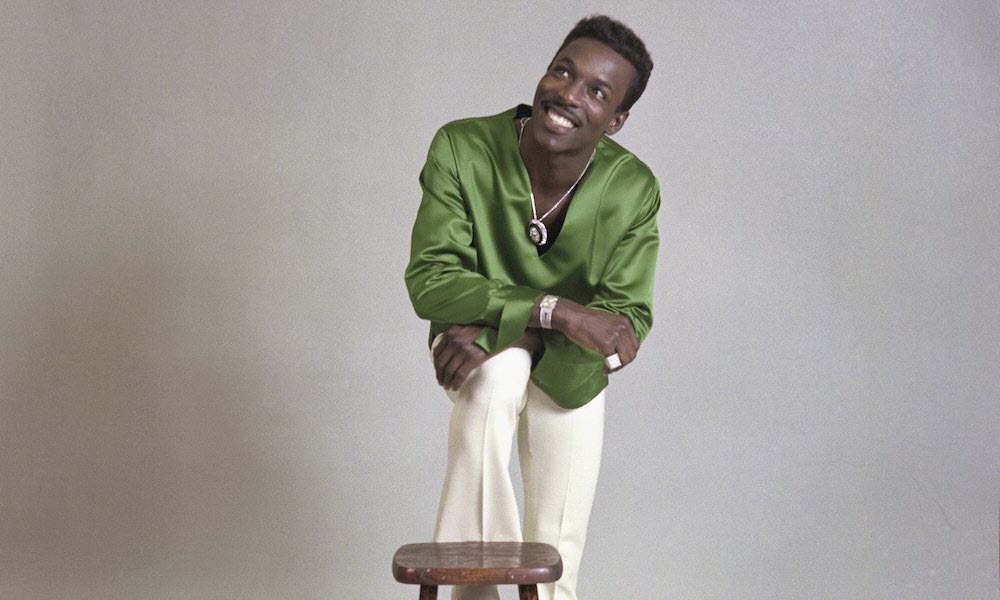
When it comes to raw soul power, electrifying vocals, and unstoppable grooves, Wilson Pickett was the real deal. Nicknamed “The Wicked Pickett,” he brought fire and fury to every note he sang, turning simple songs into explosive, unforgettable anthems. With a voice that could shake the walls and a personality just as bold, Pickett didn’t just perform soul music—he embodied it. From gritty Southern soul to infectious R&B hits, his sound defined a golden era of rhythm and passion.
In this countdown of the Top 10 Most Popular Wilson Pickett Songs of All Time, we’re diving into the hits that made him a legend. These are the tracks that got feet moving, hearts racing, and radios blasting across America. Whether it’s the unstoppable energy of “In the Midnight Hour,” the funky fire of “Land of 1000 Dances,” or the emotional grit of “Don’t Let the Green Grass Fool You,” every song on this list showcases Pickett’s powerful voice and larger-than-life presence.
So get ready to clap your hands, stomp your feet, and feel the soul like never before. The countdown to classic soul greatness starts now—and Wilson Pickett is leading the charge, wicked and wild as ever.
1. “Mustang Sally” (1966)
Few songs have the instant recognizability of “Mustang Sally.” Released in 1966, this rollicking track became one of Wilson Pickett’s most enduring hits. Originally written by Mack Rice, Pickett’s rendition transformed it into a soul classic, driven by an infectious rhythm and a dynamic horn section. The playful yet assertive lyrics tell the story of a woman who receives a brand-new Mustang but refuses to settle down, much to the frustration of the song’s narrator. Pickett’s signature growl gives the song an electrifying energy, making it impossible not to sing along. While it peaked at No. 23 on the Billboard Hot 100, its impact has far surpassed its chart position, becoming a jukebox favorite, a barroom anthem, and a staple of cover bands worldwide.
2. “In the Midnight Hour” (1965)
Wilson Pickett’s breakthrough hit, “In the Midnight Hour,” is one of the defining songs of soul music. Released in 1965, this timeless anthem helped shape the sound of Southern R&B and put Pickett on the map as a powerhouse vocalist. Co-written by Pickett and Steve Cropper of Booker T. & the M.G.’s, the song is built on an infectious groove, punctuated by a signature delayed backbeat that became a staple of the genre. Pickett’s impassioned, gritty delivery gives the lyrics an urgent, almost pleading quality, as he sings about longing for love to come alive in the darkness of night. The track soared to the top of the R&B charts and successfully crossed over to pop audiences, making Pickett a household name. More than just a hit, “In the Midnight Hour” became a cultural touchstone, influencing generations of musicians and remaining a staple of soul and R&B playlists to this day.
3. “Funky Broadway” (1967)
“Funky Broadway” isn’t just a song—it’s a historic moment in music. Released in 1967, this track was the first to feature the word “funky” in its title, helping usher in the rise of funk as a genre. Originally recorded by Dyke & the Blazers, Pickett’s version turned it into an R&B powerhouse, complete with gritty horns, a deep bass groove, and his commanding vocal presence. The song celebrates the vibrant energy of Broadway streets across America, filled with nonstop music, dancing, and good times. With its raw energy and pulsating rhythm, “Funky Broadway” became a defining song in soul and funk, influencing a wave of artists in the years to come.
4. “Land of 1000 Dances” (1966)
From the moment Pickett launches into the explosive “na-na-na-na-na,” you know “Land of 1000 Dances” is a party waiting to happen. Originally recorded by Chris Kenner in 1962, Pickett’s 1966 version supercharged the track into an all-out dancefloor shaker. The song, recorded at the legendary FAME Studios in Muscle Shoals, Alabama, features a high-energy horn section, a pounding rhythm, and Pickett’s electrifying vocal performance. The call-and-response structure, paired with the song’s irresistible beat, makes it nearly impossible to sit still. It became one of Pickett’s biggest hits, reaching No. 6 on the Billboard Hot 100 and cementing itself as one of the greatest dance anthems in soul music history.
5. “Don’t Knock My Love” (1971)
By the early ‘70s, music was evolving, and Wilson Pickett proved he could evolve with it. “Don’t Knock My Love,” released in 1971, is a funky, groove-laden track that leans toward the emerging disco sound while still retaining Pickett’s trademark grit. A deep, slinky bassline and a syncopated rhythm provide the perfect backdrop for his passionate vocal performance, in which he defends his love against the judgments of others. The song climbed to No. 1 on the R&B charts, proving that even as musical trends shifted, Pickett’s ability to deliver electrifying hits remained as strong as ever.
6. “634-5789 (Soulsville, U.S.A.)” (1966)
A song with a title that makes you want to dial the number just to see what happens, “634-5789 (Soulsville, U.S.A.)” is one of Wilson Pickett’s most irresistible hits. Written by Eddie Floyd and Steve Cropper, this 1966 track boasts an upbeat, call-and-response chorus and a tight groove that highlights Pickett’s dynamic vocal style. The lyrics create an engaging premise: a phone number that connects you straight to the heart of soul music, where love and rhythm are always on the other end of the line. The song shot to No. 1 on the R&B charts and remains one of Pickett’s most beloved recordings, a timeless reminder of the golden era of soul.
7. “Hey Jude” (1969)
One of the most unexpected yet stunning covers in Wilson Pickett’s catalog, “Hey Jude” takes The Beatles’ classic and infuses it with fiery soul and blues-rock intensity. Released in 1969, Pickett’s version is notable for featuring a young Duane Allman on lead guitar, whose searing licks hint at the greatness he would later achieve with the Allman Brothers Band. Pickett’s impassioned wails and gospel-like delivery elevate the song, transforming it into a cathartic, full-throttle experience. Even Paul McCartney himself praised Pickett’s rendition, calling it one of his favorite versions of the song.
8. “Engine Number 9” (1970)
With a relentless, chugging rhythm that mimics the motion of a train, “Engine Number 9” is one of Pickett’s most powerful and urgent recordings. Released in 1970, this track leans heavily into funk, with a pulsing bassline and blues-infused guitar licks that add to its hypnotic energy. Pickett’s passionate delivery captures the desperation of a man hoping to be reunited with his lost love, mirroring the urgency of a locomotive speeding down the tracks. While it didn’t reach the same legendary status as some of his earlier hits, “Engine Number 9” remains a fan favorite for its raw intensity and infectious groove.
9. “Ninety-Nine and a Half (Won’t Do)” (1966)
If there’s one song that captures Wilson Pickett’s fiery intensity, it’s “Ninety-Nine and a Half (Won’t Do).” Released in 1966, this track is a passionate demand for total commitment in love. Backed by the legendary Muscle Shoals session musicians, the song blends gospel-inspired fervor with deep R&B grooves, creating a sound that’s both soulful and commanding. The powerful call-and-response chorus adds to its church-like energy, making it a standout in Pickett’s discography. Though it may not have been his biggest commercial hit, its unrelenting passion and sheer energy make it a fan favorite to this day.
10. “I’m in Love” (1968)
While Wilson Pickett was known for his high-energy anthems, “I’m in Love” showcased a different side of his artistry. Released in 1968 and written by Bobby Womack, this smooth, mid-tempo ballad is a heartfelt declaration of devotion. The song’s lush instrumentation and gentle groove provide the perfect canvas for Pickett’s soulful voice, which radiates warmth and sincerity. Unlike his more fiery hits, “I’m in Love” exudes tenderness, making it one of the standout love songs in his catalog. The track became an R&B hit, further solidifying Pickett’s ability to master both hard-hitting soul and emotional ballads.

Samuel Moore is a frequent contributor to Singers Room. Since 2005, Singersroom has been the voice of R&B around the world. Connect with us via social media below.









