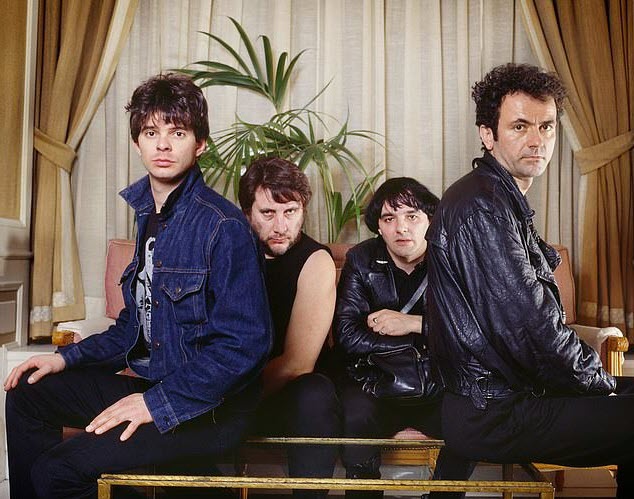
The Stranglers are one of the most iconic and enduring bands to emerge from the punk and post-punk era, blending raw energy with sophisticated musicianship to create a sound uniquely their own. With a career spanning over five decades, their music has captivated generations, defying categorization and evolving through genres like punk, new wave, and rock. Known for their dark, poetic lyrics, punchy basslines, and unforgettable melodies, The Stranglers have become a cornerstone of the British music scene.
In this article, we’re diving into the top 10 most popular songs by The Stranglers—tracks that have stood the test of time, resonating with fans old and new. From rebellious anthems to brooding ballads, these songs showcase the band’s versatility and innovation, revealing why they remain such a beloved force in music history. Whether you’re a die-hard fan or a newcomer curious about their greatest hits, this list will take you on a journey through their most celebrated work. So, crank up the volume and get ready to rediscover the grit, passion, and artistry of one of the greatest bands of all time. Let’s explore the timeless tracks that continue to define The Stranglers’ legacy!
1. Golden Brown (1981)
“Golden Brown” is one of The Stranglers’ most iconic and mysterious songs—a hypnotic blend of elegance and edge that has captivated listeners for decades. Released in 1981 on the album La Folie, the track defies easy categorization, thanks to its distinctive harpsichord-driven melody and unusual time signatures. It’s a song that feels both baroque and modern, wrapping its complex rhythms around lyrics that have fueled endless debate. Some interpret it as a love song, others see it as an ode to heroin, and still others view it as a meditation on the passage of time. That ambiguity is part of its enduring power. The Stranglers weren’t afraid to take creative risks, and with “Golden Brown,” they struck gold—achieving commercial success without sacrificing artistic depth. Hugh Cornwell’s smooth vocals contrast beautifully with the ornate instrumentation, creating a dreamlike atmosphere that lingers long after the final note. Unlike many hits from the early ‘80s, this song has aged gracefully, still sounding fresh and intriguing today. “Golden Brown” remains a testament to the band’s willingness to break away from their punk roots and embrace something uniquely beautiful and strangely timeless.
2. Peaches (1977)
“Peaches,” from The Stranglers’ 1977 debut album Rattus Norvegicus, exploded onto the punk scene like a Molotov cocktail. Bold, brash, and unapologetically cheeky, the song features one of the most recognizable bass lines in punk history. Right from the opening riff, you know you’re in for something gritty, raw, and rebellious. The lyrics—full of seaside innuendo and sardonic wit—sparked controversy at the time, earning the band both scorn and admiration. But beneath the song’s provocative surface lies a sharp commentary on voyeurism, urban ennui, and sexual frustration. “Peaches” wasn’t just about being outrageous—it was about holding up a mirror to the absurdities of modern life. It’s punk with a smirk, delivered with swagger and a heavy dose of irony. What makes the track so enduring is its attitude—cool, detached, and totally fearless. The Stranglers knew how to push buttons, and with “Peaches,” they established themselves as more than just another punk band. They were troublemakers with talent, blending aggression and groove in a way that few others could. Even today, the song still feels subversive, which is exactly what made it iconic in the first place.
3. No More Heroes (1977)
Released in 1977, “No More Heroes” is a searing anthem of disillusionment that captures the restless spirit of the punk era. Taken from the album of the same name, the song delivers a powerful message wrapped in a furious mix of pounding drums, snarling vocals, and a driving bassline. From its opening riff, the track exudes urgency and anger, challenging the listener to question the idols and institutions they’ve been taught to revere. The lyrics reference fallen figures—from Leon Trotsky to Shakespearean icons—and ask what’s left when all the so-called heroes are gone. It’s not just a political statement; it’s a cultural reckoning. The Stranglers weren’t interested in offering comfort or easy answers—they wanted to shake things up. And with “No More Heroes,” they succeeded. The song quickly became one of their defining tracks, resonating with fans who felt betrayed by society’s empty promises. What gives it lasting power is its combination of raw energy and sharp intellect. It’s punk with a brain and a backbone. Decades later, “No More Heroes” still packs a punch, standing tall as a blistering critique of blind hero worship and a reminder to think for yourself.
4. Always the Sun (1986)
“Always the Sun” marked a major shift in The Stranglers’ sound—a turn toward introspection and melody that surprised longtime fans and drew in a new audience. Released in 1986 as part of the album Dreamtime, the track trades in punk aggression for something more contemplative and emotionally rich. It’s a song that asks big questions in a gentle way: Why do good people suffer? Why does life feel unfair? And yet, through its shimmering guitar lines and warm vocal delivery, there’s a glimmer of hope beneath the melancholy. The refrain, “Always the sun,” suggests that light and warmth still exist—even if they’re often hidden behind clouds. It’s this emotional complexity that makes the song so powerful. It doesn’t scream for attention like earlier Stranglers hits, but it sticks with you all the same. The band’s maturity as songwriters shines here, with a lush arrangement that feels expansive without being overproduced. “Always the Sun” is a standout in the band’s later catalog, offering a more vulnerable and human perspective. It remains a favorite for its lyrical depth and soothing atmosphere—proof that The Stranglers were more than just punk provocateurs.
5. Strange Little Girl (1982)
“Strange Little Girl” is one of those haunting songs that sneaks up on you. Originally written in the early 1970s but not released until 1982, this single became a surprise hit for The Stranglers and showcased a different side of their musical identity. The track drips with atmosphere—gentle yet unsettling, beautiful yet slightly eerie. Its narrative centers on a young girl navigating a cold and indifferent world, and the band’s subdued performance gives the story a cinematic quality. The sparse arrangement allows the melancholy melody to take center stage, with soft synths and delicate guitar lines providing a haunting backdrop. Hugh Cornwell’s vocal delivery is understated and almost tender, which adds emotional weight to the song’s tale of innocence brushed up against harsh reality. There’s no punk fury here, just a quiet sense of longing and resignation. “Strange Little Girl” proved that The Stranglers could do more than rage against the machine—they could also evoke deep emotion and tell compelling stories. It’s a beautifully restrained track that continues to resonate, especially for listeners drawn to songs that explore vulnerability and alienation with subtle power.
6. Grip (1977)
“Grip” is where it all began for The Stranglers—a raw, energetic burst of attitude that introduced their signature sound to the world. Featured on their debut album Rattus Norvegicus in 1977, this track perfectly captures the restless energy of punk while hinting at the band’s broader musical ambitions. From the very first note, the aggressive guitars and thumping bass line announce their arrival with confidence. But what really sets “Grip” apart is its clever songwriting and biting lyrics. It’s a song about maintaining your sanity in a chaotic world, and it hits like a shot of adrenaline. Hugh Cornwell’s vocal delivery is laced with sarcasm, while Dave Greenfield’s keyboards inject a touch of eccentric flair. Unlike many punk songs of the era that were content with simple three-chord progressions, “Grip” showcases The Stranglers’ willingness to experiment, blending sharp rhythm with melodic twists. The result is a track that feels both gritty and sophisticated. More than just a punk anthem, “Grip” is a mission statement—a declaration of a band that wasn’t afraid to go against the grain and carve their own path. It still grabs you today, just as tightly as it did nearly 50 years ago.
7. Duchess (1979)
“Duchess,” released in 1979 as part of the album The Raven, is a charming, melodic departure from The Stranglers’ earlier punk aggression. With its jangly guitars and upbeat tempo, the song carries a breezy quality that contrasts with its subtly cutting lyrics. On the surface, it might sound like a light-hearted pop tune, but a closer listen reveals the band’s signature wit and cynicism beneath the polished exterior. “Duchess” paints a portrait of a fallen public figure, once admired but now caught in the glare of fading fame and public ridicule. It’s satire dressed as a sing-along, and that’s what makes it so brilliant. Hugh Cornwell’s vocal delivery is smooth and slightly detached, while the rest of the band keeps things tight and catchy. It’s this juxtaposition—warm, accessible music paired with biting commentary—that gives the song its staying power. Though it stirred some controversy at the time, including a banned music video, “Duchess” ultimately proved The Stranglers could evolve without losing their edge. It stands as a testament to the band’s versatility and their ability to craft songs that entertain, provoke, and stick in your head long after the last note fades.
8. Hanging Around (1977)
“Hanging Around,” another highlight from Rattus Norvegicus (1977), is a gritty, streetwise snapshot of life in late ‘70s Britain. It captures the sense of boredom, tension, and underlying menace that defined urban youth culture at the time. The song opens with a jagged guitar riff and quickly unfolds into a sardonic narrative full of sneering observations and sharp wit. Hugh Cornwell’s lyrics portray characters aimlessly drifting through a bleak cityscape, wasting time, chasing thrills, and confronting the monotony of everyday life. The Stranglers’ tight musicianship elevates the track beyond simple punk tropes—Dave Greenfield’s keyboards add a strange, almost psychedelic touch, while Jet Black’s drumming drives the song forward with relentless precision. What makes “Hanging Around” so compelling is its brutal honesty. There’s no sugarcoating, no romance—just a raw, unfiltered depiction of urban existence. Yet it’s not entirely without charm. The band’s knack for melody keeps things engaging, and their swagger makes the song feel alive. “Hanging Around” is more than just a product of its time; it’s a punk classic that still resonates with anyone who’s ever felt stuck, restless, or ready to explode. It’s angry, it’s smart, and it’s undeniably real.
9. Nice ‘n’ Sleazy (1978)
“Nice ‘n’ Sleazy” might just be The Stranglers at their most provocative. Released in 1978 on the album Black and White, this track is equal parts seductive and unsettling. The song oozes with a dark, pulsating groove that lures you in, only to confront you with its tongue-in-cheek lyrics and grimy undercurrent. The bassline is hypnotic, almost slithering beneath the surface, while the guitar riff creates a sense of tension that never quite resolves. Lyrically, “Nice ‘n’ Sleazy” plays with themes of power, corruption, and voyeurism—painting a seedy, cinematic picture of life on the fringes. It’s punk, but not in the usual frantic, shouty way. Instead, it’s brooding and ominous, filled with a sort of theatrical menace. There’s a sly humor at work too; the band knows exactly what they’re doing, pushing boundaries with a wink and a snarl. The song caused a stir at the time, especially with its live performances, but it also became a fan favorite. “Nice ‘n’ Sleazy” is The Stranglers embracing the darker, more experimental side of their identity, and the result is a track that’s as gripping as it is uncomfortable—in the best way possible.
10. Skin Deep (1984)
By 1984, The Stranglers had evolved far beyond their punk origins, and “Skin Deep,” from the album Aural Sculpture, is a prime example of that transformation. This track trades in raw aggression for sleek, emotionally charged introspection. With its glossy production, smooth vocals, and carefully layered instrumentation, “Skin Deep” marked a shift toward a more polished, radio-friendly sound. But make no mistake—the band hadn’t gone soft. The lyrics cut deep, exploring themes of trust, deception, and the superficial nature of appearances. “Better watch out for the skin deep,” Cornwell warns, suggesting that what lies beneath the surface is far more telling. The song’s mood is both haunting and alluring, carried by an irresistible melody and a rhythm that pulses with restrained urgency. It’s a grown-up song for a band that had matured, and it resonated with fans old and new. “Skin Deep” proved that The Stranglers could adapt to changing musical landscapes without losing their identity. It’s a beautifully crafted piece of synth-pop noir that stands as one of their most enduring tracks. Smooth on the outside, sharp on the inside—it’s a perfect example of their evolving complexity.

Edward Tomlin is a frequent contributor to Singers Room. Since 2005, Singersroom has been the voice of R&B around the world. Connect with us via social media below.









