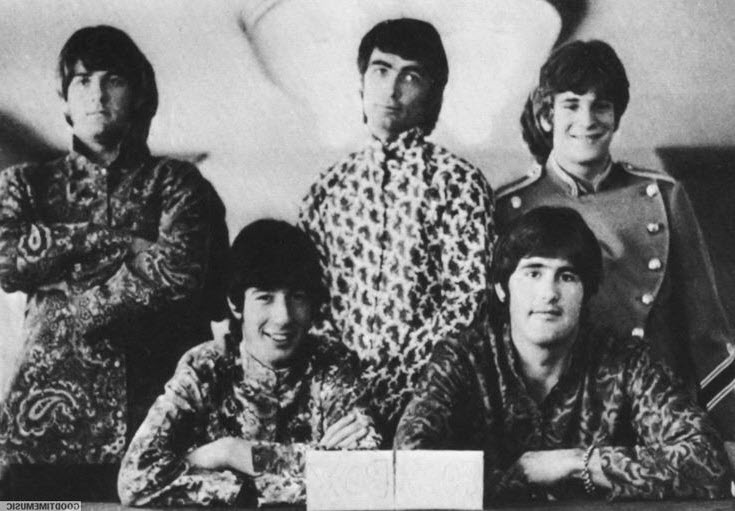
The 1960s were a golden era for music, and among the countless bands that defined the decade, The Box Tops stood out as a group that captured hearts with their soulful sound and unforgettable hits. Hailing from Memphis, Tennessee, this dynamic band blended rock, pop, and blue-eyed soul into a unique style that resonated with millions. Led by the gravelly, mature voice of Alex Chilton—who was just a teenager at the time—the band created songs that still evoke nostalgia and excitement decades later.
From chart-topping anthems to heartfelt ballads, The Box Tops gave us music that transcends time, cementing their place in the annals of rock history. Their melodies are rich with emotion, their lyrics relatable, and their legacy undeniable. Whether you’re a lifelong fan or just discovering their genius, this list of their top 10 most popular songs will take you on a thrilling ride through their greatest moments.
So, buckle up and get ready to revisit—or fall in love for the first time with—the soulful harmonies, catchy rhythms, and timeless appeal of The Box Tops. Let’s dive into the music that defined a generation and continues to inspire listeners around the world!
1. The Letter (1967)
“The Letter” is the song that launched The Box Tops into stardom and left an indelible mark on rock and soul music. Released in 1967, this concise and unforgettable track clocks in at just under two minutes, yet delivers more punch than songs twice its length. With its driving beat and distinctive organ and guitar riff, the song instantly grabs your attention. But it’s Alex Chilton’s voice — gravelly, urgent, and filled with longing — that really carries the emotion. He sings as a heartbroken young man pleading to be reunited with the woman he loves, even if it means catching “a plane at midnight.” The sense of urgency is palpable, and the rawness of his delivery belies the fact that Chilton was only sixteen at the time. “The Letter” soared to number one on the Billboard Hot 100 and became one of the defining tracks of the late ’60s. Its mix of blue-eyed soul and pop-rock made it instantly relatable, while the short run-time gave it a punchy, radio-friendly appeal. Decades later, it still sounds fresh — a timeless anthem of yearning that proves less can truly be more.
2. Cry Like a Baby (1968)
Released in 1968 as a follow-up to their breakout hit “The Letter,” The Box Tops’ “Cry Like a Baby” expanded on the soulful sound that made them famous while adding new musical textures. From the moment the electric sitar riff kicks in, the song feels both innovative and deeply emotional. That Eastern influence adds a touch of psychedelic flair, setting it apart from other pop hits of the time. Alex Chilton once again delivers a powerhouse vocal performance, this time portraying a man brought to his knees by heartbreak. His voice balances strength and vulnerability, making the pain feel authentic and relatable. Lyrically, the song expresses regret and helplessness, capturing the universal sting of love lost. Produced by Dan Penn, “Cry Like a Baby” features rich instrumentation, including strings and horns that elevate the track’s dramatic tone. It quickly climbed the charts, peaking at number two on the Billboard Hot 100, and became one of the band’s most enduring hits. With its fusion of Memphis soul, pop-rock, and a touch of the unexpected, “Cry Like a Baby” solidified The Box Tops’ reputation for crafting emotionally powerful, radio-ready anthems that still resonate decades later.
3. Soul Deep (1969)
“Soul Deep,” released in 1969, is one of the most upbeat and feel-good tracks in The Box Tops’ catalog. From the first few bars, it radiates warmth and positivity, offering a refreshing contrast to the band’s more melancholic ballads. The song is essentially a joyful declaration of love — the kind that runs deep, honest, and true. Alex Chilton’s vocals here are smooth and confident, giving life to lyrics that celebrate a love that’s not just skin-deep, but rooted in something genuine and lasting. Backed by a bright arrangement filled with soulful horns, rhythmic guitar, and catchy backing vocals, the song has a sunny, infectious vibe that’s hard not to smile along with. It’s a testament to the band’s versatility, showing they could just as easily deliver an uplifting tune as they could a tearjerker. “Soul Deep” enjoyed commercial success and has since become one of their most recognizable songs. It’s a perfect slice of late ’60s pop-soul — clean, catchy, and bursting with heart. Whether you’re hearing it for the first time or the hundredth, it still feels like a breath of fresh air and a reminder of how good love — and music — can be.
4. Neon Rainbow (1967)
“Neon Rainbow,” released in 1967, reveals a more reflective and poetic side of The Box Tops. It’s a song that paints vivid images of urban life and the quiet dreams that live within it. While many of the band’s hits are about love and heartbreak, “Neon Rainbow” turns its attention to the city — its lights, its rhythms, and the people trying to find their place in it. The lyrics are almost cinematic: “The city lights, the pretty lights, they can warm the coldest nights.” There’s a longing here, a search for meaning beneath the flashing signs and crowded sidewalks. Alex Chilton’s vocals are tender and understated, carrying a tone of wistfulness that perfectly matches the gentle pace of the melody. The arrangement is soft and warm, with lush strings and a restrained rhythm section that let the lyrics shine. It didn’t reach the same commercial heights as “The Letter,” but “Neon Rainbow” has earned its place as a fan favorite. It showcases The Box Tops’ ability to step back from raw emotion and offer something more nuanced and atmospheric. It’s a quiet gem — nostalgic, thoughtful, and beautifully crafted.
5. I Met Her in Church (1968)
“I Met Her in Church,” released in 1968, is one of The Box Tops’ most distinctive tracks, blending gospel energy with their trademark soul-pop sound. The song tells a story of unexpected love found in the most reverent of places — a church. There’s a spiritual undercurrent running through the entire track, both in the lyrics and the delivery. It opens with a driving rhythm and bright organ flourishes, evoking the liveliness of a gospel service. Alex Chilton’s vocals are especially impassioned here, channeling both surprise and joy as he sings about a love that seems divinely appointed. The background harmonies, handclaps, and almost preachy cadence of the chorus lend the song an uplifting and communal spirit. There’s a celebratory tone throughout, as if the narrator can’t quite believe his good fortune. What makes the track memorable is its seamless fusion of sacred and secular themes — a song about romantic love that feels blessed, pure, and joyful. “I Met Her in Church” isn’t just a novelty in their discography; it’s a testament to The Box Tops’ ability to take musical risks and still stay true to their soulful roots. It’s bold, catchy, and full of heart.
6. Sweet Cream Ladies, Forward March (1968)
“Sweet Cream Ladies, Forward March,” released in 1968, is one of the boldest and most unusual entries in The Box Tops’ catalog. It’s a satirical and socially conscious track wrapped in a candy-coated pop exterior, showcasing the band’s willingness to tackle complex themes in a creative way. The title refers to women working in the sex trade, and rather than judging them, the lyrics offer a cheeky but respectful salute to their perseverance and strength. The song’s lyrics are filled with tongue-in-cheek praise and ironic encouragement, positioning these women as unsung heroes in their own right. Musically, it’s vibrant and energetic, driven by a marching rhythm and a bold brass section that give it a theatrical flair. Alex Chilton sings with a mix of sly wit and sincerity, capturing the quirky tone perfectly. While the subject matter may have raised eyebrows in its day, the song’s clever wordplay and infectious melody helped it become a standout. “Sweet Cream Ladies, Forward March” proves that The Box Tops weren’t afraid to blur the lines between pop and protest. It’s a fascinating blend of wit, soul, and social commentary — still compelling and catchy decades later.
7. Choo Choo Train (1968)
“Choo Choo Train,” released in 1968, takes listeners on a lively and playful musical ride filled with energy, longing, and romantic excitement. Right from the opening notes, the track establishes a sense of motion and adventure, perfectly mirroring its train-themed metaphor. The song uses the imagery of a locomotive to represent a journey toward love — one filled with anticipation and a bit of urgency. Alex Chilton’s vocal performance is brimming with enthusiasm, capturing the exhilaration of someone rushing to reunite with the person they care about. The instrumentation chugs along with rhythmic precision, featuring strong percussion, harmonized backing vocals, and vibrant brass that keep the momentum going. There’s something nostalgic and youthful about the entire production, evoking the spirit of mid-60s pop while staying rooted in the band’s signature soul sound. “Choo Choo Train” doesn’t just entertain; it embodies the joy and simplicity of love in motion. Though it didn’t reach the same heights on the charts as some of their earlier hits, it remains a favorite among fans for its upbeat tempo and charming lyrics. It’s a feel-good song that captures the thrill of chasing love — full speed ahead.
8. Fields of Clover (1968)
Released in 1968, “Fields of Clover” stands out as one of The Box Tops’ most dreamy and romantic tracks. From its opening bars, the song unfolds like a gentle breeze on a sunny afternoon — soft, hopeful, and deeply atmospheric. It paints a pastoral scene of love and serenity, with lyrics that describe a peaceful place where two lovers can escape the troubles of the world. The imagery of “fields of clover” serves as a metaphor for a simpler, more idyllic kind of love — one grounded in innocence, beauty, and emotional honesty. Alex Chilton’s vocal delivery is tender and wistful, filled with warmth and a quiet yearning that adds emotional depth to the song. The arrangement is rich but restrained, featuring smooth guitar lines, mellow horns, and subtle harmonies that create a lush, immersive soundscape. Unlike the band’s more energetic hits, “Fields of Clover” invites listeners to slow down and savor the moment. It showcases a more reflective, romantic side of The Box Tops and highlights their versatility as songwriters and performers. It’s a hidden gem — gentle, heartfelt, and perfect for moments when you need a little escape into something beautiful.
9. Turn on a Dream (1969)
“Turn on a Dream,” released in 1969, is a lush, introspective song that leans heavily into the soulful and cinematic side of The Box Tops’ sound. The track opens with sweeping orchestration and slowly builds into a gentle, melodic ballad filled with emotional nuance. The lyrics center on hope and longing, encouraging the listener to hold onto their dreams even in the face of difficulty. There’s a sense of yearning that runs through every line, with Alex Chilton’s vocals acting as the emotional anchor. His delivery is soft but filled with feeling, drawing you into the song’s intimate world. The orchestral flourishes and layered instrumentation give the track a rich, almost movie-like quality — one that makes you feel like you’re floating through a wistful daydream. While not as commercially celebrated as their biggest hits, “Turn on a Dream” is often cited by fans as one of the band’s most emotionally resonant recordings. It’s proof that The Box Tops could do more than catchy singles — they could craft songs with real emotional depth and beauty. It’s a song about possibility, heartache, and the quiet hope that dreams still matter.
10. I Shall Be Released (1969)
In their 1969 rendition of Bob Dylan’s “I Shall Be Released,” The Box Tops deliver one of their most powerful and emotionally charged performances. Covering a Dylan classic is no small feat, but the band makes it their own by infusing the track with deep soul and heartfelt conviction. Alex Chilton’s voice carries a heavy sense of longing, capturing the core of the song’s message — the hope for freedom, redemption, and release from suffering. It’s a deeply spiritual track, one that speaks to both personal and collective struggles, and the band treats it with the reverence and sincerity it deserves. The arrangement is stripped-down but powerful, allowing Chilton’s vocals to sit front and center while the subtle instrumentation supports the emotional weight of the lyrics. There’s a quiet intensity that builds as the song progresses, culminating in a feeling of cathartic release. It serves as a poignant closer to their greatest hits collection and offers a glimpse into the band’s depth and maturity. “I Shall Be Released” is more than a cover — it’s a soul-bearing interpretation that stands as a testament to The Box Tops’ emotional range and their ability to bring new life to timeless songs.

Edward Tomlin is a frequent contributor to Singers Room. Since 2005, Singersroom has been the voice of R&B around the world. Connect with us via social media below.









