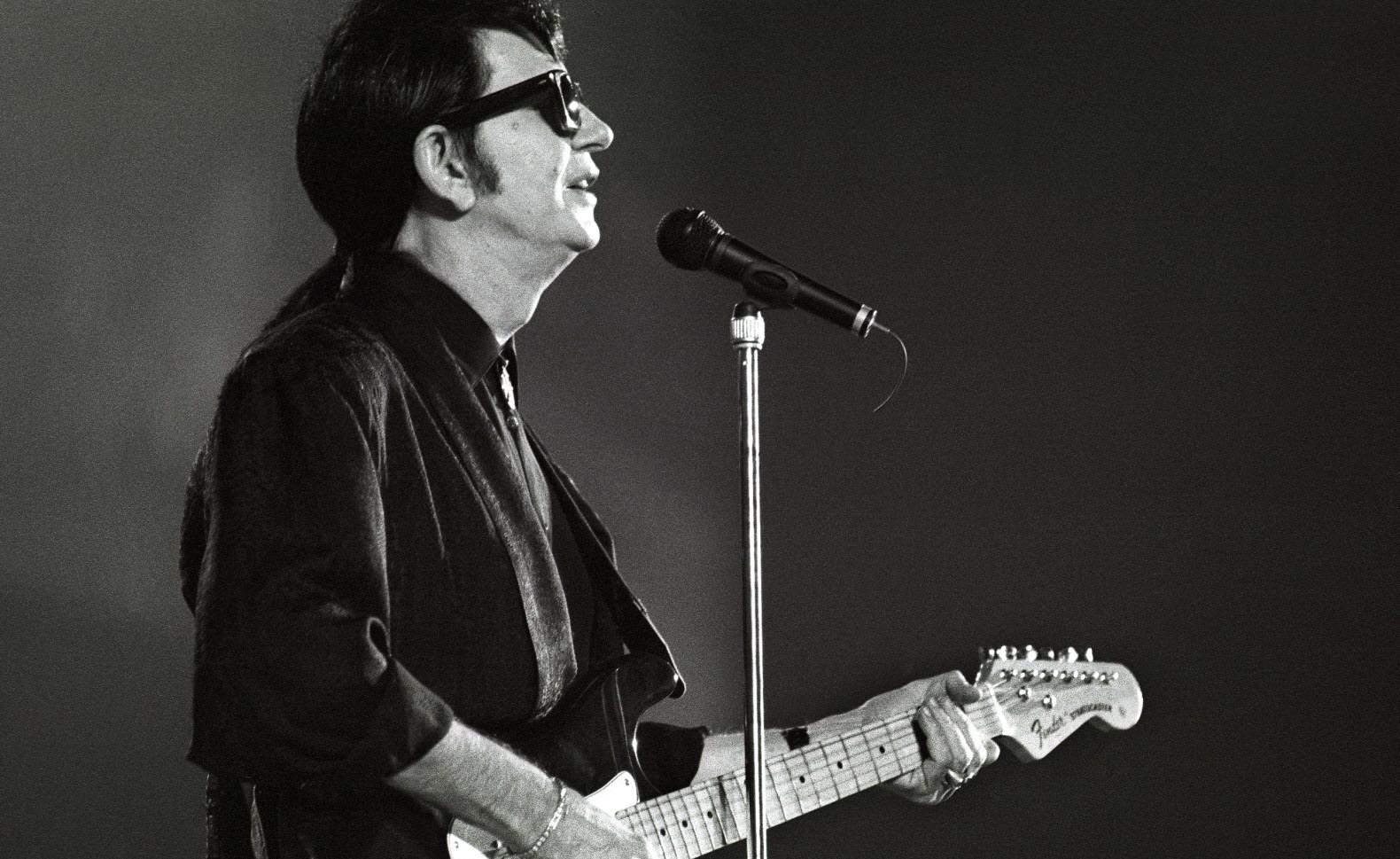
Few artists in music history have left a legacy as profound and enduring as Roy Orbison. Known as “The Big O,” Orbison was a masterful storyteller whose haunting voice, heart-wrenching lyrics, and groundbreaking sound captivated audiences across generations. From his iconic falsetto to his signature blend of rock, country, and pop, Orbison’s music transcends time, evoking raw emotion with every note.
But which of his songs have stood the test of time to become true fan favorites? In this article, we’re diving into the top 10 most popular Roy Orbison songs of all time—a collection of hits that defined his career and cemented his place as one of the greatest musical icons of the 20th century.
Whether you’re a long-time fan or a newcomer discovering Orbison’s genius for the first time, these tracks will take you on a journey through heartbreak, hope, and everything in between. From cinematic ballads like Crying to the electrifying energy of Oh, Pretty Woman, each song is a testament to Orbison’s unparalleled artistry. So, get ready to rediscover the magic of a legend whose music still resonates with millions around the globe. Let the countdown begin!
1. Oh, Pretty Woman (1964)
“Oh, Pretty Woman” stands as Roy Orbison’s signature hit and one of the most recognizable rock and roll songs of all time. Released in 1964, its unforgettable opening guitar riff immediately hooks listeners, setting the stage for Orbison’s confident vocal delivery. The lyrics are simple but effective—a man admiring a beautiful woman passing by, wondering if she could be his. What makes the song stand out isn’t just the subject matter but the swagger and sincerity in Orbison’s voice. His blend of rock energy and operatic emotion gave the track a unique edge. It quickly became a chart-topper, reaching number one in multiple countries and securing Orbison’s place among rock legends. The song’s mass appeal spans generations, and its rhythm and structure influenced countless artists that followed. It’s been covered, parodied, and immortalized in film, yet the original still holds a magnetic charm. “Oh, Pretty Woman” isn’t just a catchy tune—it’s a snapshot of an era when rock and romance collided on the radio, and Orbison was at the center of it all.
2. Crying (1961)
“Crying” is one of Roy Orbison’s most emotionally powerful ballads, released in 1961 and widely regarded as a masterclass in expressing heartbreak through music. From the opening notes, it’s clear this isn’t just another love song—this is a confession. Orbison’s voice soars from a gentle croon to a stunning falsetto, capturing the pain of unrequited love with haunting precision. The orchestral arrangement adds depth, elevating the song’s sorrow to cinematic levels. “Crying” tells the story of a man who seems composed on the outside but is devastated inside after losing someone he loved deeply. The honesty in his delivery—raw, aching, and vulnerable—resonated with listeners and critics alike. It quickly became a hit, reaching number two on the Billboard Hot 100 and solidifying Orbison’s reputation as one of the great emotional vocalists of his time. Over the years, the song has been covered by many, including a notable duet version with k.d. lang. Still, nothing matches the original’s emotional intensity. “Crying” is more than a song—it’s a soul-bearing performance that reminds us how deeply music can reflect the human experience of loss.
3. Only the Lonely (1960)
Released in 1960, “Only the Lonely” was the song that launched Roy Orbison into the spotlight and introduced the world to his signature blend of heartbreak and operatic vocal delivery. With its lush string arrangement and doo-wop-inspired backing vocals, the track was a departure from the rockabilly sound of the time. Orbison’s voice—full of aching vulnerability—delivers lyrics that explore deep emotional isolation with poetic clarity. The line “Only the lonely know the way I feel tonight” captures a universal feeling of solitude in the face of lost love. The song marked a new era for Orbison, who had struggled to find his sound after earlier attempts at rockabilly hits. With “Only the Lonely,” he fully embraced his gift for ballads, and audiences responded—sending the song to number two on the U.S. charts and number one in the U.K. It was the beginning of a string of heartfelt hits that would define his career. “Only the Lonely” remains a cornerstone of Orbison’s catalog, a perfect example of his ability to turn personal pain into universal art.
4. In Dreams (1963)
“In Dreams,” released in 1963, is one of Roy Orbison’s most haunting and beautifully constructed songs. Unlike traditional verse-chorus formats, the song flows like a dream itself—unpredictable, surreal, and emotionally intense. It tells the story of a man who finds solace in dreams where he’s reunited with a lost love, only to wake up and face reality. Orbison’s vocal performance is stunning; he starts gently, then climbs into a soaring falsetto, delivering each line with the aching emotion of someone desperately clinging to a fantasy. The orchestration swells with dramatic flair, adding to the cinematic feel of the song. “In Dreams” was a modest chart success upon release, but its emotional power and unique structure gave it lasting influence. The song gained renewed attention when it was used in David Lynch’s 1986 film Blue Velvet, reintroducing it to a new generation and solidifying its place in pop culture. “In Dreams” captures the surreal quality of memory, longing, and heartbreak in a way few songs can. It’s a testament to Orbison’s genius that a song so unconventional could become one of his most cherished.
5. Blue Bayou (1963)
“Blue Bayou,” released in 1963, is a wistful and evocative ballad that highlights Roy Orbison’s ability to tap into deep emotional currents with simplicity and grace. The song paints a vivid picture of a man yearning to return to a peaceful, idyllic place—“where those fishing boats with their sails afloat, if I could only see.” With its gentle melody and lullaby-like rhythm, “Blue Bayou” contrasts the heartache in the lyrics with a sense of hope and calm. Orbison’s voice glides effortlessly across the verses, infusing each word with longing and warmth. The track speaks to anyone who’s ever felt out of place or homesick, making it universally relatable. Though not one of his biggest chart-toppers initially, the song has grown in stature over the years and remains a fan favorite. Linda Ronstadt’s 1977 cover helped bring renewed attention to it, but Orbison’s original version still stands as the definitive take. “Blue Bayou” captures the essence of escapism, nostalgia, and emotional vulnerability—all wrapped in Orbison’s unmistakable voice. It’s a quiet masterpiece that lingers long after the last note fades.
6. Running Scared (1961)
“Running Scared,” released in 1961, is a remarkable example of Roy Orbison’s skill in building emotional tension through music. The song tells the story of a man gripped by fear that he might lose the woman he loves, creating a sense of urgency and vulnerability. What makes this track so compelling is how Orbison’s voice takes listeners on a journey, starting soft and uncertain before gradually rising to a powerful, almost operatic climax. The arrangement cleverly supports this build-up with minimal instrumentation early on, allowing Orbison’s vocal intensity to shine before the full orchestra and backing vocals swell to a dramatic finish. It’s a masterclass in storytelling through music, blending pop sensibilities with theatrical dynamics. “Running Scared” topped the UK charts and made a strong impact in the US, further cementing Orbison’s reputation as a unique voice in rock and roll. The song’s lasting appeal lies in its raw emotional honesty—listeners can feel the panic, hope, and desperation all rolled into one heartfelt performance. It’s a thrilling, unforgettable listening experience that showcases the emotional range and vocal power that made Orbison legendary.
7. You Got It (1989)
“You Got It,” released in 1989, marked a stunning comeback for Roy Orbison after a long hiatus and personal hardships. Co-written with Tom Petty and Jeff Lynne, the song blends Orbison’s classic emotional vocal style with a polished, contemporary rock production that felt fresh for the late ’80s. The upbeat tempo and catchy melody make it an instantly memorable track, while the lyrics express unwavering love and devotion, celebrating a relationship built on trust and mutual support. Orbison’s voice sounds both timeless and vibrant, reminding listeners why his music transcends generations. “You Got It” was a commercial success, reaching the top 10 in the U.S. and several other countries, and introduced Orbison to a new audience while pleasing longtime fans. It’s a joyous, uplifting song that captures the power of love to heal and inspire. The collaboration with Petty and Lynne also highlights Orbison’s adaptability as an artist, able to evolve while staying true to his heartfelt style. “You Got It” remains a beloved anthem of love’s enduring strength.
8. It’s Over (1964)
“It’s Over,” released in 1964, is one of Roy Orbison’s most dramatic and emotionally intense ballads. The song explores the pain and finality of a relationship ending, capturing the sorrow and heartbreak that come with saying goodbye to someone deeply loved. Orbison’s powerful, operatic vocal performance brings every word to life, full of passion and vulnerability. The lush orchestral arrangement, featuring sweeping strings and poignant piano, enhances the song’s cinematic feel, almost like a heartbreaking scene in a movie. The tension between hope and despair plays out beautifully as Orbison delivers the line “It’s over, now,” with a mixture of resignation and lingering pain. This track showcases Orbison’s ability to turn personal heartbreak into universal emotion that anyone can relate to. Though not as commercially massive as some of his other hits, “It’s Over” is deeply respected by fans and critics for its emotional depth and dramatic artistry. It stands as a powerful example of how Orbison’s music often felt like an emotional journey, blending vulnerability with grand expression.
9. Dream Baby (How Long Must I Dream) (1962)
“Dream Baby (How Long Must I Dream),” released in 1962, reveals a more playful and upbeat side of Roy Orbison. Unlike his deeply emotional ballads, this song has a bright, catchy rhythm and a carefree energy that’s infectious. The lyrics express eager longing for love, with Orbison asking how long he must keep dreaming before his dreams come true. The melody is lively and danceable, reflecting the optimism and youthful excitement of romantic anticipation. Orbison’s vocals are energetic and smooth, effortlessly shifting from tender moments to more spirited bursts. The track highlights his versatility as a performer—able to move beyond heartbreak into joyous celebration without losing his signature vocal flair. “Dream Baby” was a commercial success, charting well and becoming a favorite for fans who appreciate Orbison’s range. It’s a reminder that alongside the heartache and sorrow, there was also hope and playfulness in his music. This song remains a charming, feel-good tune that adds balance to Orbison’s catalog of emotional storytelling.
10. A Love So Beautiful (1989)
Released posthumously in 1989, “A Love So Beautiful” is a tender and deeply moving ballad that showcases Roy Orbison’s unmatched vocal expression in the later years of his career. The song’s romantic lyrics tell the story of a love so pure and profound that it transcends time and circumstance. Orbison’s voice carries a warm, rich tone full of nostalgia and yearning, inviting listeners into a heartfelt reflection on the beauty and fragility of true love. The sweeping musical arrangement—complete with gentle strings and a subtle rhythm section—creates an intimate atmosphere that perfectly complements the emotional depth of the song. Though released after his death, “A Love So Beautiful” stands as a poignant reminder of Orbison’s enduring talent and ability to connect with listeners on a deeply emotional level. It captures both the joy and the bittersweet nature of love, making it one of the most touching entries in his catalog. This ballad remains a favorite for fans who admire Orbison’s gift for blending vocal power with sincere emotion, proving that his music continues to inspire long after his passing.

Edward Tomlin is a frequent contributor to Singers Room. Since 2005, Singersroom has been the voice of R&B around the world. Connect with us via social media below.









