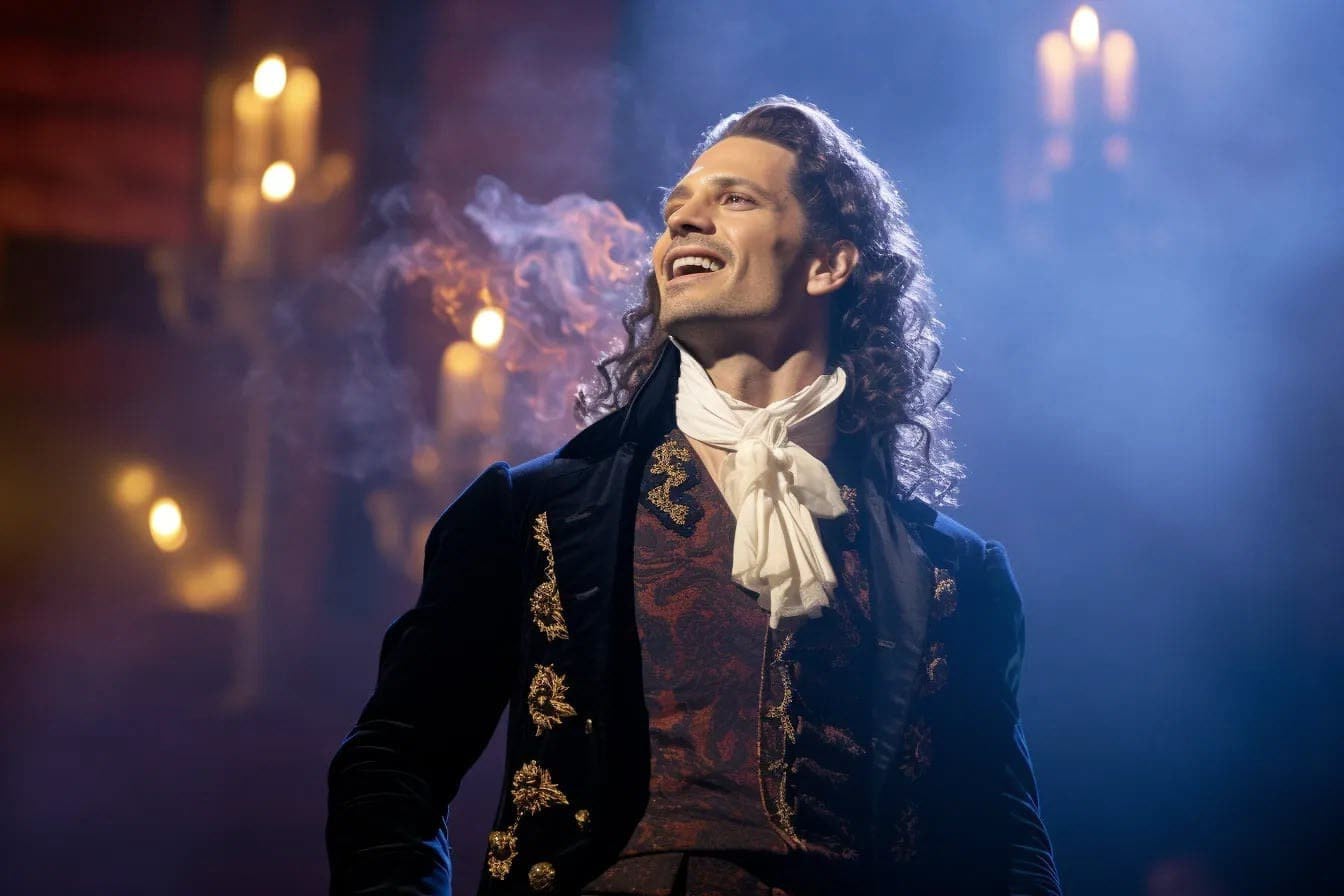
Opera is the ultimate fusion of music, drama, and emotion—a powerful art form that has captivated audiences for centuries with its soaring arias, breathtaking vocal performances, and epic storytelling. It’s where passion is amplified, heartbreak is sung at full volume, and every note carries the weight of a thousand emotions. Whether performed in grand, gilded theaters or echoed through headphones, opera has a unique ability to move us, mesmerize us, and leave us breathless. In this list of the Top 15 Most Popular Opera Songs of All Time, we celebrate the arias and duets that have defined the genre and enchanted the world.
These iconic pieces—crafted by legendary composers like Verdi, Puccini, Mozart, and Bizet—are more than just beautiful melodies. They’re timeless expressions of love, loss, triumph, and tragedy, performed by the most powerful voices on Earth. From the fiery drama of Carmen to the heart-wrenching beauty of La Bohème, each song on this list has stood the test of time and continues to ignite emotion in every listener. Whether you’re an opera aficionado or a curious newcomer, these masterpieces are your gateway to the grandeur and glory of opera. So sit back, open your heart, and let the music speak.
1. Habanera (L’amour est un oiseau rebelle) – Carmen (1875) – Georges Bizet
Few arias exude seduction and independence like Carmen’s famous “Habanera,” first performed in 1875. Sung by the bold and free-spirited Carmen, this sultry piece introduces her philosophy of love as a wild, untamable bird. The rhythmic sway of the music, inspired by the Cuban habanera dance, weaves an irresistible spell, drawing both characters and audiences into Carmen’s dangerous allure. With its hypnotic melody and fiery spirit, “Habanera” has become one of opera’s most enduring and frequently referenced pieces, appearing in countless films, commercials, and pop culture moments.
2. Queen of the Night Aria (Der Hölle Rache) – The Magic Flute (1791) – W.A. Mozart
A dazzling showcase of vocal fireworks, the Queen of the Night’s aria (Der Hölle Rache) from Mozart’s The Magic Flute (1791) is among the most thrilling and demanding pieces ever written for soprano. Sung with electrifying intensity, the aria conveys the Queen’s vengeful fury as she commands her daughter to commit murder. Its rapid leaps and piercing high Fs make it a pinnacle of coloratura soprano repertoire. This aria’s exhilarating drama and technical bravado continue to captivate audiences, making it an unforgettable moment in opera history.
3. Nessun dorma – Turandot (1926) – Giacomo Puccini
A soaring testament to determination and love, “Nessun dorma” is one of the most powerful and recognizable arias in opera history. Premiering in 1926 as part of Puccini’s Turandot, this aria is sung by the courageous Prince Calaf, who boldly proclaims his inevitable victory in a high-stakes challenge for the love of Princess Turandot. The aria begins with a tender yet resolute melody, gradually building to its famous climax as Calaf exclaims “Vincerò!” (“I will win!”). Luciano Pavarotti’s legendary interpretation cemented this piece in popular culture, making it an anthem of triumph that resonates far beyond the opera stage.
4. La donna è mobile – Rigoletto (1851) – Giuseppe Verdi
Few opera arias are as instantly recognizable as “La donna è mobile,” a lively and mischievous melody from Verdi’s Rigoletto, composed in 1851. Sung by the charming yet unscrupulous Duke of Mantua, the piece playfully mocks the fickleness of women, its bouncy rhythm and lighthearted melody concealing the darker undertones of the opera’s tragic plot. This aria was an immediate hit upon its debut, and its infectious tune has been endlessly whistled, parodied, and performed ever since. Even for those unfamiliar with opera, “La donna è mobile” remains an enduring musical staple.
5. Largo al factotum – The Barber of Seville (1816) – Gioachino Rossini
A whirlwind of energy and virtuosity, “Largo al factotum” bursts onto the stage early in Rossini’s The Barber of Seville, first performed in 1816. Sung by Figaro, the quick-witted and ever-resourceful barber, the aria is an exuberant declaration of his talents and importance. The rapid-fire lyrics, especially the repeated “Figaro! Figaro! Figaro!” have become legendary, capturing the character’s humor and charm in a dazzling display of vocal agility. This piece remains a favorite for baritones who relish the challenge of its tongue-twisting brilliance and boundless enthusiasm.
6. Una furtiva lagrima – L’elisir d’amore (1832) – Gaetano Donizetti
One of the most delicate and poignant arias in all of opera, Una furtiva lagrima from Donizetti’s L’elisir d’amore (1832) is a heartfelt outpouring of love and hope. Sung by Nemorino, a shy and hopelessly romantic young man, the aria captures the moment he sees a single tear in the eyes of his beloved Adina—a sign that she may love him after all. The melody is simple yet deeply expressive, filled with longing and tenderness. With its gentle rise and fall, the music mirrors Nemorino’s emotions, moving from quiet reflection to swelling joy. This aria remains a favorite among tenors and audiences alike, celebrated for its emotional sincerity and lyrical beauty.
7. E lucevan le stelle – Tosca (1900) – Giacomo Puccini
Few arias capture the bittersweet agony of lost love as powerfully as E lucevan le stelle from Puccini’s Tosca (1900). Sung by the doomed Mario Cavaradossi on the eve of his execution, it is a deeply introspective moment where he reminisces about the beauty of past love and the cruel fate that awaits him. As he gazes at the night sky, the music unfolds with aching melancholy, each phrase steeped in despair and nostalgia. The orchestra swells beneath the soaring vocal line, painting a picture of longing and resignation. The aria’s ability to balance poetic beauty with raw emotion makes it one of the most devastatingly powerful moments in opera.
8. O mio babbino caro – Gianni Schicchi (1918) – Giacomo Puccini
Soft, sweet, and filled with heartfelt emotion, “O mio babbino caro” is a brief but deeply moving aria from Puccini’s Gianni Schicchi, first performed in 1918. Sung by the lovesick Lauretta as she pleads with her father to allow her marriage, the aria is both an innocent request and an exaggerated, almost comical threat of despair. Despite its simplicity, the melody’s lush beauty and sincerity have made it a timeless favorite at concerts, weddings, and beyond. It is a perfect example of Puccini’s gift for expressing profound emotion in the most exquisite melodies.
9. Libiamo ne’ lieti calici (The Drinking Song) – La Traviata (1853) – Giuseppe Verdi
A toast to love and revelry, “Libiamo ne’ lieti calici” opens Verdi’s La Traviata (1853) with effervescent charm. This lively duet, performed by Alfredo and Violetta, invites all to celebrate life with wine and joy. The waltzing rhythm and infectious melody create an atmosphere of intoxicating gaiety, making it one of the most well-loved and frequently performed ensemble pieces in opera. Whether in a grand opera house or an informal gathering, the spirited nature of “Libiamo” ensures that it remains a crowd favorite.
10. Casta Diva – Norma (1831) – Vincenzo Bellini
A moment of ethereal beauty, “Casta Diva” from Bellini’s Norma (1831) is one of the most sublime arias in the bel canto tradition. Sung by the Druid priestess Norma, this prayer to the moon goddess exudes an air of sacred tranquility and longing. Its long, flowing phrases demand exceptional breath control and expressive depth, making it a defining piece for sopranos. The aria’s haunting serenity and lyrical grace have ensured its place as one of opera’s most cherished and revered masterpieces.
11. Au fond du temple saint – Les Pêcheurs de Perles (1863) – Georges Bizet
A duet of exquisite beauty and harmony, Au fond du temple saint from Bizet’s Les Pêcheurs de Perles (1863) is a moment of shared nostalgia and poetic longing. Two friends, Nadir and Zurga, recall the moment they both saw a veiled priestess and fell under her spell. Their voices intertwine in a mesmerizing blend, reflecting their deep bond while also hinting at the conflict to come. The duet’s sweeping, luminous melody and rich orchestration create a dreamlike atmosphere, making it one of the most beloved moments in French opera. Its sense of tranquility and brotherhood is tinged with an underlying tension, as both men secretly love the same woman, setting the stage for the opera’s dramatic events.
12. Bella figlia dell’amore – Rigoletto (1851) – Giuseppe Verdi
Verdi was a master of ensemble writing, and Bella figlia dell’amore from Rigoletto (1851) is a brilliant showcase of his ability to layer emotions through multiple voices. In this dramatic quartet, four characters express wildly different emotions at the same time—seduction, jealousy, heartbreak, and fury—all woven together into a single, stunning musical moment. The Duke of Mantua seduces Maddalena with sweet words, while Gilda, his betrayed lover, watches in despair. Meanwhile, Rigoletto, her father, seethes with rage, determined to take revenge. The contrasting vocal lines create an incredible dramatic tension, making this quartet one of opera’s most electrifying and theatrically engaging scenes.
13. Celeste Aida – Aida (1871) – Giuseppe Verdi
Opening Verdi’s grand opera Aida (1871), Celeste Aida is an impassioned declaration of love and devotion. Sung by the Egyptian warrior Radamès, the aria expresses his deep longing for Aida, the Ethiopian princess he secretly loves. Verdi’s music demands both power and finesse, as the aria soars with heroic grandeur while also maintaining a sense of tenderness. Radamès envisions Aida as a radiant queen, yet his love for her is tragically bound by the conflicts of war and duty. The aria’s final note—often sung as a delicate, fading pianissimo rather than a triumphant climax—adds to the bittersweet nature of his love, foreshadowing the tragedy that lies ahead.
14. Che gelida manina – La Bohème (1896) – Giacomo Puccini
Puccini’s Che gelida manina from La Bohème (1896) is one of the most magical expressions of love at first sight in opera. Sung by the poet Rodolfo when he meets the delicate and shy Mimi, the aria begins with a tender moment as he takes her cold hand in his. From there, the music gradually builds, mirroring Rodolfo’s growing passion as he describes his life as a struggling artist and his sudden, overwhelming love for her. Puccini’s soaring melodies and lush orchestration create an irresistible sense of warmth and romance, making this aria a highlight of the opera. It perfectly captures the youthful optimism and intensity of new love, even as shadows of fate loom in the distance.
15. Vesti la giubba – Pagliacci (1892) – Ruggero Leoncavallo
Arguably one of the most heartbreaking arias in opera, Vesti la giubba from Pagliacci (1892) lays bare the agony of a man forced to perform while his heart is breaking. Canio, a clown in a traveling theater troupe, has just learned of his wife’s infidelity, yet he must go onstage and entertain the crowd. As he dons his costume and makeup, he sings of the bitter irony of having to laugh while his soul is in torment. The aria’s sweeping melody and dramatic intensity make it a defining moment of the verismo style, where raw human emotions are at the forefront. The final cry of “Ridi, Pagliaccio!” (Laugh, Clown!) is one of opera’s most unforgettable moments, a harrowing mix of anguish and forced merriment.

Samuel Moore is a frequent contributor to Singers Room. Since 2005, Singersroom has been the voice of R&B around the world. Connect with us via social media below.









