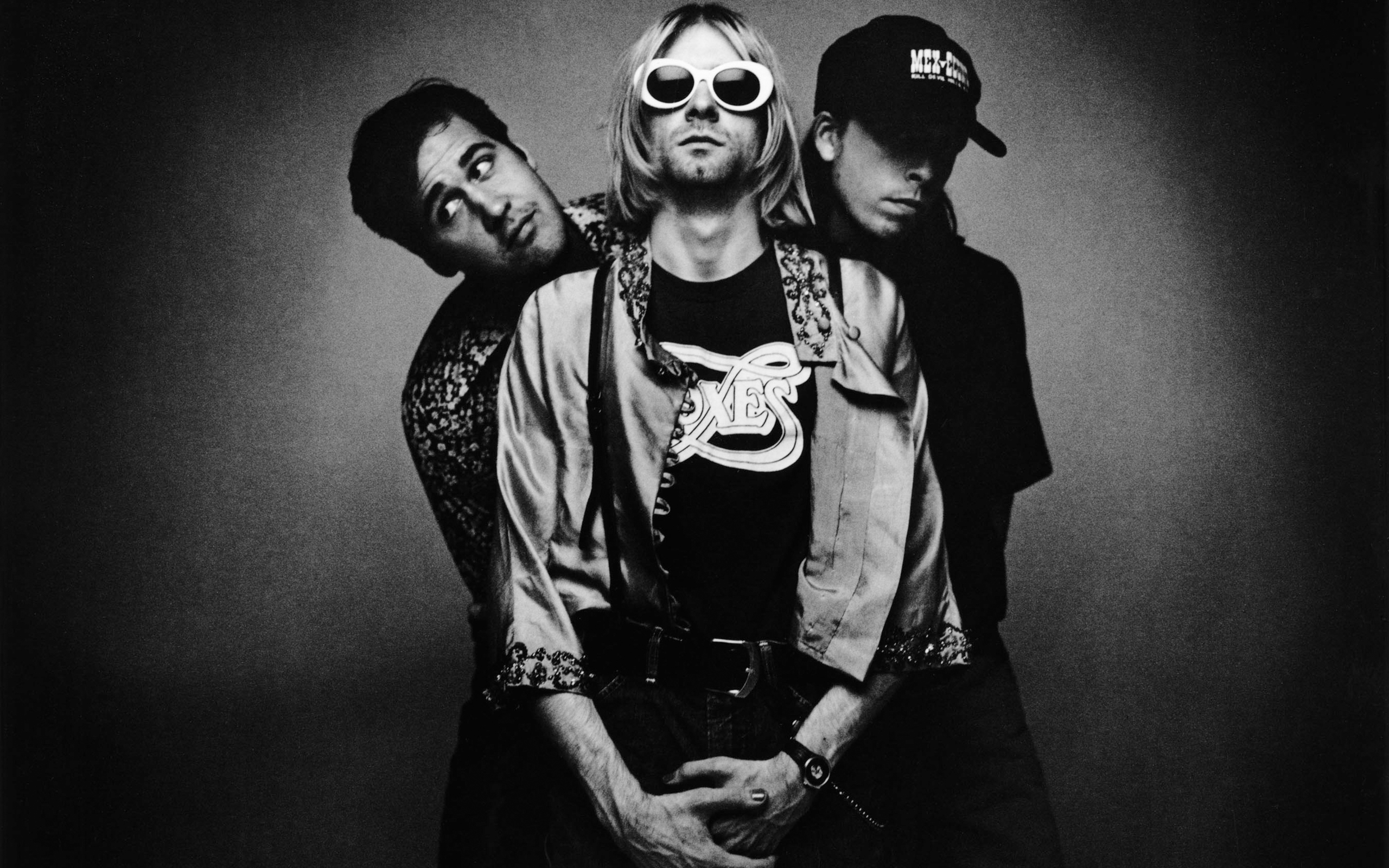
Few bands have left an indelible mark on music history quite like Nirvana. Emerging from the grunge explosion of the early 1990s, this iconic trio—led by the enigmatic Kurt Cobain—redefined rock with their raw lyrics, infectious melodies, and emotionally charged performances. Blending punk’s rebellious energy with a deeply introspective edge, Nirvana created a sound that spoke to a generation, transcending time and genre.
Their meteoric rise to fame, fueled by the groundbreaking album Nevermind, catapulted them into global stardom. From anthems of angst to haunting ballads, Nirvana’s music captured the struggles, hopes, and desires of countless fans. Even decades after their untimely end, their songs continue to resonate, inspiring new listeners and reminding us of the power of authentic artistry.
In this article, we’re diving into the top 10 most popular Nirvana songs of all time—tracks that defined an era and cemented their legacy. Whether you’re a lifelong fan or just discovering the band, these songs are sure to evoke every emotion, from head-banging euphoria to quiet reflection. So, crank up the volume and join us on a journey through Nirvana’s greatest hits—raw, real, and unforgettable.
1. Smells Like Teen Spirit (1991)
“Smells Like Teen Spirit” is the song that changed everything—not just for Nirvana, but for rock music as a whole. Released as the opening single from Nevermind, it quickly exploded into a full-blown anthem for disaffected youth in the early ’90s. Built around a fuzz-drenched guitar riff and Kurt Cobain’s explosive vocal delivery, the song captures the tension, frustration, and confusion that so many young people were feeling at the time. Its chorus—“Here we are now, entertain us”—was both a rallying cry and a sarcastic jab at mainstream culture. The lyrics are cryptic, almost nonsensical at times, but that only added to its mystique. Backed by Dave Grohl’s thunderous drumming and Krist Novoselic’s rumbling bass, “Smells Like Teen Spirit” was raw, loud, and undeniably powerful. It gave the grunge movement a mainstream breakthrough and signaled a shift away from the glam and excess of the ’80s. The song’s massive success even surprised the band, but it ultimately became the defining track of their career and a cultural touchstone for Generation X. It wasn’t just a hit—it was a revolution wrapped in flannel and distortion.
2. Come as You Are (1991)
With its slow, watery guitar riff and haunting atmosphere, “Come as You Are” offers a more contemplative side of Nirvana. Released as the second single from Nevermind, it stands in stark contrast to the furious energy of “Smells Like Teen Spirit.” The track opens with a guitar riff drenched in chorus effect, giving it an underwater, almost hypnotic feel. Lyrically, Cobain explores themes of contradiction, identity, and acceptance, often blurring the lines between sincerity and sarcasm. Lines like “Take your time, hurry up / The choice is yours, don’t be late” reflect the inner conflict that defines much of his songwriting. But it’s the refrain—“And I swear that I don’t have a gun”—that lingers in the mind, eerie and ambiguous, especially in hindsight. The track is understated but incredibly effective, building slowly and wrapping listeners in a sense of quiet unease. It’s one of Nirvana’s most introspective songs, and its success further solidified their reputation as a band that could be both raw and reflective. “Come as You Are” invites you in, not with aggression, but with a ghostly vulnerability that stays with you long after the song ends.
3. Heart-Shaped Box (1993)
“Heart-Shaped Box” opens In Utero with a heavy, uneasy grace that immediately sets the tone for Nirvana’s most abrasive and raw album. Released in 1993, the track blends unsettling lyrics with a grinding, grungy guitar riff that seems to sway between menace and melancholy. Cobain’s songwriting here is layered with cryptic imagery—references to cancer, angels, and longing—all delivered in his signature pained vocals. The song is often interpreted as being about complicated relationships, possibly even a meditation on his marriage or his ambivalence about fame. The verses creep quietly, only to erupt into a chorus that’s as cathartic as it is jarring. That dynamic tension is where “Heart-Shaped Box” finds its emotional power. The accompanying music video, drenched in surreal and disturbing symbolism, amplified the song’s intensity and helped etch it into the cultural consciousness. Despite its darker tone, the song became a radio staple and is now seen as one of Nirvana’s finest works. It doesn’t just reflect Cobain’s inner turmoil—it embodies it. “Heart-Shaped Box” is unsettling, poetic, and unforgettable—exactly the kind of song that makes Nirvana’s legacy feel so personal and profound.
4. Lithium (1991)
“Lithium” is one of Nirvana’s most emotionally dynamic songs, brilliantly capturing the experience of mental instability with both humor and heartbreak. Released on Nevermind, it’s a track that lingers in the space between numbness and manic joy. The song begins with a jangly, almost cheerful guitar line, but quickly dives into loud, distorted choruses that scream with emotional chaos. The lyrics describe a character who finds solace in religion after losing a loved one, but Cobain’s delivery suggests that faith is more of a lifeline than a cure. “I’m so happy ’cause today I found my friends, they’re in my head,” he sings with a twisted sense of irony. The contrast between the subdued verses and explosive choruses makes the song feel like a sonic rollercoaster. That loud-quiet-loud structure became a hallmark of Nirvana’s sound and was a huge influence on alternative rock as a whole. “Lithium” doesn’t glamorize mental illness—it lays it bare in all its confusion and contradiction. It’s an anthem for anyone who’s ever felt alone, volatile, or on the edge. Through it all, Cobain manages to make despair sound beautiful—and even a little bit funny.
5. In Bloom (1991)
“In Bloom” is one of Nirvana’s most ironic and self-aware songs—a track that critiques the kind of listener who loves the sound but misses the message. Released from Nevermind, it comes wrapped in infectious guitar riffs, booming drums, and a melody so catchy it’s easy to overlook the sarcasm in the lyrics. Cobain’s target is clear: people who latch onto the band’s success without understanding or caring about what they stand for. The chorus—“He’s the one who likes all our pretty songs / And he likes to sing along”—sounds cheerful on the surface, but it’s a not-so-subtle jab at shallow fans and the commercialization of counterculture. Musically, “In Bloom” is polished and radio-friendly, making its critique of mainstream appeal all the more deliciously ironic. The music video, which features the band spoofing 1960s television variety shows, drives the point home with humor and bite. It’s both a parody and a product of its time—a song that invites you in with a smile, then flips the mirror back on the audience. “In Bloom” is Nirvana at their most clever, walking the tightrope between cultural critique and rock anthem.
6. All Apologies (1993)
“All Apologies” is one of Nirvana’s most introspective and quietly heartbreaking songs. As the final track on In Utero, it reveals a more subdued and contemplative side of the band. Built around a simple acoustic guitar progression and a cello that hums in the background, the track is both intimate and haunting. Kurt Cobain’s lyrics are cryptic yet emotionally resonant, suggesting themes of guilt, surrender, and self-awareness. The repeated line “All in all is all we are” feels like a mantra—simultaneously peaceful and fatalistic. His voice sounds tired, almost resigned, as if he’s reflecting on everything he cannot change. Unlike the chaos of earlier tracks, “All Apologies” leans into stillness, giving listeners a quiet space to feel the weight of his words. The song has often been interpreted as Cobain’s attempt at closure, a final offering to fans, family, and perhaps himself. Whether it’s a message of peace or a whispered farewell, it remains deeply moving. Its power lies in its simplicity—a stark contrast to the band’s usual ferocity—and in that stillness, Nirvana created something timeless. It’s a song that lingers long after it ends, like a heavy sigh in a silent room.
7. Rape Me (1993)
“Rape Me” is a song that refuses to be ignored. Released on In Utero, it immediately caused controversy due to its provocative title and blunt lyrics. But beneath its raw and jarring presentation lies a message of resistance, not exploitation. Kurt Cobain wrote it as a protest song—an indictment of sexual violence, media sensationalism, and the invasion of personal boundaries. The song opens with a simple, stripped-down guitar riff that mirrors “Smells Like Teen Spirit,” but it trades teenage angst for something angrier and more confrontational. “Rape me, do it and do it again,” Cobain sings, daring the listener to confront the discomfort head-on. His voice is defiant, his message unflinching. Rather than glorifying victimization, the track reclaims power through confrontation. Musically, it’s bare and repetitive, emphasizing the point through raw repetition. It’s not meant to be pretty—it’s meant to provoke thought and emotion. “Rape Me” challenged listeners to grapple with the darker realities often ignored or sanitized by mainstream media. Though controversial, it stands as one of Nirvana’s most courageous and direct works, proving the band’s willingness to speak uncomfortable truths without sugarcoating or retreating into metaphor.
8. About a Girl (1989)
“About a Girl” is an early example of Kurt Cobain’s knack for blending gritty punk energy with melodic pop sensibility. Featured on Nirvana’s debut album Bleach, it stands out for its cleaner sound and more traditional song structure compared to the rest of the record’s raw, heavy tracks. With jangly guitars and a hummable melody, the song hints at the direction Nirvana would later take on Nevermind. Cobain reportedly worried that it was “too pop” for Bleach, but it’s that melodic accessibility that makes it so compelling. The lyrics are simple but honest, inspired by Cobain’s then-girlfriend Tracy Marander, and reflect the tension between personal responsibility and emotional detachment. His voice carries a vulnerability that feels both distant and sincere, giving the song a disarming quality. “About a Girl” was reintroduced to the world in acoustic form during Nirvana’s MTV Unplugged in New York performance, where its emotional weight was amplified in a stripped-down setting. That version became a fan favorite and helped solidify the song as a cornerstone of Nirvana’s catalog. It’s proof that even in their earliest days, Nirvana was capable of emotional depth and unforgettable hooks.
9. Polly (1991)
“Polly” is one of the most chilling and quietly powerful songs in Nirvana’s catalog. Released on Nevermind, it’s a stark acoustic ballad that tells the disturbing story of a girl who survives a kidnapping and assault. Told from the perspective of the attacker, the lyrics are deliberately unsettling, forcing listeners to confront the reality of violence in a way that feels uncomfortably intimate. What makes “Polly” so haunting is its stark minimalism. Cobain sings in a calm, almost detached tone over a simple acoustic guitar, with no drums or bass to cushion the blow. That sparseness makes every word land harder, highlighting the song’s dark subject matter without sensationalizing it. Cobain’s decision to write from the perspective of the abuser wasn’t for shock value—it was to shed light on the horror of abuse from within. “Polly” showcases his willingness to tackle difficult topics through his art, using music as a vehicle for awareness and empathy. The song’s power lies not in volume or aggression, but in its disturbing quietness. It’s a somber reminder that Nirvana wasn’t just about rebellion—they also gave a voice to pain that often went unheard.
10. Something in the Way (1991)
“Something in the Way” closes Nevermind on a haunting and somber note, stripping everything down to its emotional core. With barely more than a quietly strummed acoustic guitar and Cobain’s whisper-like vocals, the song feels like an open wound—raw, fragile, and deeply personal. Its lyrics paint a bleak portrait of isolation, with lines like “Underneath the bridge, the tarp has sprung a leak” suggesting homelessness or mental collapse. Whether literal or metaphorical, the imagery evokes a sense of complete detachment from the world. Cobain recorded the vocals while lying down in the studio to capture a more subdued tone, and that weariness seeps into every second of the song. Unlike the explosive energy of earlier tracks, “Something in the Way” invites silence and introspection. It’s the sound of a man unraveling slowly, his pain laid bare without distortion or noise to hide behind. In 2022, the song found new life after being featured prominently in The Batman, introducing it to a new generation. Yet even outside of pop culture moments, it stands on its own as one of Nirvana’s most emotionally intense recordings. It’s not just a song—it’s a confession, delivered in a whisper.

Edward Tomlin is a frequent contributor to Singers Room. Since 2005, Singersroom has been the voice of R&B around the world. Connect with us via social media below.









