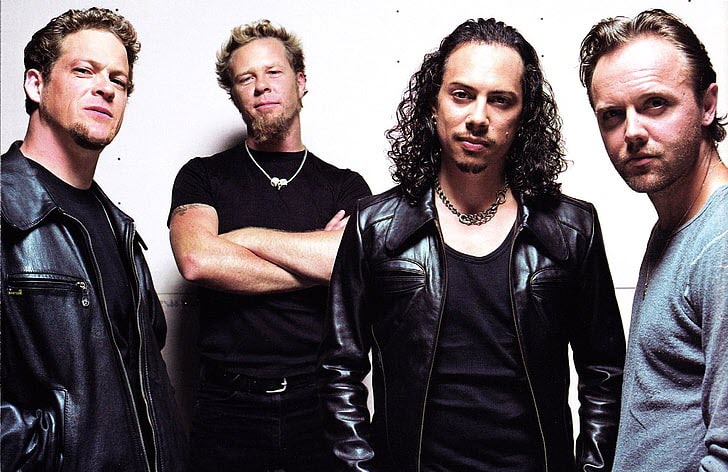
Few bands in the history of rock and metal have left a legacy as powerful and enduring as Metallica. From their humble beginnings in the early 1980s to becoming heavy metal titans, Metallica has consistently pushed boundaries, redefined genres, and captivated millions of fans worldwide. With their blistering riffs, thunderous drums, and lyrics that range from raw emotion to existential reflection, Metallica has become a cultural phenomenon—and their music is nothing short of legendary.
But with a catalog spanning over four decades, which songs truly define Metallica’s greatness? From the thrash-metal anthems that ignited the genre to the iconic ballads that captivated mainstream audiences, this list of the top 10 most popular Metallica songs takes you on a journey through the band’s most unforgettable moments. Whether you’re a lifelong fan who grew up headbanging to Master of Puppets or a newcomer discovering their magic for the first time, this countdown celebrates the tracks that have stood the test of time, shattered records, and brought fans together in arenas and festivals across the globe.
So turn up the volume, feel the adrenaline, and get ready to dive into Metallica’s greatest hits—because this is the ultimate soundtrack for metalheads everywhere!
1. Enter Sandman (1991)
“Enter Sandman” is one of Metallica’s most recognizable and influential tracks, released as the lead single from their 1991 self-titled album, famously known as The Black Album. This song marked a major turning point in the band’s sound, shifting from pure thrash metal to a more refined, accessible, and radio-friendly style while retaining the band’s dark intensity. The haunting main riff, written by Kirk Hammett, sets the eerie tone immediately, accompanied by James Hetfield’s gritty vocals and cryptic lyrics about nightmares, fear, and the loss of innocence. The song explores childhood anxiety through the metaphor of the Sandman—a mythical figure traditionally associated with sleep—here turned into something menacing. With its explosive production, catchy chorus, and heavy groove, “Enter Sandman” quickly became a cultural milestone. It played a huge role in launching Metallica into global superstardom and remains a staple at sporting events, on rock radio, and in their live shows. Its iconic status is cemented not just by its chart success, but by how it connected with a much wider audience, bringing metal to the mainstream in a way few bands had ever done before.
2. Master of Puppets (1986)
“Master of Puppets” is a towering achievement in the world of heavy metal, showcasing Metallica’s musical and lyrical complexity at its finest. Released in 1986 as the title track of their third album, the song explores the destructive nature of addiction, portraying drugs as a puppet master controlling the user. Clocking in at over eight minutes, the song unfolds in dynamic layers—from relentless thrash riffs to a haunting, melodic interlude—demonstrating the band’s sophisticated songwriting. Hetfield’s aggressive vocal delivery paired with Lars Ulrich’s tight drumming and Hammett’s intricate solos gives the track a brutal elegance. Lyrically, it offers one of Metallica’s darkest narratives, with lines like “Taste me you will see, more is all you need” hammering home the consuming nature of dependency. Despite not being released as a single, the song became one of Metallica’s most beloved and frequently performed tracks. “Master of Puppets” is widely regarded as a masterpiece, a benchmark for thrash metal, and a career-defining moment for the band. Its lasting influence is evident in how it continues to inspire musicians and energize audiences nearly four decades later.
3. One (1988)
“One” is a deeply emotional and harrowing song that stands out as one of Metallica’s most powerful compositions. Released in 1988 on the album …And Justice for All, the song was inspired by Johnny Got His Gun, a novel about a soldier who becomes a quadruple amputee and loses his ability to see, speak, and hear. Trapped inside his own body, he becomes a silent prisoner of war—unable to die, yet unable to live. The song’s structure mirrors this emotional turmoil, starting with a slow, mournful melody that builds into an explosive crescendo of aggression. The machine gun-style guitar riffs and double bass drumming in the latter half mimic the chaos of battle. “One” was also Metallica’s first music video, combining band performance footage with scenes from the 1971 film adaptation of the novel, further enhancing its haunting narrative. The song became a major milestone in Metallica’s career, garnering critical acclaim and widespread attention. It remains one of their most enduring works—an emotionally charged blend of thrash power and storytelling brilliance that resonates with fans both musically and thematically.
4. Fade to Black (1984)
“Fade to Black” marked a significant evolution in Metallica’s sound and songwriting when it appeared on their 1984 album Ride the Lightning. As the band’s first ballad, it introduced a more melodic and introspective side that contrasted with their typically aggressive style. The song opens with a soft acoustic guitar riff, creating a somber mood that mirrors the emotional content of the lyrics. Written during a period of personal despair for James Hetfield—after the band’s gear was stolen—the lyrics delve into themes of depression, hopelessness, and suicidal thoughts. As the song progresses, it shifts into heavier territory with powerful electric guitar solos and pounding rhythms, symbolizing a descent into darkness. “Fade to Black” was initially met with some controversy from fans who expected only thrash from Metallica, but it has since become a fan favorite and a critical turning point in their career. Its emotional depth and layered dynamics helped broaden the band’s appeal and demonstrated that heavy metal could explore vulnerability without sacrificing intensity. It remains a staple in their live sets and a landmark in the evolution of metal balladry.
5. Seek & Destroy (1983)
“Seek & Destroy” is a raw, no-holds-barred anthem that encapsulates the energy and aggression of early Metallica. Featured on their 1983 debut album Kill ’Em All, the song embodies the raw spirit of the thrash metal scene that the band helped pioneer. With its catchy, chugging riff and straight-ahead tempo, “Seek & Destroy” quickly became a live favorite, often extended with crowd interaction and jam sections during performances. The lyrics, inspired by the band’s love of heavy metal and rebellion, speak to a relentless pursuit and destruction of whatever stands in one’s way—figuratively or literally. The song is heavily influenced by the New Wave of British Heavy Metal, particularly bands like Diamond Head and Motörhead, who shaped Metallica’s early sound. While simple compared to their later, more complex compositions, “Seek & Destroy” remains one of the band’s most iconic tracks. It’s the kind of song that makes you want to raise your fists and shout along—a blast of youthful defiance and pure metal adrenaline that still resonates with fans old and new.
6. Nothing Else Matters (1991)
“Nothing Else Matters” is one of Metallica’s most emotional and widely beloved songs. Released on The Black Album in 1991, it revealed a side of the band that was more introspective and melodic than fans were used to. Written by James Hetfield while on tour, the lyrics express personal vulnerability and devotion, originally inspired by a romantic relationship. What makes the track stand out is its openness and sincerity—qualities not often associated with heavy metal at the time. The lush orchestration, finger-picked guitar lines, and heartfelt vocal performance elevate the song beyond its genre roots. Kirk Hammett’s tasteful solo and the addition of strings arranged by Michael Kamen give the track a timeless, almost cinematic feel. “Nothing Else Matters” helped Metallica reach a wider audience and proved that emotional depth and heavy music weren’t mutually exclusive. Despite early criticism from some fans, the song has endured as a classic ballad that continues to connect deeply with listeners. It’s a powerful testament to the band’s versatility and willingness to push boundaries, cementing their place not just in metal history, but in rock history as a whole.
7. Ride the Lightning (1984)
“Ride the Lightning,” the title track of Metallica’s second album, is a powerful critique of capital punishment delivered through blistering thrash metal. Written from the perspective of a man condemned to die in the electric chair, the song explores themes of fate, injustice, and fear. The lyrics depict the mental anguish of someone facing imminent death, adding a layer of psychological depth that was unusual in metal at the time. Musically, it’s a tour de force—filled with shifting tempos, galloping riffs, and aggressive solos that highlight the band’s growth and sophistication. The dual guitar work of James Hetfield and Kirk Hammett adds both harmony and chaos, while Cliff Burton’s bass lines provide a dark undercurrent. “Ride the Lightning” demonstrated that Metallica wasn’t just about speed and volume—they had something meaningful to say. It stands as one of the strongest examples of the band’s ability to combine complex storytelling with musical ferocity. This track helped solidify their reputation as thoughtful and innovative songwriters, proving that heavy metal could be both intelligent and emotionally resonant.
8. For Whom the Bell Tolls (1984)
“For Whom the Bell Tolls,” released on Ride the Lightning in 1984, is one of Metallica’s most iconic and enduring songs. Inspired by Ernest Hemingway’s novel of the same name, the track captures the chaos and futility of war through brooding lyrics and a thunderous, mid-tempo groove. The song opens with a chilling, distorted bass line by Cliff Burton—one of the most famous in metal history—setting a grim tone that perfectly matches the lyrical content. Hetfield’s vocals convey both fury and fatalism as he narrates the death and destruction of soldiers fighting a meaningless battle. Unlike many of Metallica’s faster thrash songs, “For Whom the Bell Tolls” opts for a slower, heavier pace, allowing its ominous atmosphere to fully sink in. The bell tolling in the intro gives the track a sense of epic doom, while the guitar work maintains a tight balance between melody and power. The song remains a staple of the band’s live shows and continues to resonate with audiences as a powerful anti-war statement. It’s a testament to Metallica’s ability to marry literary inspiration with heavy, unforgettable music.
9. Sad But True (1991)
“Sad But True” is one of Metallica’s heaviest and most groove-laden tracks, showcasing the band’s shift toward a more deliberate, crushing sound on The Black Album. The song is built around a slow, detuned riff that feels massive—like it’s stomping forward with unrelenting force. Lyrically, it dives into themes of control and internal conflict, with James Hetfield addressing the idea of being manipulated by one’s darker self. Lines like “I’m your truth, telling lies” highlight the psychological tension at the heart of the song. The production by Bob Rock gave “Sad But True” a thick, punishing sound that helped it stand out from their earlier, faster material. Though it trades speed for weight, the song’s impact is undeniable, both musically and emotionally. It has become a staple of Metallica’s live shows, often drawing massive crowd reactions with its commanding chorus and pounding rhythm. “Sad But True” proved that the band could evolve without losing their edge, and it remains one of the most visceral and powerful tracks in their catalog.
10. Creeping Death (1984)
“Creeping Death” is a biblical epic wrapped in thrash metal fury, released on Ride the Lightning in 1984. Inspired by the story of the Exodus—specifically the final plague that struck Egypt—the song is told from the perspective of the Angel of Death. Its driving riffs, relentless tempo, and call-and-response “Die! Die! Die!” chant during the bridge have made it a fan favorite and a staple of Metallica’s live performances. The song’s lyrics blend vivid storytelling with raw intensity, and its galloping rhythm feels like an unstoppable force bearing down on the listener. Musically, it showcases everything that defined early Metallica: aggressive speed, intricate guitar work, and powerful lyrical themes. The main riff originated from an earlier song by Kirk Hammett’s former band Exodus, giving the track a deeper thrash pedigree. “Creeping Death” perfectly balances mythological grandeur with headbanging energy. It’s one of the band’s most anthemic and enduring songs, a perfect storm of power, precision, and narrative that captures the essence of what makes Metallica so influential in the world of heavy metal.

Edward Tomlin is a frequent contributor to Singers Room. Since 2005, Singersroom has been the voice of R&B around the world. Connect with us via social media below.









