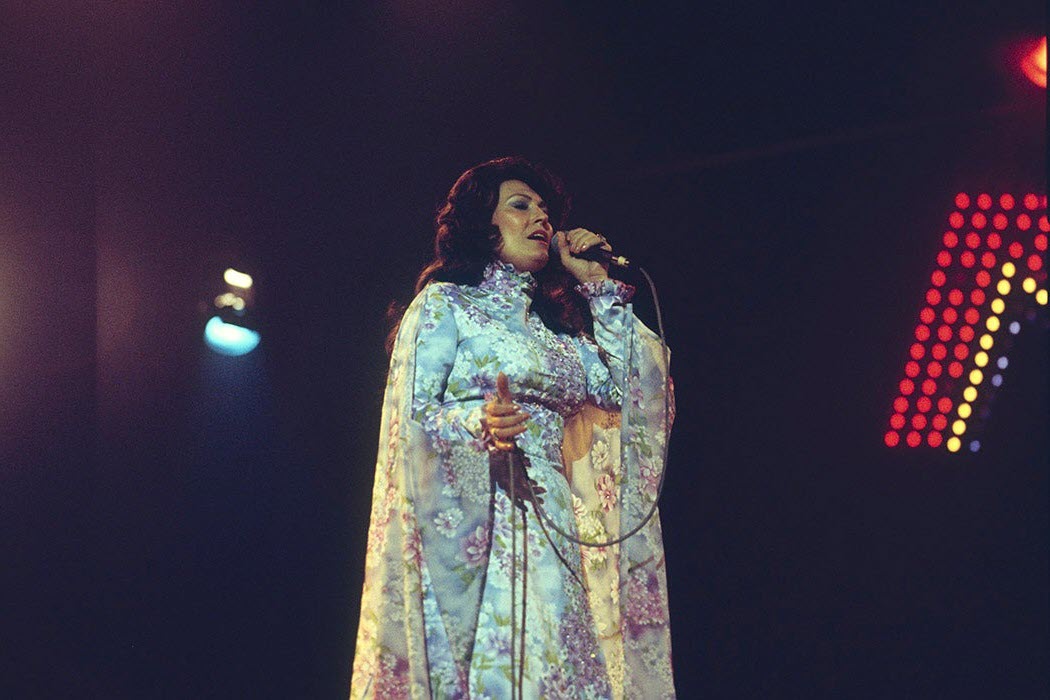
Few voices in country music have left an indelible mark quite like Loretta Lynn’s. From humble beginnings in the coal-mining hills of Kentucky to gracing the world’s most prestigious stages, Loretta’s journey embodies the heart and soul of country music. Known as the “Coal Miner’s Daughter,” her songs are a testament to resilience, love, and life’s bittersweet truths. With a career spanning six decades, Loretta Lynn didn’t just sing country music—she lived it.
Her music transcends time, blending raw emotion with a boldness that challenged societal norms. Whether she was standing up for women’s rights, recounting tales of heartbreak, or celebrating the joys of family and love, Loretta’s lyrics struck a chord with millions. Her authenticity and storytelling prowess made her a trailblazer, paving the way for generations of female artists.
In this article, we’ll take a walk down memory lane and explore the top 10 most iconic songs from Loretta Lynn’s legendary career. From chart-topping hits to heartfelt ballads, these tracks capture the essence of Loretta’s artistry and the spirit of country music itself. So, grab your cowboy boots and get ready to relive the magic of one of country music’s all-time greats!
1. “Coal Miner’s Daughter” (1970)
“Coal Miner’s Daughter” isn’t just one of Loretta Lynn’s most famous songs — it’s the story of her life. Released in 1970, this autobiographical ballad details Loretta’s upbringing in the rural town of Butcher Hollow, Kentucky, and captures the hardship and pride of growing up in a working-class family. Her father’s job in the coal mines, her mother’s hard work raising eight kids, and the simple joys of childhood all come to life through vivid, honest lyrics. With a voice that’s both strong and tender, Loretta doesn’t sugarcoat her past — she embraces it. The song became a touchstone for fans who saw their own stories reflected in hers. Its success went far beyond the charts; it became the title of her 1976 autobiography and inspired the Oscar-winning 1980 film starring Sissy Spacek. “Coal Miner’s Daughter” is more than a song — it’s a cultural artifact that preserves a slice of Americana and celebrates the grit, sacrifice, and enduring spirit of rural women. Through this track, Loretta built a bridge between her roots and her stardom, and in doing so, made countless listeners feel seen, respected, and proud of where they came from.
2. “Don’t Come Home A-Drinkin’ (With Lovin’ on Your Mind)” (1966)
When Loretta Lynn released “Don’t Come Home A-Drinkin’ (With Lovin’ on Your Mind)” in 1966, she made country music history. This song was a game-changer — a gutsy anthem from a woman who had no time for a man who showed up drunk expecting affection. At a time when women in country music were often expected to be passive or demure, Loretta flipped the script. With a honky-tonk rhythm and razor-sharp lyrics, she sang for every woman who was tired of being mistreated and unappreciated. Her no-nonsense delivery made it clear: respect comes first. The song became her first No. 1 hit on the country charts and solidified her as a fearless voice for women, especially those dealing with the rough realities of married life. It also sparked conversations about gender roles and double standards in relationships. Loretta’s boldness didn’t just entertain — it empowered. “Don’t Come Home A-Drinkin’” remains a landmark moment in country music because it dared to be honest, unfiltered, and firmly on the side of women who demanded better. It was the sound of a woman standing her ground — and fans loved her all the more for it.
3. “You Ain’t Woman Enough (To Take My Man)” (1966)
“You Ain’t Woman Enough (To Take My Man)” is Loretta Lynn at her sassiest and most defiant. Released in 1966, this track became an instant classic thanks to its bold lyrics and confident delivery. The song tells the story of a woman who’s confronted with the threat of another trying to steal her man — and she’s not having it. Rather than beg or cry, Loretta draws a line in the sand, telling the other woman in no uncertain terms that she’s not going to win. With a catchy, twangy melody and fierce vocal performance, Loretta turned what could have been a sad story into a triumphant one. This wasn’t just a breakup song — it was a declaration of strength, loyalty, and resilience. Fans were immediately drawn to her fearless attitude and the way she stood up for herself. It became a favorite anthem for women who had experienced similar situations, and its success helped propel Loretta further into stardom. “You Ain’t Woman Enough” isn’t just about jealousy — it’s about knowing your worth and refusing to be intimidated. It’s bold, unapologetic, and 100% Loretta Lynn.
4. “Fist City” (1968)
“Fist City,” released in 1968, is one of the most fiery and fearless songs in Loretta Lynn’s catalog. Inspired by real-life confrontations with women who tried to make a move on her husband, this track is a warning shot wrapped in steel guitar and Southern sass. Loretta doesn’t mince words — she tells her rival that if she doesn’t back off, she’s going to take her “man-snatching” ways straight to “Fist City.” The phrase itself became part of the country music lexicon, embodying Loretta’s fierce loyalty and her refusal to play the victim. The song’s feisty tone, clever rhymes, and lively rhythm made it an instant hit, topping the country charts and further cementing Loretta’s image as a woman who could stand her ground with both humor and grit. “Fist City” wasn’t just entertainment — it was a statement. Loretta showed that women in country music didn’t have to be passive or polite; they could be tough, honest, and unafraid of confrontation. It’s a song that radiates strength, humor, and pride — all signature traits of Loretta Lynn, who never backed down from telling it like it is.
5. “One’s on the Way” (1971)
“One’s on the Way” is Loretta Lynn’s witty and relatable tribute to the chaos and beauty of motherhood. Written by Shel Silverstein and released in 1971, the song paints a humorous picture of a woman juggling the demands of daily life — dirty diapers, fussy kids, and an ever-growing to-do list — all while another baby is on the way. With her charming delivery and spot-on timing, Loretta turns domestic stress into a source of laughter and solidarity. The song contrasts the glamorous lives of celebrities in cities like Los Angeles and New York with the all-too-real hustle of a Midwest housewife in Topeka. It’s funny, yes, but also deeply affectionate and genuine. Loretta doesn’t mock the life of a homemaker — she honors it, giving voice to countless women who were rarely celebrated in popular music. The song was a huge hit, climbing to No. 1 on the country charts and further showcasing Loretta’s gift for capturing everyday struggles with heart and humor. “One’s on the Way” is more than just a novelty — it’s a celebration of resilience, motherhood, and finding joy even in the chaos.
6. “The Pill” (1975)
When Loretta Lynn released “The Pill” in 1975, she caused a cultural earthquake in country music. At a time when discussions about birth control were still considered taboo, Loretta dared to sing openly — and proudly — about it. The song tells the story of a woman who’s finally gaining control over her own body after years of bearing child after child. With a lively, almost playful tone, she announces that now that she’s got “the pill,” things are going to change. The lyrics are both humorous and cutting, with lines that challenge traditional roles and expectations of women in the home. Unsurprisingly, many radio stations banned the song, but that didn’t stop it from becoming a massive hit. Women across the country — especially housewives and mothers — felt seen and heard by Loretta’s boldness. “The Pill” wasn’t just a song; it was a feminist statement wrapped in a toe-tapping melody. It proved that country music could be a platform for serious social commentary, and that Loretta Lynn was unafraid to speak up about issues others avoided. Decades later, it remains one of her most talked-about and impactful songs, embodying her fearless spirit and unwavering honesty.
7. “After the Fire Is Gone” (1971)
“After the Fire Is Gone,” Loretta Lynn’s 1971 duet with Conway Twitty, is a soulful, sorrowful look at love that’s faded and the temptation to find it elsewhere. This was the first collaboration between the two country legends, and the chemistry was undeniable. The song tells the story of two people, both stuck in loveless relationships, who find fleeting comfort in each other’s arms. It’s a heartbreaking theme, but Loretta and Conway handle it with such tenderness and vulnerability that it never feels crass — only human. The harmonies are haunting, and the emotional weight they carry is profound. The song struck a chord with fans and critics alike, earning the duo a Grammy Award and launching one of country music’s most beloved musical partnerships. Unlike many of Loretta’s fiery or humorous songs, “After the Fire Is Gone” showcases her ability to convey pain, longing, and regret with subtlety and grace. It’s a song about choices, consequences, and the search for connection, even when everything else has gone cold. Their voices together created something unforgettable — a timeless classic that still resonates with anyone who has known the ache of a love that’s slipped away.
8. “Rated X” (1972)
“Rated X,” released in 1972, is one of Loretta Lynn’s most daring and ahead-of-its-time songs. In it, she takes aim at the double standards faced by divorced women in society — women who were often judged harshly and labeled unfairly just for trying to move on with their lives. Loretta, never one to shy away from tough topics, tackles the issue head-on with pointed lyrics and a tone that’s both weary and defiant. She sings about how society assumes a woman must be promiscuous or “used up” just because she’s no longer married — even if the man who left her faces no such scrutiny. “Rated X” was bold, controversial, and way ahead of its time, especially in a genre known for its traditional values. But it also resonated deeply with women who had lived those very experiences. Loretta gave them a voice when few others would. The song climbed the charts and became a rallying cry for those tired of being judged by outdated expectations. With “Rated X,” Loretta once again proved that country music could be a space for truth-telling and social critique — and that she was fearless enough to lead the charge.
9. “Love Is the Foundation” (1973)
Released in 1973, “Love Is the Foundation” is a tender, heartfelt ballad that explores the power of love as the core of any meaningful relationship. Unlike many of Loretta Lynn’s sassier or more confrontational songs, this one shows her softer, more vulnerable side. With gentle instrumentation and a warm, steady tempo, Loretta sings about how love — more than money, success, or appearances — is the one thing that holds everything together. Her voice is rich with emotion, giving weight to every word and reminding listeners that true love is both beautiful and essential. The song quickly climbed to No. 1 on the country charts and became a favorite among fans who appreciated its message of commitment and emotional honesty. “Love Is the Foundation” also marked a shift in Loretta’s songwriting, showing that she could be just as compelling when singing about tenderness and unity as she was when standing her ground. It remains one of her most beloved romantic songs, a timeless piece that celebrates the quiet strength found in loving and being loved. It’s a reminder that even the strongest women still believe in the gentle power of love.
10. “Trouble in Paradise” (1974)
“Trouble in Paradise,” released in 1974, is a haunting ballad that delves into the quiet heartache hidden behind the facade of a seemingly perfect relationship. Loretta Lynn sings from the perspective of a woman who senses something slipping away — the love, the passion, the emotional connection — even though everything appears fine on the surface. The lyrics are understated but powerful, capturing that unsettling feeling when words go unsaid and affection starts to fade. Unlike some of her more fiery or humorous songs, “Trouble in Paradise” is filled with melancholy and introspection. Loretta’s voice is gentle but weary, perfectly expressing the quiet devastation of watching a relationship unravel without knowing exactly why. The production is simple, allowing the emotional weight of the song to take center stage. It became another hit for Loretta, and fans appreciated the emotional maturity and honesty she brought to the track. “Trouble in Paradise” proves that heartache doesn’t always have to be loud or dramatic — sometimes it’s in the silences, the cold glances, the lingering doubts. Loretta captured all of that in just a few verses, once again showing her masterful ability to connect with listeners on a deeply human level.

Edward Tomlin is a frequent contributor to Singers Room. Since 2005, Singersroom has been the voice of R&B around the world. Connect with us via social media below.









