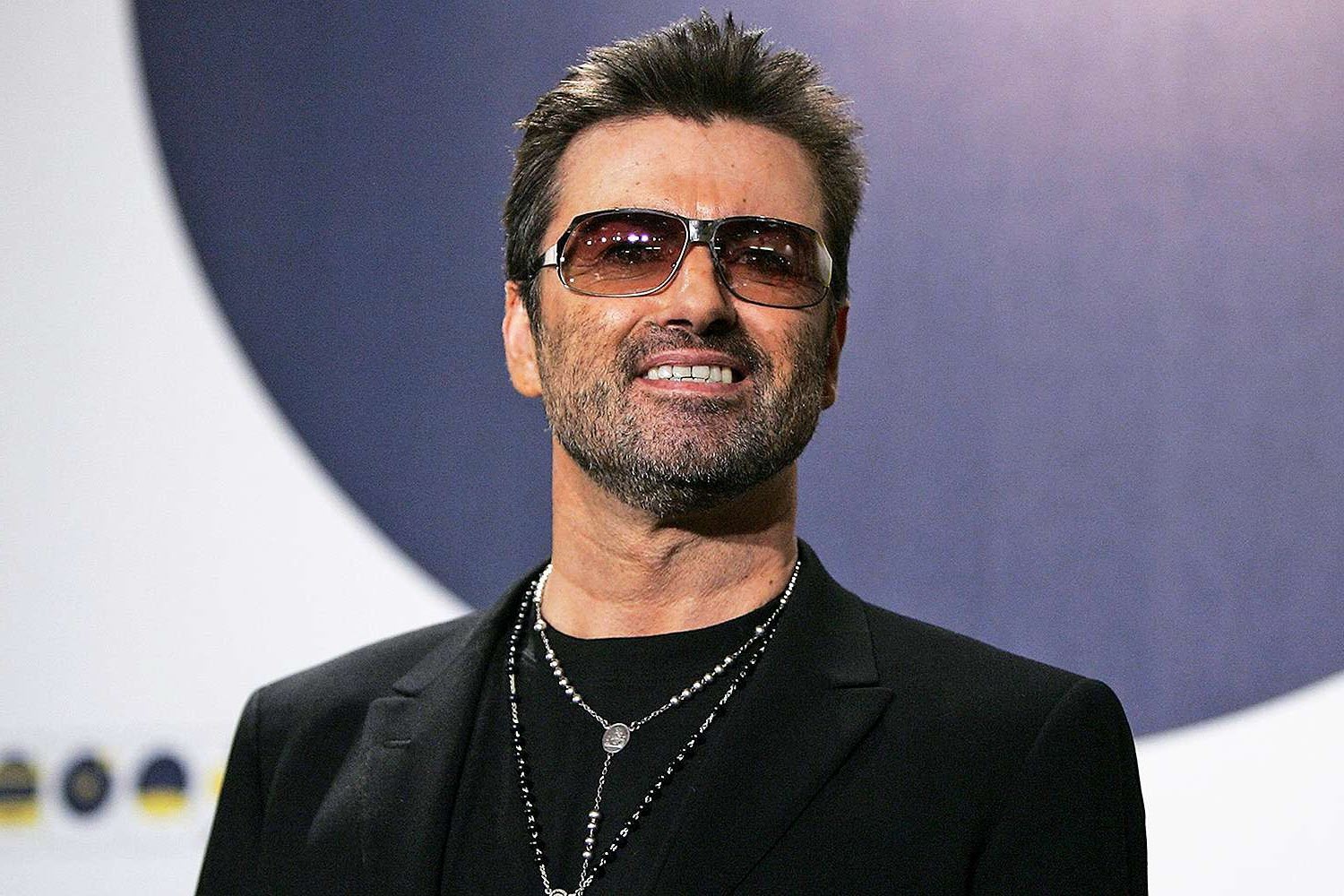
Few artists have left a mark on pop music as indelibly as George Michael. With a voice that could glide effortlessly from silky smooth ballads to powerful anthems, he was more than just a pop icon—he was a musical force who transcended genres, generations, and expectations. From his early days as one half of Wham! to his boundary-pushing solo career, George Michael crafted a soundtrack to the lives of millions. Whether he was breaking hearts with a tear-stained lyric or lighting up dance floors with irresistible grooves, his songs were always unmistakably his—bold, emotional, and immaculately produced.
In this countdown of the Top 10 Most Popular George Michael Songs of All Time, we celebrate the timeless hits that defined his legacy. These aren’t just chart-toppers—they’re cultural milestones, each capturing a moment, a mood, and the magic of a man who dared to be vulnerable, sexy, soulful, and fearless all at once. From festive heartbreaks to freedom-fueled rebellion, get ready to revisit the songs that made George Michael a legend—and discover why his music continues to resonate long after the final note fades. Let’s dive into the brilliance, one unforgettable hit at a time.
1. Careless Whisper (1984)
“Careless Whisper” is one of those rare songs that instantly transports listeners to a place of longing, regret, and emotional vulnerability. Released in 1984 under the Wham! name, it was George Michael’s first solo composition, written when he was just 17 years old. Despite his youth, the song carries the emotional weight and maturity of someone who had lived and lost. Its iconic saxophone riff—haunting, sultry, and unforgettable—sets the mood from the first note. The lyrics explore the pain of betrayal and the sorrow of knowing trust can never be restored. Michael’s voice, smooth yet trembling with regret, gives the song its heart. “I’m never gonna dance again,” he sings, perfectly capturing the guilt that follows a moment of weakness. The lush production and heartfelt delivery elevated “Careless Whisper” to instant classic status, topping charts in both the U.S. and UK. Beyond its commercial success, it became a cultural landmark, endlessly referenced and covered, yet never quite matched. It also marked a turning point for Michael, showing the world he was far more than just a pop idol—he was an artist with real emotional depth, capable of transforming heartache into something timeless.
2. Faith (1987)
With “Faith,” released in 1987, George Michael boldly stepped out of Wham!’s shadow and into the spotlight as a fully realized solo artist. As the title track of his debut solo album, the song was a statement of independence, style, and confidence. Featuring an irresistible rockabilly guitar riff and an infectious beat, “Faith” blended pop, rock, and R&B with a fresh energy that defined a new era of Michael’s career. Lyrically, it’s about resisting temptation and setting boundaries—a theme delivered with a charismatic swagger that felt miles away from his teen pop beginnings. The music video, with Michael dressed in a leather jacket, aviators, and denim, became iconic and cemented his image as a solo star with edge and sex appeal. “Faith” wasn’t just a chart-topping hit—it was a pop culture moment. It hit number one in the U.S. and became one of the defining songs of the late 1980s. Its catchy hook, smart wordplay, and genre-blending sound made it impossible to ignore. More importantly, it announced that George Michael wasn’t just going solo—he was taking control, and doing it on his own bold, brilliant terms.
3. Freedom! ’90 (1990)
“Freedom! ’90” wasn’t just another hit single—it was George Michael’s musical declaration of autonomy. Released in 1990 during a time of transition in his life and career, the song reflected his growing discomfort with fame and the image he had cultivated during the “Faith” era. With a driving piano riff, gospel-inspired vocals, and a fiery chorus, the track delivered an anthemic sound that matched its rebellious message. “I think there’s something you should know…” he sings, opening the door to a new, unfiltered version of himself. The lyrics express a desire to shed the mask of celebrity and reclaim personal identity—something rare and daring for a pop star at the peak of success. The music video, which featured supermodels lip-syncing the lyrics instead of Michael himself, was both provocative and symbolic, rejecting the idea of the artist as a product. Though it didn’t reach number one, “Freedom! ’90” has endured as one of Michael’s most powerful and resonant works. It’s a pop anthem with a soul, a protest wrapped in a groove, and a timeless reminder of the strength it takes to truly be yourself—especially in the spotlight.
4. Wake Me Up Before You Go-Go (1984)
“Wake Me Up Before You Go-Go” is the musical embodiment of pure joy. Released in 1984, this Wham! classic is bursting with energy, bright harmonies, and a melody that refuses to leave your head. Inspired by a note left by bandmate Andrew Ridgeley—who accidentally wrote “up up” instead of just “up”—the song’s quirky origin mirrors its playful spirit. George Michael’s vocals are irresistibly cheerful, dancing over a driving beat and retro-inspired doo-wop backup. From the very first note, it’s a feel-good explosion of color and sound. The music video, full of neon hues, oversized T-shirts that read “Choose Life,” and carefree dancing, perfectly captured the vibrant, upbeat aesthetic of the 1980s. It quickly shot to number one in both the U.S. and UK, turning Wham! into international pop sensations. While it may seem like a bubblegum pop song on the surface, “Wake Me Up Before You Go-Go” showcases Michael’s uncanny ability to create pop perfection with impeccable production and genuine charm. Decades later, it still sounds fresh, fun, and totally infectious—an enduring reminder that sometimes, the best music simply makes you smile.
5. Father Figure (1988)
“Father Figure” is one of George Michael’s most compelling and mysterious songs. Released in 1988 as part of his landmark Faith album, the track blends sensuality with emotional complexity. Built on a slow, hypnotic beat and layered with atmospheric production, the song feels intimate—almost like a confession whispered in the dark. Michael’s vocals are haunting, restrained, and full of yearning. The lyrics blur the lines between protector and lover, evoking themes of love, control, vulnerability, and longing. It’s a bold, unconventional ballad that resists easy interpretation, which is part of its power. Rather than deliver a straightforward pop song, Michael created a rich emotional landscape where the listener is invited to feel rather than just hear. “Father Figure” soared to number one on the Billboard Hot 100 and helped solidify his reputation as a serious solo artist unafraid to take artistic risks. With its moody undertones and deeply personal delivery, the track stands as one of his most emotionally evocative works. It’s not just a song—it’s a slow, smoldering dive into the complexities of love and identity, wrapped in a melody that lingers long after it ends.
6. One More Try (1988)
Released in 1988 as part of the Faith album, “One More Try” stands as one of George Michael’s most emotionally raw and vulnerable songs. Stripped of flashy production or radio-friendly hooks, it’s a slow-burning ballad that gradually builds, drawing listeners into a space of deep reflection and longing. With gospel undertones and a sparse arrangement, the track gives Michael’s voice room to shine—tender, aching, and achingly honest. Lyrically, it explores the fear of loving again after heartbreak, with lines that cut straight to the heart: “I don’t want to learn to hold you, touch you, think that you are mine.” The restraint he shows vocally makes the emotional payoff even more powerful. When the song finally swells, it doesn’t erupt—it glows, quietly but intensely. “One More Try” reached number one on the Billboard Hot 100 and has endured as one of his most soul-baring pieces. It’s a song about emotional hesitation and the courage it takes to try again, even when you’re scared. In an era often marked by pop excess, George Michael gave us a moment of pure introspection, proving that sometimes, the softest voice can be the loudest.
7. Last Christmas (1984)
“Last Christmas” isn’t just a holiday staple—it’s a bittersweet pop anthem with emotional weight beneath its festive surface. Released by Wham! in 1984, the song contrasts cheery sleigh bells and synth-pop sparkle with lyrics about heartbreak and betrayal. George Michael, who wrote and produced the track himself, delivered a vocal that’s vulnerable yet catchy, capturing the sting of giving your heart to someone who didn’t treasure it. The juxtaposition of seasonal cheer and romantic sorrow gives “Last Christmas” its lasting appeal. Despite being blocked from the UK No. 1 spot by Band Aid’s “Do They Know It’s Christmas?” upon release, the song has since become a perennial chart climber every December. Its elegant simplicity and melodic brilliance have inspired countless covers, but none capture the original’s unique mix of nostalgia and pain quite like Michael’s version. The song’s music video, set in a snowy ski resort, only adds to its iconic status. “Last Christmas” has grown far beyond its initial release—it’s become a global tradition, a moment of holiday reflection dressed up in tinsel and synths. It’s a classic that proves even the most joyous season has room for heartbreak—and that heartbreak can still sound beautiful.
8. I Want Your Sex (1987)
When George Michael released “I Want Your Sex” in 1987, it sparked controversy, conversation, and ultimately, cultural change. At a time when mainstream pop was hesitant to address sexuality so directly—especially amid the backdrop of the AIDS crisis—Michael’s bold, provocative anthem stood out. As the first single from his solo debut album Faith, the song was structured in three parts (or “Rhythms”), with the first, “Lust,” gaining the most airplay. It’s a funky, pulsating track that combines pop, R&B, and dance, all driven by a confident, unapologetic vocal performance. While some radio stations banned it, and critics were divided, fans embraced its candor. George Michael defended the song as a celebration of monogamous intimacy rather than promiscuity—a distinction often missed in early discourse. “I Want Your Sex” ultimately climbed into the top five on both U.S. and UK charts, proving that honesty—especially about desire—could still resonate in pop music. In hindsight, it marked a turning point: not just in George Michael’s career, but in how pop could challenge social norms. Daring and undeniably catchy, it remains a landmark in ‘80s music—a moment when mainstream pop dared to get real.
9. Jesus to a Child (1996)
“Jesus to a Child” marked a deeply emotional return for George Michael in 1996. After a period of personal grief following the death of his partner Anselmo Feleppa, Michael reemerged with this haunting ballad—a heartfelt elegy wrapped in a soft, bossa nova-influenced rhythm. From its first notes, the song exudes melancholy and grace. The lyrics are poetic, reflective, and filled with unspoken pain, yet there’s a quiet dignity in how Michael delivers them. Lines like “Kindness in your eyes / I guess you heard me cry” reveal the depth of his loss without a trace of melodrama. The track debuted at number one in the UK, a testament to both his loyal fan base and the power of emotional authenticity in music. “Jesus to a Child” wasn’t just a song—it was a public mourning, transformed into art. It also marked a turning point where George Michael’s songwriting reached new depths, shedding the constraints of pop stardom in favor of something more personal. It remains one of his most revered and moving works, a timeless tribute that continues to resonate with anyone who’s experienced love and loss.
10. Don’t Let the Sun Go Down on Me (1991)
George Michael’s 1991 live duet with Elton John on “Don’t Let the Sun Go Down on Me” is one of those rare covers that not only honors the original but elevates it to something transcendent. Originally a 1974 hit for John, the song found new life when performed live by Michael at Wembley Arena. As the performance begins, Michael sings alone, his voice strong and full of emotion. Midway through, Elton John steps onto the stage, sending the audience into thunderous applause. Their voices blend beautifully, turning the already poignant ballad into a powerful, heartfelt moment of musical camaraderie. Released as a single, the duet shot to number one in both the UK and U.S., reaffirming the timelessness of the song and the chemistry between the two artists. It wasn’t just a performance—it was a celebration of friendship, mutual admiration, and vocal brilliance. The sincerity in their delivery and the raw energy of the live recording made this version iconic. More than just a chart-topping hit, this duet captured a shared love of music and remains a standout highlight in both George Michael’s and Elton John’s legendary careers.

Samuel Moore is a frequent contributor to Singers Room. Since 2005, Singersroom has been the voice of R&B around the world. Connect with us via social media below.









