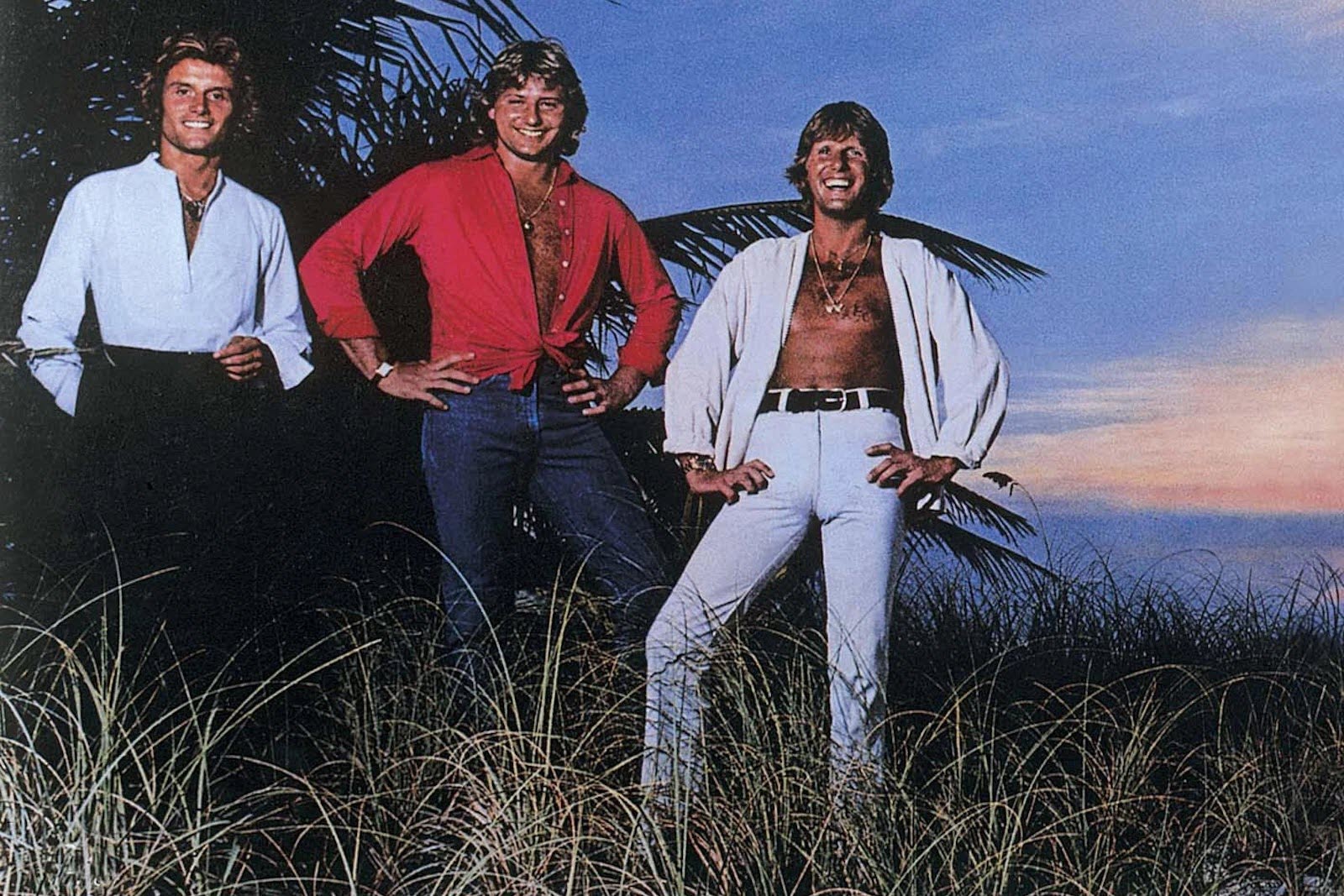
Few bands in rock history have pushed the boundaries of music quite like Emerson, Lake & Palmer. Known for their technical precision, innovative compositions, and larger-than-life performances, ELP carved their name into the annals of progressive rock with a sound that fused classical mastery, jazz improvisation, and rock energy. From swirling Moog synthesizers to dazzling drum solos and haunting lyrics, Emerson, Lake & Palmer created a catalog of songs that continue to captivate fans and inspire musicians worldwide.
In this article, we dive into the top 10 most popular Emerson, Lake & Palmer songs of all time—a collection of tracks that showcase the band’s unparalleled artistry and timeless appeal. Whether you’re a lifelong fan or a curious newcomer, these songs represent the very essence of what made ELP a legendary force in the world of music. Brace yourself for epic instrumental journeys, soulful ballads, and electrifying anthems that defined an era.
So, plug in your headphones, turn up the volume, and prepare to rediscover the magic of Emerson, Lake & Palmer as we count down their greatest hits. Let the music take you on a symphonic ride through one of rock’s most groundbreaking legacies!
1. Lucky Man (1970)
“Lucky Man” remains one of Emerson, Lake & Palmer’s most enduring and emotionally resonant songs. Released on their self-titled debut album, this ballad showcases a more intimate side of the band, with Greg Lake’s warm, plaintive vocals and simple acoustic guitar anchoring the track. The lyrics tell the story of a man who seemingly had it all—wealth, status, love—yet was tragically undone by fate. Its melancholic tone resonated deeply with listeners and contrasted with the band’s otherwise grand and complex arrangements. What truly sets “Lucky Man” apart, however, is the unexpected and revolutionary Moog synthesizer solo by Keith Emerson that closes the track. At the time, such a sound was groundbreaking, turning heads in the rock world and introducing audiences to the possibilities of electronic instrumentation. The solo feels almost like a cry from another world, haunting and otherworldly, lifting the song into the realm of legend. Despite its modest beginnings—Lake wrote it as a teenager—it became a breakout hit and a signature moment in the band’s career. “Lucky Man” captures both the vulnerability and innovation that define ELP’s legacy.
2. Karn Evil 9 (1973)
A colossal cornerstone of progressive rock, “Karn Evil 9” is arguably Emerson, Lake & Palmer’s most ambitious work. Spanning over 30 minutes and split into three movements or “impressions,” the song takes listeners on a surreal journey through a futuristic dystopia filled with technological domination, corruption, and chaos. Its famous opening line, “Welcome back, my friends, to the show that never ends,” has become a calling card for the genre itself. The music is dazzling and theatrical, brimming with intricate time changes, dynamic shifts, and virtuoso performances from all three members. Keith Emerson’s keyboards are dazzling in their variety and intensity, Greg Lake’s vocals bring a dramatic storytelling flair, and Carl Palmer’s drumming drives the epic with unstoppable force. Each impression delves deeper into a world where humanity and machines are locked in a struggle, blurring the lines between entertainment and tyranny. “Karn Evil 9” is more than a song—it’s a musical narrative and philosophical statement rolled into one. With its apocalyptic themes and showman’s flair, it continues to be studied, admired, and revered by fans and musicians alike as one of the most defining progressive rock epics of all time.
3. From the Beginning (1972)
Soft and introspective, “From the Beginning” stands as one of Emerson, Lake & Palmer’s most accessible and heartfelt songs. It was released on the Trilogy album and primarily written and performed by Greg Lake, whose gentle acoustic guitar and emotive voice carry the song’s reflective tone. Unlike the band’s more bombastic works, this track strips things down to a more intimate level, creating a space of quiet contemplation. The lyrics touch on themes of miscommunication, longing, and personal insight, resonating with listeners who’ve experienced relationship confusion or introspective searching. What elevates the song beyond a simple ballad, however, is the subtle yet vital addition of Keith Emerson’s Moog synthesizer, which enters partway through with a quiet, shimmering tone that adds a touch of mystery and sophistication. The blend of folk and progressive rock sensibilities made “From the Beginning” a standout not only on Trilogy but in the band’s overall catalog. It charted in the U.S. and became a radio favorite, proving ELP could touch hearts as well as dazzle minds. It remains a beloved track for its emotional honesty and elegant musicality.
4. Tarkus (1971)
“Tarkus” is more than just a song—it’s a full-fledged musical saga. Clocking in at over 20 minutes and composed of multiple movements, this ambitious suite tells the story of a mythical creature born from volcanic eruption—a half-armadillo, half-tank hybrid—that battles various symbolic foes. It’s one of the earliest examples of progressive rock storytelling through instrumental and thematic continuity. Released as the title track of ELP’s second album, Tarkus cemented the band’s reputation for complexity and daring. Keith Emerson’s organ leads the charge with rapid-fire runs and dramatic flourishes, while Carl Palmer’s drumming is thunderous, precise, and relentless. Greg Lake’s bass and vocals provide the narrative cohesion needed to tie the suite’s shifting tones together. The story can be interpreted in multiple ways—some see it as a critique of war and industrialization, others as an allegory for personal or societal evolution. Regardless of interpretation, “Tarkus” is undeniably a tour de force in composition and performance. It remains one of the most challenging and celebrated pieces in the ELP canon, showing what progressive rock could achieve when ambition met skill head-on.
5. Fanfare for the Common Man (1977)
ELP’s rendition of “Fanfare for the Common Man,” originally composed by Aaron Copland, is a stunning example of how classical music can be transformed through the lens of rock. Included on the album Works Volume 1, their version turns Copland’s majestic orchestral composition into a bold, high-powered anthem. Keith Emerson’s synthesizer interpretation replaces the original brass and woodwinds with sweeping, electrified textures, giving the piece a modern urgency. Greg Lake and Carl Palmer provide the rock-solid foundation with booming bass and explosive percussion, creating a grandeur that fills arenas. Despite being an instrumental, it delivers a powerful message: elevating the everyday individual to heroic stature through sound alone. The band’s live performances of this track were particularly memorable, often featuring extended improvisations and jaw-dropping displays of musicianship. “Fanfare for the Common Man” became one of ELP’s biggest commercial hits, bridging the gap between high art and popular culture. It’s a testament to the trio’s ability to reinterpret complex works without sacrificing their essence, all while adding their unique stamp. The result is a track that is both reverent and revolutionary—just like the band itself.
6. Trilogy (1972)
The title track from Trilogy is a quintessential example of Emerson, Lake & Palmer’s ability to seamlessly blend emotional depth with musical complexity. Opening with a delicate, classically influenced piano passage from Keith Emerson, the song immediately draws the listener into a world of subtle beauty. Greg Lake’s vocals are gentle yet filled with yearning, as he sings about a relationship torn between passion and confusion. The initial calm is gradually overtaken by increasingly intense instrumentation, and what begins as a romantic ballad transforms into an energetic, almost chaotic instrumental showcase. Emerson’s keyboards explode with swirling flourishes and time signature changes, while Carl Palmer’s drumming is fast, intricate, and controlled with pinpoint precision. The song’s structure mirrors the ups and downs of emotional turmoil, moving from serenity to storm and back again. It’s a shining example of how ELP didn’t just write songs—they composed journeys. “Trilogy” remains a favorite for fans and musicians alike for its ability to convey complex emotions through dynamic, masterful musicianship. It encapsulates everything the band stood for: romance, virtuosity, and fearless innovation, all wrapped into one stunning composition.
7. Still… You Turn Me On (1973)
From Brain Salad Surgery, “Still… You Turn Me On” is a tender ballad that offers a softer, more intimate moment amidst the album’s heavier and more experimental tracks. Penned and sung by Greg Lake, the song is a heartfelt declaration of love and vulnerability, capturing the raw emotion of someone completely captivated by another. Lake’s acoustic guitar is front and center, providing a delicate and melodic foundation. His vocals, filled with longing and sincerity, are complemented by subtle, atmospheric contributions from Keith Emerson’s keyboards. There’s a dreamlike quality to the arrangement, with each note carefully placed to maintain the song’s emotional integrity. Though short and understated compared to other ELP compositions, its impact is undeniable. Fans often cite it as one of Lake’s finest vocal performances, and its poetic lyrics—romantic yet tinged with melancholy—showcase his gift for connecting deeply with the listener. “Still… You Turn Me On” has become a fan favorite and is often noted as one of ELP’s most beautiful and emotionally resonant songs. It proves that even a band known for grandeur and technical showmanship could create something simple, sincere, and strikingly memorable.
8. Knife-Edge (1970)
“Knife-Edge,” from Emerson, Lake & Palmer’s debut album, is a powerful fusion of rock aggression and classical precision. Built on a foundation inspired by Leoš Janáček’s Sinfonietta and Bach’s French Suite, the song showcases the band’s knack for reimagining classical works with a modern edge. From the opening organ blasts, Keith Emerson commands attention with thunderous keyboard lines, setting a dark and dramatic tone. Greg Lake’s vocals carry a sense of urgency and warning, painting a picture of a world teetering on disaster. Carl Palmer’s drumming is fierce and propulsive, pushing the track forward with relentless energy. The interplay between the classical motifs and the hard rock rhythm section creates a thrilling tension that drives the song’s momentum. Lyrically, “Knife-Edge” warns of instability and the dangers of unchecked power, making it as thought-provoking as it is musically intense. Its bold, almost menacing tone set a precedent for what ELP would become known for: a band unafraid to challenge norms and blend genres. “Knife-Edge” remains a defining piece of their early work and a compelling example of how classical influences can be infused into rock with stunning results.
9. The Endless Enigma (1972)
Split into two parts with a mysterious interlude in between, “The Endless Enigma” is one of the most complex and atmospheric tracks on ELP’s Trilogy album. The suite opens with eerie sound effects and a sparse, haunting piano line from Keith Emerson, immediately setting a mood of uncertainty and suspense. As the song unfolds, it delves into philosophical themes—identity, mortality, the nature of truth—all delivered through Greg Lake’s reflective lyrics and haunting vocal performance. The band moves through shifting musical landscapes, seamlessly blending classical flourishes, rock intensity, and jazz-like spontaneity. Carl Palmer’s percussion adds to the drama with inventive, off-kilter rhythms that keep the listener guessing. Emerson’s keyboard wizardry is especially prominent here, ranging from delicate piano to bold synthesizer flourishes that elevate the tension and grandeur of the piece. “The Endless Enigma” lives up to its name: it’s a riddle of sound, emotion, and thought that never quite resolves, leaving listeners pondering its meaning long after the final notes fade. It’s a stunning demonstration of ELP’s ambition, pushing the boundaries of what a rock song could be and turning it into a rich, multi-layered experience.
10. Jerusalem (1973)
“Jerusalem,” released on Brain Salad Surgery, is Emerson, Lake & Palmer’s reverent and powerful adaptation of the iconic British hymn based on William Blake’s poem and music by Sir Hubert Parry. While the original version is a patriotic staple in the UK, ELP reimagined it with grand symphonic rock treatment, infusing it with a new sense of majesty and urgency. Keith Emerson’s church organ-style keyboard gives the track a cathedral-like atmosphere, while the synthesizers add a celestial dimension that lifts it beyond traditional hymn territory. Greg Lake’s vocals are noble and impassioned, treating the text with the dignity and weight it deserves. Carl Palmer’s percussion is stately and supportive, never overpowering but always enhancing the grandeur. The band had hoped this rendition would become a single, but it was controversially banned from airplay by the BBC at the time, who deemed it sacrilegious to rework such a sacred piece. Despite that, “Jerusalem” remains a bold and beautiful interpretation—both a tribute and a transformation. It’s a perfect example of ELP’s willingness to take risks, and their ability to merge tradition with innovation in a way that feels both respectful and revolutionary.

Edward Tomlin is a frequent contributor to Singers Room. Since 2005, Singersroom has been the voice of R&B around the world. Connect with us via social media below.









