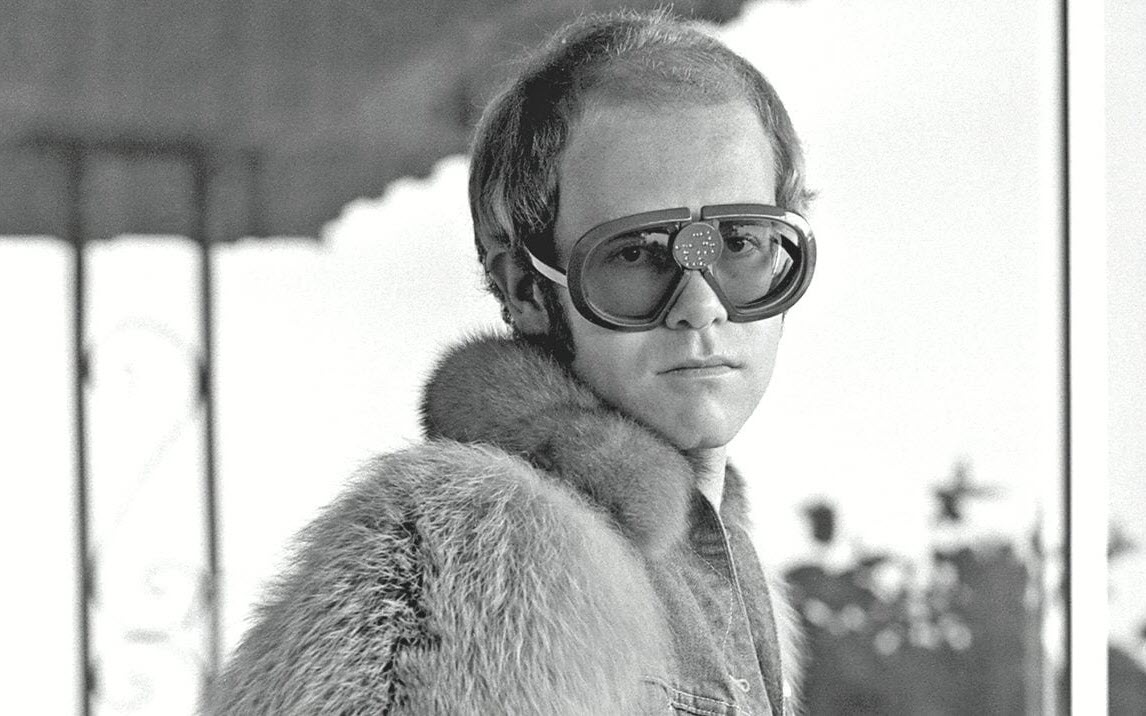
Few artists have left as indelible a mark on music history as Sir Elton John. With a career spanning over five decades, this flamboyant icon has graced us with unforgettable melodies, poignant lyrics, and electrifying performances that have transcended generations. From stadium anthems to tender ballads, Elton’s music is a kaleidoscope of emotions, reflecting his unmatched ability to connect with audiences worldwide.
In this article, we dive into the glittering world of Elton John’s greatest hits, exploring the top 10 songs that have defined his illustrious career. These tracks are more than just chart-topping successes; they’re vibrant testaments to his genius, capturing the essence of love, heartbreak, celebration, and resilience. Whether you’re a lifelong fan or just beginning your journey into his dazzling discography, this countdown will take you on an exhilarating ride through some of the most iconic moments in music history.
So, dust off your platform boots, grab your sparkling sunglasses, and prepare to be captivated by the magic of Elton John. These songs aren’t just tunes—they’re timeless masterpieces that remind us why he’s one of the most beloved artists of all time. Let the journey begin!
1. Your Song (1970)
Released in 1970, Your Song became an instant classic and one of Elton John’s most beloved and enduring tracks. Written in collaboration with lyricist Bernie Taupin, the song captures the sweet vulnerability of someone offering their heart for the first time. Its lyrics are beautifully simple—almost conversational—but that’s exactly what gives the song its timeless charm. Lines like “I hope you don’t mind that I put down in words / How wonderful life is while you’re in the world” feel honest, humble, and deeply heartfelt. Elton’s delicate piano work and gentle vocal delivery turn the song into a quiet confession, resonating with anyone who’s ever stumbled through trying to say “I love you.” Musically, it’s understated, with a soft arrangement that lets the emotion of the lyrics take center stage. “Your Song” marked a pivotal moment in Elton’s career, helping launch him into international stardom and showcasing the emotional depth he and Taupin could reach together. More than five decades later, it remains a favorite at weddings, tributes, and personal playlists alike. Its enduring appeal lies in its purity—just one person sharing their feelings, beautifully set to music.
2. Rocket Man (1972)
Released in 1972 on the album Honky Château, Rocket Man is one of Elton John’s most iconic and imaginative songs. Inspired in part by the short story “The Rocket Man” by Ray Bradbury, and co-written with Bernie Taupin, the song reflects on isolation, duty, and the emotional toll of leaving behind a normal life to chase something bigger. The lyrics use the metaphor of an astronaut’s journey to explore themes of distance and loneliness, with lines like “And I think it’s gonna be a long, long time” capturing a deep sense of separation and longing. Musically, the song combines a dreamy melody with ambient textures and Elton’s signature piano to create a floating, spacey atmosphere. His vocal performance is both introspective and soaring, mirroring the journey of the song’s subject. “Rocket Man” not only showcased Elton’s ability to tell deeply human stories through fantastical metaphors, but it also solidified his reputation as a serious artist capable of crafting meaningful, enduring music. The track remains a staple in his live shows and has become one of the definitive songs of the 1970s, encapsulating both the wonder and weariness of human ambition.
3. Tiny Dancer (1971)
Released in 1971 on the Madman Across the Water album, Tiny Dancer has grown from a cult favorite into one of Elton John’s most cherished songs. Co-written with Bernie Taupin, the song is a vivid tribute to California’s free-spirited women and the dreamy atmosphere of the early ‘70s West Coast lifestyle. Taupin’s poetic lyrics paint rich scenes—“Blue-jean baby, L.A. lady, seamstress for the band”—while Elton’s sweeping piano and orchestral build create an emotional journey that feels almost cinematic. It starts off gently, like a conversation, and gradually swells into a powerful chorus, creating a sense of emotional release. At over six minutes long, it defies the pop conventions of its time, but its slow-burn beauty has made it unforgettable. For many listeners, “Tiny Dancer” captures the feeling of longing and nostalgia—romanticizing a moment that’s just out of reach. Although it wasn’t a major hit upon its release, the song gained renewed popularity over the decades, particularly after its memorable use in the film Almost Famous. Today, it’s not just a love song—it’s a timeless ode to beauty, freedom, and the magic of a single fleeting moment.
4. Candle in the Wind (1973)
First released in 1973 on the Goodbye Yellow Brick Road album, Candle in the Wind is Elton John and Bernie Taupin’s moving tribute to Marilyn Monroe. The song reflects on the fragility of fame and the tragedy of a life lived in the spotlight. With the opening line “Goodbye Norma Jean,” it humanizes Monroe by using her real name, reminding listeners that behind the glamorous image was a real person who struggled. The lyrics mourn the loneliness and vulnerability that often accompany celebrity, and Elton’s tender piano melody perfectly underscores the sense of sorrow and reverence. His vocal delivery is restrained but full of emotion, allowing the story to shine through. The song became a fan favorite and one of Elton’s signature ballads. In 1997, he re-recorded it with new lyrics to honor Princess Diana after her death, and this version became one of the best-selling singles of all time. Still, the original retains its own distinct poignancy. Candle in the Wind isn’t just about Monroe—it’s a broader reflection on the cost of fame and the way we remember those who leave us too soon.
5. Bennie and the Jets (1973)
Released in 1973 as part of the groundbreaking Goodbye Yellow Brick Road album, Bennie and the Jets is one of Elton John’s quirkiest and most memorable songs. With its thumping piano chords, crowd noises, and offbeat rhythm, the track was unlike anything on the radio at the time. It’s a satirical glimpse into the absurd world of pop stardom, centered around the fictional band “Bennie and the Jets.” Bernie Taupin’s lyrics are laced with irony, poking fun at the flashy excesses of the music industry while also celebrating its strange allure. Elton leans into the theatricality of the song, delivering a stylized vocal performance that’s part rock star, part showman. The song’s choppy groove and off-tempo claps give it a unique, slightly surreal feel, and fans loved its originality. Although originally intended as a joke track, it unexpectedly became a major hit in the U.S., largely thanks to radio DJs who kept playing it. Over time, Bennie and the Jets has become a concert staple and fan favorite. It captures Elton’s fearless experimentation and his ability to turn even the most unconventional ideas into unforgettable pop moments.
6. Goodbye Yellow Brick Road (1973)
As the title track of one of Elton John’s most celebrated albums, Goodbye Yellow Brick Road is both reflective and bittersweet. Released in 1973, the song paints a picture of someone turning away from the glamor and illusion of fame in search of something more grounded and real. Bernie Taupin’s lyrics are rich with metaphor, likening the “yellow brick road” to the path of celebrity, referencing The Wizard of Oz to emphasize a return to simplicity and authenticity. Elton’s vocal performance is heartfelt and restrained, perfectly capturing the weariness and longing embedded in the song’s message. Musically, the track is lush and cinematic, opening with a cascading piano introduction that gives way to swelling strings and harmonies. It’s a beautiful blend of pop, rock, and orchestral elements, showcasing the sophistication of Elton’s arrangements. “Goodbye Yellow Brick Road” became an anthem for those disillusioned with the spotlight, and it still resonates today with anyone seeking clarity amid chaos. The song’s universal theme and melodic brilliance have made it one of Elton John’s most enduring works—a poignant farewell to illusions and a warm embrace of inner truth.
7. Don’t Let the Sun Go Down on Me (1974)
Released in 1974, Don’t Let the Sun Go Down on Me stands out as one of Elton John’s most emotionally powerful ballads. The song speaks to vulnerability and the desperate plea not to be abandoned in a moment of emotional need. Bernie Taupin’s lyrics convey the raw feeling of heartbreak, while Elton’s soaring vocals bring the sentiment to life with stunning sincerity. The arrangement builds gradually from soft piano and gentle guitar to a sweeping orchestral climax, complete with gospel-style backing vocals that intensify the song’s dramatic effect. Elton’s voice—especially when he belts out the chorus—is filled with longing and soul, capturing the pain of someone on the brink of despair. The track became a hit on its own, but it gained even greater recognition when Elton performed it as a duet with George Michael in 1991, turning it into a transatlantic chart-topper. Regardless of the version, the emotional core remains the same: a heartfelt cry for understanding and compassion. Don’t Let the Sun Go Down on Me remains a highlight in Elton’s live performances and a shining example of his ability to channel deep emotion into unforgettable music.
8. Crocodile Rock (1972)
With its upbeat rhythm and throwback style, Crocodile Rock is a joyful celebration of the early days of rock and roll. Released in 1972, the song marked a major breakthrough for Elton John, becoming his first number-one single in the United States. It’s a lighthearted, nostalgic look back at the carefree youth of the 1950s and 1960s, filled with dancing, jukeboxes, and simple pleasures. Bernie Taupin’s lyrics are intentionally whimsical, and Elton’s energetic performance gives the song a fun, almost cartoonish quality. The standout element is the signature “la-la-la-la-la” chorus and that distinctive Farfisa organ sound, which give the track its quirky, retro vibe. Crocodile Rock doesn’t take itself too seriously—and that’s exactly why fans love it. It captures the unfiltered excitement of discovering rock music for the first time, making listeners want to tap their feet and sing along. While some of Elton’s other songs delve into complex emotional territory, this one is all about having a good time. Whether played on the radio, in a stadium, or at a party, Crocodile Rock never fails to lift spirits and remind us of the pure joy of rock and roll.
9. Saturday Night’s Alright for Fighting (1973)
Released in 1973 as part of the Goodbye Yellow Brick Road album, Saturday Night’s Alright for Fighting is a raw, raucous rock anthem that channels youthful energy and rebellion. With its driving guitar riff and pounding rhythm, the song is a far cry from Elton John’s usual piano-driven ballads. Instead, it explodes with aggression and swagger, sounding more like something you’d hear in a dive bar than a concert hall. Bernie Taupin’s lyrics capture the spirit of a working-class Saturday night—drinking, dancing, and maybe even throwing a punch or two. It’s a celebration of freedom and wild release after a hard week, and Elton delivers it with a gritty vocal performance that matches the song’s tough exterior. The song’s raw power and attitude helped broaden Elton’s appeal, proving he could rock just as hard as anyone. Over the years, it’s remained a crowd favorite, often used to open or energize his live sets. Saturday Night’s Alright for Fighting showcases a different side of Elton John—less polished, more primal—but just as compelling. It’s a shout-along anthem that reminds us all of the chaotic thrill of a Saturday night.
10. I’m Still Standing (1983)
Released in 1983, I’m Still Standing is Elton John’s triumphant anthem of perseverance and personal strength. After a challenging period marked by career changes and personal struggles, this song was his bold declaration that he wasn’t going anywhere. Upbeat, punchy, and full of confidence, it captured the spirit of resilience in both lyrics and performance. Written with longtime collaborator Bernie Taupin, the lyrics are a direct response to those who may have doubted Elton’s ability to make a comeback. Lines like “Don’t you know I’m still standing better than I ever did” radiate positivity and defiance. Musically, the song leans into the vibrant pop sound of the early ’80s, with catchy synth lines, bright guitar riffs, and a danceable rhythm that gives it instant appeal. Elton’s vocals are crisp and energetic, matching the song’s feel-good vibe. The accompanying music video, shot in the sun-drenched French Riviera, added a colorful, stylish touch and helped reintroduce him to a younger MTV audience. I’m Still Standing has since become a go-to anthem for anyone pushing through hard times. It’s more than just a comeback song—it’s a celebration of survival, strength, and Elton’s enduring magic.

Edward Tomlin is a frequent contributor to Singers Room. Since 2005, Singersroom has been the voice of R&B around the world. Connect with us via social media below.







