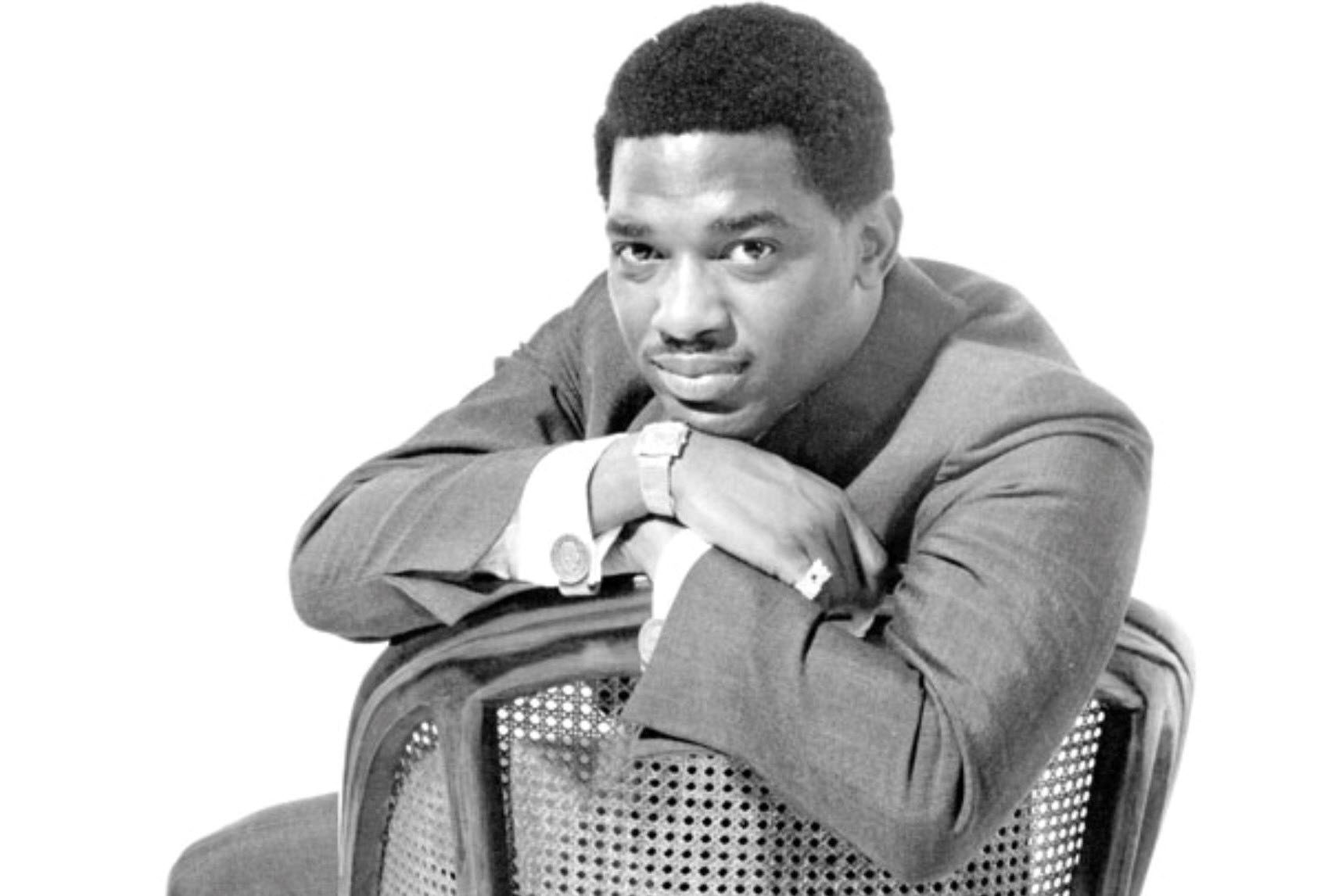
Few voices in soul music history have carried as much fire, urgency, and raw power as that of Edwin Starr. With a booming vocal presence and a fearless approach to tackling social issues, Starr carved out a place in music history that goes far beyond the traditional bounds of Motown. Best known for his explosive 1970 anthem “War,” his discography is a treasure trove of high-energy soul, political defiance, and deep groove-laden funk. Whether he was delivering a protest message with clenched fists or pouring his heart out over matters of love and struggle, Starr had the rare ability to make every lyric hit with maximum impact.
This list of the Top 10 Most Popular Edwin Starr Songs of All Time takes you on a journey through his most powerful and enduring tracks—from the foot-stomping marches of “Twenty-Five Miles” to the emotional force of “Stop the War Now.” Each song is a testament to Starr’s commanding presence and his gift for turning music into a rallying cry or a celebration. Whether you’re a lifelong fan or discovering his catalog for the first time, these tracks showcase why Edwin Starr remains one of soul’s most unforgettable voices. Let’s crank up the volume and dive in!
1. “War” (1970)
When Edwin Starr released “War” in 1970, he didn’t just score a number-one hit—he ignited a cultural firestorm. Originally recorded by The Temptations, the song was considered too politically charged for the group’s mainstream appeal. But Starr stepped in, delivering a version so fiery and raw that it became one of the defining protest anthems of the era. His voice, gravelly and impassioned, tore through the track with righteous fury. That unforgettable opening—“War! Huh! Yeah! What is it good for?”—still sends chills down the spine. More than just a song, “War” captured the rising anger and disillusionment surrounding the Vietnam conflict. It shot straight to the top of the Billboard Hot 100, becoming a massive hit while giving voice to a generation fed up with bloodshed and bureaucracy. Produced by Norman Whitfield with a powerful mix of funk and soul, the track pulses with urgency even today. Starr didn’t just perform the song—he lived it, infusing every note with conviction. Decades later, “War” still stands as one of the boldest statements in pop music history, proof that a song can be both a commercial triumph and a fearless political declaration.
2. “Twenty-Five Miles” (1969)
Released in 1969, Edwin Starr’s “Twenty-Five Miles” is an unstoppable blast of energy and soul that captures the feeling of chasing after something—or someone—you can’t bear to lose. Starr throws himself into the role of a man on a mission, trekking those final miles back to his lover with determination and joy. The song’s relentless rhythm, complete with pounding drums and gospel-inspired call-and-response vocals, makes it feel like a spiritual journey set to a soul soundtrack. Starr’s delivery is pure fire—full of urgency, sweat, and hope—as he counts down each step like a mantra. The track’s infectious groove and uplifting message propelled it to #6 on the Billboard Hot 100, making it one of Starr’s most beloved hits. But it’s more than just a danceable tune; “Twenty-Five Miles” is a metaphor for persistence, resilience, and the emotional pull of love. Co-written by Johnny Bristol and Harvey Fuqua, the song remains a timeless example of classic Motown magic. With its driving beat and Starr’s powerhouse performance, “Twenty-Five Miles” is the kind of track that dares you to sit still—and always wins.
3. “Stop the War Now” (1970)
In the wake of his massive hit “War,” Edwin Starr followed up with another potent anti-war anthem—“Stop the War Now,” released later in 1970. While it didn’t reach the same commercial peak as its predecessor, the song packs a similarly emotional punch, this time swapping confrontation for a heartfelt plea. Starr’s voice is as powerful as ever, but here it’s shaded with sadness and compassion rather than anger. He’s not shouting down the war—he’s begging for it to end. Produced once again by Norman Whitfield, the song boasts rich instrumentation, with sweeping strings, gospel harmonies, and triumphant brass that lift the message to near-spiritual heights. The chorus swells like a prayer, building momentum and urgency with every verse. “Stop the War Now” showcases a different side of Starr: a man who, beneath the firebrand protester, was deeply empathetic. The track underscores the human cost of conflict and the universal desire for peace. Though it didn’t top the charts, it cemented Starr’s role as one of Motown’s most fearless and socially conscious voices. This isn’t just another protest song—it’s a soul-soaked cry for humanity.
4. “Agent Double-O-Soul” (1965)
Long before Edwin Starr became synonymous with political protest, he made his bold entrance into the music world with “Agent Double-O-Soul” in 1965. Riding the wave of the James Bond craze, this playful, tongue-in-cheek single cast Starr as a secret agent of soul—on a mission to get you dancing. With brassy swagger, funky rhythms, and a catchy chorus, the song was equal parts novelty and showcase. Starr’s charisma leaps off the track, as he delivers each line with the self-assured charm of a performer who knows he’s got something special. Beneath the spy-themed fun was a serious talent beginning to reveal itself. The song reached #21 on the Billboard Hot 100 and helped Starr break into the spotlight. It’s a time capsule of mid-60s pop culture, capturing the era’s fusion of soul music and cinematic flair. But more than that, “Agent Double-O-Soul” introduced the world to Starr’s distinctive voice—gritty, bold, and undeniably soulful. It may not carry the weight of his later work, but it’s an essential piece of his legacy: the start of a journey that would take him from dance floors to the front lines of protest music.
5. “Time” (1970)
Nestled within Edwin Starr’s landmark War & Peace album, the song “Time” is a reflective, soul-baring ballad that reveals a different dimension of the artist behind “War.” Released in 1970, this track slows the tempo and turns inward, offering a tender meditation on how fleeting life—and love—can be. Unlike the urgent thunder of his protest hits, “Time” is built around soft strings, gentle horns, and a sorrowful groove that gives space for Starr’s voice to breathe and ache. He delivers each lyric with quiet intensity, capturing the bittersweet realization that moments we cherish can vanish before we truly appreciate them. There’s wisdom in every note—Starr sounds like a man who’s lived, loved, and lost. The song didn’t make a major splash on the charts, but it stands out as a hidden gem in his catalog. It highlights Starr’s ability to be more than a protest singer; he was a soul storyteller, capable of moving listeners with both fire and fragility. “Time” lingers long after it ends, a poignant reminder of the power of reflection and the beauty found in vulnerability.
6. “Running Back and Forth” (1970)
From the War & Peace album, Edwin Starr’s “Running Back and Forth” brings a high-octane blend of funk and soul that shows off his emotional range and vocal dexterity. Released in 1970, the track trades political fire for personal drama, diving into the chaos of a turbulent relationship. Starr captures the exhaustion and confusion of love that’s hot one minute and cold the next. His voice shifts effortlessly from frustrated shouts to soulful croons, embodying the push-and-pull of romantic unrest. The production is classic Motown funk—sharp horn stabs, a bouncing bassline, and a relentless groove that mirrors the back-and-forth emotional turmoil described in the lyrics. Though it didn’t reach the commercial heights of “War,” this track has remained a fan favorite, and for good reason. It’s a showcase of Starr’s ability to bring real emotion to every line, making the listener feel every twist and turn. “Running Back and Forth” may have you moving your feet, but it also speaks to the deeper struggle of trying to find your footing in love. It’s danceable, relatable, and pure Edwin Starr.
7. “There You Go” (1966)
Released in 1966, “There You Go” captures Edwin Starr in a moment of early-career brilliance—before the protest anthems, before the global recognition. This soul ballad reveals a more tender, emotional side of Starr, as he sings of love slipping away with palpable heartbreak. The song is simple but rich, built on a gentle groove with soft strings and background harmonies that echo the pain in his voice. There’s a vulnerability here that’s rare and affecting—Starr doesn’t belt so much as he aches, each word tinged with disappointment and longing. While it didn’t chart high, “There You Go” is a testament to his range and emotional depth even at this early stage. It showed he was more than just a big voice—he was a true soul artist with storytelling instincts. The song remains a hidden treasure, a glimpse into the roots of a singer who would later use that same emotional force to power some of the most impactful music of his generation. Quiet and heartfelt, “There You Go” is soul music at its most honest.
8. “Back Street” (1974)
By 1974, Edwin Starr had already made his mark with protest anthems and soul classics, but with “Back Street,” he pivoted smoothly into the gritty funk sound of the mid-70s. This track oozes atmosphere from the first note, with wah-wah guitars, deep bass, and layered percussion creating a vivid sonic landscape. Starr leans into a more streetwise, world-weary persona, singing about love and life on society’s margins. His voice is as commanding as ever, but there’s a new level of swagger and sensuality in his delivery—more subdued, more textured. “Back Street” may not have topped the charts, but it’s one of Starr’s most underrated recordings. It bridges the soul-driven intensity of his earlier work with the funkier direction he explored later in his career. The song’s cinematic feel gives it a timeless edge, painting a picture of late-night city streets and complex emotions. For fans looking to see the full scope of what Starr could do, “Back Street” is essential listening—a reminder that he wasn’t afraid to evolve, and that his voice could thrive in any setting.
9. “My Weakness Is You” (1973)
With “My Weakness Is You,” released in 1973, Edwin Starr proved he was just as compelling singing about love as he was rallying against war. A heartfelt soul ballad, this track finds Starr laying his emotions bare, confessing the power someone else holds over him. His voice, typically full of grit and fire, softens into something warm and pleading. There’s no political message here—just vulnerability, honesty, and a melody that wraps around you like a slow dance. The arrangement features smooth strings, gentle horns, and a groove that’s tender rather than driving. It became a notable hit in the UK, where Starr’s romantic side was especially appreciated. “My Weakness Is You” is a reminder that strength isn’t always loud; sometimes it’s in the willingness to be open, to admit you’re affected. Starr delivers that message with grace, turning a simple love song into something that feels both deeply personal and universally relatable. It’s an elegant addition to his discography—proof that behind the powerhouse performer was a soul singer capable of incredible nuance.
10. “H.A.P.P.Y. Radio” (1979)
By the time the disco craze was in full swing in 1979, Edwin Starr was more than ready to ride the wave—and “H.A.P.P.Y. Radio” proved he could do it without losing his signature style. A joyful, upbeat anthem built for the dance floor, this track was Starr’s way of spreading good vibes and positivity through the power of music. With its infectious chorus, funky bassline, and sparkling synths, “H.A.P.P.Y. Radio” was an instant hit in the UK, climbing to #9 on the Singles Chart. But beyond the disco gloss lies Starr’s unmistakable voice—soulful, warm, and totally in control. He sings about the power of radio to lift spirits and bring people together, a sentiment that still rings true. The track doesn’t aim for political depth, but that’s what makes it such a breath of fresh air. It’s a feel-good song with no agenda other than joy, and Starr delivers it with charm and style. “H.A.P.P.Y. Radio” marked a late-career highlight, proving Starr’s ability to evolve with the times while staying true to the emotional core that made him great. It’s pure, danceable delight.

Samuel Moore is a frequent contributor to Singers Room. Since 2005, Singersroom has been the voice of R&B around the world. Connect with us via social media below.









