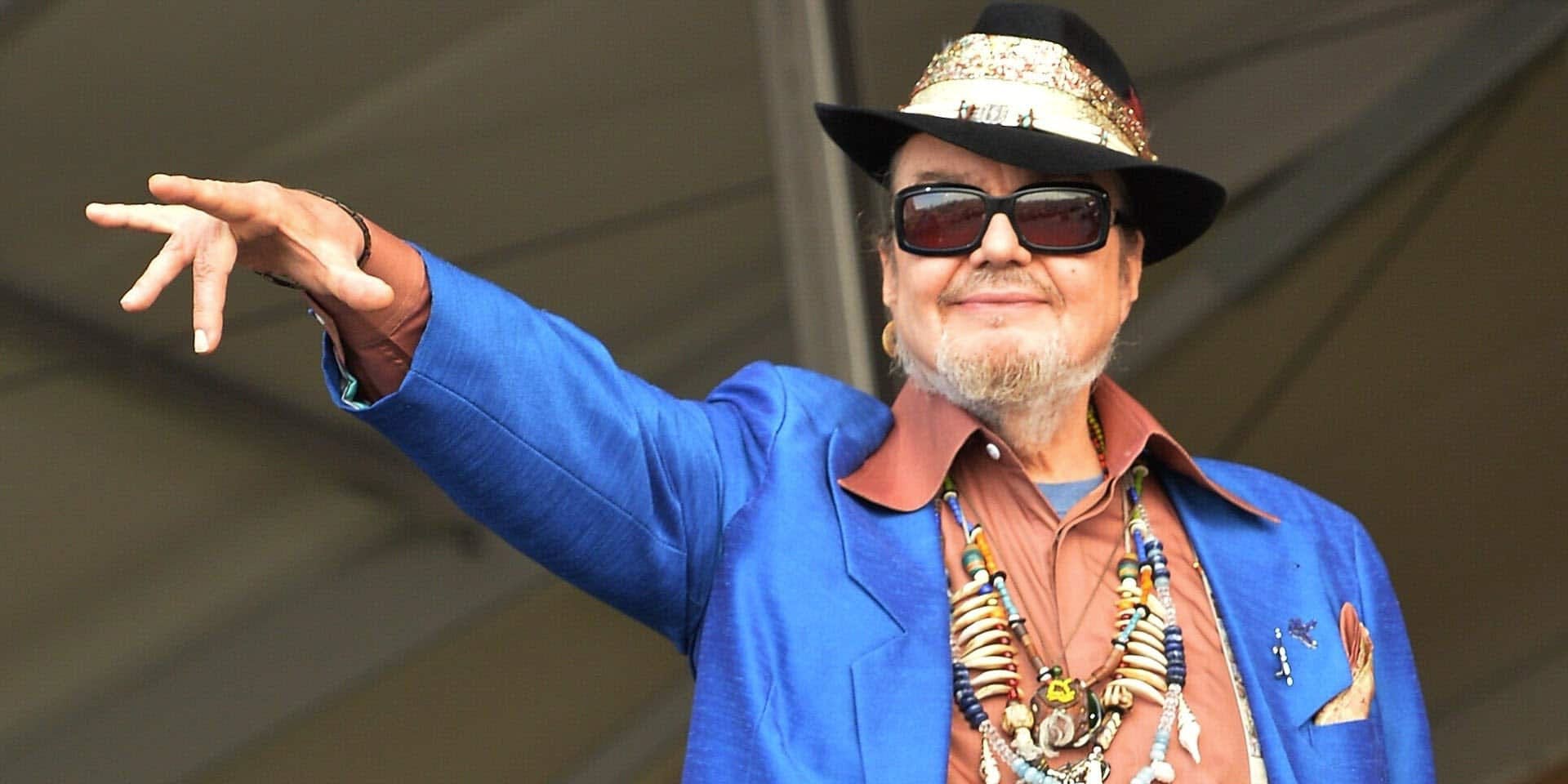
Dr. John, the Night Tripper, was more than just a musician—he was a cultural icon, a mystical storyteller, and a voodoo-infused force of nature who brought the spirit of New Orleans to the world. With his raspy voice, unique blend of funk, blues, jazz, and rock, and larger-than-life stage presence, Dr. John captivated audiences for over five decades. From the swampy rhythms of his early work to the soulful ballads of his later years, his music remains timeless, transporting listeners to a world of smoky jazz clubs, Mardi Gras parades, and moonlit Louisiana bayous.
In this article, we dive into the top 10 most popular Dr. John songs of all time—a collection of tracks that showcase his genius and the magic of his music. Whether you’re a lifelong fan or new to his spellbinding sound, these songs embody the heart and soul of his legacy. From iconic hits like “Right Place, Wrong Time” to deep cuts that reveal his artistic brilliance, each track is a testament to his talent and the vibrant musical traditions of New Orleans. So, grab your beads, turn up the volume, and prepare to be enchanted by the one and only Dr. John!
1. Right Place, Wrong Time (1973)
“Right Place, Wrong Time” is arguably Dr. John’s most recognizable hit, and for good reason. Released in 1973 on his standout album In the Right Place, the song effortlessly fuses New Orleans funk, gritty rock, and a splash of soul, anchored by Dr. John’s raspy, unmistakable voice. With a groove that grabs you from the very first note, it’s a song that feels both laid-back and urgent. Lyrically, it captures the feeling of being out of sync with the world—making the right moves at the wrong time or showing up just a beat too late. The humor and honesty in lines like “I been in the right place, but it must have been the wrong time” reflect the everyday ironies of life. Allen Toussaint’s slick production and The Meters’ tight rhythm section take the song to another level, transforming it into a Top 10 hit and cementing Dr. John’s place in the mainstream. It’s funky, it’s clever, and it’s dripping with that distinct New Orleans charm. This track isn’t just a hit—it’s a cultural snapshot of Dr. John at his grooviest, most magnetic self.
2. Such a Night (1973)
“Such a Night” is pure New Orleans magic—joyful, sultry, and steeped in the spirit of a good time. Also from the 1973 album In the Right Place, the song is a warm invitation to let loose and fall in love under the glow of streetlights and the sound of distant jazz. From the playful piano that dances through the verses to the smooth brass accents, every note feels like it’s pulling you into a late-night party in the French Quarter. Dr. John’s vocal delivery is charismatic and cheeky, filled with flirtation and flair. The lyrics paint a picture of a moment so special it’s almost surreal—”If I don’t do it, somebody else will.” It became even more iconic when Dr. John performed it during The Last Waltz, The Band’s legendary farewell concert, where his swagger and soul left an indelible impression. “Such a Night” is not just a love song—it’s a celebration of spontaneity, romance, and that unmistakable New Orleans spirit that Dr. John captured so effortlessly.
3. Iko Iko (1972)
Dr. John’s 1972 take on “Iko Iko” is a joyful celebration of his deep roots in New Orleans music. Originally a traditional Mardi Gras Indian chant, the song is full of playful call-and-response lyrics, colorful imagery, and a rhythm that’s impossible not to move to. His version, featured on the album Dr. John’s Gumbo, stays true to the song’s festive origins while giving it a funky, swampy twist. The percussion is vibrant, the horns are bright, and Dr. John’s signature drawl adds a layer of mischief that perfectly suits the song’s carnival energy. It feels like a street parade in full swing, with beads flying, feet stomping, and everyone caught up in the celebration. This version helped reintroduce the song to a wider audience, bringing the traditions of New Orleans music into living rooms far beyond Louisiana. Dr. John didn’t just cover “Iko Iko”—he made it a party, a tribute, and a showcase of everything that makes his music so irresistibly alive.
4. Walk on Gilded Splinters (1968)
“Walk on Gilded Splinters” is where Dr. John first fully embraced his mysterious, mystical persona. Released on his 1968 debut album Gris-Gris, the song is a hypnotic, voodoo-soaked journey through shadowy backwaters and spiritual realms. It’s not just music—it’s an experience. With its slow, slithering rhythm, eerie background chants, and swampy instrumentation, the track oozes atmosphere and dread in equal measure. Dr. John, performing as the “Night Tripper,” sounds like a high priest of the bayou, channeling ancient spirits through his voice and words. The lyrics are cryptic and poetic, luring listeners into a world where the line between reality and ritual blurs. “Walk on Gilded Splinters” stands out for its bold creativity—it doesn’t follow trends, it sets them. Over the years, the song has been covered and sampled by artists drawn to its dark allure, but no version matches the haunting original. This track is a cornerstone of Dr. John’s legend—a strange and beautiful ritual that introduced the world to his one-of-a-kind sound.
5. Mama Roux (1968)
“Mama Roux,” also from Dr. John’s 1968 debut Gris-Gris, is a funky, fun dive into the colorful characters and mystical vibes of his New Orleans imagination. This track leans more into the playful side of his Creole voodoo aesthetic, with an upbeat rhythm and a storytelling style that feels like it came straight from a back porch tale told at twilight. The song introduces Mama Roux, a figure cloaked in mystery and mischief, surrounded by a world of gumbo pot charm and swampy soul. Dr. John’s delivery is sly and full of personality, bouncing between gravelly verses and bursts of horn-filled funk. The rhythm section locks into a groove that’s both gritty and danceable, creating an irresistible energy that makes the song stand out. “Mama Roux” captures the essence of what made early Dr. John so captivating: his ability to blend folklore, funk, and personality into a sound that was totally unique. It’s a voodoo boogie wrapped in soul and soaked in the spirit of New Orleans.
6. Qualified (1973)
“Qualified,” from Dr. John’s 1973 album In the Right Place, is a swaggering anthem of self-confidence that radiates with funky charm. From the opening groove, the track asserts itself with a bold bassline and punchy brass, setting the stage for Dr. John’s charismatic delivery. The lyrics are witty, sharp, and full of bravado—Dr. John proudly lists his credentials, not in terms of degrees or resumes, but in street smarts, style, and spirit. With lines like “I got everything I need, almost,” he strikes a perfect balance between humor and honesty. The production, courtesy of Allen Toussaint, shines here with crisp instrumentation and an irresistible bounce that makes you want to strut down the street. The Meters, backing Dr. John, add their signature tightness and groove, elevating the track even more. “Qualified” isn’t just about boasting—it’s about owning your worth, your quirks, and your rhythm. It’s a musical pep talk wrapped in New Orleans funk, reminding listeners that being “qualified” isn’t about perfection—it’s about presence. This song remains a fan favorite for its infectious beat, tongue-in-cheek lyrics, and undeniable cool factor.
7. Gris-Gris Gumbo Ya Ya (1968)
“Gris-Gris Gumbo Ya Ya” opens Dr. John’s 1968 debut album Gris-Gris like a mysterious fog rolling in from the bayou. It’s not your typical song—it’s more like an incantation. From the moment it begins, you’re transported into a shadowy realm where music blends with mysticism, and rhythm becomes ritual. Dr. John introduces himself in a hushed, gravelly tone, claiming the name “Dr. John, the Night Tripper,” and welcoming listeners into his voodoo-tinged world. The track unfolds slowly, with hypnotic percussion, haunting backing vocals, and exotic instrumentation that gives it an almost cinematic feel. There’s a sense of theater here, as if Dr. John is casting a musical spell, drawing you deeper into his universe with every beat. “Gris-Gris Gumbo Ya Ya” doesn’t follow the usual rules of structure or melody—it flows more like a spirit ceremony than a pop tune. Yet its power lies in that very uniqueness. It sets the tone for the rest of the album and establishes Dr. John not just as a musician, but as a conjurer of sounds and stories that blend New Orleans folklore with psychedelic soul. This is where his legend truly begins.
8. Somebody Changed the Lock (1972)
“Somebody Changed the Lock,” from Dr. John’s 1972 album Dr. John’s Gumbo, is a classic slice of rhythm and blues reimagined through his unmistakable New Orleans lens. From the first piano riff, the track kicks off with a lively bounce that feels like a barroom jam session come to life. Dr. John’s vocals are full of bite and frustration, delivering the story of a love gone cold—and a literal lockout—with both humor and heartache. The lyrics are simple but impactful: “Somebody changed the lock on my door, and my key won’t fit no more.” It’s a familiar blues theme, but Dr. John turns it into something vibrant and uniquely his own. The band behind him—rich in horns, organ, and tight percussion—keeps the energy high, while his piano playing adds that signature flair only he could provide. The song’s upbeat tempo contrasts beautifully with the sorrowful message, making it a toe-tapper with emotional weight. “Somebody Changed the Lock” is a great example of how Dr. John could take the traditional and give it new life—swinging, soulful, and steeped in Crescent City soul.
9. Junko Partner (1972)
“Junko Partner,” released on Dr. John’s Gumbo in 1972, is a gritty, bluesy homage to the streetwise characters and rough edges of New Orleans. The song itself has a long history, often passed around informally among local musicians and known as an anthem of the down-and-out. Dr. John’s version captures that spirit with raw honesty and a soulful groove that’s as mournful as it is resilient. His gravelly voice delivers the tale of a man who’s been through it all—junk, jail, and jazz—yet still finds a way to sing about it with a wry smile. The piano line ambles along like a back-alley shuffle, and the rhythm section supports it with a laid-back, lived-in feel. There’s nothing polished about “Junko Partner,” and that’s what makes it so powerful. It’s a song about survival and spirit, about finding music and meaning in even the hardest circumstances. Dr. John doesn’t romanticize the hardships—he just tells it like it is, with authenticity and heart. This track stands as one of his most heartfelt tributes to the resilience of New Orleans culture and its deep blues tradition.
10. Big Chief (1972)
“Big Chief” is one of Dr. John’s most exuberant and iconic tributes to the culture and celebration of New Orleans Mardi Gras. Released on his 1972 album Dr. John’s Gumbo, the track explodes with energy, thanks to its rollicking piano, driving percussion, and a horn section that feels straight out of a second line parade. Originally composed by Earl King and famously recorded by Professor Longhair, Dr. John’s version carries the torch while adding his own funky flavor. The lyrics are a joyful shout-out to the Mardi Gras Indian traditions, filled with chants, rhythms, and Creole flavor. Dr. John’s performance is lively and infectious—he doesn’t just sing the song, he inhabits it. With his playful phrasing and dynamic instrumentation, he transforms “Big Chief” into a full-blown celebration of identity, pride, and musical heritage. It’s impossible to sit still while this track plays—it invites you to dance, to sing along, and to experience a bit of New Orleans for yourself. “Big Chief” isn’t just a song—it’s a living, breathing piece of cultural history brought to life by one of the city’s greatest musical ambassadors.

Edward Tomlin is a frequent contributor to Singers Room. Since 2005, Singersroom has been the voice of R&B around the world. Connect with us via social media below.









