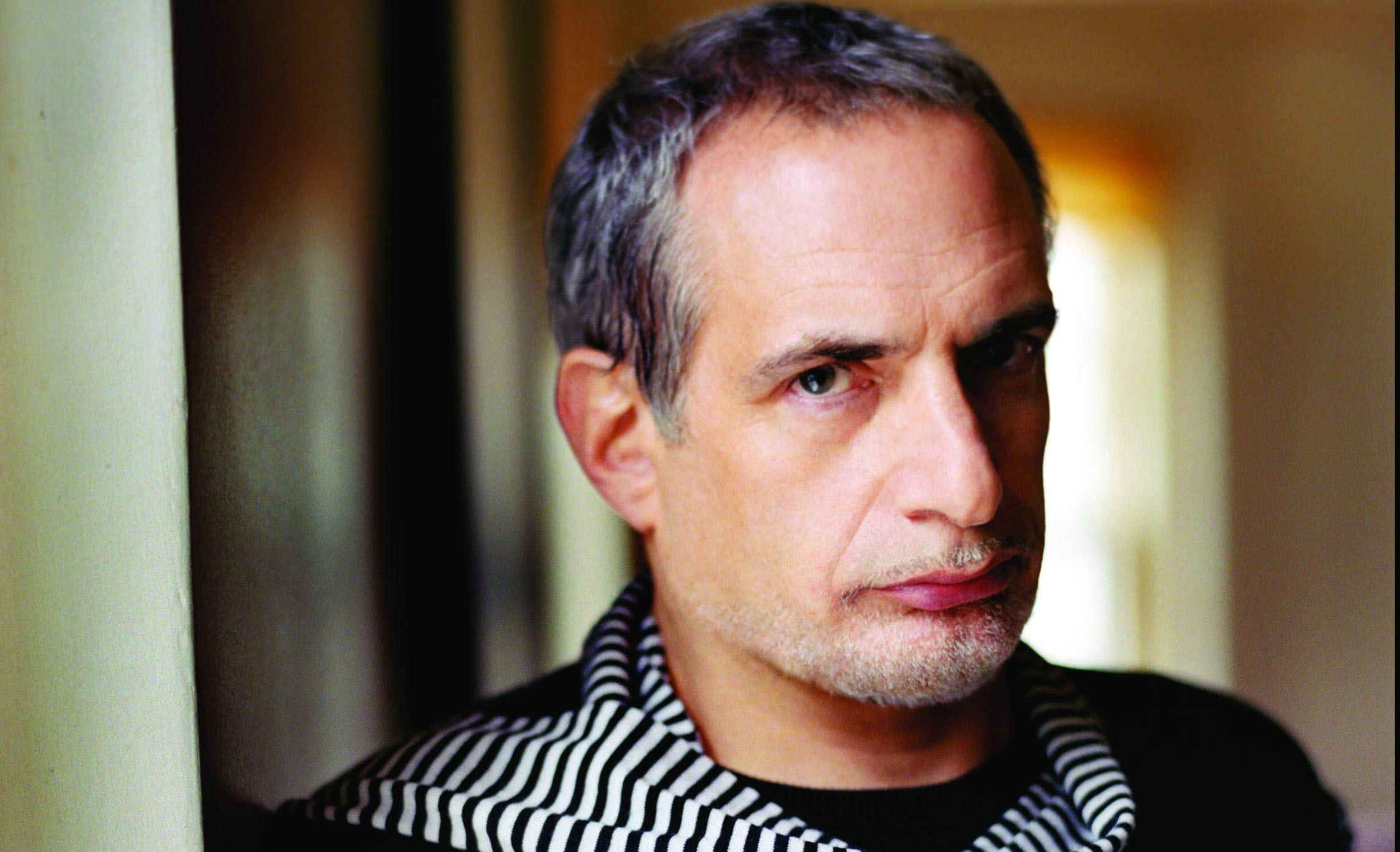
When it comes to blending jazz sophistication, sardonic wit, and sleek production, few artists stand as tall as Donald Fagen. Best known as the co-founder and voice of Steely Dan, Fagen’s solo work is a treasure trove of sonic innovation and lyrical storytelling. From neon-lit dreams of the future to tales of suburban oddballs and space-age romances, his music takes listeners on a journey through richly imagined worlds—always with groove, always with style. Whether you’re a longtime fan or just discovering his solo catalog, there’s no denying the unique magic that pulses through each of his songs. With a voice like a velvet sneer and arrangements that are as brainy as they are funky, Fagen carved out a solo career that rivals his legendary band work. In this countdown, we dive into the top 10 most popular Donald Fagen songs of all time, exploring the tracks that defined his post-Steely Dan legacy. These songs aren’t just fan favorites—they’re musical masterclasses that showcase the full range of Fagen’s creative genius. So cue up your hi-fi, pour yourself a drink, and let’s cruise through the smooth, strange, and unforgettable soundscape of one of modern music’s coolest storytellers.
1. I.G.Y. (What a Beautiful World) – 1982
Released as the lead single from Donald Fagen’s acclaimed 1982 solo debut The Nightfly, “I.G.Y. (What a Beautiful World)” is a shimmering portrait of mid-century optimism filtered through Fagen’s sharp, ironic lens. The song’s title refers to the International Geophysical Year of 1957–58, a period that celebrated scientific exploration and international cooperation, brimming with futuristic dreams of a better tomorrow. In this track, Fagen taps into that hopeful spirit, painting vivid scenes of solar-powered cities, undersea railways, and other dazzling visions of a Jet Age utopia. But as with much of his work, there’s a wry undercurrent running through the glossy production—those dreams, he suggests, didn’t quite come to pass. Musically, the song blends smooth jazz-pop textures with pristine synthesizers, punchy horns, and Fagen’s distinctive vocals. The juxtaposition of upbeat arrangements and subtly sardonic lyrics creates a compelling tension that captures the complexity of American idealism. “I.G.Y.” remains one of Fagen’s most beloved solo efforts, encapsulating his unique ability to wrap sharp commentary in lush, sophisticated grooves. It’s both a celebration and a critique, offering a retro-futurist anthem that’s as smart as it is sonically irresistible.
2. New Frontier – 1982
“New Frontier,” also from The Nightfly, is a uniquely charming blend of Cold War anxiety and teenage romance, wrapped in polished jazz-funk and clever storytelling. Set against the backdrop of the early 1960s, the song centers on a young man trying to impress a girl while sheltering in a family fallout bunker, stocked with records and dreams of escape. This unlikely setting becomes a stage for youthful desire, with Fagen’s narrator hoping for love amid the looming threat of nuclear war. The song’s production is crisp and lively, featuring sparkling synths, a buoyant bassline, and meticulously layered vocal harmonies. Fagen’s delivery is full of understated humor and boyish hope, striking a balance between satire and sincerity. What makes “New Frontier” especially compelling is its ability to take a potentially grim concept and turn it into something light, human, and strangely romantic. It’s a coming-of-age tale with a Cold War twist, and it showcases Fagen’s skill at creating fully realized worlds within the span of a few verses. Energetic, witty, and wonderfully offbeat, “New Frontier” remains a standout in his solo catalog—both a nostalgic time capsule and a timeless pop gem.
3. The Nightfly – 1982
The title track of The Nightfly offers a deeply atmospheric dive into the solitary world of a late-night jazz DJ broadcasting to an unseen audience from a dimly lit booth. Drawing inspiration from Fagen’s own youthful fascination with radio and jazz, the song captures the mood of quiet hours filled with smoky records, political musings, and distant hopes. With its laid-back groove, warm keyboard textures, and languid rhythm, “The Nightfly” paints a cinematic portrait of a young idealist speaking into the void, searching for connection and meaning. The lyrics reference faraway revolutions and secret phone calls, hinting at a longing for both personal and cultural change. Fagen’s performance is restrained but evocative, embodying a narrator who’s both hopeful and aware of the limits of his world. Musically, the track is a masterclass in understated sophistication, perfectly aligning with the album’s overarching theme of youthful optimism tinged with adult disillusionment. “The Nightfly” doesn’t just tell a story—it immerses the listener in a mood, evoking the loneliness, romance, and mystery of late-night radio. It remains one of Fagen’s most compelling character studies and a standout example of his narrative craftsmanship.
4. Green Flower Street – 1982
“Green Flower Street” is one of the most energetic and vivid tracks on The Nightfly, combining jazz-funk propulsion with a noir-inspired storyline. The song drops listeners into a bustling, possibly dangerous cityscape—likely modeled after Chinatown—where love, crime, and mystery intertwine. Fagen’s lyrics sketch a tale of forbidden romance and urban drama, delivered with urgency and style. The track is driven by tight horn sections, intricate rhythms, and slick guitar work, creating a musical backdrop that feels both sophisticated and raw. Fagen’s vocal performance is cool but tense, mirroring the nervous excitement of sneaking through shadowy alleys and breaking social taboos. The song’s cinematic quality is enhanced by its layered arrangement, which evokes a mood somewhere between a detective film and a smoky jazz club. “Green Flower Street” stands out not just for its groove, but for how it uses music to build a world—complex, dangerous, and irresistibly alive. It’s a testament to Fagen’s ability to fuse narrative depth with musical flair, resulting in a track that’s as engaging as it is danceable. This is Fagen at his most vivid, crafting a story you can hear, feel, and see.
5. Maxine – 1982
Among the standout tracks on The Nightfly, “Maxine” is perhaps the most heartfelt and tender. With its doo-wop-inspired harmonies and romantic storyline, the song evokes the sweetness and innocence of teenage love in the early 1960s. The lyrics tell of two high school sweethearts dreaming about the future—college plans, shared hopes, and a life together far beyond the confines of their youthful world. Musically, the track is built around lush, jazz-inflected chords and warm backing vocals that create a dreamy, nostalgic atmosphere. Fagen’s vocal performance is unusually gentle and sincere, perfectly capturing the vulnerability and idealism of young love. There’s a simplicity to the song’s sentiment, but it’s delivered with such musical sophistication and emotional nuance that it feels both timeless and fresh. “Maxine” is not only a nod to classic vocal groups of the past, but also a personal, poignant reflection on the optimism of youth. It provides a softer, more romantic counterpoint to some of the album’s more ironic and satirical tracks, revealing another layer of Fagen’s artistry. This is Fagen at his most emotionally open, crafting a song that’s quietly powerful and deeply affecting.
6. Tomorrow’s Girls – 1993
“Tomorrow’s Girls,” released in 1993 on Kamakiriad, is Donald Fagen at his most playfully futuristic. The song introduces a surreal tale about a mysterious new breed of women—enigmatic, powerful, possibly extraterrestrial, or maybe just figments of a restless imagination. Fagen wraps this sci-fi satire in a silky jazz-funk arrangement, complete with robotic backing vocals and a slithering bassline that gives the track a distinct cyber-noir vibe. Lyrically, he blends classic storytelling with sharp wit, crafting a world where technology, seduction, and social commentary collide. It’s never quite clear whether the “Tomorrow’s Girls” are a threat or a promise, but that ambiguity is part of the charm. Fagen’s cool, detached delivery only enhances the song’s dry humor and sense of otherworldly intrigue. With its slick production and genre-blurring style, “Tomorrow’s Girls” stands out as one of Fagen’s most inventive solo compositions—a funky sci-fi fable that’s as catchy as it is curious.
7. Snowbound – 1993
From the Kamakiriad album, “Snowbound” is a lush, atmospheric escape into a dreamlike winter cityscape. Fagen turns a frozen metropolis into a personal retreat, where the harshness of the outside world is softened by layers of snow and introspection. The groove is laid-back and inviting, built on smooth synth textures, subtle guitar work, and a gently shuffling rhythm that evokes a sense of peaceful detachment. As Fagen describes this snow-covered utopia, the lyrics become both literal and metaphorical, symbolizing a longing for emotional calm and detachment from chaos. His vocals are relaxed and contemplative, perfectly suited to the song’s introspective tone. Unlike many of his more satirical tracks, “Snowbound” is marked by a quiet sense of acceptance—an embrace of solitude rather than a critique of society. It’s one of the most serene and soulful moments in Fagen’s catalog, a musical snowglobe where time slows down and clarity begins to settle in with each falling flake.
8. Trans-Island Skyway – 1993
“Trans-Island Skyway” kicks off Kamakiriad with a futuristic road trip that’s as smooth as it is imaginative. The song introduces the album’s overarching concept—a journey in a high-tech, environmentally friendly vehicle through a semi-utopian landscape. Fagen’s lyrics are filled with vivid imagery: jacuzzis in the dashboard, weather-control systems, and rest stops that feel more like sci-fi lounges. The music matches the lyrical inventiveness with a jazzy, funk-infused arrangement that’s full of slick keyboard textures and clean, precise instrumentation. It’s a sonic highway that feels both retro and forward-looking, with nods to Steely Dan’s polished sound but a flair that’s uniquely Fagen. His vocals are laid-back yet brimming with detail, drawing listeners into this quirky, visionary world. “Trans-Island Skyway” doesn’t just set the tone for the album—it acts as a gateway into Fagen’s creative mind, where storytelling and sound design blend seamlessly. It’s an ideal opener, welcoming listeners to buckle up for a surreal, stylish ride into the near-future.
9. Slinky Thing – 2012
Opening Sunken Condos in 2012, “Slinky Thing” is a sharp, funky narrative that showcases Donald Fagen’s enduring flair for irony and sophistication. The track centers on an older man’s attraction to a much younger woman, a situation that could easily veer into cliché—except Fagen handles it with self-awareness and satirical edge. Over a groove-laden bassline and tight, polished arrangements, he delivers lyrics that are both tongue-in-cheek and strangely sincere, making the listener wonder if the narrator is a clueless romantic or just deluded. The music struts with a smooth, jazzy confidence, featuring slick guitar licks, electric piano, and sultry backing vocals. Fagen’s vocals maintain a cool detachment, letting the humor and awkwardness of the situation speak for themselves. “Slinky Thing” is quintessential Fagen: musically refined, lyrically sly, and unafraid to poke fun at human folly. It’s a testament to his skill as a songwriter that he can take a potentially uncomfortable premise and turn it into a clever, danceable commentary on aging, desire, and modern relationships.
10. Miss Marlene – 2012
“Miss Marlene,” from Fagen’s Sunken Condos album, is a bluesy, noir-tinged tale that captures the melancholy charm of lost legends and fading memories. The song tells the story of a mysterious local figure—the queen of the bowling alley—whose unexplained absence leaves the narrator and the town in quiet mourning. With its understated groove, steady drumbeat, and moody keyboard lines, the track has a smoky, late-night feel that pairs perfectly with Fagen’s storytelling. His vocals are tinged with wistfulness and subtle humor, painting Marlene as both a real person and a symbol of a bygone era. There’s a small-town Americana vibe here, filtered through Fagen’s distinct urban-jazz lens. “Miss Marlene” isn’t flashy, but it lingers long after it ends, thanks to its rich character work and emotional restraint. It’s a song about loss, curiosity, and the weight of absence, wrapped in a groove that’s as haunting as it is hypnotic—a hidden gem that proves Fagen’s gift for crafting mood and narrative with a master’s touch.

Samuel Moore is a frequent contributor to Singers Room. Since 2005, Singersroom has been the voice of R&B around the world. Connect with us via social media below.









