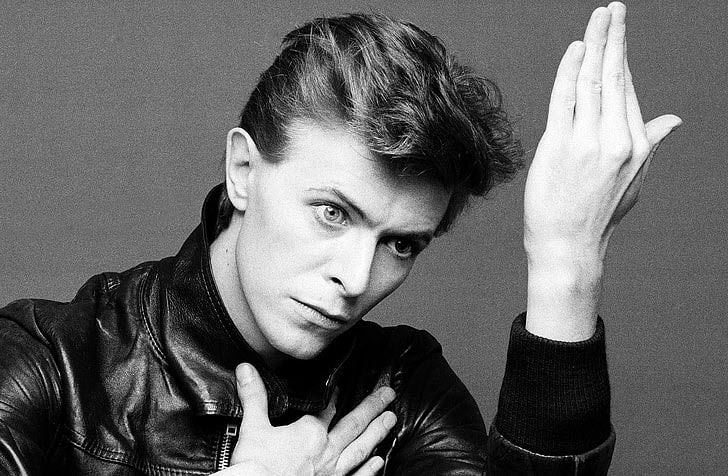
David Bowie, the Starman who fell to Earth, remains one of the most iconic and influential artists in the history of music. With a career spanning over five decades, Bowie redefined what it meant to be a rock star, pushing boundaries with his ever-evolving sound, theatrical personas, and fearless creativity. From the glam rock of Ziggy Stardust to the soul-infused grooves of the Thin White Duke, Bowie’s chameleon-like ability to reinvent himself while staying true to his artistry cemented his legacy as an unparalleled musical visionary.
But what truly made Bowie extraordinary was his ability to craft songs that resonated deeply with listeners—songs that could make you dance, cry, or question your place in the universe. His catalog is a treasure trove of timeless classics, each a window into a different facet of his genius. Whether it’s the anthemic call to the stars in “Space Oddity,” the infectious grooves of “Let’s Dance,” or the haunting beauty of “Heroes,” Bowie’s music has left an indelible mark on millions.
In this article, we’ll dive into the top 10 most popular David Bowie songs of all time—a celebration of the hits that shaped his legacy and continue to inspire fans across the globe. Let’s dance!
1. Space Oddity (1969)
David Bowie’s “Space Oddity” is more than just a song—it’s an immersive story that launched his career into the stratosphere. Released in 1969, just before the Apollo 11 mission, the timing was perfect to capture the imagination of a world looking skyward. The track introduces Major Tom, an astronaut drifting away from Earth, symbolizing feelings of isolation and existential detachment. With Bowie’s haunting vocals and a spacious, orchestral arrangement featuring the Mellotron, the song creates an eerie sense of weightlessness. It balances a deep sadness with a dreamlike wonder, blending rock with sci-fi in a way that felt entirely new. The countdown at the beginning pulls listeners right into the narrative, while the mournful tone of “Can you hear me, Major Tom?” underscores the human cost of exploration. “Space Oddity” wasn’t just Bowie’s first hit—it set the tone for the rest of his career: imaginative, boundary-pushing, and always a little otherworldly. It remains a fan favorite and a cultural touchstone for its atmospheric beauty and poignant themes of disconnection and discovery.
2. Changes (1971)
“Changes” is one of David Bowie’s most defining tracks, and it brilliantly captures his constant evolution as both an artist and a person. Released on Hunky Dory in 1971, the song opens with a jaunty piano riff that sets a surprisingly upbeat tone for what is essentially a meditation on identity and transformation. Bowie reflects on youth, aging, and the inevitable shifts in life, confronting the pressures of conformity with playful defiance. The famous stuttering hook—“Ch-ch-ch-changes”—is instantly recognizable and became a rallying cry for self-expression and reinvention. It’s an anthem for anyone who’s ever felt out of step with the norm. Musically, it’s simple but effective, with crisp instrumentation that allows the lyrics and Bowie’s vocals to shine. This track was prophetic, too—Bowie would go on to reinvent himself many times over, and “Changes” now feels like a manifesto for his career. Whether you’re hearing it for the first time or the hundredth, the song still strikes a chord with its honest message about embracing the unknown and finding freedom in flux.
3. Life on Mars? (1971)
“Life on Mars?” is one of David Bowie’s most layered and surreal songs, a theatrical spectacle wrapped in poetic lyrics and dramatic instrumentation. Released in 1971 on Hunky Dory, the song paints a vivid portrait of modern disillusionment through the eyes of a girl who escapes her grim reality by immersing herself in cinema. The lyrics are filled with bizarre, disjointed images—Mickey Mouse, Ibiza, and lawmen beating up the wrong guy—all stitched together into something strangely cohesive. Rick Wakeman’s piano work provides the foundation, while sweeping strings and Bowie’s soaring vocals give the song a grand, cinematic feel. What really makes this track stand out is how it walks the line between fantasy and despair. There’s a yearning in the question “Is there life on Mars?”—not just for alien life, but for something more meaningful than the chaos of Earth. Bowie’s voice climbs to incredible emotional heights by the final chorus, making this song feel like both an opera and a cry for help. “Life on Mars?” remains one of Bowie’s greatest artistic statements—bold, beautiful, and endlessly open to interpretation.
4. Starman (1972)
“Starman” is the moment Ziggy Stardust came to life. Released in 1972 as part of The Rise and Fall of Ziggy Stardust and the Spiders from Mars, this song marked a major turning point for David Bowie. It introduced a rock-and-roll alien savior beaming hope to Earth’s misfits, and Bowie’s performance of it on Top of the Pops became iconic overnight. The song’s melody is both whimsical and reassuring, with a gentle acoustic intro that erupts into an upbeat chorus full of optimism and cosmic wonder. Lyrically, “Starman” tells the story of a mysterious extraterrestrial reaching out to Earth’s youth through the radio—offering a kind of salvation through connection and music. Bowie’s delivery is charismatic, almost comforting, as if he’s gently ushering listeners into a new world where they don’t have to fit in. The glam rock aesthetic was in full swing, and “Starman” was its shining anthem. It not only helped launch Bowie’s Ziggy persona into stardom but also gave listeners a sense of belonging. It’s still a song of hope, strangeness, and unity that feels just as powerful today.
5. Heroes (1977)
“Heroes” is one of Bowie’s most emotional and enduring songs, recorded during his influential Berlin period and released in 1977. Co-written with Brian Eno, the track draws inspiration from a real-life couple Bowie saw kissing near the Berlin Wall—two lovers meeting in the shadow of division and danger. The lyrics tell a simple but powerful story: two people who believe, even if just for a day, that they can rise above their circumstances. Bowie’s vocal performance grows more passionate with each verse, building to a cathartic climax that feels like both defiance and longing. The music mirrors this emotional ascent, starting subdued and gradually layering guitars, synths, and drums into a soaring wall of sound. “Heroes” feels almost transcendent by the end, as Bowie’s voice strains with raw emotion. It’s more than just a love song—it’s a declaration of hope in the face of adversity. Over the years, it’s become an anthem for perseverance, often used in moments of triumph or remembrance. Even today, “Heroes” stands as one of Bowie’s most universally resonant tracks, a timeless reminder of the strength found in fleeting, courageous moments.
6. Rebel Rebel (1974)
“Rebel Rebel” is David Bowie’s unapologetic celebration of youth, individuality, and the refusal to fit into any mold. Released in 1974 on the Diamond Dogs album, it quickly became a glam rock anthem thanks to its iconic, raw guitar riff and snarky lyrics. The opening line—“You’ve got your mother in a whirl”—immediately sets the tone, throwing listeners into a world of gender-bending defiance and stylish rebellion. Bowie plays both observer and participant as he sings about a young person who’s proudly unconventional, boldly rejecting societal expectations. Musically, the track is gritty and stripped down, featuring one of the most memorable riffs in rock history—played by Bowie himself. It captures the essence of garage rock but with a glittery twist. Lyrically, it’s cheeky and clever, with Bowie embracing themes of gender fluidity and self-expression long before they were widely talked about. “Rebel Rebel” stands as one of Bowie’s last glam-era tracks before his transition into new artistic phases, making it a bold farewell to Ziggy and a fierce declaration of artistic freedom. It remains a fan favorite and an enduring anthem for misfits everywhere who take pride in standing out.
7. Ashes to Ashes (1980)
“Ashes to Ashes” is a haunting and introspective song that revisits the iconic character Major Tom, first introduced in “Space Oddity.” Released in 1980 as part of Scary Monsters (and Super Creeps), the track finds Bowie reflecting on the passage of time, personal struggles, and the darker side of fame. Musically, it’s richly layered with futuristic synths, eerie piano lines, and an unsettlingly hypnotic rhythm that mirrors the song’s emotional weight. The famous line “Ashes to ashes, funk to funky, we know Major Tom’s a junkie” flips the narrative from space hero to tragic figure, exposing the hidden costs of disconnection and escapism. Bowie’s vocals are plaintive and vulnerable, as if he’s confronting old ghosts and searching for meaning. The song is also notable for its groundbreaking music video, one of the most iconic of the early MTV era, with surreal visuals that amplified the track’s themes of fragmentation and decay. “Ashes to Ashes” is Bowie at his most enigmatic and innovative—blending past and future, myth and reality. It’s a powerful reminder that behind every persona, there’s a deeper, more fragile truth.
8. Let’s Dance (1983)
“Let’s Dance” marked a dramatic shift in David Bowie’s career, catapulting him into mainstream pop stardom in 1983. As the title track from his Let’s Dance album, the song was produced by Nile Rodgers, whose signature funk and disco influence reshaped Bowie’s sound. From the first bright guitar chord to the driving rhythm section, the track pulses with infectious energy. The lyrics, while simple on the surface, carry a subtle layer of emotional depth—“If you say run, I’ll run with you”—hinting at vulnerability beneath the polished surface. Bowie uses the dance floor not just as a setting for romance, but as a metaphor for connection and release. The accompanying music video, shot in Australia, added a social message by highlighting themes of racial injustice and cultural identity, which gave the song a deeper resonance. With its blend of pop, rock, and funk, “Let’s Dance” became one of Bowie’s biggest commercial successes, reaching new audiences across the globe. It introduced him to the MTV generation while proving he could evolve yet again. More than just a dance hit, the song cemented Bowie’s status as a master of reinvention.
9. Modern Love (1983)
“Modern Love” is a vibrant, high-energy track that blends existential questioning with danceable pop brilliance. Released in 1983 as part of the Let’s Dance album, it showcases David Bowie at his most accessible—without sacrificing the lyrical complexity that defined his earlier work. Beneath its upbeat tempo and driving beat lies a song full of spiritual and emotional searching. Bowie sings about love, faith, and doubt in a rapidly changing world, asking what modern romance really means in an era marked by superficiality. “I know the church won’t recognize me,” he declares, confronting organized religion and traditional ideals head-on. Musically, the song is packed with energy, propelled by crisp saxophones, catchy piano, and infectious rhythm guitar. Bowie’s vocals are urgent and passionate, riding the line between hope and frustration. The song became a major hit and a staple of Bowie’s live performances, where its pounding chorus and joyful intensity brought crowds to their feet. “Modern Love” is the kind of song that makes you want to dance and think at the same time—a true testament to Bowie’s ability to blend intellect and entertainment in perfect harmony.
10. Under Pressure (1981)
“Under Pressure” is a landmark collaboration between David Bowie and Queen, released in 1981 as a standalone single. It’s built around one of the most instantly recognizable basslines in rock history—simple but unforgettable. From that opening riff, the song launches into a powerful exploration of stress, compassion, and the human condition. Bowie and Freddie Mercury trade verses and harmonize in an emotionally charged performance that still sends chills decades later. The lyrics speak to the crushing weight of modern life—“It’s the terror of knowing what this world is about”—but they also offer a glimmer of hope through love and empathy. The climax of the song, where Mercury’s soaring vocals meet Bowie’s pleading intensity, creates a cathartic release that is nothing short of electric. Despite being born from an impromptu studio jam, “Under Pressure” became a classic almost overnight. It combines the theatricality of Queen with Bowie’s sharp introspection, making it more than just a duet—it’s a moment of shared humanity. The song remains a rallying cry for unity in difficult times, proving that even under immense pressure, love remains the most powerful force we have.

Edward Tomlin is a frequent contributor to Singers Room. Since 2005, Singersroom has been the voice of R&B around the world. Connect with us via social media below.









