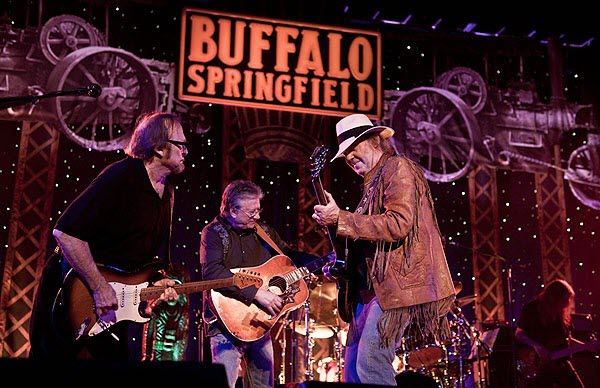
Buffalo Springfield, a legendary band that helped shape the sound of the late 1960s, remains a cornerstone of folk-rock and psychedelic music. Known for their harmonious blend of poetic lyrics, intricate melodies, and socially conscious themes, this iconic group left an indelible mark on the music world despite their relatively short career. With members like Stephen Stills, Neil Young, and Richie Furay, who would go on to influence generations of musicians, Buffalo Springfield’s catalog is a treasure trove of timeless classics.
From anthems of protest to tender ballads that explore love and longing, their songs capture the spirit of an era defined by change and rebellion. Whether you’re a devoted fan or a newcomer discovering their music for the first time, this list will take you on a journey through the band’s most beloved tracks. These are the songs that defined a generation, inspired countless artists, and continue to resonate with audiences today.
So, grab your headphones and get ready to dive into the top 10 most popular Buffalo Springfield songs of all time. From the unmistakable opening chords of their biggest hits to hidden gems that deserve more recognition, this list will remind you why Buffalo Springfield’s music is truly unforgettable.
1. For What It’s Worth (1966)
Released in December 1966, “For What It’s Worth” quickly became Buffalo Springfield’s signature song and one of the most enduring protest anthems of the 1960s. Written by Stephen Stills, the track was inspired not by the Vietnam War, as many assume, but by a series of protests against curfews and the closing of clubs on the Sunset Strip in Los Angeles. Still, the song’s moody atmosphere and vague but evocative lyrics—especially the haunting line, “Paranoia strikes deep”—captured a much broader feeling of unrest that defined a turbulent era. With its distinctive guitar riff and steady, measured beat, the song doesn’t shout, but it resonates with quiet urgency. Its ambiguity allows it to transcend its original context, turning it into a timeless anthem for any generation facing conflict or seeking change. “For What It’s Worth” is often categorized as folk-rock, but its impact reaches far beyond any one genre. Decades later, it still speaks to moments of protest and reflection, showing how music can echo long after the final chord is played. This track cemented Buffalo Springfield’s place in music history and became a foundational piece of the American counterculture soundtrack.
2. Mr. Soul (1967)
“Mr. Soul” is Neil Young’s raw and introspective take on the strange dance between fame and identity. Released in 1967 on Buffalo Springfield Again, it opens with a gritty, distorted guitar riff that’s instantly reminiscent of The Rolling Stones’ “Satisfaction,” but the lyrical content heads in a very different direction. Young wrote the song after suffering an epileptic seizure and grappling with the alienation he felt from his rising fame. His lyrics are cryptic, almost abstract, with lines that hint at discomfort, confusion, and detachment: “A new day’s dawning and I’m feeling left behind.” It’s both a rock song and a meditation on the cost of being in the spotlight. His vocals are weary and urgent, perfectly matching the mood of the instrumentation. “Mr. Soul” stands out in Buffalo Springfield’s catalog as one of their darker, edgier works—far from the more polished, radio-friendly material that also defined the band. It showcases Neil Young’s burgeoning solo voice and foreshadows the themes he’d explore in his later career. With its blend of rock swagger and psychological depth, “Mr. Soul” remains a compelling, thought-provoking listen.
3. Bluebird (1967)
“Bluebird,” featured on the 1967 album Buffalo Springfield Again, is a brilliant showcase of Stephen Stills’ songwriting creativity and the band’s musical range. The song defies traditional structure, moving seamlessly between bright acoustic passages and electrifying electric guitar riffs. It’s a sonic journey, beginning with delicate folk strumming and poetic verses, then building into a crescendo of fuzzed-out rock energy. Stills’ lyrics are lyrical and evocative, using natural imagery and emotional subtlety to paint a picture of longing, love, and transformation. There’s a sense of freedom and unpredictability that runs throughout the track, capturing the spirit of the late ’60s. One of the standout aspects of “Bluebird” is its instrumentation—especially the interplay between guitar tones and textures, which create a rich, layered sound. The band flexes both their folk and rock muscles here, showing how adept they were at merging the two into something unique. Despite never becoming a massive radio hit, “Bluebird” earned respect among fans and musicians alike for its complexity and boldness. It remains one of Buffalo Springfield’s most artistic and ambitious tracks, a song that rewards repeated listens with new discoveries each time.
4. Go and Say Goodbye (1966)
“Go and Say Goodbye” is one of Buffalo Springfield’s earliest nods to what would later be called country rock, and it holds up as a gem from their 1966 debut album. Written by Stephen Stills, the song carries a bright, jangly energy that’s instantly infectious. From the upbeat tempo to the tight vocal harmonies, it feels cheerful on the surface—but the lyrics tell a different story. Beneath the sunny melody lies a bittersweet message about letting go of love. The narrator offers calm advice to someone ending a relationship, telling them to “go and say goodbye” rather than dragging things out. It’s a mature take on heartbreak, set to a melody that feels more like a dance than a dirge. The song’s arrangement reflects early influences of folk and country, complete with crisp guitar picking and rhythmic bounce. “Go and Say Goodbye” may not be as politically charged or musically complex as some of their later work, but its charm lies in its simplicity and emotional honesty. It’s one of those songs that quietly endures, showing how even early in their career, Buffalo Springfield had a knack for blending genres and telling human stories with sincerity.
5. Sit Down I Think I Love You (1966)
“Sit Down I Think I Love You” is a shining example of Buffalo Springfield’s gift for catchy, melodic pop-rock with a touch of folk flavor. Released in 1966 on their debut album, the song was penned by Stephen Stills and quickly found its way into listeners’ hearts with its earnest tone and singable chorus. The title itself is charmingly straightforward—there’s a sweetness in the way the song captures the innocence and urgency of a budding romantic feeling. Musically, it’s bright and crisp, with jangly guitars and layered harmonies that reflect the influence of the folk revival and early British Invasion pop. The lyrics are playful yet sincere, as the narrator attempts to express a sudden realization of love. There’s a youthful exuberance to the song, which makes it both relatable and timeless. Though not as philosophically weighty as some of the band’s more reflective songs, “Sit Down I Think I Love You” has a charm all its own. It’s been covered by other artists over the years, which is a testament to its enduring appeal. Ultimately, it’s a track that showcases the accessible, melodic side of Buffalo Springfield’s musical personality.
6. On the Way Home (1968)
“On the Way Home,” featured on Buffalo Springfield’s final album Last Time Around (1968), is a beautifully reflective song penned by Neil Young. Unlike some of the band’s more electric or experimental tracks, this one embraces a gentle, folk-tinged vibe that perfectly suits its introspective lyrics. Sung by Richie Furay, the song feels like a quiet journey through memories and self-discovery, filled with a nostalgic longing for simpler times and a hopeful eye toward the future. The warm harmonies and delicate acoustic guitar work combine to create an intimate atmosphere that invites listeners to reflect alongside the singer. Lyrically, it’s about moving forward while carrying the past with you—a theme that resonates strongly given the band was nearing its end. The emotional depth of “On the Way Home” captures the bittersweet feeling of change and transition, making it a poignant farewell song for Buffalo Springfield’s brief but influential career. Its understated beauty and heartfelt delivery make it one of the quieter but most enduring moments in their catalog.
7. Expecting to Fly (1967)
“Expecting to Fly,” a Neil Young composition from the album Buffalo Springfield Again (1967), is a hauntingly beautiful ballad that stands apart from the band’s usual folk-rock sound. This track is notable for its lush, orchestral arrangement, which was crafted by producer Jack Nitzsche and adds a sweeping, cinematic quality to the song. The rich strings and subtle brass give “Expecting to Fly” an ethereal feel, creating a dreamy soundscape that perfectly complements the melancholic lyrics. The song explores themes of emotional vulnerability, loss, and the fragile hope that persists even in difficult times. Young’s vocals are tender and filled with longing, capturing the bittersweet tension between expectation and reality. “Expecting to Fly” is often praised for its ambitious production and emotional depth, showcasing the band’s willingness to experiment and push the boundaries of what rock music could be at the time. Though it may not have been a commercial smash, it has become a beloved classic that demonstrates Buffalo Springfield’s artistic maturity and Neil Young’s evolving songwriting genius.
8. Rock & Roll Woman (1967)
Co-written by Stephen Stills and David Crosby, “Rock & Roll Woman” is a bright, energetic track from Buffalo Springfield Again (1967) that perfectly captures the youthful spirit of 1960s California rock. The song bursts with jangly guitars, upbeat rhythms, and soaring harmonies that feel both effortless and infectious. Its lyrics celebrate a confident, free-spirited woman who embodies the rebellious and exciting energy of the rock and roll lifestyle. The track’s catchy hooks and lively instrumentation make it one of the more accessible and radio-friendly songs in the band’s catalog. “Rock & Roll Woman” also reflects the collaborative chemistry between band members, with Stills and Crosby’s songwriting blending seamlessly to create a vibrant sound. The song encapsulates the feeling of fun, freedom, and youthful exuberance that was central to the era’s music scene. It remains a fan favorite and a shining example of Buffalo Springfield’s ability to combine skillful musicianship with relatable themes and memorable melodies.
9. Kind Woman (1968)
Richie Furay’s “Kind Woman,” from Buffalo Springfield’s final album Last Time Around (1968), is a soulful, tender ballad that beautifully blends country warmth with subtle R&B influences. The song serves as a heartfelt tribute to love, devotion, and the comfort found in a caring partner. Furay’s sincere vocal delivery and the gentle instrumentation—featuring soft acoustic guitars and smooth harmonies—create a soothing, intimate atmosphere that resonates deeply with listeners. “Kind Woman” stands out for its simplicity and emotional honesty, making it feel like a personal confession rather than a polished pop song. The lyrics express admiration and gratitude toward a loved one who offers kindness and stability, which gives the song a timeless quality. Over the years, “Kind Woman” has been appreciated not just as a beautiful piece of songwriting but also as an example of Buffalo Springfield’s versatility. It highlights a softer, more reflective side of the band, contrasting with their more electric, energetic tracks while maintaining their signature musicality and emotional depth.
10. Clancy Can’t Even Sing (1966)
“Clancy Can’t Even Sing,” Buffalo Springfield’s quirky debut single from 1966, immediately set the band apart with its experimental and unconventional approach. Written by Neil Young but sung by Richie Furay, the track is a whirlwind of avant-garde sounds, unusual structures, and playful, cryptic lyrics. Far from a traditional pop or rock song, it embraces a raw, almost chaotic energy that reflects the band’s willingness to take creative risks. The song’s unpredictable shifts in tempo and melody showcase Buffalo Springfield’s adventurous spirit, blending folk, rock, and early psychedelia in a way that was fresh and exciting for the time. Though it didn’t achieve commercial success, “Clancy Can’t Even Sing” helped establish the band’s identity as innovators unafraid to push musical boundaries. Its offbeat humor and experimental vibe continue to intrigue fans and critics alike, making it an essential piece of Buffalo Springfield’s legacy. It remains a fascinating glimpse into the band’s early days and the artistic daring that would define their brief but influential career.

Edward Tomlin is a frequent contributor to Singers Room. Since 2005, Singersroom has been the voice of R&B around the world. Connect with us via social media below.







