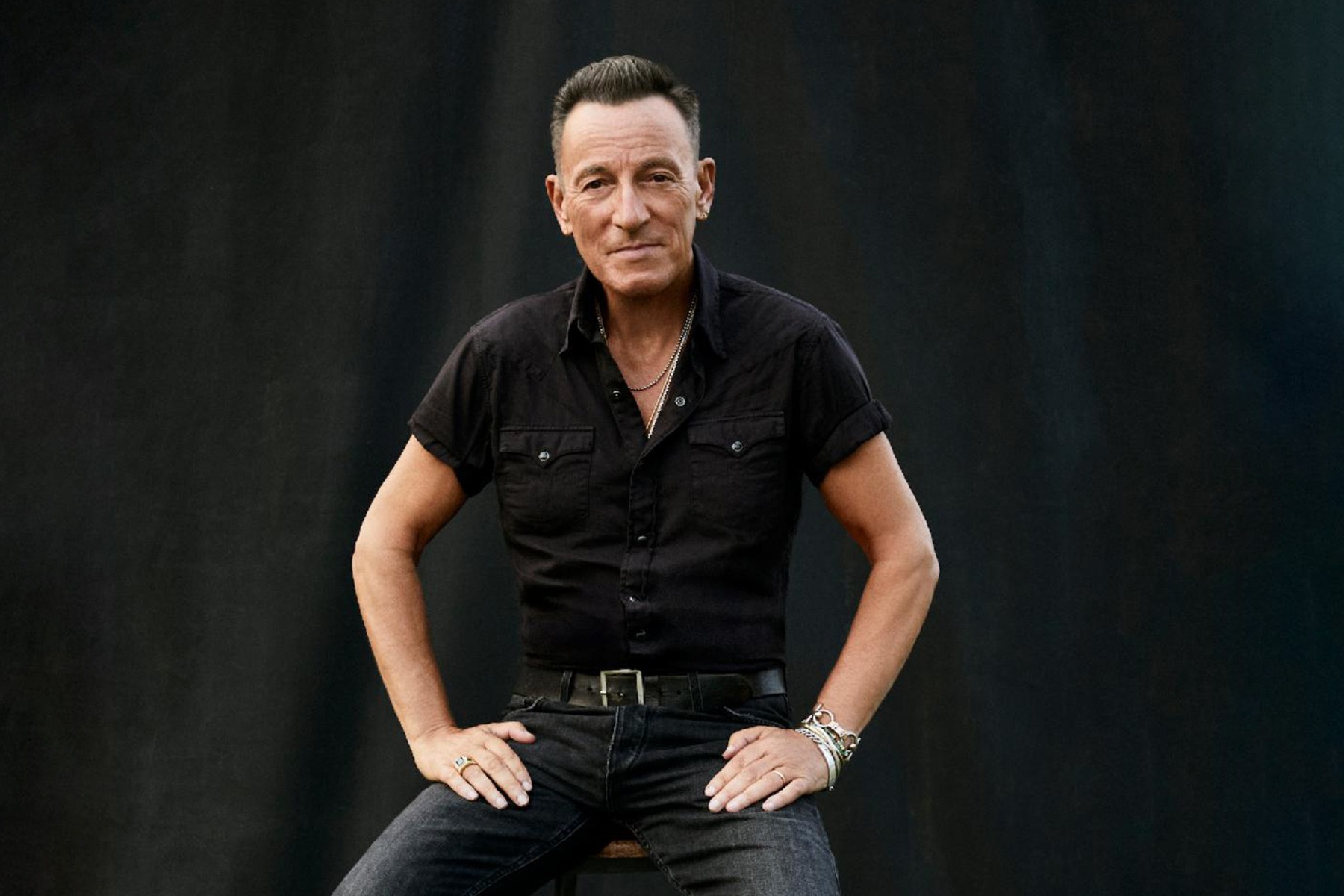
Few artists have captured the heart and soul of America quite like Bruce Springsteen. With his gravelly voice, poetic lyrics, and anthemic soundscapes, “The Boss” has spent over five decades telling stories of love, struggle, hope, and redemption. From the rusted factories of New Jersey to the neon glow of city nights, Springsteen’s songs are deeply rooted in the lives of everyday people. Whether you’re racing down a highway with the windows down or sitting alone with your thoughts, his music finds a way to speak directly to your soul. In this article, we’re counting down the Top 10 Most Popular Bruce Springsteen Songs of All Time—the tracks that defined a generation, shook stadiums to their core, and solidified Springsteen’s legacy as a rock icon. These aren’t just songs—they’re moments in time, etched into the fabric of American music history. So turn up the volume, feel the engine rumble, and get ready to revisit the classics that made Bruce Springsteen the voice of the working class and the soundtrack to untold millions of lives. Let’s dive into the songs that made us believe we were all born to run.
1. Born to Run (1975)
When Born to Run hit the airwaves in 1975, it didn’t just introduce a song—it unveiled a movement. Bruce Springsteen wasn’t just making music; he was offering a lifeline to every young person trapped in a dead-end town, dreaming of a better life beyond the city limits. The song explodes with urgency, from the instantly recognizable opening riff to the triumphant saxophone solos that soar like freedom itself. Layered with Phil Spector-style production, cinematic lyrics, and raw emotion, “Born to Run” became Springsteen’s breakthrough—so impactful it landed him on the covers of Time and Newsweek simultaneously. But beyond the anthemic sound lies a powerful sense of yearning. When Springsteen belts, “Tramps like us, baby we were born to run,” it’s not just a lyric—it’s a mission statement. The song perfectly balances grand ambition with intimate vulnerability, celebrating the risk it takes to chase love, freedom, and identity. Nearly five decades later, it remains an enduring symbol of escape, rebellion, and the unshakable belief that something greater lies just down the highway. It’s not just one of Springsteen’s most iconic tracks—it’s a cornerstone of American rock music.
2. Born in the U.S.A. (1984)
Born in the U.S.A. is one of the most misunderstood songs in American music history. Released in 1984 with a thunderous beat and synth-heavy production, it was often mistaken for a patriotic anthem. In reality, it’s a piercing protest song that critiques the nation’s treatment of its veterans, particularly those who served in Vietnam. Springsteen tells the story of a working-class man drafted into war, only to return home to economic hardship and emotional alienation. His powerful voice booms over the stadium-rock arrangement, but listen closely and you’ll hear anger, frustration, and betrayal woven into every verse. The irony is deliberate—the anthemic chorus masks the pain at the heart of the lyrics, underscoring the gap between American ideals and harsh reality. Despite being one of Springsteen’s biggest commercial hits, its true strength lies in that duality. It’s a song that forces you to think, to look deeper, to hear what’s not being shouted. In just a few verses, Springsteen manages to capture the disillusionment of an entire generation, proving that even the loudest rock songs can carry the heaviest truths.
3. Thunder Road (1975)
“Thunder Road” opens Born to Run not with a bang, but with a whisper—a soft harmonica, a quiet piano, and the promise of something more. It’s a song about hope, escape, and the complicated beauty of chasing dreams with someone by your side. Released in 1975, it introduces us to Mary standing on her porch, the screen door slamming behind her, as the narrator urges her to take a chance and leave it all behind. Springsteen’s storytelling is vivid, poetic, and grounded in the reality of small-town life. As the song builds, so does the emotional intensity—culminating in a sweeping, full-band crescendo that feels like a final, desperate leap into the unknown. What makes “Thunder Road” so powerful is its balance of realism and idealism. There’s love, but it’s not fairy tale romance—it’s messy, raw, and worth fighting for. There’s hope, but it’s uncertain, built on faith more than fact. This track doesn’t just set the tone for the album—it defines Springsteen’s unique voice as a storyteller of everyday people and their dreams. More than just a song, “Thunder Road” is a cinematic journey etched into the American rock canon.
4. Dancing in the Dark (1984)
“Dancing in the Dark” may sound like a pop song built for the dance floor, but beneath its infectious synth beat lies a deeply personal cry for change. Released in 1984 as the lead single from Born in the U.S.A., it became Bruce Springsteen’s biggest chart success and brought him into the pop spotlight. But this wasn’t a song about parties or romance—it was about creative burnout and the pressure to deliver something meaningful in a world obsessed with hits. “I wanna change my clothes, my hair, my face,” Springsteen confesses, revealing a man in search of renewal. The song’s urgency came from a real place—Springsteen wrote it in frustration after being told the album needed a radio-friendly single. The result was a track that mixed vulnerability with commercial polish. The now-iconic music video, featuring a young Courteney Cox pulled onstage to dance, added to its mainstream appeal. But at its core, “Dancing in the Dark” endures because of its honesty. It captures the restlessness that drives artists—and all of us—to keep striving, to keep moving, even when we’re unsure of what comes next.
5. The River (1980)
The River is one of Bruce Springsteen’s most poignant and emotionally resonant songs—a meditation on love, loss, and the quiet tragedies of everyday life. Released in 1980, it tells the story of a young couple whose youthful dreams slowly erode under the weight of financial hardship and adult responsibilities. Inspired by the real-life struggles of Springsteen’s sister and brother-in-law, the song is filled with heart-wrenching detail. With its haunting harmonica intro and understated arrangement, The River strips away the flash to reveal something deeply human. The river in the song once symbolized love and freedom; now it’s a place of memory and regret. Springsteen doesn’t offer easy answers or redemption—only reflection. The narrator’s voice is heavy with what might have been, and the song lingers long after the final note. The River marked a shift in Springsteen’s songwriting—his characters became more complex, their stories more grounded in the gray areas of real life. It’s not just a love story or a tale of disappointment; it’s a mirror held up to working-class America, capturing both the dreams we chase and the burdens we carry.
6. Badlands (1978)
“Badlands” is Bruce Springsteen at his most defiant and electrifying—a thunderous anthem that captures the restless energy of someone who refuses to be beaten down by life. Released in 1978 as the opening track on Darkness on the Edge of Town, the song is a furious declaration of purpose. With driving drums, searing guitar lines, and Springsteen’s impassioned vocals, it channels both frustration and resilience. “I want to spit in the face of these badlands,” he roars, as if daring the world to hold him back. Lyrically, the song is packed with tension—between hope and despair, dreams and disillusionment. Springsteen taps into the struggle of the working class, the hunger to carve out dignity in a world that often seems indifferent. Badlands quickly became a staple of Springsteen’s live shows, igniting crowds with its relentless momentum and message of perseverance. It’s a song that refuses to surrender, demanding that we push forward even when the odds are stacked against us. More than just a track—it’s a manifesto, a call to arms for anyone who’s ever felt stuck, angry, or ready to fight for something better.
7. Jungleland (1975)
“Jungleland” isn’t just a song—it’s an experience. The nearly ten-minute epic closes out 1975’s Born to Run with a sweeping tale of doomed romance, street fights, and lost dreams in a crumbling urban world. Springsteen weaves a vivid, almost cinematic narrative of “the Magic Rat” and his ill-fated lover, crafting characters that feel both mythical and achingly real. The music unfolds like a symphony—gentle piano passages build into roaring crescendos, while Clarence Clemons delivers one of the most iconic saxophone solos in rock history, a soaring, two-minute masterpiece that bleeds emotion. Every line is steeped in drama and detail, from “the poets down here” to “soft refusals and desperate hearts.” “Jungleland” captures the raw theatricality of Springsteen’s early work—a perfect blend of rock ‘n’ roll power and lyrical storytelling. It’s about the hope and violence that live side-by-side in the city’s shadows, the thin line between glory and despair. You don’t just listen to “Jungleland”; you live in it for ten unforgettable minutes. It remains one of Springsteen’s most ambitious and enduring achievements.
8. Atlantic City (1982)
“Atlantic City,” released in 1982 on the Nebraska album, is a stark, chilling portrait of American desperation. Gone are the layered arrangements and stadium-sized choruses; in their place is a bare-bones acoustic guitar and Springsteen’s hushed voice, sounding like he’s speaking directly to the listener in the dark. The story follows a man on the edge, lured into crime as a way to survive in a world where the American dream has crumbled. “Everything dies, baby, that’s a fact,” he says, with quiet resignation. “But maybe everything that dies someday comes back.” The lyrics are filled with ambiguity and moral conflict, painting a bleak but honest picture of life in a decaying economy. “Atlantic City” captures the ghostly emptiness of Reagan-era America, where survival often comes at the cost of integrity. It’s a ballad of faded hopes, quiet desperation, and unspoken choices. What makes the song so powerful is its simplicity—it’s haunting in both content and form. Springsteen didn’t just write a song; he crafted a piece of noir Americana that continues to resonate with anyone who’s ever faced hard times and hard decisions.
9. Glory Days (1985)
“Glory Days” is Bruce Springsteen’s tongue-in-cheek ode to nostalgia—those golden moments from youth that seem to glow brighter with each passing year. Released in 1985, it combines a rollicking, barroom-ready sound with reflective storytelling that walks the line between humor and melancholy. The song follows encounters with old friends—an aging ballplayer, a former high school crush—each stuck reminiscing about when life felt full of promise. Springsteen delivers the lyrics with a knowing smirk, but there’s a bittersweet truth behind the smile. “Glory days, well they’ll pass you by,” he sings, reminding us that time moves on whether we’re ready or not. Musically, the track is irresistibly upbeat, with a memorable guitar riff and a singalong chorus that made it one of his most popular hits. But it’s the emotional undercurrent that gives it lasting impact—a gentle warning not to live in the past, even as we celebrate it. “Glory Days” isn’t just a fun tune; it’s a cleverly wrapped life lesson, reminding us to enjoy the memories but keep moving forward.
10. Streets of Philadelphia (1994)
“Streets of Philadelphia,” released in 1994, marked a profound shift in Bruce Springsteen’s artistry. Written for the film Philadelphia, the song is a stark, intimate meditation on illness, isolation, and human dignity in the shadow of the AIDS crisis. Gone are the roaring guitars and grand anthems; instead, we hear a ghostly synth, soft percussion, and Springsteen’s weary voice, nearly breaking under the weight of the words. “I was unrecognizable to myself,” he sings, capturing the alienation and emotional erosion of a man fading from both life and memory. The song is haunting in its simplicity, offering no false hope—just quiet empathy and acknowledgment. It earned Springsteen an Academy Award and several Grammys, but its true significance lies in its courage. At a time when few mainstream artists were addressing AIDS or LGBTQ+ issues, Springsteen gave voice to the silenced. Streets of Philadelphia is more than a soundtrack piece—it’s a deeply human tribute to those suffering in the margins. Its impact lingers not through volume, but through the power of quiet truth.

Samuel Moore is a frequent contributor to Singers Room. Since 2005, Singersroom has been the voice of R&B around the world. Connect with us via social media below.









