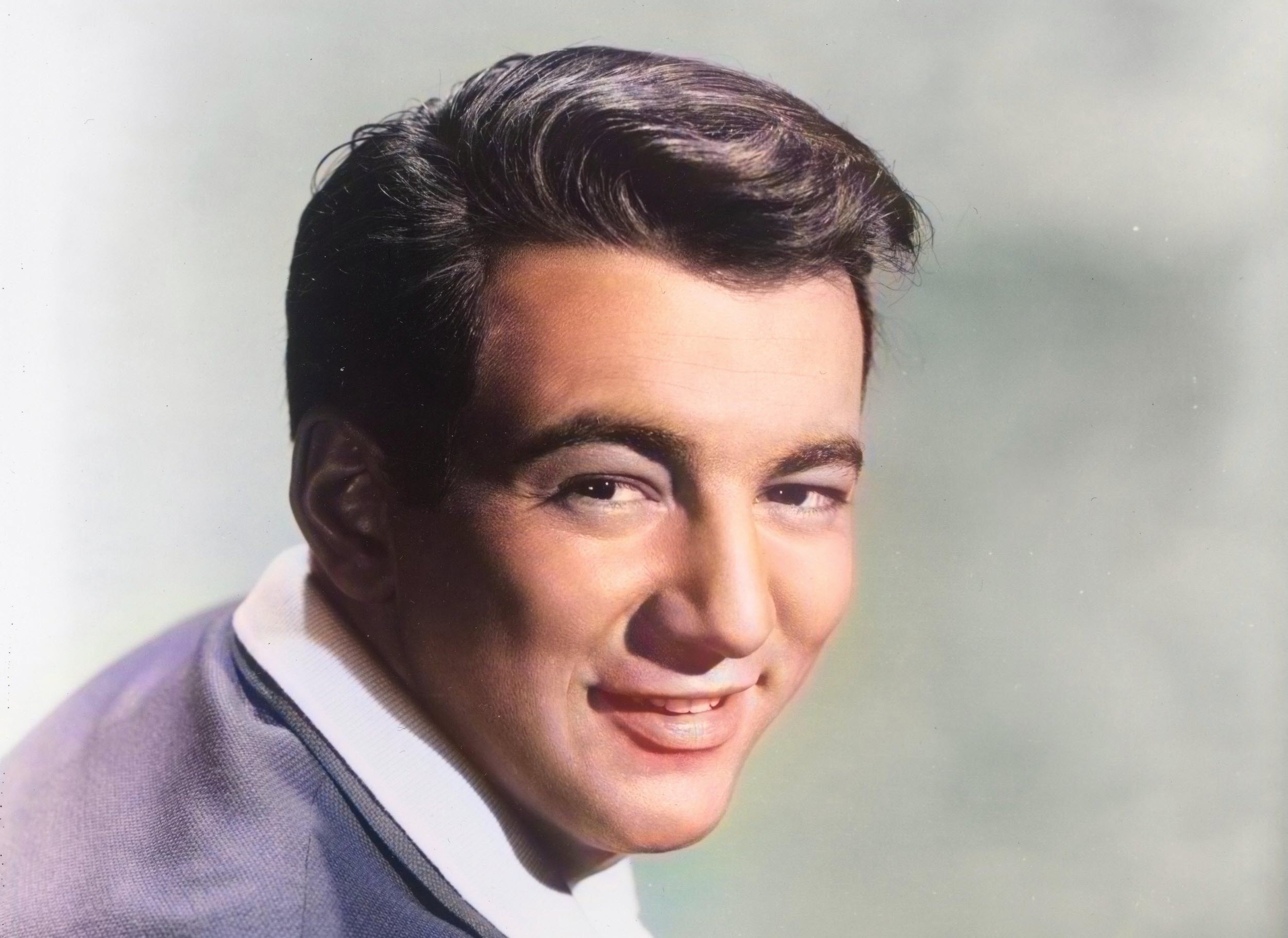
Few artists in the history of American music have displayed the genre-hopping brilliance and magnetic charisma of Bobby Darin. From the swingin’ swagger of jazz standards to rock and roll anthems, tender ballads, and heartfelt folk tunes, Darin did it all—and made it look effortless. Bursting onto the scene in the late 1950s, he quickly established himself as more than just a teen idol. He was a showman, a songwriter, and a stylistic chameleon whose voice could melt hearts or move feet with equal ease. Whether he was crooning about love, delivering biting satire, or reinventing a classic, Darin brought an unmistakable energy to everything he touched. In a career that burned bright—though all too brief—he left behind a catalog of unforgettable hits that still resonate today. This list celebrates the Top 10 Most Popular Bobby Darin Songs of All Time—not just the biggest chart-toppers, but the tracks that defined a generation and showcased the many shades of his talent. So turn up the volume, cue the big band, and get ready to rediscover why Bobby Darin remains one of the most dynamic voices in American pop history. These are the songs that made him a legend.
1. “Mack the Knife” (1959)
When Bobby Darin released “Mack the Knife” in 1959, it wasn’t just a hit—it was a full-blown reinvention. Originally from The Threepenny Opera, the song told the tale of a charming but dangerous criminal. On paper, it was a risky choice. But Darin’s confident swagger and magnetic stage presence turned it into a jazz-pop sensation. With brassy horns, a swinging rhythm, and his sly delivery, he walked the line between menace and charm effortlessly. His version took the edgy German original and gave it a finger-snapping, lounge-laced twist that audiences couldn’t get enough of. The result? A No. 1 hit for nine consecutive weeks and a Grammy for Record of the Year. More than just a chart success, “Mack the Knife” elevated Darin from teen pop novelty to one of the most versatile entertainers of his time. It showcased his boldness, his range, and his ability to transform unexpected material into mainstream gold. The song has since become synonymous with Darin himself. With “Mack the Knife,” he didn’t just make a name for himself—he cemented a legacy.
2. “Beyond the Sea” (1959)
Released in December 1959, “Beyond the Sea” is one of Bobby Darin’s most elegant and enduring recordings. Adapted from Charles Trenet’s French hit “La Mer,” Darin’s version transformed the song into a sweeping romantic ballad steeped in old-school charm. His warm, velvety vocals glide over lush orchestration, evoking images of seaside sunsets, long-distance longing, and golden-age Hollywood glamour. It’s cinematic, dreamy, and effortlessly stylish. While Darin had already proven he could swing with the best of them on “Mack the Knife,” “Beyond the Sea” revealed a more refined side—his ability to interpret songs with emotional depth and timeless appeal. His phrasing is impeccable, balancing wistfulness with confidence in a way that draws listeners in. The song didn’t reach the same chart-topping heights as some of his earlier hits, but it became one of his most beloved tracks and an enduring pop standard. It’s been featured in countless films and commercials, helping keep Darin’s legacy alive across generations. “Beyond the Sea” confirmed that Bobby Darin wasn’t just a hitmaker—he was a master of the American songbook, with the charisma and vocal chops to make any song his own.
3. “Dream Lover” (1959)
In April 1959, Bobby Darin unveiled “Dream Lover,” a self-written ballad that showcased his softer, more sentimental side. While Darin had been known for his upbeat, youthful rock-and-roll numbers, this song revealed a depth of feeling and songwriting talent that few expected. With its sweet, doo-wop-infused melody and heartfelt lyrics, “Dream Lover” captures the universal yearning for that perfect someone. The track is deceptively simple—anchored by piano, soft percussion, and Darin’s clear, emotive vocals—but it’s exactly that simplicity that makes it so resonant. The song climbed to No. 2 on the Billboard Hot 100, becoming a staple of late-’50s pop radio and earning Darin even more fans. What truly makes “Dream Lover” special is its sincerity. It isn’t flashy or ironic—it’s honest, tender, and full of youthful hope. The song helped broaden Darin’s image from a teen idol to a serious artist capable of crafting his own hits. In an era where many stars were handed songs by professional writers, Darin stood out by writing a timeless hit that still feels fresh. “Dream Lover” remains one of his most personal and enduring achievements.
4. “Splish Splash” (1958)
“Splish Splash” marked Bobby Darin’s big breakthrough in May 1958, and it did so with a splash—literally and figuratively. Co-written with DJ Murray the K as part of a bet to write a song starting with the words “Splish splash, I was takin’ a bath,” it quickly turned into a whimsical rock-and-roll hit. The song tells the goofy tale of a guy surprised by a wild house party while he’s just trying to enjoy his bath. Its catchy piano riff, upbeat tempo, and playful lyrics made it irresistible to teen audiences. Peaking at No. 3 on the Billboard Hot 100, it was Darin’s first real taste of success and proved he had both the charisma and the creativity to go far. While it doesn’t carry the musical sophistication of his later work, “Splish Splash” is bursting with charm and personality. It showed that Darin didn’t take himself too seriously, and that he could entertain as well as perform. The song’s enduring popularity lies in its sense of fun—it’s silly, catchy, and endlessly replayable. For many fans, it was their first introduction to Bobby Darin, and what a joyful introduction it was.
5. “If I Were a Carpenter” (1966)
By 1966, Bobby Darin was no longer the swingin’ lounge act of “Mack the Knife.” With “If I Were a Carpenter,” he reinvented himself as a soulful, introspective folk-rock artist. Written by Tim Hardin and released that September, the song marked a bold departure from his earlier big band and pop stylings. Stripped of flashy arrangements, it features little more than an acoustic guitar and Darin’s heartfelt vocal, allowing the vulnerability of the lyrics to shine through. He sings not with bravado, but with aching sincerity, asking whether love can exist across class divides and stripped identities. The track resonated with the changing cultural mood of the 1960s, landing at No. 8 on the Billboard Hot 100 and proving Darin’s relevance in the folk and singer-songwriter movement. More importantly, it showed his artistic growth—he wasn’t afraid to take risks, bare his emotions, or evolve. “If I Were a Carpenter” isn’t just a cover; it’s a transformation. It revealed a new dimension of Darin: one grounded in authenticity, sensitivity, and quiet strength. The result is one of the most moving performances of his career.
6. “Things” (1962)
Released in July 1962, “Things” is a breezy, toe-tapping tune that reveals Bobby Darin’s flair for effortless pop songwriting. Written by Darin himself, the song features a catchy melody, upbeat tempo, and relatable lyrics about the everyday reminders of a love that’s no longer there. But rather than wallowing in heartbreak, Darin delivers the story with a wink and a bounce, transforming melancholy into something playful and bittersweet. Its country-pop flavor, combined with Darin’s natural charm, helped the song climb to No. 3 on the Billboard charts. “Things” stands out not just for its catchy hook but for its sincerity—it’s conversational, familiar, and completely unpretentious. It also showcases Darin’s ability to straddle genres. While it has touches of country, pop, and rhythm and blues, it never feels forced—just naturally engaging. In a catalog often dominated by dramatic ballads and brassy big band numbers, “Things” is refreshingly light and melodic. It’s a shining example of Darin’s songwriting gifts and his knack for delivering music that feels both personal and universally appealing. Even decades later, “Things” remains an infectious reminder of Darin’s diverse talents.
7. “Clementine” (1960)
In early 1960, Bobby Darin took the old folk standard “Oh My Darling, Clementine” and turned it completely on its head. Rather than sticking with the mournful tone of the original, Darin reimagined the ballad as a tongue-in-cheek jazz number bursting with personality. His version is part satire, part show tune, blending jazzy instrumentation with rapid shifts in tempo and character voices. With each verse, Darin leans into theatricality—one moment crooning suavely, the next adopting exaggerated accents. It’s a performance piece as much as a song, and it highlights his sharp wit and fearlessness as an entertainer. Though it wasn’t a blockbuster hit like “Mack the Knife” or “Dream Lover,” “Clementine” earned attention for its originality and flair. It served as proof that Darin wasn’t afraid to experiment or poke fun at musical traditions. The song’s irreverent humor and inventive arrangement make it a standout in his catalog. “Clementine” might not have topped the charts, but it showed off another side of Darin: the musical risk-taker who wasn’t afraid to be playful, unpredictable, and completely unique.
8. “You Must Have Been a Beautiful Baby” (1961)
With his 1961 version of “You Must Have Been a Beautiful Baby,” Bobby Darin breathed new life into a Tin Pan Alley classic. Originally penned in 1938 by Harry Warren and Johnny Mercer, the song had already been a hit in the big band era. But Darin gave it a fresh, swinging makeover that felt completely contemporary. Backed by a bright brass section and a punchy rhythm, his rendition pops with energy and charm. Darin’s phrasing is playful and flirtatious, and his performance radiates confidence and joy. Released in September, the single climbed to No. 5 on the Billboard charts and became yet another hit for the ever-evolving star. This version perfectly exemplifies Darin’s talent for reinterpreting standards—he didn’t just cover songs, he reinvented them. “You Must Have Been a Beautiful Baby” straddles the line between nostalgia and modernity, proving that Darin could take the past and make it sound brand new. It’s a testament to both his respect for the American songbook and his skill in updating it for a new generation. With this track, Darin once again proved he could make anything swing.
9. “Lazy River” (1961)
In March 1961, Bobby Darin put his signature spin on the jazz classic “Lazy River,” bringing warmth, charm, and swing to the Hoagy Carmichael and Sidney Arodin tune. Though written in the 1920s, Darin’s rendition feels fresh and dynamic, thanks to his effortless phrasing and the lush arrangement behind him. It’s a laid-back number that invites listeners to relax and drift along with the current—but Darin’s performance never feels passive. Instead, he infuses the track with personality, gliding from note to note with a smile in his voice. This song was part of Darin’s That’s All period, during which he embraced jazz and the Great American Songbook with surprising authenticity for someone who had just recently topped charts with pop and rock hits. “Lazy River” might not have reached the same commercial heights as “Mack the Knife,” but it remains a standout moment in his jazz explorations. It’s an example of his deep respect for classic American music—and his uncanny ability to reinterpret it through his own unique lens. “Lazy River” flows with grace and cool, capturing Darin at his most relaxed and refined.
10. “18 Yellow Roses” (1963)
Released in May 1963, “18 Yellow Roses” showcased a different side of Bobby Darin—one rooted in country storytelling and emotional honesty. Written by Darin himself, the song tells the poignant story of a father who suspects his daughter is falling in love with someone he doesn’t quite approve of. Each verse is delicately phrased, painting a picture of silent heartbreak and paternal concern. The arrangement is understated, with gentle guitar strums and subtle background vocals allowing Darin’s voice and lyrics to take center stage. It’s a song filled with vulnerability, capturing a quiet kind of sadness that lingers long after the final note. The single reached the Billboard Top 10, and it stands as one of Darin’s most touching performances. “18 Yellow Roses” proved that he didn’t need dramatic flair or big band bravado to make an impact—sometimes, all it took was a well-told story and a heartfelt delivery. It’s a reminder that Darin wasn’t just a performer—he was a storyteller who understood the power of restraint and emotional nuance. This song remains one of the most moving entries in his diverse discography.

Samuel Moore is a frequent contributor to Singers Room. Since 2005, Singersroom has been the voice of R&B around the world. Connect with us via social media below.









