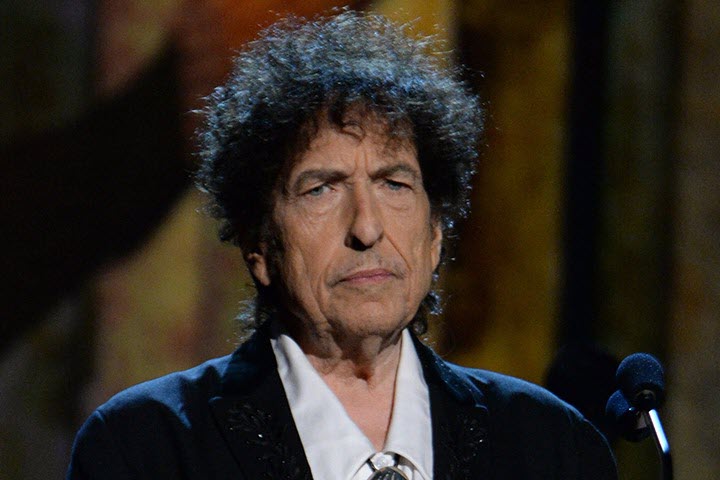
Few artists have reshaped the landscape of music and culture like Bob Dylan. With a career spanning over six decades, Dylan has been a restless innovator, a poetic force, and a cultural lightning rod—shifting effortlessly from folk to rock, from protest anthems to deeply personal ballads. His songs are more than melodies and lyrics; they’re living, breathing works of art that have defined generations, inspired revolutions, and captured the human experience in all its complexity. Whether he’s wielding an acoustic guitar or going electric to the dismay of purists, Dylan crafts songs that challenge, provoke, and endure.
In this countdown, we dive into the top 10 most popular Bob Dylan songs of all time—tracks that not only soared in popularity but left an indelible mark on music history. These are the songs that fans return to again and again, that critics hail as masterpieces, and that artists across genres continue to cover and reinterpret. From biting social commentary to heart-wrenching tales of love and loss, these tracks are Dylan at his absolute finest. So grab your harmonica and let’s take a journey through the lyrical brilliance and sonic evolution of one of the greatest songwriters the world has ever known.
1. Like a Rolling Stone (1965)
When “Like a Rolling Stone” first blasted onto the airwaves in July 1965, it wasn’t just another song—it was a seismic shift in the music world. Clocking in at over six minutes, it defied the radio-friendly norms of the time, boldly stretching the boundaries of what a hit single could be. The song’s opening snare drum crack instantly grabs you, signaling Bob Dylan’s dramatic transformation from a folk singer to a groundbreaking rock artist. The lyrics cut deep, dripping with sharp sarcasm and mysterious storytelling that follow a woman’s dramatic fall from grace and her struggle with disillusionment. The music itself builds into a powerful anthem of alienation and defiance, with Al Kooper’s swirling organ adding a haunting texture and Mike Bloomfield’s bluesy guitar providing raw emotion. Dylan’s sneering vocal delivery makes every word sting with meaning. More than just a song, “Like a Rolling Stone” became a cultural milestone—Rolling Stone magazine even named it the greatest song of all time. Its influence is undeniable, standing as a towering example of lyrical genius, musical innovation, and the spirit of rebellion that changed rock music forever.
2. Blowin’ in the Wind (1963)
Released in 1963 on the landmark album The Freewheelin’ Bob Dylan, “Blowin’ in the Wind” quickly became the anthem for a generation wrestling with civil rights and the looming shadow of war. What makes this song so powerful is its beautiful simplicity: just three chords, a gentle melody, and a series of poignant, rhetorical questions that feel like spiritual riddles. The opening line, “How many roads must a man walk down…” isn’t just poetic—it’s a profound challenge to the listener’s conscience. Dylan reportedly wrote the song in a matter of minutes, drawing inspiration from traditional spirituals and protest poetry. Though he was famously ambiguous about its exact meaning, the song struck a deep chord, becoming a rallying cry for civil rights activists. The folk trio Peter, Paul and Mary’s popular cover helped propel it into mainstream success. Even now, decades later, the song’s questions linger hauntingly in the air, timeless and unresolved—like the very wind it speaks of, forever blowing, carrying the hopes and doubts of generations.
3. The Times They Are A-Changin’ (1964)
By 1964, Bob Dylan had fully stepped into his role as the voice of change and upheaval with the release of “The Times They Are A-Changin’.” Opening with stark acoustic guitar and a tone both urgent and prophetic, the song doesn’t ask—it commands attention. Dylan directs his words toward everyone: politicians, parents, critics, and those resistant to change, warning that the old order is giving way to something new. Inspired by the traditional Irish and Scottish ballads, the song’s structure feels timeless, but its message was cutting-edge for its time. It captured the turbulent spirit of the early 1960s—civil rights struggles, anti-war protests, and a cultural awakening. It quickly became an anthem for youth rebellion and social justice, echoing through college campuses and picket lines. Unlike many protest songs that fade with the issues they address, “The Times They Are A-Changin’” endures, still quoted in speeches and discussions about social change. It’s more than a song; it’s a rallying cry and a powerful reminder that history marches forward whether we’re ready or not.
4. Tangled Up in Blue (1975)
Opening his 1975 album Blood on the Tracks, “Tangled Up in Blue” finds Bob Dylan at an intensely personal and emotionally raw place. Written during the painful breakup of his marriage, the song unfolds like a complex narrative quilt, shifting in time and perspective. Dylan moves fluidly between first and third person, past and present, mirroring the way memories blend and fracture. The melody is deceptively simple, providing a subtle backdrop that lets the richly detailed lyrics shine. Every verse feels like a vivid scene from a movie—whether it’s recalling a weathered book of poems or a woman working in a topless bar, the imagery is cinematic and deeply human. Dylan once said it took “ten years to live and two years to write,” and you can feel that lived-in experience in every line. “Tangled Up in Blue” is heartbreak and reflection intertwined—pain, love, loss, and the messy reality of trying to make sense of it all. It remains one of Dylan’s most powerful and enduring works, capturing the ache of memory like few songs ever have.
5. Mr. Tambourine Man (1965)
When Bob Dylan released “Mr. Tambourine Man” on his 1965 album Bringing It All Back Home, he transformed folk music into a surreal, poetic journey. The song’s narrator longs not for escape from life but for entry into a realm of imagination and dreamlike wonder. With lines like “take me disappearing through the smoke rings of my mind,” Dylan invites listeners to drift into a mysterious world where reality blurs and creativity reigns. The original recording is slower and more introspective than the famous Byrds cover, which turned the song into a jangly, radio-friendly hit. Dylan’s version feels like wandering through a vivid dreamscape—rich in symbolism and lyrical depth. “Mr. Tambourine Man” was groundbreaking for its abstract, mystical quality, showing that popular music could be both deeply personal and wildly imaginative. It helped open the door to the psychedelic era and changed how artists approached songwriting, blending poetry with pop in a way that felt revolutionary.
6. Knockin’ on Heaven’s Door (1973)
Written for the soundtrack of Sam Peckinpah’s 1973 film Pat Garrett & Billy the Kid, “Knockin’ on Heaven’s Door” is a masterclass in saying a lot with very little. In just a few simple verses, Dylan creates a haunting meditation on mortality, resignation, and the inevitability of death. The plaintive melody and spare instrumentation perfectly capture the weary soul of a dying lawman facing his final moments. The repeated refrain—“Knock, knock, knockin’ on heaven’s door”—works on many levels, evoking both literal and metaphorical thresholds. The song’s quiet beauty and emotional power have made it a favorite for countless artists, with Eric Clapton and Guns N’ Roses among those who’ve put their own stamp on it. Yet Dylan’s original remains unmatched in its understated dignity and heartfelt simplicity. It’s not just a movie soundtrack—it’s a timeless elegy that resonates deeply, proving Dylan’s gift for capturing universal emotions in just a few poignant lines.
7. All Along the Watchtower (1967)
Released on his 1967 album John Wesley Harding, “All Along the Watchtower” is one of Bob Dylan’s most enigmatic and mysterious songs. With just three brief verses, it paints a vivid, cryptic picture filled with biblical imagery and a conversation between two archetypal characters—the Joker and the Thief. The lyrics feel like a parable, offering a glimpse of a world on the edge of chaos, but refusing to spell out a clear moral. Dylan’s original recording is stripped down and acoustic, creating an eerie, tense atmosphere. Yet the song reached iconic status when Jimi Hendrix electrified it in 1968, transforming it into a psychedelic rock masterpiece that many consider definitive. Dylan himself has often adapted his live performances to echo Hendrix’s style. The song’s brevity, mystery, and powerful imagery make it a classic example of Dylan’s ability to weave myth and meaning into a few haunting lines. “All Along the Watchtower” remains a cornerstone of his songwriting legacy—timeless, elusive, and endlessly intriguing.
8. Desolation Row (1965)
Closing out Highway 61 Revisited, “Desolation Row” is Bob Dylan at his most surreal and literary. This nearly 12-minute epic feels like a vivid fever dream where history, literature, and fantasy collide on a strange street called Desolation Row. Dylan populates this world with bizarre characters—from “Einstein disguised as Robin Hood” to “Cinderella sweeping up”—each verse a small, symbolic story. The melody is hypnotic, carried by Charlie McCoy’s delicate acoustic guitar, while Dylan’s vocals are weary yet focused, guiding listeners through a sprawling, chaotic landscape. The song resists simple interpretation, which is part of its power. It’s a portrait of societal decay and disillusionment, but also a celebration of imagination and creativity breaking free from convention. “Desolation Row” isn’t just a song—it’s an immersive universe full of mystery and meaning. Every listen reveals new layers, making it one of Dylan’s most ambitious and unforgettable masterpieces.
9. Don’t Think Twice, It’s All Right (1963)
“Don’t Think Twice, It’s All Right,” from Dylan’s 1963 album The Freewheelin’ Bob Dylan, is a quietly devastating breakup song that captures the bittersweet mix of resignation and lingering pain. The fingerpicked guitar, inspired by traditional folk and blues, sets a gentle, almost casual tone that contrasts with the sharp emotional sting of the lyrics. Dylan doesn’t beg or plead—he simply shrugs off the end of a relationship, but that shrug carries a deep undercurrent of hurt. Lines like “I gave her my heart but she wanted my soul” cut with a subtle bitterness delivered in Dylan’s trademark conversational style. It’s a farewell without anger or drama, just a weary acceptance. The song’s genius lies in its universal appeal: it’s deeply personal but speaks to anyone who’s loved and lost. Over the decades, many artists have covered it, but none quite capture the raw, early Dylan charm that makes the original so haunting and timeless.
10. Subterranean Homesick Blues (1965)
With “Subterranean Homesick Blues,” the opening track of his 1965 album Bringing It All Back Home, Bob Dylan exploded onto the scene with a new sound and attitude. Fueled by electric guitar and rapid-fire, stream-of-consciousness lyrics, the song is a dizzying mix of rebellion, paranoia, and sharp streetwise observations. Dylan spits out lines like “Don’t follow leaders, watch the parking meters” with a manic energy that foreshadowed punk and rap decades before they existed. The song’s promotional video, featuring Dylan flipping cue cards with snippets of the lyrics in an alleyway, became one of the first iconic music videos ever made. “Subterranean Homesick Blues” defies easy genre labels—part folk, part rock, part proto-rap—and perfectly captures the chaos and urgency of the 1960s. It’s not just a song, it’s a manifesto, a warning, and a snapshot of a world on the verge of explosive change. Its energy and attitude still resonate, making it one of Dylan’s most influential and unforgettable tracks.

Samuel Moore is a frequent contributor to Singers Room. Since 2005, Singersroom has been the voice of R&B around the world. Connect with us via social media below.









