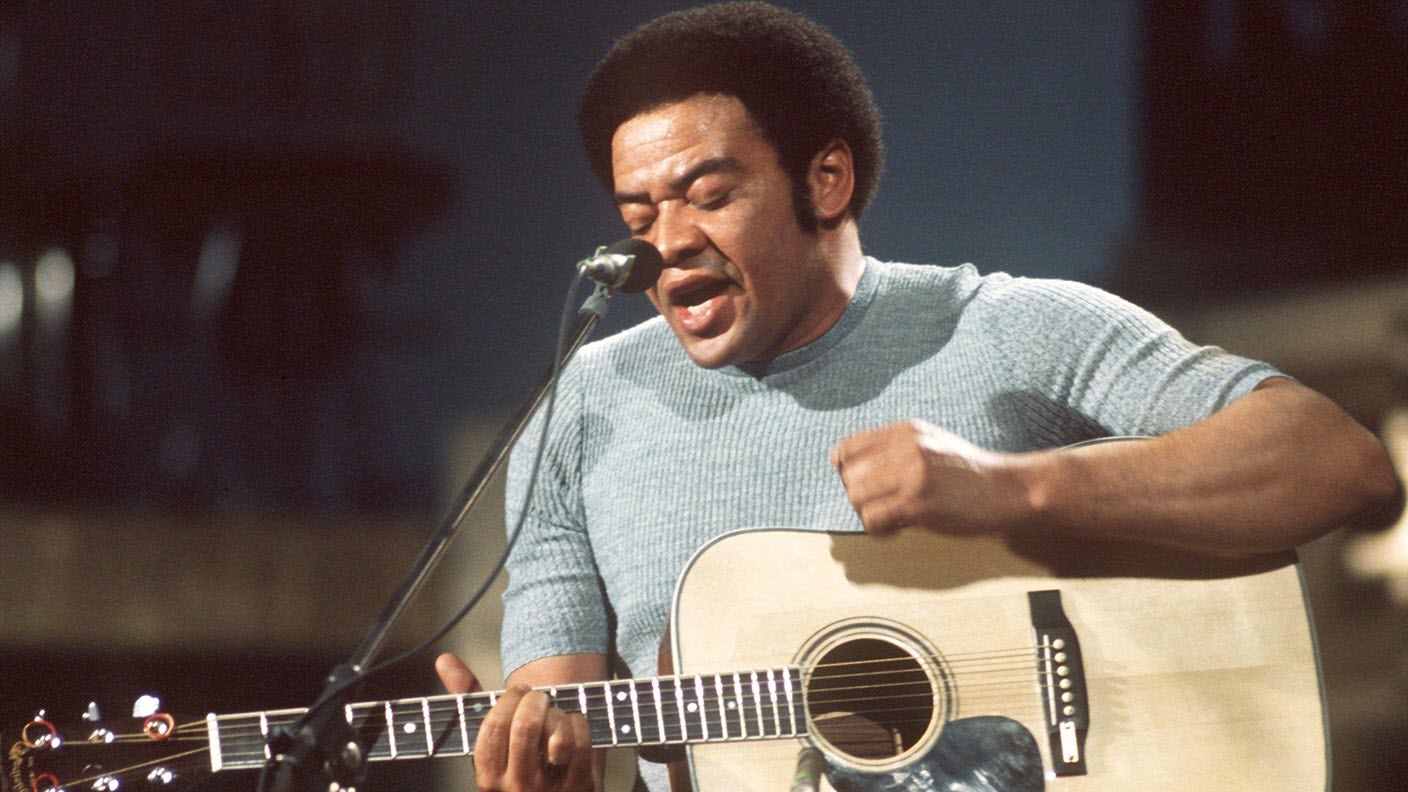
Bill Withers, a true icon of soul and R&B, has left an indelible mark on the music world with his timeless melodies and heartfelt lyrics. Known for his rich, velvety voice and deeply relatable songs, Withers created music that transcends generations and continues to resonate with fans around the globe. From tender ballads to infectious grooves, his artistry captures the essence of human emotion, blending simplicity and soul in a way few can replicate.
In this article, we celebrate the top 10 most popular Bill Withers songs of all time—a collection of tracks that have stood the test of time and solidified his legacy as one of the greatest songwriters in history. Whether you’re a longtime fan or just discovering his work, these songs are sure to take you on a journey through love, loss, hope, and resilience. From the heartfelt elegance of “Ain’t No Sunshine” to the uplifting anthem “Lean on Me,” each song tells a story, creating a soundtrack for life’s most memorable moments.
So, sit back, press play, and immerse yourself in the soulful world of Bill Withers. These iconic tracks are more than just songs; they’re timeless treasures that continue to inspire and unite us all.
1. Ain’t No Sunshine (1971)
“Ain’t No Sunshine” is one of those rare songs that says so much with so little. Released in 1971 on Bill Withers’ debut album Just As I Am, this haunting ballad captures the deep ache of missing someone with stark simplicity. The song doesn’t rely on elaborate production—just a few mournful chords, some strings, and Withers’ aching, soulful voice. What makes it so unforgettable is the emotional weight packed into the lyrics, especially the iconic repetition of the phrase “I know” 26 times in a row. That repetition isn’t filler—it feels like the narrator is spiraling, stuck in the same thought, unable to move forward without the one he loves. Withers was inspired to write the song after watching the film Days of Wine and Roses, which explores addiction and dependence, and that emotional depth is palpable in every line. It’s a track that resonates with anyone who’s ever been left alone, unsure how to move on. Though it’s short—just over two minutes—it lingers long after it ends. “Ain’t No Sunshine” established Withers as a powerful new voice in soul music and continues to be one of the most poignant breakup songs ever recorded.
2. Lean on Me (1972)
“Lean on Me” is more than just a song—it’s a universal anthem of compassion, resilience, and friendship. Released in 1972 on the Still Bill album, it was inspired by Bill Withers’ childhood in the small coal-mining town of Slab Fork, West Virginia, where neighbors helped one another and community ties ran deep. Withers’ message is simple but powerful: we all need someone to lean on at some point in life. The gospel-tinged piano chords create a warm, uplifting atmosphere, while Withers’ straightforward and heartfelt vocal delivery makes the message feel authentic and timeless. It’s this sincerity that has helped “Lean on Me” become a go-to song in moments of crisis, healing, or collective strength—from school assemblies to political rallies and memorials. The track topped the Billboard Hot 100 and has since been covered by numerous artists, but Withers’ original version remains unmatched in its emotional impact. The beauty of “Lean on Me” lies in its ability to speak to everyone, regardless of background. It’s a song that gently reminds us that vulnerability is human, and that offering support is one of the most powerful things we can do for each other.
3. Lovely Day (1977)
Few songs can instantly shift your mood the way “Lovely Day” does. Released in 1977 on the Menagerie album, this track radiates optimism and warmth from the very first note. Built around a laid-back groove and a smooth bassline, the song feels like a sunny morning come to life. Bill Withers’ lyrics are simple but effective—he describes waking up and feeling joyful just from being near the person he loves. That sentiment is universal and disarming, and it’s elevated even further by one of the most remarkable vocal feats in pop music: Withers’ sustained 18-second note near the end of the song. It’s not just impressive—it’s emotional. His voice seems to float on the music, carrying the joy and calm of the day right into your heart. “Lovely Day” didn’t initially reach the same commercial heights as some of his earlier hits in the U.S., but over time it has become a beloved classic. It’s now a staple in commercials, films, and playlists for good reason. Withers captured something beautifully simple in this song: the idea that love, peace, and presence can make any day lovely.
4. Just the Two of Us (1981)
“Just the Two of Us” is a timeless romantic duet—without being a duet. Released in 1981 as a collaboration between saxophonist Grover Washington Jr. and Bill Withers, the track seamlessly blends smooth jazz with R&B, creating a velvety backdrop for a message of enduring love and commitment. Withers’ vocals are warm and sincere, delivering lines about building a life together with quiet confidence. The song’s rhythm is slow and sultry, but never showy, allowing the lyrics and melody to take center stage. “Just the Two of Us” celebrates intimacy and the joy of loving someone deeply, not just in big moments, but in everyday life. It won a Grammy Award for Best R&B Song and remains one of the most beloved romantic tracks in pop and soul history. The combination of Washington’s silky saxophone interludes and Withers’ grounded vocals strikes a perfect emotional balance. Whether you’re dancing close with someone or simply reflecting on a meaningful relationship, this song hits the heart. Over the decades, it has been featured in countless movies, TV shows, and slow-dance playlists, proving its staying power as a quietly powerful love anthem.
5. Use Me (1972)
“Use Me” is funky, raw, and refreshingly honest. Released in 1972 on the Still Bill album, the song stands out for its infectious groove and complex take on love and dependency. Unlike traditional love songs, “Use Me” flips the script—with Bill Withers singing about a relationship where he knows he’s being taken advantage of, but he doesn’t care. The beauty of the song lies in its contradiction: Withers acknowledges he’s being “used,” but he’s okay with it because of the pleasure and satisfaction the relationship brings. The rhythmic foundation, built around a slinky electric piano and a tight bassline, drives the song with a sense of unstoppable momentum. Withers’ vocal performance is equal parts seductive and defiant, blending soul with a gritty, almost bluesy edge. The track’s message is complicated, challenging ideas about love, pride, and vulnerability. “Use Me” was a commercial success, climbing into the Top 10 on the Billboard charts, and it has since been sampled and covered by countless artists. It’s a testament to Withers’ brilliance as a songwriter that he could take a personal and even controversial subject and turn it into a funk-infused masterpiece that still grooves hard today.
6. Grandma’s Hands (1971)
“Grandma’s Hands” is a deeply personal and touching tribute to Bill Withers’ grandmother, Lula, who played a major role in shaping his values and spirituality. Featured on his 1971 debut album Just As I Am, the song is short, but its emotional depth is profound. Withers doesn’t just sing about a grandmother—he invites listeners into intimate childhood memories filled with love, guidance, and warmth. Through just a few verses, he paints vivid scenes: his grandma clapping at church, comforting him when he was sad, and gently steering him away from trouble. The simple, gospel-inspired arrangement—with just guitar and soft percussion—makes the lyrics stand out even more. Withers’ voice is both tender and reverent, capturing the sacredness of family and legacy. The line “Grandma’s hands picked me up each time I fell” resonates with anyone who’s ever been shaped by a loving elder. Though specific to Withers’ life, the song taps into a universal sentiment: the quiet strength of our elders and the lasting impact of their love. Over the years, “Grandma’s Hands” has been sampled and covered by many, most famously in Blackstreet’s “No Diggity,” proving that its emotional roots run deep across generations.
7. Who Is He (And What Is He to You)? (1972)
“Who Is He (And What Is He to You)?” takes a sharp turn from Bill Withers’ more tender songs, delving into the darker territory of jealousy and suspicion. Released in 1972 on his Still Bill album, this track is built around a slick, jazzy groove and a subtle, creeping tension that grows with each verse. Withers’ lyrics unfold like a quiet confrontation—he’s not yelling or accusing, but his questions hit with a sharp edge. The bassline is smooth but carries an undercurrent of unease, echoing the emotional confusion of a man who suspects something isn’t right in his relationship. What makes the song so compelling is its restraint. Withers never explodes in anger; instead, he lets his observations—“A man we passed just tried to stare me down”—speak volumes. The funk and jazz influences add a cool sophistication, making the song as musically compelling as it is emotionally unsettling. It’s a lesser-known gem in his catalog, but one that showcases Withers’ versatility as a storyteller. With one foot in soul and the other in noir-like intrigue, “Who Is He” is a slow burn that leaves you thinking long after the final note fades.
8. Let Me in Your Life (1972)
“Let Me in Your Life” is a heartfelt plea for emotional closeness and vulnerability, wrapped in Bill Withers’ signature soulful delivery. Featured on his 1972 album Still Bill, the song stands out for its quiet intensity and understated arrangement. It’s not flashy or dramatic—just a sincere, vulnerable man asking to be let into someone’s heart. Withers sings with such raw honesty that you feel the ache in every word. The gentle instrumentation, including soft keyboard chords and subtle guitar lines, allows his voice to take center stage, emphasizing the emotional core of the song. Unlike some of his more well-known hits, “Let Me in Your Life” doesn’t aim for a universal message—it’s deeply personal and intimate. That’s what gives it power. The song captures the complexity of relationships, where love isn’t just about passion but about being truly seen and accepted. It has since been covered by artists like Aretha Franklin and James Ingram, but Withers’ original version remains the most emotionally direct. It’s a quiet moment on the album, but one that speaks volumes about longing, humility, and the courage it takes to ask for love.
9. Kissing My Love (1972)
“Kissing My Love” is one of the funkiest tracks in Bill Withers’ catalog, bursting with energy, rhythm, and sheer joy. Featured on the Still Bill album in 1972, the song kicks off with a snappy drumbeat—played by none other than the legendary James Gadson—that immediately pulls listeners in. From there, Withers rides a wave of groove, singing about the pure pleasure and excitement of being in love. Unlike some of his more introspective or melancholic songs, “Kissing My Love” is playful and upbeat, showing another side of Withers’ songwriting talent. The lyrics are light and flirtatious, celebrating physical affection and the happiness it brings. The funky guitar licks and tight rhythm section give the track a danceable, infectious quality that has made it a favorite among soul and funk enthusiasts. It’s the kind of song that makes you want to move, smile, and maybe even fall in love. While it may not carry the weight of his more emotional ballads, it showcases Withers’ ability to groove and have fun. “Kissing My Love” proves that soul music can be just as powerful when it’s joyful as when it’s heart-wrenching.
10. Harlem (1971)
“Harlem,” the opening track of Bill Withers’ debut album Just As I Am (1971), is a vibrant and cinematic portrait of life in one of New York City’s most storied neighborhoods. Withers uses music like a camera, panning through the streets of Harlem to capture its everyday beauty, struggles, and rhythms. The song begins gently and gradually builds, mirroring the energy of a city that wakes up slowly and bursts into motion. Withers’ lyrics are vivid: he paints images of people starting their day, traffic noise, kids playing, and the challenges that face the community. What sets “Harlem” apart is the way it blends social observation with soulfulness—it’s not just a description; it’s a love letter mixed with realism. The swelling arrangement adds urgency and drama, giving the listener a sense of movement and change. Though not as widely known as some of his later hits, “Harlem” reveals Withers’ skill as a storyteller and his ability to convey atmosphere and emotion through song. It’s a powerful introduction to an artist who brought everyday life to music in ways that felt deeply authentic and relatable.

Edward Tomlin is a frequent contributor to Singers Room. Since 2005, Singersroom has been the voice of R&B around the world. Connect with us via social media below.









