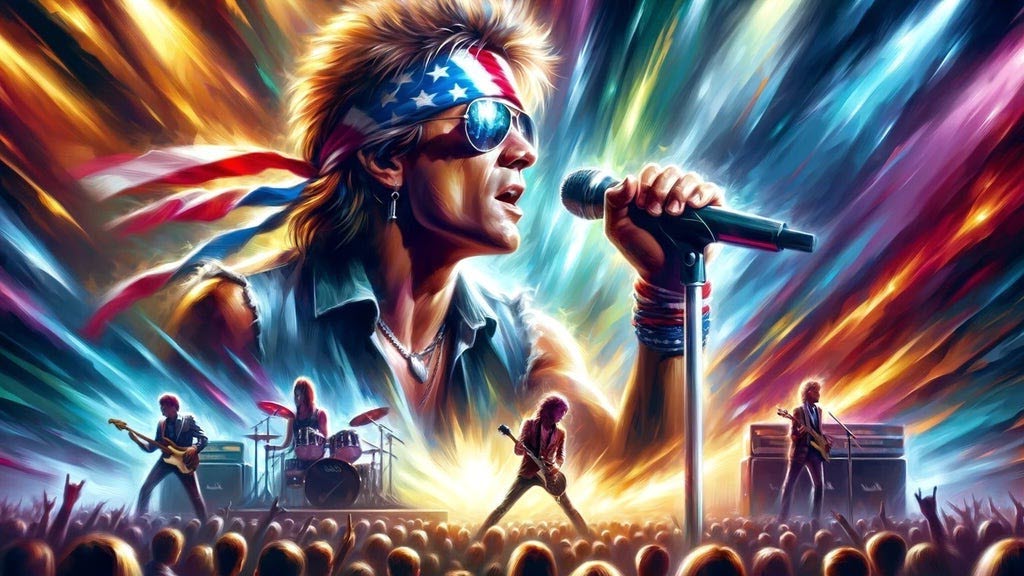
Few bands have managed to carve out a legacy as enduring and influential as Bad Company. Emerging in the 1970s, this British supergroup fused bluesy rock riffs, soulful vocals, and raw emotional power to create a sound that defined an era. With Paul Rodgers’ unmistakable voice, Mick Ralphs’ searing guitar work, and a rhythm section that could shake arenas, Bad Company quickly became one of the most celebrated rock bands of all time. Their music transcends generations, inspiring countless fans and musicians alike.
From stadium anthems that ignite the soul to heartfelt ballads that stir the heart, Bad Company’s catalog is packed with timeless classics. But which songs truly stand out among their greatest hits? In this article, we’ll take you on a thrilling ride through the band’s top 10 most popular songs, celebrating the tracks that have become the soundtrack to so many lives. Whether you’re a lifelong fan or a newcomer ready to explore the magic, this list will remind you why Bad Company remains a cornerstone of rock history.
So crank up the volume, let the music take hold, and join us as we count down the definitive Bad Company songs that have stood the test of time!
1. Bad Company (1974)
“Bad Company,” the band’s self-titled anthem, is more than just a song—it’s a statement of identity. Released in 1974 as part of their debut album, this haunting ballad opens with a moody piano riff that immediately sets a dark, brooding tone. Paul Rodgers’ soulful and commanding vocals bring the lyrics to life as he sings from the perspective of an outlaw, a drifter with no ties and no regrets. The song draws heavily from themes of rebellion, freedom, and the romanticized image of the lone gunslinger, fitting perfectly with the wild, untamed aura of 70s rock. The minimalist yet powerful instrumentation allows the vocals and lyrics to shine, making every word resonate deeply. Over time, “Bad Company” has taken on a legendary status, not only defining the band’s image but also becoming a quintessential part of classic rock’s storytelling tradition. It’s often seen as one of the definitive outlaw anthems in rock music, influencing countless bands that followed. Whether heard on vinyl or in a live setting, its chilling ambiance and raw emotion continue to capture the imagination of listeners across generations. This song isn’t just music—it’s mythology.
2. Feel Like Makin’ Love (1975)
Released in 1975 on the Straight Shooter album, “Feel Like Makin’ Love” is one of Bad Company’s most iconic tracks—a seamless fusion of tender acoustic verses and explosive rock choruses. The contrast between the soft, introspective openings and the thunderous guitar-driven hook showcases the band’s dynamic range and musical intuition. Paul Rodgers pours pure emotion into every lyric, delivering a vocal performance that drips with longing and raw passion. When the song shifts gears into the powerful chorus, Mick Ralphs’ crunchy guitar riff hits with electrifying force, turning the simmering emotion into a blazing declaration of desire. It’s a musical journey that starts with subtle vulnerability and crescendos into an unapologetic, soul-stirring expression of love. “Feel Like Makin’ Love” captures that universal human experience—of wanting to connect deeply, physically, and emotionally—and it does so with an honesty that continues to resonate with listeners. Its enduring popularity is a testament to Bad Company’s ability to craft music that feels both personal and larger than life. Decades later, it still finds its way onto playlists and radio stations, proving that heartfelt rock anthems like this never go out of style.
3. Shooting Star (1975)
“Shooting Star” is one of Bad Company’s most heartfelt and narrative-driven songs, released on their 1975 album Straight Shooter. This track stands out for its storytelling depth, chronicling the life of a fictional rock star named Johnny. From his early dreams of fame to his tragic downfall, the lyrics paint a vivid picture of the highs and lows that come with chasing the rock-and-roll lifestyle. Paul Rodgers delivers the tale with soulful conviction, making Johnny’s rise and untimely death feel deeply personal. The song is backed by a gentle acoustic rhythm that gradually builds into a powerful crescendo, mirroring the emotional weight of the story. It’s not just a cautionary tale about the price of fame—it’s a reminder of how quickly dreams can be derailed by excess. With its bittersweet tone and poignant message, “Shooting Star” resonates with anyone who’s ever chased something big, only to realize the cost. The song remains a fan favorite and a staple of classic rock radio, often cited as one of the band’s most mature and moving compositions. It’s a tribute not only to fictional stars like Johnny, but to all the real-life talents lost too soon.
4. Can’t Get Enough (1974)
“Can’t Get Enough” is the track that launched Bad Company into rock stardom in 1974, and it’s easy to hear why. This song is pure energy from the first note, driven by an instantly recognizable guitar riff and a rhythm that practically demands you turn up the volume. Paul Rodgers’ vocals ooze charm and urgency, perfectly capturing the exhilaration of infatuation. It’s a song about love—or maybe lust—that feels as fresh and alive today as it did decades ago. The lyrics are simple, but that’s part of the magic; they hit directly at the heart of obsession, where the narrator is hopelessly hooked on someone he can’t stay away from. Mick Ralphs’ guitar work is the star here, with a crisp, clean sound that makes every chord pop. Whether you’re blasting it on a road trip or hearing it at a bar on a Friday night, “Can’t Get Enough” always delivers a jolt of excitement. It’s a celebration of rock’s most essential elements: passion, rhythm, and attitude. To this day, it remains one of Bad Company’s most played and beloved songs, a true classic that captures the wild, carefree spirit of 70s rock.
5. Ready for Love (1974)
“Ready for Love” is a powerful slow-burner that showcases Bad Company’s emotional range and musical depth. Originally penned by guitarist Mick Ralphs during his time with Mott the Hoople, the song found its true voice on Bad Company’s 1974 debut album with Paul Rodgers at the vocal helm. Rodgers’ performance here is nothing short of soul-stirring—he takes Ralphs’ already heartfelt lyrics and injects them with a vulnerability that’s impossible to ignore. The slow, bluesy intro sets the mood with a sense of longing and reflection, and as the song unfolds, it builds into a sweeping anthem of love, loss, and emotional readiness. The instrumentation is spacious yet rich, giving every note room to breathe while drawing the listener deeper into its melancholic embrace. “Ready for Love” isn’t just a love song—it’s a declaration of emotional surrender, the kind that speaks to anyone who’s been hurt but is still willing to open their heart again. Its sincerity and rawness make it a standout track on an album full of heavy hitters. Over the years, it’s become a fan favorite and a quiet classic in the band’s catalog, revered for its honesty and soul.
6. Rock ‘n’ Roll Fantasy (1979)
Released in 1979 as part of the Desolation Angels album, “Rock ‘n’ Roll Fantasy” is Bad Company’s tribute to the electrifying world of music and the dreams it inspires. From the opening guitar riff, the song feels alive with the buzz of anticipation—the kind you feel before the lights go down and the first chord hits on stage. Paul Rodgers sings about the power of rock ‘n’ roll to unite, to uplift, and to transport listeners into a world where anything feels possible. The lyrics are less about stardom and more about the escape and passion that music provides. Mick Ralphs’ guitar work is tight and rhythmic, while the groove keeps your foot tapping throughout. “Rock ‘n’ Roll Fantasy” quickly became a fan favorite for its infectious melody and relatable lyrics, especially for anyone who’s ever dreamed of a life filled with music. It’s the kind of song that makes you want to roll down your car windows and sing along at the top of your lungs. Even decades later, it still captures the essence of what makes rock music so magnetic—a blend of freedom, rebellion, and connection that never gets old.
7. Movin’ On (1974)
“Movin’ On” is one of those classic Bad Company tracks that captures the thrill of the open road and the freedom that comes with constant motion. Featured on their 1974 debut album, this song is a high-energy rocker fueled by a driving beat and a confident swagger. Paul Rodgers’ vocals are full of grit and determination, as he sings about a life without ties—a wanderer’s anthem for anyone who’s ever felt the need to keep moving forward. The lyrics speak to the restless soul, the one who doesn’t stay in one place too long, and who finds meaning in change rather than routine. Mick Ralphs’ guitar riffs keep the momentum going, reinforcing the song’s steady, forward-pushing rhythm. “Movin’ On” is as much about attitude as it is about lifestyle. It’s a declaration of independence set to rock and roll, and it’s hard not to feel energized when you hear it. Whether you’re driving down a long stretch of highway or just trying to break free from something holding you back, this song is like fuel for your journey. It remains a staple in Bad Company’s live shows and a fan favorite for its bold, unshakable spirit.
8. Good Lovin’ Gone Bad (1975)
“Good Lovin’ Gone Bad,” from the 1975 album Straight Shooter, is a raucous, no-holds-barred rocker that shows off Bad Company’s tougher edge. Right from the start, the song kicks in with a heavy, distorted guitar riff and a pulse-pounding beat that lets you know you’re in for something wild. Lyrically, it’s a fiery tale of a love affair that’s turned sour, full of frustration and raw emotion. Paul Rodgers belts out the vocals with a mix of anger and swagger, giving the track an aggressive, almost confrontational feel. It’s a classic breakup song, but there’s no moping here—just defiance and the desire to move on. The band’s tight musicianship keeps the intensity high throughout, especially during the gritty, driving chorus. “Good Lovin’ Gone Bad” became a radio hit and has endured as one of Bad Company’s most hard-hitting tracks. It’s a great example of how they could combine bluesy roots with a rock-and-roll attitude to create something both relatable and powerful. This isn’t a song about heartbreak—it’s about reclaiming your power when things fall apart. With its raw energy and unmistakable edge, it’s a true standout in their catalog.
9. Run with the Pack (1976)
“Run with the Pack,” the title track from Bad Company’s 1976 album, showcases a slightly more refined and expansive sound compared to their earlier work. This mid-tempo anthem blends a sense of introspection with grandeur, featuring lush arrangements that elevate its emotional weight. The song’s lyrics explore themes of loyalty, unity, and the pull of the pack—a metaphor for the importance of connection and belonging. Whether it’s about bandmates, friends, or a larger brotherhood, the message rings clear: there’s strength in sticking together. Paul Rodgers’ vocals are filled with yearning and resolve, while the instrumentation builds slowly, adding piano and orchestral touches that give the track a cinematic scope. It’s not just another rock tune—it feels like a story unfolding, with moments of tension and release. “Run with the Pack” marks a point where Bad Company pushed the boundaries of their sound while staying true to their roots. It’s grand without being overblown, emotional without being sappy, and still grounded in the band’s signature style. Fans have long appreciated its depth and anthemic quality, making it a defining track in the band’s evolution.
10. Seagull (1974)
Closing out Bad Company’s self-titled debut album, “Seagull” is a beautiful, stripped-down acoustic piece that offers a quiet but powerful contrast to the rest of the record. With just guitar and vocals, the band delivers a meditative reflection on freedom, isolation, and the search for peace. Paul Rodgers’ voice is raw and intimate here, revealing a softer, more contemplative side to his singing. The lyrics are poetic and open-ended, using the image of a seagull—free and alone in the sky—as a metaphor for longing and escape. There’s a haunting quality to the song, a sense that it’s reaching for something just out of grasp. Mick Ralphs’ acoustic guitar work is delicate and expressive, weaving a simple but emotional backdrop that allows the song’s message to shine. “Seagull” is a fan favorite not because it’s flashy, but because it’s honest. It shows the band’s willingness to pull back from the noise and let a quieter truth speak. Even among their heavier, more energetic catalog, this song stands out for its emotional depth and timeless simplicity. It’s a gentle reminder that sometimes the most powerful statements are made in whispers, not shouts.

Edward Tomlin is a frequent contributor to Singers Room. Since 2005, Singersroom has been the voice of R&B around the world. Connect with us via social media below.









