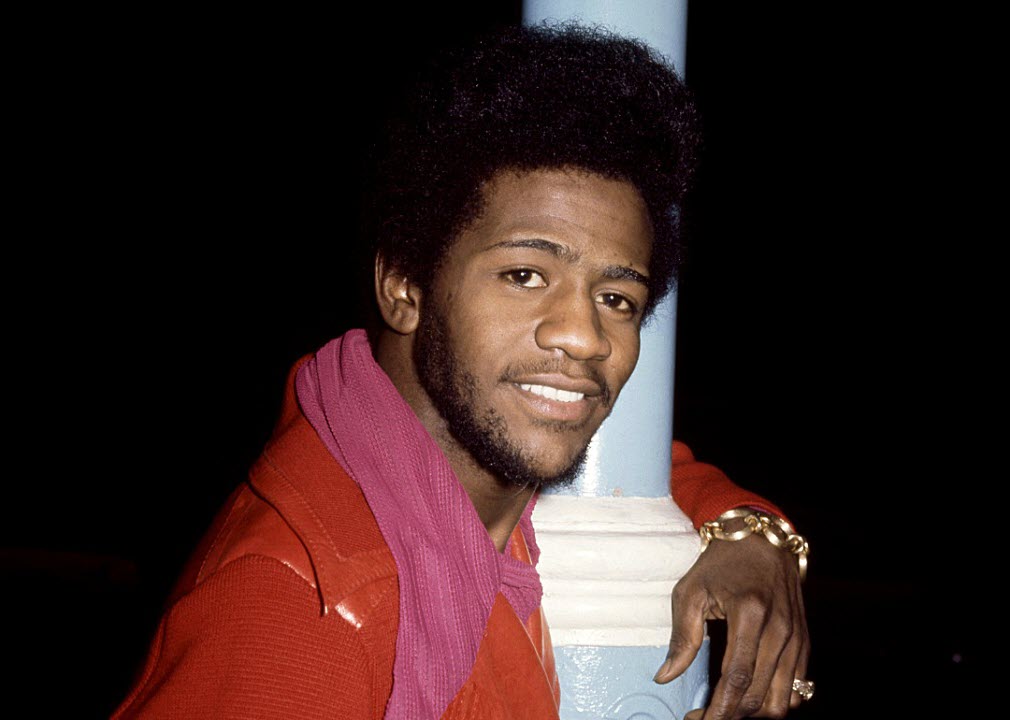
Few artists in the history of music have captured the essence of love, heartbreak, and redemption quite like Al Green. With a voice that can melt hearts and lyrics that resonate across generations, Al Green stands as one of the greatest soul singers of all time. His music transcends genres, blending gospel, soul, and rhythm & blues into timeless masterpieces that still captivate listeners today. From his early hits in the ‘70s to his enduring influence on modern music, Green’s songs are a testament to the power of raw emotion and soulful storytelling.
In this article, we take a journey through Al Green’s incredible catalog and highlight his top 10 most popular songs of all time. These tracks aren’t just fan favorites—they’re cultural touchstones that have been played at weddings, heartbreaks, and everything in between. Whether you’re a lifelong fan or new to his music, these songs serve as a perfect introduction to the man whose voice has been called “the last of the great soul singers.” So, get ready to rediscover Al Green’s most iconic tracks, from the timeless grooves of “Let’s Stay Together” to the heartfelt balladry of “How Can You Mend a Broken Heart.” Let the music take you on an unforgettable ride!
1. “Let’s Stay Together” (1971)
Al Green’s “Let’s Stay Together” is more than just a love song—it’s a soul anthem that has stood the test of time. Released in 1971, it quickly became a chart-topping hit and one of the most iconic tracks of the decade. Green’s silky falsetto floats effortlessly over a warm, gently swaying arrangement of strings, horns, and laid-back drums. The song’s lyrics speak to a deep desire for commitment, offering a heartfelt message about staying together through the highs and lows of life. It’s both romantic and realistic, acknowledging life’s inevitable changes while holding firm to the power of love. The opening lines—“I, I’m so in love with you”—set the tone for a track that oozes tenderness and vulnerability. Produced by Willie Mitchell, the song’s minimalist yet lush production gave Green the space to fully express his emotions. Over the years, it has become a favorite for weddings, soundtracks, and countless covers. More than five decades later, “Let’s Stay Together” continues to resonate with listeners, solidifying Al Green’s reputation as one of soul music’s greatest voices and storytellers.
2. “Tired of Being Alone” (1971)
“Tired of Being Alone” captures the raw ache of loneliness and longing like few other songs can. Released in 1971, it became one of Al Green’s breakthrough hits and remains a staple of his catalog. What makes the song so memorable is the contrast between its upbeat rhythm and the deep emotional weight of its lyrics. From the very first note, Green’s voice sounds like a man baring his soul—pleading for connection, tired of waiting, and hoping for love. The punchy horns and syncopated groove add a sense of urgency, while the backup vocals offer a gentle echo to Green’s heartfelt delivery. His falsetto reaches out like an open hand, inviting the listener into his inner world. The track’s stripped-down instrumentation, produced by Willie Mitchell, gives Green’s vocals all the room they need to shine. It’s a masterclass in vulnerability, with every word delivered as if it were being spoken directly to a lost love. “Tired of Being Alone” not only marked a turning point in Green’s career but also helped shape the sound of 1970s soul with its emotional honesty and musical elegance.
3. “Love and Happiness” (1972)
“Love and Happiness,” released in 1972, is one of Al Green’s most electrifying and infectious tracks. Built around a hypnotic groove and driven by a funky guitar riff and snappy rhythm section, the song feels alive with energy from the very first note. It’s a perfect blend of soul, funk, and gospel influences, with Green’s impassioned vocals leading the charge. Lyrically, the song explores the joys and struggles that come with being in love—how it can lift you up or tear you down. But rather than being weighed down by the heaviness of the theme, the song bursts with life and motion. Green sings with urgency, nearly preaching by the end, as if testifying to the transformative power of love. The clapping hands and gospel-inflected backing vocals make it feel like a revival meeting set to a groove. Though it wasn’t a massive chart hit initially, “Love and Happiness” has since become one of Green’s most beloved songs, revered for its raw emotional power and irresistible rhythm. It’s a shining example of how Al Green could infuse soul music with both spirituality and sensuality in equal measure.
4. “Call Me (Come Back Home)” (1973)
“Call Me (Come Back Home)” is a smooth, heartfelt plea that perfectly captures the bittersweet longing of lost love. Released in 1973, the song showcases Al Green at his most tender and introspective. His vocals are soft yet stirring, gently pulling at the listener’s emotions with every note. The track is built on a delicate arrangement of mellow horns, subtle guitar licks, and plush strings—all trademarks of producer Willie Mitchell’s Memphis sound. Green’s lyrics speak directly to a lover who has drifted away, asking them to return and rekindle what once was. There’s a sincerity in his voice that makes the plea feel both personal and universal. It’s the kind of song that wraps around you like a warm memory, bittersweet and beautiful. The track doesn’t rely on grand gestures or big vocal runs—instead, it thrives on intimacy and nuance. “Call Me” became another hit for Green, reinforcing his unique gift for expressing deep emotion with grace and soul. It’s not just a song about missing someone—it’s about vulnerability, hope, and the quiet ache of love that still lingers long after someone’s gone.
5. “Here I Am (Come and Take Me)” (1973)
“Here I Am (Come and Take Me)” is one of Al Green’s most vibrant and playful songs, released in 1973 during the peak of his career. Unlike the heartache found in some of his other hits, this track bursts with confidence and charm. With its bouncy rhythm, funky guitar riff, and upbeat tempo, the song is irresistibly catchy from the first beat. Green’s vocals are filled with excitement and flirtation as he offers himself completely to the one he desires—“Here I am, baby, come and take me.” There’s a joyful swagger in his delivery, showing a more lighthearted side of the singer without sacrificing emotional depth. The lush instrumentation, driven by horns and a grooving bassline, makes it easy to dance to, but there’s also a sincerity in Green’s plea that gives it weight. The combination of infectious energy and soulful warmth makes this track a standout in his discography. “Here I Am” became a fan favorite and remains a staple on classic soul playlists, proving that Al Green could make love sound not only deep and meaningful—but also fun, magnetic, and full of life.
6. “How Can You Mend a Broken Heart” (1972)
Al Green’s rendition of “How Can You Mend a Broken Heart,” originally a Bee Gees ballad, is nothing short of soul-stirring. Released in 1972, Green transforms the song into a deeply emotional meditation on heartbreak. His version strips away the more polished pop elements of the original and replaces them with raw vulnerability and rich, soulful textures. From the gentle piano introduction to the soft swell of strings, the arrangement creates a quiet space where Green’s voice can fully express the sorrow of lost love. His phrasing is delicate and deliberate, as though each word is weighed down with grief and longing. When he sings, “How can you stop the rain from falling down?” it feels less like a question and more like a cry for healing. The beauty of this cover lies in its simplicity—no dramatic flourishes, just pure, honest emotion. Green’s ability to inhabit the pain of the lyrics makes the song universally relatable, especially to anyone who’s had their heart broken. Over time, his version has become one of the definitive interpretations of the song, demonstrating his unmatched gift for making someone else’s words sound entirely his own.
7. “I’m Still in Love with You” (1972)
Released in 1972, “I’m Still in Love with You” is one of Al Green’s most iconic and romantic songs. The track glows with a soft, dreamy atmosphere created by smooth guitar lines, glistening strings, and a laid-back groove that invites listeners to sink into the warmth of the moment. At the heart of it all is Green’s angelic voice, gently confessing his enduring love with sincerity and poise. His falsetto, floating just above the mix, gives the song a delicate vulnerability that feels incredibly intimate. Lyrically, it’s a simple declaration—he’s still in love, no matter what time has passed or what challenges may have come. But in Green’s hands, that simplicity becomes something powerful and timeless. The track’s production, handled by Willie Mitchell, strikes the perfect balance between polish and soul, allowing Green’s voice to shine while the arrangement envelops the listener like a soft breeze. “I’m Still in Love with You” quickly became a hit and has remained a favorite for romantic occasions ever since. It’s a reminder of love’s enduring power—and Al Green’s singular ability to express that love in a way that touches the soul.
8. “You Ought to Be with Me” (1972)
“You Ought to Be with Me” is a lush, slow-burning soul ballad that highlights Al Green’s gift for turning longing into pure musical beauty. Released in 1972, the song continues the romantic thread that runs through much of Green’s early ’70s work, but this time with an added sense of quiet urgency. The track opens with a gentle guitar lick and a smooth bassline, setting the stage for Green’s silky vocals to take center stage. His voice, warm and reassuring, carries a simple message: we belong together. There’s no bitterness or drama here—just a calm, persistent belief in the power of love and connection. The subtle horn arrangements and background harmonies enrich the sound without overshadowing the emotional core of the song. Green doesn’t shout or beg—he coaxes, persuades, and gently implores. “You Ought to Be with Me” was a commercial success, reaching high on the R&B and pop charts, and it remains one of his most beloved ballads. It’s a song that doesn’t try to do too much—but in its restraint, it says everything. It’s classic Al Green: soulful, smooth, and full of heart.
9. “Take Me to the River” (1974)
“Take Me to the River” is one of Al Green’s most compelling and spiritually charged tracks, blending gospel roots with deep soul and funk influences. Released in 1974, the song uses biblical imagery to explore themes of redemption, baptism, and emotional surrender—but it does so with a groove that’s as earthy as it is heavenly. Co-written with guitarist Teenie Hodges, the song opens with a thick, hypnotic bassline and a driving beat that sets a deeply immersive mood. Green’s vocal performance is fiery and intense, shifting between pleading and testifying as he cries out for cleansing and connection. “Wash me down, wash me down,” he sings—not just a request for forgiveness, but for a full emotional rebirth. The genius of the song lies in how it blends the sacred and the sensual, making it both a prayer and a passionate cry of the heart. Though not a huge hit on the charts initially, the track has since become a classic, covered by artists across genres and generations. “Take Me to the River” stands as one of Al Green’s most innovative and enduring works—rich in feeling, deep in meaning, and unforgettable in sound.
10. “Look What You Done for Me” (1972)
“Look What You Done for Me” is a warm and grateful ode to love’s uplifting power. Released in 1972, the track finds Al Green in a reflective mood, singing with a sense of awe and appreciation for someone who has changed his life for the better. The production is rich yet restrained, featuring soft horns, silky guitar lines, and Green’s unmistakable falsetto that floats like a whisper carried by a breeze. There’s a sense of joy in the performance that feels grounded and genuine—he’s not just singing about love, he’s basking in its glow. The lyrics express a quiet wonder: “Look what you’ve done for me…you set my soul free.” It’s that freedom and emotional release that defines the song, making it feel like a gentle celebration. Willie Mitchell’s production once again provides the perfect backdrop, allowing every instrument to support Green’s vocal delivery without overwhelming it. The result is a track that’s both emotionally satisfying and musically elegant. “Look What You Done for Me” isn’t about grand declarations—it’s about the small, powerful changes love brings. And in Green’s hands, that message becomes something timeless and deeply moving.

Edward Tomlin is a frequent contributor to Singers Room. Since 2005, Singersroom has been the voice of R&B around the world. Connect with us via social media below.









