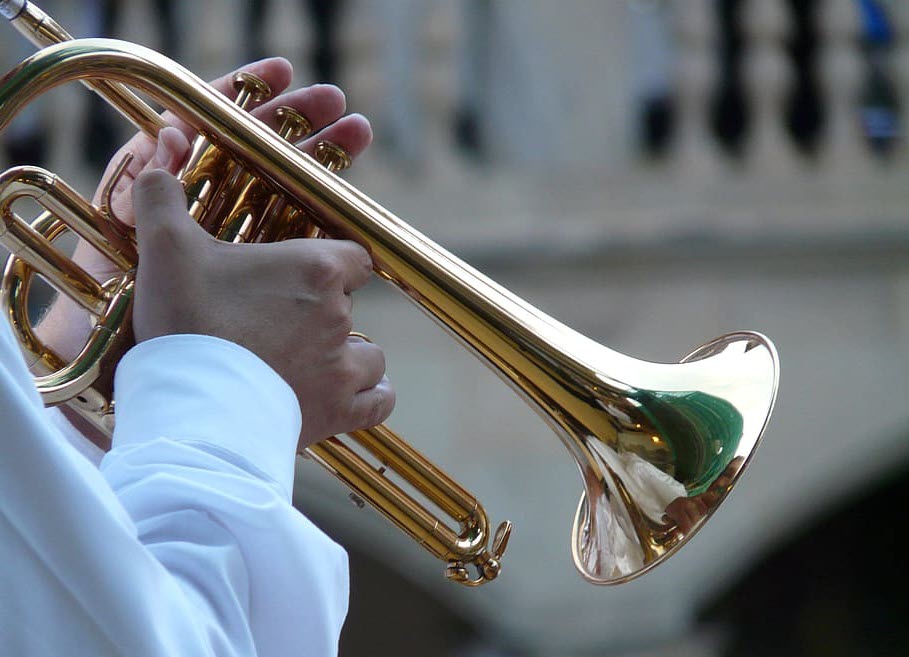
The trumpet, with its bold, electrifying sound, has long been one of the most iconic instruments in music history. From the soaring heights of classical concertos to the fiery improvisations of jazz, this brass marvel has been at the heart of countless unforgettable performances. But behind every great trumpet melody lies a master—a musician whose skill, passion, and artistry elevate the instrument to new heights. These virtuosos have not only shaped the sound of their era but have also left an indelible mark on music, inspiring generations to come.
In this article, we pay tribute to the legends who defined what it means to be a trumpet player. From the soulful brilliance of Louis Armstrong to the technical wizardry of Maurice André, these artists pushed boundaries, broke conventions, and created music that transcends time and genre. Whether it’s the smoky allure of jazz clubs, the majestic power of concert halls, or the vibrant rhythms of Latin music, these players have left their fingerprints on the very soul of music.
So, grab your seat in the front row as we embark on a journey to celebrate the top 15 best trumpet players of all time. Get ready to be inspired by the stories, sounds, and legacies of these brass legends!
1. Louis Armstrong
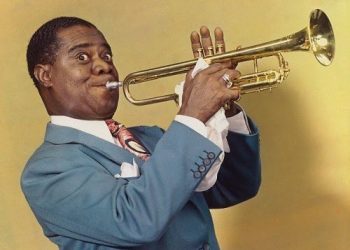
Louis Armstrong, affectionately known as “Satchmo,” was a true pioneer who reshaped the landscape of jazz with his unmatched virtuosity and infectious personality. His trumpet playing was filled with passion and brilliance, and his gravelly, yet smooth voice became instantly recognizable to millions around the world. Armstrong’s musical career spanned decades, with iconic tracks like “What a Wonderful World” and “Hello, Dolly” becoming part of the cultural fabric of America. His improvisational genius allowed him to create melodies that felt spontaneous and alive, transforming jazz from a group ensemble music into a genre where the soloist could truly shine. Armstrong’s ability to blend his powerful horn playing with his distinctive voice made him one of the most influential figures in American music. Beyond jazz, his influence extended to popular music, paving the way for future artists to embrace improvisation and individuality in their performances. Armstrong’s joyful spirit, captivating stage presence, and undeniable musical talent not only revolutionized jazz but also made him a beloved figure across genres. Tracks like “La Vie En Rose” and “When the Saints Go Marching In” still echo in the hearts of listeners, making Armstrong’s legacy truly timeless.
2. Miles Davis
Miles Davis was a groundbreaking force in the world of jazz, constantly evolving his sound and pushing the genre’s boundaries. From the cool, introspective tone of Kind of Blue to the electrifying, genre-defying fusion of Bitches Brew, Davis was never afraid to reinvent himself and challenge the norms. His approach to the trumpet was revolutionary—he played with a distinctive, muted tone that could convey deep emotion with a single note. Davis was known for his ability to connect with his band members, creating musical conversations in every session. His album Kind of Blue is often considered the pinnacle of modal jazz, influencing not only jazz musicians but also artists from various genres. His restless pursuit of new sounds led him to experiment with rock, funk, and electronic music, pushing jazz into uncharted territories. Beyond his technical prowess, Davis had an innate ability to capture the human experience in his music, creating compositions that resonated deeply with listeners. His collaborations with artists like John Coltrane, Bill Evans, and Cannonball Adderley were instrumental in shaping the sound of jazz, and his influence is still felt today. Miles Davis remains an enduring symbol of innovation, artistry, and reinvention.
3. Dizzy Gillespie
Dizzy Gillespie was a larger-than-life figure whose technical brilliance and infectious energy made him one of jazz’s most iconic and beloved musicians. With his signature puffed cheeks and bent trumpet, Gillespie redefined the role of the trumpet in jazz, co-founding the bebop movement alongside Charlie Parker. Tracks like “Salt Peanuts” and “A Night in Tunisia” showcase his lightning-fast runs, virtuosic playing, and playful spirit. Gillespie’s jazz was not only complex and challenging but also deeply joyful, a reflection of his love for the music. His innovation extended beyond bebop, as he played a pivotal role in the development of Afro-Cuban jazz, blending Latin rhythms with jazz improvisation. His compositions, such as “Manteca,” bridged the gap between two distinct musical worlds, creating a sound that was both revolutionary and infectious. Gillespie’s influence on jazz can be heard in the work of countless trumpet players who followed in his footsteps. Whether as a bandleader, collaborator, or educator, Gillespie’s contributions to the world of jazz were immeasurable, making him a true giant in the genre. His legacy continues to inspire musicians today, and his joyful spirit still shines through his recordings.
4. Wynton Marsalis
Wynton Marsalis is one of the most influential trumpet players of his generation, known for his incredible technical skill and deep commitment to preserving the traditions of jazz. As the artistic director of Jazz at Lincoln Center, Marsalis has dedicated his career to celebrating the history of jazz while pushing the genre forward with his own virtuosic playing. Marsalis’ sound is characterized by precision, elegance, and a deep respect for the jazz greats who came before him, particularly in his works that span both classical music and jazz. His approach to the trumpet is both sophisticated and expressive, blending the rich tradition of New Orleans jazz with the modernity of the 20th century. Albums like Black Codes (From the Underground) and The Majesty of the Blues showcase his ability to play with both technique and soul, proving that jazz is as much about feeling as it is about skill. Marsalis’ impact on the world of jazz extends beyond performance; he has mentored countless musicians and contributed to the preservation and evolution of the genre. His commitment to jazz education and his tireless efforts to make jazz accessible to new audiences solidify his place as a modern ambassador for the genre.
5. Clifford Brown
Clifford Brown was one of the most talented trumpet players of his generation, and though his life was tragically cut short at the age of 25, his contributions to jazz remain invaluable. Known for his warm tone and lyrical phrasing, Brown had an ability to balance technical brilliance with emotional depth. His compositions, such as “Joy Spring” and “Daahoud,” showcase his incredible skill and musicality, blending elements of bebop with a uniquely melodic and accessible style. Brown was an ideal role model for young musicians, not only because of his virtuosity but also because of his clean-living lifestyle and strong work ethic. He was a dedicated artist who focused on perfecting his craft and elevating the trumpet to new heights. His collaborations with Art Blakey and Max Roach in the 1950s helped define the sound of hard bop, and his recordings with the Clifford Brown/Max Roach Quintet continue to be considered some of the finest examples of the genre. Brown’s legacy is one of promise, as his untimely death left many to wonder what more he could have accomplished. Nevertheless, his impact on jazz trumpet playing remains profound, and his recordings are still an essential part of any jazz enthusiast’s collection.
6. Freddie Hubbard
Freddie Hubbard was a trumpeter whose fearless approach to jazz cemented his place as one of the genre’s greatest innovators. A master of both hard bop and fusion, Hubbard’s technical prowess was matched only by his creative genius, pushing the boundaries of trumpet playing to new heights. Albums like Red Clay and Hub-Tones are prime examples of his fiery solos and complex compositions, which blended intricate harmonic ideas with infectious rhythms. Hubbard’s style was bold and dynamic, characterized by sharp, angular phrases and unpredictable improvisations that kept listeners on the edge of their seats. His ability to navigate between explosive high notes and smooth, lyrical passages set him apart from his peers. Hubbard’s versatility as a musician allowed him to collaborate with some of jazz’s greatest figures, including John Coltrane, Art Blakey, and Wayne Shorter. His fusion work in the 1970s, particularly on Bitches Brew with Miles Davis, helped shape the evolution of jazz into a more electric and experimental direction. Hubbard’s influence can still be heard in the work of contemporary trumpet players, and his legacy as a bold innovator and master of his instrument continues to inspire new generations of musicians.
7. Chet Baker
Chet Baker was a trumpeter and vocalist whose smooth, melodic playing became synonymous with the West Coast cool jazz scene. His hauntingly beautiful voice and lyrical trumpet style captured a sense of melancholy and vulnerability that resonated deeply with listeners. Baker’s most iconic track, “My Funny Valentine,” is a perfect example of his ability to express raw emotion through his music, blending his velvety voice with his delicate trumpet playing to create a sense of intimacy and longing. Despite the challenges he faced in his personal life, including struggles with addiction, Baker’s artistry never faltered. His recordings from the 1950s, particularly with his Chet Baker Quartet, showcase his unique approach to jazz, which prioritized mood and atmosphere over virtuosity. Baker’s influence extended beyond cool jazz, inspiring musicians in a variety of genres with his emotive, understated style. His music remains timeless, evoking a sense of fragility and beauty that continues to captivate audiences around the world. Baker’s legacy as both a trumpeter and a vocalist has solidified him as one of the most cherished figures in jazz, with his music continuing to inspire and move listeners to this day.
8. Arturo Sandoval
Arturo Sandoval is a Cuban-born trumpet virtuoso whose dazzling technique and passionate performances have made him one of the most respected and beloved figures in jazz. A protégé of the legendary Dizzy Gillespie, Sandoval’s playing blends the fiery energy of Latin music with the improvisational spirit of jazz, creating a unique sound that is both electrifying and deeply soulful. His ability to effortlessly navigate through complex rhythms and harmonies has earned him a reputation as one of the greatest trumpet players of all time. Albums like Hot House and I Remember Clifford showcase Sandoval’s breathtaking range and technical skill, with each note filled with intensity and passion. Sandoval’s contributions to Latin jazz have been groundbreaking, helping to popularize the genre worldwide. He has also worked in a variety of other musical settings, including classical music, film scores, and pop collaborations. His performances are known for their energy and charisma, with every concert a high-octane display of trumpet mastery. Sandoval’s impact on the world of jazz and Latin music is immeasurable, and his legacy as a virtuosic and passionate artist continues to inspire musicians today.
9. Lee Morgan
Lee Morgan was a brilliant trumpeter whose dynamic sound and inventive approach to jazz made him one of the most influential figures in the hard bop era. Known for his powerful, blues-infused trumpet playing, Morgan was able to blend complex harmonic ideas with a deep sense of groove and emotion. His most famous composition, “The Sidewinder,” became a defining track of the genre, its catchy melody and infectious rhythm earning it a place in jazz history. Morgan’s playing was marked by a rich, warm tone and a sense of spontaneity that made every solo feel fresh and unpredictable. As a sideman, Morgan played with some of jazz’s greatest names, including Art Blakey, John Coltrane, and Horace Silver, contributing to some of the most influential albums of the 1960s. Morgan’s sound was at once sophisticated and accessible, drawing on elements of both the blues and the bebop tradition. Tragically, his life was cut short at the age of 33, but his recordings continue to inspire trumpet players and jazz musicians around the world. Lee Morgan’s music is a testament to his innovation, energy, and deep love for the art of jazz.
10. Maynard Ferguson
Maynard Ferguson was a legendary trumpet player known for his exceptional high-note playing and larger-than-life presence. His ability to hit stratospheric notes with ease earned him a reputation as one of the most technically accomplished trumpet players in history. Ferguson’s music was thrilling, full of energy, and always a showstopper, whether he was performing with big bands or leading his own groups. His interpretation of classic songs like “Gonna Fly Now” from the Rocky soundtrack showcased his incredible range and ability to bring a fresh, vibrant energy to familiar melodies. Ferguson’s career spanned over five decades, during which he continually pushed the boundaries of trumpet playing, earning accolades for his pioneering contributions to jazz and big band music. Beyond his technical prowess, Ferguson was known for his charismatic stage presence and commitment to entertaining audiences. His high-octane performances captivated crowds around the world, making him a beloved figure in the jazz community. Ferguson’s legacy as a trumpet virtuoso and showman remains a lasting inspiration for musicians, and his music continues to excite and inspire listeners of all ages.
11. Bix Beiderbecke
Bix Beiderbecke was a pioneering cornet player whose smooth, lyrical style helped shape the early days of jazz. Known for his delicate phrasing and sweet tone, Beiderbecke’s playing was a stark contrast to the brash, bold sound that characterized much of early New Orleans jazz. His compositions, such as “In a Mist,” showcased his inventive approach to melody and harmony, blending a rich, impressionistic style with the emerging sounds of jazz. Beiderbecke’s music was infused with a sense of introspection and sensitivity, qualities that made his playing stand out in the fast-moving world of 1920s jazz. Despite his relatively short life—he died at just 28—Beiderbecke left an indelible mark on jazz history. His work with the Paul Whiteman Orchestra helped bring jazz to a wider audience, and his recordings continue to be a major influence on later trumpet players. Beiderbecke’s quiet, contemplative style was a defining voice in the development of jazz, and his music remains a testament to his unique artistic vision. Though his career was brief, his impact on the evolution of jazz trumpet playing was profound, and he remains a revered figure in the genre to this day.
12. Jon Faddis
Jon Faddis is widely regarded as one of the most technically gifted trumpet players of his generation, known for his incredible high-note playing and mastery of the instrument. Faddis’ style is often compared to that of his mentor, Dizzy Gillespie, but he brought his own unique sensibility to the music, blending bebop, Latin rhythms, and modern jazz into a seamless and powerful sound. His virtuosic technique is nothing short of jaw-dropping, with the ability to hit the highest registers of the trumpet with ease and precision. Faddis’ work as both a bandleader and a sideman has been integral to the development of contemporary jazz trumpet playing. His collaborations with legends such as Charlie Parker, Stan Getz, and Thad Jones helped cement his reputation as one of the premier trumpet players in the world. Albums like Hornucopia and Jon Faddis Plays the Trumpet showcase his impeccable tone, flawless articulation, and technical prowess. But it’s not just his virtuosity that sets him apart; Faddis also possesses a deep musicality that infuses every note with emotion. His influence on modern jazz trumpet playing is immeasurable, and his legacy as an educator and performer continues to inspire trumpet players worldwide.
13. Bobby Hackett
Bobby Hackett was a renowned trumpet player who was instrumental in bridging the gap between traditional jazz and the more refined sounds of the post-swing era. Known for his mellow tone and smooth, lyrical phrasing, Hackett’s style was deeply influenced by the early cornet players of New Orleans, yet he was also able to adapt to the evolving jazz scene of the 1940s and 1950s. Hackett’s distinctive approach to the trumpet was characterized by its warmth and emotional depth, creating a sound that was both intimate and sophisticated. He was a key figure in the development of cool jazz, contributing to the genre’s smooth and relaxed feel. Hackett was also a regular performer with the Benny Goodman Orchestra and the Glenn Miller Orchestra, but he truly shone as a soloist. His work on the iconic album Bobby Hackett in Hi-Fi remains a standout example of his musical elegance. Hackett’s sound was unique for its ability to blend elements of jazz improvisation with the lyrical sensibilities of classical music, which made him highly respected in both the jazz and pop worlds. Hackett’s contributions to jazz trumpet playing continue to be appreciated for their emotional resonance and technical refinement.
14. Kenny Dorham
Kenny Dorham was a trumpeter whose crisp, bright tone and expressive playing left an indelible mark on the development of hard bop and post-bop jazz. Dorham was known for his ability to blend complex harmonic ideas with a sense of warmth and melody, creating a unique sound that was both sophisticated and accessible. He played alongside some of the biggest names in jazz, including John Coltrane, Art Blakey, and Max Roach, helping to define the sound of jazz in the 1950s and 1960s. Dorham’s compositions, such as “Blue Bossa” and “Una Mas,” are considered jazz standards and showcase his ability to create melodies that are both memorable and deeply rooted in the jazz tradition. His playing was characterized by its clarity and precision, with an emphasis on melodic phrasing and a strong sense of rhythm. Dorham was an integral part of the Jazz Messengers, and his work with the group helped to elevate the hard bop movement to new heights. His career spanned several decades, during which he continued to innovate and collaborate with a wide range of musicians. Dorham’s legacy as one of jazz’s great trumpet players is solidified by his distinctive sound and contributions to the genre.
15. Chuck Mangione
Chuck Mangione is a celebrated trumpet player and composer whose blend of jazz, pop, and easy listening helped bring jazz to mainstream audiences in the 1970s and 1980s. Best known for his hit song “Feels So Good,” Mangione’s smooth trumpet playing and catchy melodies made him a household name. His approach to the trumpet was characterized by its relaxed, lyrical tone, creating an accessible and soothing sound that appealed to listeners outside the traditional jazz world. Mangione’s musical style blends elements of jazz fusion, Latin rhythms, and pop music, resulting in a sound that was both innovative and commercial. His success as a crossover artist didn’t come at the expense of his jazz credentials; Mangione was a talented musician and composer with a deep understanding of jazz harmony and improvisation. His work with the Jazz Brothers and as a solo artist demonstrated his ability to seamlessly blend complex jazz ideas with broader musical sensibilities. Mangione’s impact on the world of jazz and popular music cannot be overstated, as his ability to bridge the gap between genres introduced jazz to a new generation of listeners.

Edward Tomlin is a frequent contributor to Singers Room. Since 2005, Singersroom has been the voice of R&B around the world. Connect with us via social media below.