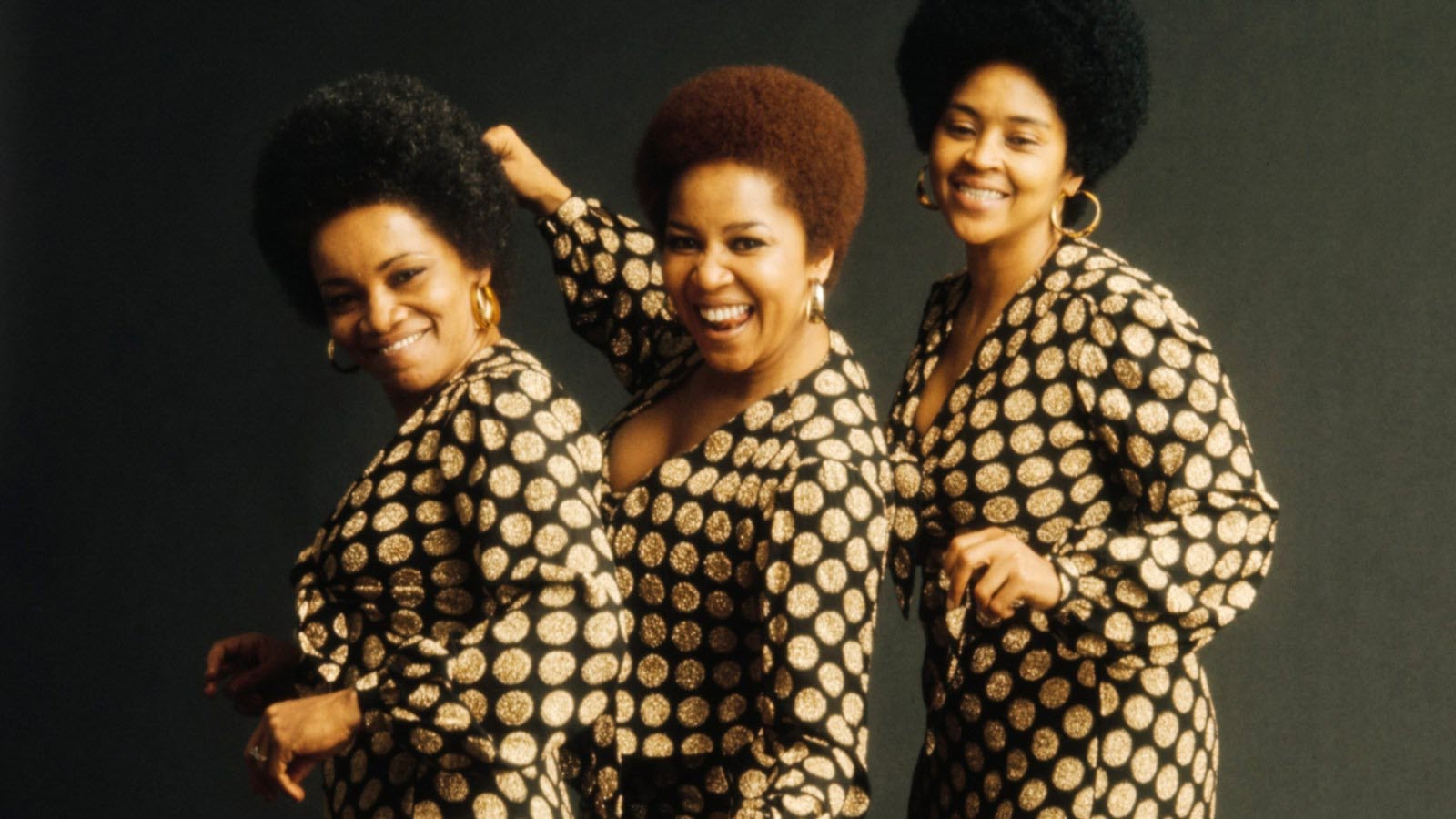
Few musical groups have left as profound a mark on the worlds of gospel, soul, and R&B as The Staple Singers. With their signature blend of heartfelt harmonies, socially conscious lyrics, and infectious grooves, this legendary family band transcended genres and generations. From their roots in the gospel music of the 1950s to their rise as icons of the civil rights era, The Staple Singers created a soundtrack for change, resilience, and joy.
Their music was more than just entertainment—it was a movement. Led by the deep, unwavering voice of patriarch Roebuck “Pops” Staples and brought to life by the soulful power of daughters Mavis, Cleotha, and Yvonne (and sometimes son Pervis), their songs carried messages of hope, unity, and empowerment. Whether they were singing about love, faith, or freedom, their music struck a chord that still resonates today.
In this article, we’re diving into the top 10 most popular songs by The Staple Singers—tracks that defined an era and continue to inspire. From timeless anthems like “I’ll Take You There” to soulful ballads like “Respect Yourself,” these hits showcase the unparalleled talent and spirit of one of music’s most influential groups. Let’s celebrate the magic of The Staple Singers!
1. I’ll Take You There (1972)
“I’ll Take You There” stands as one of The Staple Singers’ most iconic and enduring songs. Released in 1972, this soul-funk classic is more than just a groove—it’s a musical promise of hope, healing, and better days. Built on a hypnotic bassline and sweetened by vibrant horn arrangements, the song feels like a joyful celebration wrapped in a spiritual journey. Mavis Staples’ deep, rich vocals lead the way with a confidence that feels both personal and communal, inviting every listener to envision a peaceful, harmonious place free from pain and division. Rooted in gospel traditions, the track never explicitly names a destination, which gives it universal appeal—it could be heaven, liberation, or simply a better version of the world we live in. As much a protest song as a praise song, “I’ll Take You There” crosses boundaries of genre and generation. It continues to resonate today, not just as a slice of 1970s soul, but as a living, breathing anthem for unity and love. Whether you’re hearing it for the first time or the hundredth, it still feels like an open invitation to something greater.
2. Respect Yourself (1971)
Released in 1971, “Respect Yourself” is a soul-funk anthem with a strong moral backbone and an unforgettable groove. It’s one of The Staple Singers’ boldest statements—a song that fuses gospel conviction with street-smart wisdom. The rhythm section lays down a steady, funk-infused beat that gives the message an edge, while the vocals are sharp and commanding. The lyrics speak plainly but powerfully: take responsibility, carry yourself with dignity, and demand the same from others. The message is aimed inward, a self-check that encourages people—especially within the Black community—to lift each other up by leading with respect and accountability. Mavis Staples delivers the lyrics with a fiery blend of soul and sass, while her family backs her with warm harmonies that anchor the song in their gospel roots. “Respect Yourself” isn’t just catchy—it’s motivational, a call to rise above destructive cycles and claim personal power. The song’s social message remains just as potent today as it was during the early ’70s, reminding us that change often begins from within.
3. If You’re Ready (Come Go with Me) (1973)
“If You’re Ready (Come Go with Me)” is a heartfelt invitation to a better world, wrapped in the warm embrace of soul and gospel. Released in 1973, this song carries a message of unity, love, and shared purpose, inviting listeners to move forward together. Unlike some of The Staple Singers’ more hard-hitting political songs, this track leans into optimism and peace. It’s built around a gentle, rolling groove that feels easy and welcoming, perfectly matching the lyrics’ hopeful tone. The harmonies float effortlessly, while Mavis Staples leads with a voice full of compassion and quiet strength. The song is both a love song and a spiritual plea, gently urging people to let go of fear and join a journey toward healing and togetherness. It was a chart success during a time of social upheaval, offering comfort and encouragement to those seeking direction. With its smooth melodies and timeless message, “If You’re Ready” still feels fresh today—an invitation that’s always open for anyone willing to take that step toward a more loving world.
4. Let’s Do It Again (1975)
“Let’s Do It Again” marked a new chapter for The Staple Singers in 1975, blending their soulful roots with a silky, romantic vibe under the guidance of Curtis Mayfield. Known for their gospel-influenced calls for justice and love, this song showed the group’s sensual, softer side—and it paid off. The track topped the charts, thanks in large part to its laid-back groove and Mayfield’s unmistakable songwriting and production style. Mavis Staples’ vocals are smooth, inviting, and intimate, perfectly capturing the mood of rekindled love. The lyrics are simple but suggestive, hinting at both physical closeness and emotional reconnection. The instrumentation is lush yet restrained, giving space for Mavis’ voice to shine while wrapping the listener in warm, soulful tones. “Let’s Do It Again” was more than just a love song—it was a bold, elegant move that expanded The Staple Singers’ audience and showed their versatility. It’s a song that whispers rather than shouts, drawing you in with its understated charm and leaving you swaying to its rhythm long after the music ends.
5. Touch a Hand, Make a Friend (1974)
Released in 1974, “Touch a Hand, Make a Friend” is a heartfelt anthem rooted in kindness and human connection. At a time when the world was filled with social and political unrest, The Staple Singers responded with a song that promoted the simple yet powerful act of reaching out. The melody is upbeat and infectious, carrying a gospel-inspired optimism that lifts the spirit. Mavis Staples and her family harmonize with soulful warmth, delivering the message like a comforting embrace. The lyrics encourage empathy, understanding, and a willingness to connect across differences—a message that feels as urgent now as it did back then. With its cheerful rhythm and sing-along chorus, the song radiates positivity without sounding naïve. It calls on listeners to be active participants in healing their communities, not through grand gestures, but through everyday acts of kindness. “Touch a Hand, Make a Friend” is a gentle reminder that change begins one person at a time—and that sometimes, all it takes is a smile or a touch to make someone feel seen, valued, and loved.
6. Heavy Makes You Happy (Sha-Na-Boom Boom) (1971)
“Heavy Makes You Happy (Sha-Na-Boom Boom),” released in 1971, is a vibrant, feel-good track that radiates pure joy. From the first notes, you can hear The Staple Singers stepping into a more playful, upbeat vibe while still staying true to their soulful and gospel-infused identity. The song’s quirky title hints at the fun that lies within, and it doesn’t disappoint. The groove is lively and infectious, carried by an energetic rhythm section and catchy backing vocals. Mavis Staples delivers the lead with a spirited performance that captures the essence of the lyrics—finding happiness in the little things that make life meaningful. While the song may seem lighthearted on the surface, its message carries depth. It’s a reminder that emotional “weight,” like love or connection, can be what truly lifts us up. This track was a commercial success and showed the group’s versatility in balancing substance with accessibility. It’s the kind of song that makes you tap your foot, sing along, and walk away with a smile. “Heavy Makes You Happy” proves that music doesn’t always have to be serious to be soulful—it can celebrate the simple joys of life, too.
7. City in the Sky (1974)
“City in the Sky,” released in 1974, is one of The Staple Singers’ most spiritually rich and atmospheric tracks. It paints a powerful picture of hope, a vision of a heavenly place where peace, justice, and unity reign. With its steady, slow-burning groove and deeply felt harmonies, the song unfolds like a prayer set to music. Mavis Staples delivers the vocals with reverence and quiet determination, creating an emotional weight that lingers long after the final note. The lyrics speak of rising above the troubles of the world and longing for a better home—not necessarily a physical city, but a spiritual destination. This “City in the Sky” is a metaphor for salvation, justice, and ultimate freedom. It draws heavily from the group’s gospel roots, and it resonates with anyone who’s ever longed for something better than the pain or struggles of this world. More meditative than many of their hits, the song still carries their signature blend of soul, gospel, and social consciousness. “City in the Sky” is a gentle but powerful reminder that hope isn’t just a wish—it’s a destination we’re all moving toward, together.
8. This World (1972)
“This World,” released in 1972, is a soul-stirring anthem that urges listeners to face life with courage, hope, and the determination to make things better. The Staple Singers, known for blending spiritual conviction with social awareness, use this song to express a deep yearning for change and progress. The arrangement is both smooth and powerful, driven by a strong rhythm section and the group’s signature harmonies. Mavis Staples leads with an impassioned vocal that brings the lyrics to life, giving them weight and urgency. The song acknowledges the hardships and injustices of the world, but it never settles into despair. Instead, it offers a call to action—encouraging listeners to believe in the possibility of transformation and to work toward a brighter tomorrow. Whether taken as a personal encouragement or a broader social message, “This World” strikes a chord with its honesty and uplift. It’s a song that doesn’t shy away from reality but insists that love, faith, and perseverance can change even the most broken parts of life. It remains a timeless reminder that the power to improve this world starts with belief—and with each one of us.
9. Long Walk to D.C. (1968)
“Long Walk to D.C.,” released in 1968, is a powerful and moving reflection of the Civil Rights era. More than just a song, it’s a tribute to the thousands who marched, protested, and sacrificed for equality and justice in America. The title refers to the many who traveled to the nation’s capital to demand change, especially during landmark events like the 1963 March on Washington. The Staple Singers deliver this track with raw sincerity, their gospel background imbuing the song with deep spiritual and emotional resonance. Mavis Staples’ voice is strong and steady, channeling the determination and resilience of an entire movement. The instrumentation is simple but effective, letting the message stand front and center. The lyrics speak to the weariness of the journey, the pain of injustice, but also the unwavering commitment to press on. “Long Walk to D.C.” is not just about reaching a destination—it’s about the enduring hope that change is possible. It serves as both a historical snapshot and an eternal rallying cry for justice, making it one of the group’s most poignant contributions to the soundtrack of the civil rights struggle.
10. Why (Am I Treated So Bad) (1967)
“Why (Am I Treated So Bad),” released in 1967, is a deeply emotional and politically charged song that captures the pain of discrimination and the enduring quest for equality. Written by Roebuck “Pops” Staples and inspired by the experiences of the Little Rock Nine—the Black students who integrated an all-white high school in Arkansas—the song became a powerful anthem for the Civil Rights Movement. The arrangement is hauntingly simple, driven by a slow, steady beat and spare instrumentation that gives Mavis Staples’ poignant vocals room to breathe. Her delivery is aching, yet resolute, expressing both sorrow and strength. The question posed in the title—“Why am I treated so bad?”—is both personal and universal, echoing the cries of countless individuals who faced oppression, racism, and injustice. Yet, there’s also a sense of quiet defiance woven through the sorrow—a refusal to give up or be broken. The song’s gospel roots give it spiritual depth, making it not just a protest song, but a lament and a prayer. “Why (Am I Treated So Bad)” remains a powerful reminder of music’s role in giving voice to the voiceless and shining a light on injustice.

Edward Tomlin is a frequent contributor to Singers Room. Since 2005, Singersroom has been the voice of R&B around the world. Connect with us via social media below.









