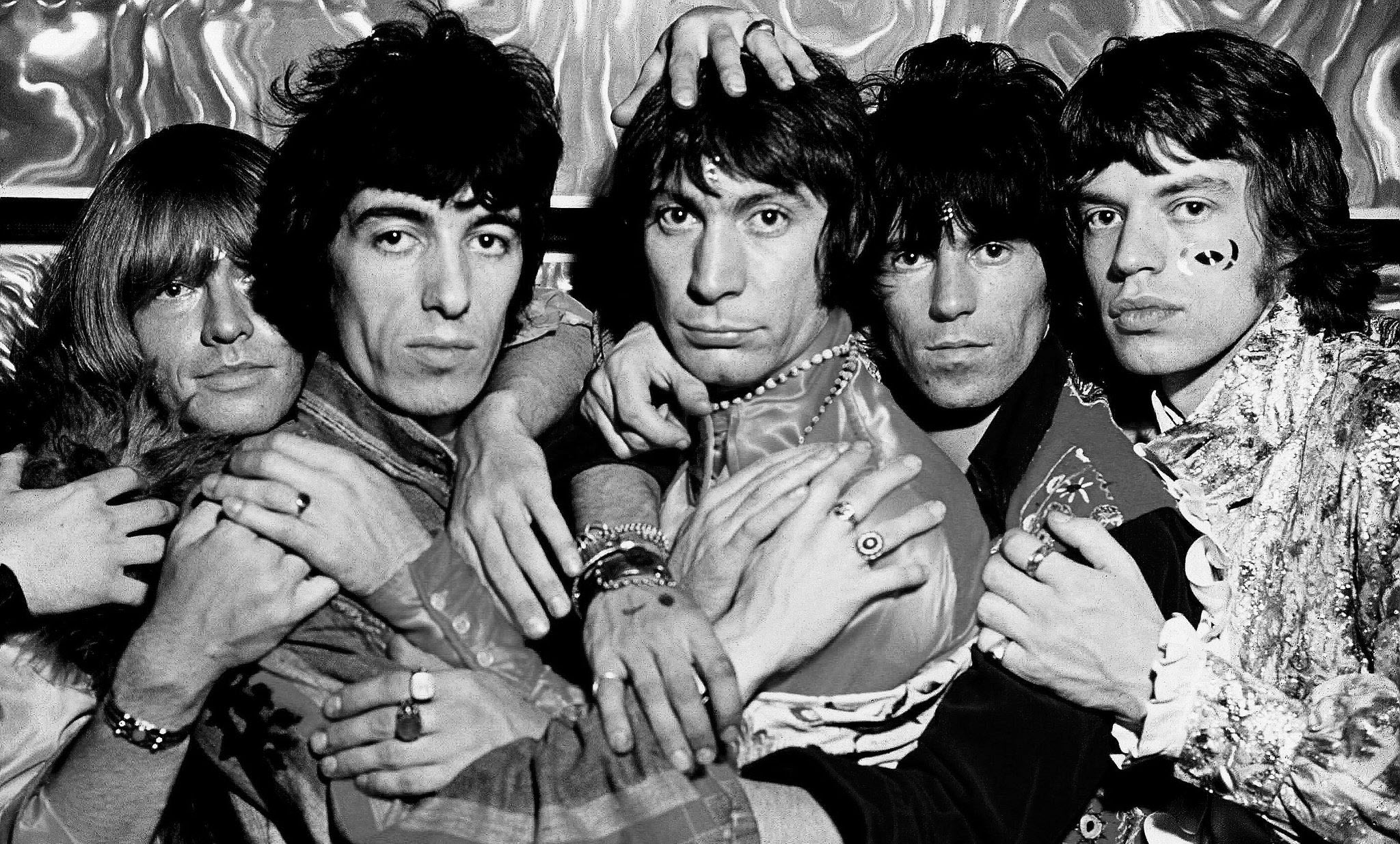
Few bands in rock history have left a mark as indelible—and as electrifying—as The Rolling Stones. With a swagger that defied authority and a sound that fused blues grit with rock ‘n’ roll rebellion, the Stones didn’t just ride the wave of musical revolution—they helped create it. For over six decades, Mick Jagger, Keith Richards, and their ever-evolving lineup have delivered iconic anthems that have shaped generations, challenged norms, and filled stadiums across the globe. From raw riffs that ignite like fire to lyrics dripping with danger, desire, and defiance, the Stones have built a catalog that’s nothing short of legendary. But among their vast discography, which songs truly stand above the rest? Which tracks have etched themselves into the soul of rock culture and stood the test of time? Strap in and turn it up, because we’re counting down the Top 10 Most Popular Rolling Stones Songs of All Time—a journey through the riffs, the rebellion, and the raw power of rock’s most enduring band. Whether you’re a die-hard fan or just discovering their legacy, these are the tracks that defined an era and continue to move the world. Let it bleed, let it rock—these are the Stones at their very best.
1. “(I Can’t Get No) Satisfaction” – 1965
When the Rolling Stones released “(I Can’t Get No) Satisfaction” in 1965, they didn’t just drop a hit—they detonated a cultural bomb. With its instantly recognizable fuzz-tone guitar riff, famously dreamed up by Keith Richards, the song sounded like nothing else on the radio. It captured a restless energy that spoke directly to the discontent brewing beneath the polished surface of postwar consumerism. Mick Jagger’s vocals dripped with sarcasm and frustration as he called out advertising, sexual frustration, and societal expectations. The song’s raw energy, jagged rhythm, and rebellious attitude made it an anthem for a new generation pushing back against conformity. “Satisfaction” rocketed to No. 1 on both the UK and US charts, solidifying the Stones as the rebellious foil to the Beatles’ clean-cut image. More than just a breakthrough, it helped define the Stones’ identity: gritty, confrontational, and unapologetically bold. Today, that jagged riff still jolts the air like an electric shock, a testament to the band’s lasting impact. “Satisfaction” didn’t just announce the Rolling Stones—it declared their mission: to shake things up, speak their minds, and play it loud. Decades later, the song remains a defining moment in rock history.
2. “Paint It, Black” – 1966
When “Paint It, Black” hit the airwaves in 1966, listeners were met with something entirely unexpected: a rock song steeped in Eastern mysticism and emotional darkness. Brian Jones’ sitar playing lent the track a hypnotic, exotic texture that separated it from anything else on the charts. Combined with a pounding beat and swirling guitars, the result was eerie, innovative, and unforgettable. Lyrically, the song dives headfirst into themes of grief and depression, with Mick Jagger lamenting a world that has lost all its color—a poetic expression of sorrow, alienation, and existential pain. Some heard it as a response to the Vietnam War, others as a cry of personal anguish, but its message resonated widely in a time of social upheaval. The song soared to No. 1 on both sides of the Atlantic, cementing its place as one of the band’s most artistically daring hits. “Paint It, Black” proved that the Stones could evolve beyond blues-based rock, embracing experimentation and darkness with remarkable success. It’s not just a song—it’s a mood, a statement, and a milestone that revealed a deeper, more complex dimension to the band’s sound.
3. “Gimme Shelter” – 1969
Released in 1969 at the tail end of a turbulent decade, “Gimme Shelter” is arguably the Rolling Stones’ most haunting and socially resonant track. From the first ghostly guitar riff, the song creates an atmosphere thick with dread, perfectly mirroring the political and cultural chaos of the era. War, civil unrest, and societal collapse loom in every note. Mick Jagger’s delivery is tense and foreboding, but it’s Merry Clayton’s powerhouse backing vocals that truly elevate the track. Her chilling scream of “rape, murder—it’s just a shot away” remains one of the most powerful moments in rock history, recorded in a single, unforgettable take. The song’s blend of rock, blues, and gospel elements makes it musically rich, while its message of desperation and a search for safety remains timeless. “Gimme Shelter” isn’t just a protest song—it’s an emotional reckoning, a cry for refuge amid the storm. Featured on Let It Bleed, it marks a turning point for the Stones, showcasing their ability to reflect the mood of the world with raw honesty and fearless artistry. It remains one of their most critically acclaimed and emotionally stirring works.
4. “Sympathy for the Devil” – 1968
“Sympathy for the Devil,” released in 1968 on Beggars Banquet, stands as one of the most provocative and ambitious songs in the Rolling Stones’ catalog. With its samba-inspired rhythm, percussion, and piano, the song lures listeners into a groove that’s both playful and sinister. But it’s the lyrics that leave the deepest impression. Written from the perspective of the devil, Mick Jagger narrates a chilling journey through some of history’s darkest moments—the crucifixion of Christ, the Russian Revolution, the atrocities of war. It’s a bold commentary on evil, suggesting that it resides not only in mythological figures but in human behavior itself. The song stirred controversy when it debuted, with some accusing the band of satanism. But in truth, “Sympathy for the Devil” is less about worship than it is about confronting humanity’s moral failures head-on. It challenges listeners to reflect on complicity and the nature of good and evil. Musically innovative and lyrically daring, the track expanded what rock could say and how it could say it. It remains a powerful example of the Stones’ willingness to take creative and thematic risks in pursuit of something truly unforgettable.
5. “Angie” – 1973
With “Angie,” the Rolling Stones revealed a tender, vulnerable side that contrasted sharply with their typical hard-rock swagger. Released in 1973 on Goats Head Soup, this haunting acoustic ballad quickly became one of their most beloved hits. The song features a gentle piano line and subtle orchestration that provide a delicate backdrop to Mick Jagger’s heartfelt vocals. His performance aches with the sadness of letting go, of a love that can’t be salvaged despite deep emotional ties. Speculation about the song’s inspiration ran rampant—was it about David Bowie’s wife Angie? Or someone else entirely? But its strength lies not in any real-life reference, but in the universal feelings it conveys: longing, heartbreak, and resignation. “Angie” reached No. 1 in the United States and resonated deeply with fans who saw the band’s emotional depth for the first time. It showed that the Stones could do more than rattle stages—they could break hearts. The track remains a staple on classic rock playlists and a reminder that even the most rebellious rockers can craft something beautiful, intimate, and deeply human.
6. “Start Me Up” – 1981
“Start Me Up” marked a major comeback for the Rolling Stones in 1981, igniting their career once again with one of the most iconic riffs in rock history. Originally conceived as a reggae experiment during the Some Girls sessions in the late ’70s, the song was revived and reshaped into a straight-up rock anthem for the album Tattoo You. Keith Richards’ riff is pure electricity—clean, punchy, and unforgettable. Mick Jagger’s vocal performance struts and teases, full of innuendo and energy, as he delivers lines that balance cheeky humor with undeniable charisma. “Start Me Up” became an instant arena favorite, blasting through stadiums with unstoppable force and quickly becoming a staple at concerts, sporting events, and in pop culture at large. Its slick production and infectious groove helped the Stones stay relevant in a decade dominated by new wave and synth-pop. More than just a hit, “Start Me Up” was a reminder that even after nearly two decades in the game, the Stones still knew how to start a fire. It’s loud, fun, and built to last—just like the band itself.
7. “Jumpin’ Jack Flash” – 1968
After experimenting with psychedelia on Their Satanic Majesties Request, the Rolling Stones roared back to their blues-rock roots with “Jumpin’ Jack Flash” in 1968. The song was a declaration of creative rebirth, packed with swagger and defiance. Keith Richards’ gritty, snarling guitar riff sets the tone from the first second—raw, tight, and unmistakably powerful. Mick Jagger’s opening line, “I was born in a crossfire hurricane,” sounded like a battle cry. The lyrics evoke struggle and survival, suggesting a personal and artistic resurrection. This wasn’t just a return to form—it was a reinvention. “Jumpin’ Jack Flash” became a staple of the band’s live performances and a fan favorite, showcasing their uncanny ability to combine grit with groove. It stood in stark contrast to the more polished sounds of their contemporaries, reinforcing their image as rock’s bad boys. The track’s energy and aggression helped reassert the Stones’ dominance at a time when rock music was rapidly evolving. More than five decades later, it still packs a punch, reminding listeners why the Rolling Stones became legends in the first place.
8. “Wild Horses” – 1971
Released in 1971 on the Sticky Fingers album, “Wild Horses” is one of the Rolling Stones’ most emotionally resonant ballads. A poignant blend of country and rock, the song reveals a vulnerability not often associated with the band’s rough-and-tumble image. The acoustic guitar melody is gentle and sorrowful, setting the stage for Mick Jagger’s aching vocals, which explore the pain of love, distance, and emotional restraint. Keith Richards’ harmony vocals add a layer of warmth and melancholy, perfectly complementing the song’s tender spirit. While speculation about its meaning has ranged from drug addiction to personal heartbreak, the true power of “Wild Horses” lies in its universality. It’s a song about love that runs deep, even when life pulls people apart. The refrain—“Wild horses couldn’t drag me away”—is both a promise and a lament. The track’s slow, graceful pace allows every emotion to land with clarity. “Wild Horses” has since become a favorite for fans of all generations, proof that even the roughest rockers have a soft side. It’s a timeless expression of longing and devotion wrapped in one of the band’s most beautiful melodies.
9. “You Can’t Always Get What You Want” – 1969
“You Can’t Always Get What You Want” closes out the Let It Bleed album with ambition and emotional weight. From its ethereal opening featuring the London Bach Choir to its soaring gospel-tinged finale, the song is a musical journey that explores disappointment, acceptance, and hard-won wisdom. The track opens quietly, almost like a hymn, before unfolding into a rich arrangement of acoustic guitars, horns, piano, and choral harmonies. Mick Jagger’s lyrics strike a delicate balance between cynicism and hope, reflecting on love, politics, and the compromises that life inevitably demands. The chorus delivers one of the Stones’ most famous lines—a mantra of sorts: “You can’t always get what you want, but if you try sometimes, you might find you get what you need.” It’s philosophical without being preachy, grand in scale yet deeply personal. The song’s complexity and emotional resonance have made it a fan favorite and a fixture in the band’s live shows. It’s a fitting closer not just for the album, but for the tumultuous decade it helped define. It remains one of the Stones’ most powerful and enduring statements.
10. “Brown Sugar” – 1971
“Brown Sugar,” the explosive opener to 1971’s Sticky Fingers, is one of the most recognizable and controversial songs in the Rolling Stones’ catalog. Kicking off with an irresistible guitar riff from Keith Richards, the song barrels forward with a raucous energy that’s hard to resist. Musically, it’s a masterclass in dirty rock ’n’ roll—gritty guitars, pounding drums, and a wild saxophone solo that injects even more heat. Lyrically, however, “Brown Sugar” dives into provocative territory, addressing topics like slavery, race, and sexuality in a way that has sparked ongoing debate. Despite (or perhaps because of) its controversial nature, the song topped the charts and became one of the band’s biggest hits. Mick Jagger’s swaggering vocal delivery only adds to its raw, unfiltered feel. Over time, the song has been both celebrated for its musical brilliance and scrutinized for its lyrical content. What’s undeniable is the track’s impact. “Brown Sugar” encapsulates the Stones at their most unapologetic and uninhibited—a band unafraid to push boundaries and stir the pot, even as they deliver one of the most infectious grooves in rock history.

Samuel Moore is a frequent contributor to Singers Room. Since 2005, Singersroom has been the voice of R&B around the world. Connect with us via social media below.









