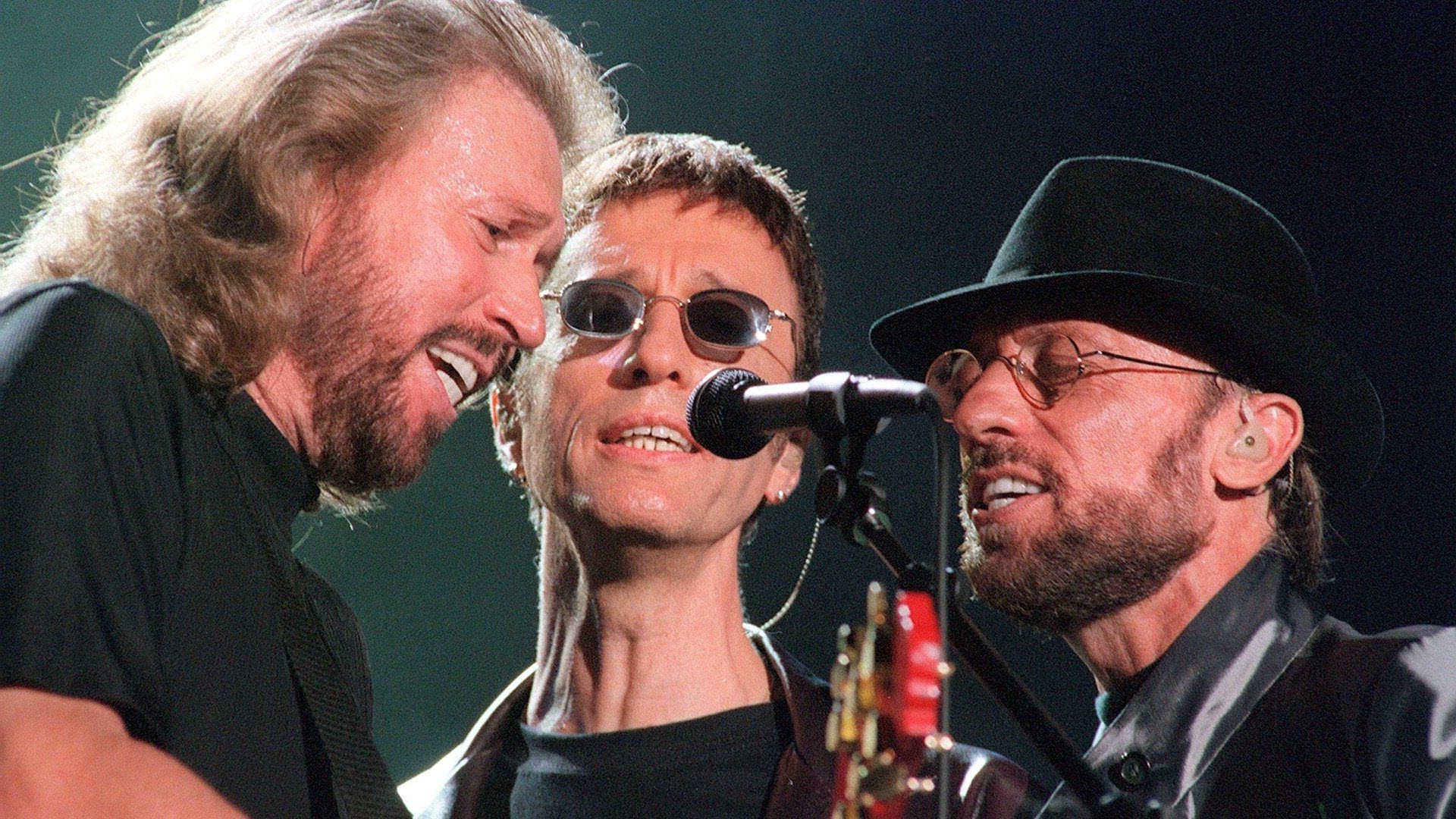
Few bands have left as indelible a mark on the music world as The Bee Gees. With their unmistakable harmonies, genre-defining hits, and the ability to reinvent themselves across decades, the Gibb brothers—Barry, Robin, and Maurice—created a body of work that transcends time. From soulful ballads to disco anthems, their songs have become timeless classics, inspiring countless artists and captivating millions of fans around the globe.
In this article, we embark on a journey through the top 10 most popular Bee Gees songs of all time. These tunes aren’t just songs—they’re cultural milestones, soundtracking everything from heartbreak to euphoria. Whether it’s their early melancholic melodies or the infectious grooves that defined the disco era, The Bee Gees mastered the art of capturing raw emotion and turning it into musical magic.
From the haunting “How Deep Is Your Love” to the electrifying “Stayin’ Alive,” each song is a testament to their extraordinary talent and storytelling ability. So, whether you’re a lifelong fan or new to their iconic sound, get ready to rediscover the hits that made The Bee Gees one of the greatest musical acts of all time. Let’s dive into this unforgettable playlist!
1. Stayin’ Alive (1977)
“Stayin’ Alive” is more than just a disco classic—it’s a cultural touchstone. Released in 1977 as part of the Saturday Night Fever soundtrack, the song became an anthem for a generation navigating urban grit, personal struggle, and the constant hustle to survive. From the instantly recognizable drumbeat to the strutting bassline and Barry Gibb’s soaring falsetto, everything about the track radiates confidence and determination. But beneath the grooves and flashy dance vibes lies something deeper: a message of resilience. The lyrics speak to the grit required to keep pushing forward through hard times, whether it’s economic hardship, heartbreak, or just the pressures of daily life. Its release during a time of social and political upheaval gave it extra resonance, and the Bee Gees struck a chord with listeners worldwide. The swagger in the vocals, combined with the hypnotic beat, created something truly unforgettable. “Stayin’ Alive” became a symbol of endurance, not just for disco lovers but for anyone who’s ever had to fake a smile and keep going. Today, it remains one of the most iconic songs in pop history—one that still gets people dancing while also reminding them of their own inner strength.
2. How Deep Is Your Love (1977)
“How Deep Is Your Love” is a masterclass in romantic balladry. Released in 1977 as part of the Saturday Night Fever soundtrack, the song became one of the Bee Gees’ most beloved hits and showcased their unmatched ability to blend emotional depth with musical finesse. From the very first notes, the soft electric piano and gentle rhythm section create an atmosphere of intimacy. Barry Gibb’s tender lead vocals, joined by the brothers’ signature harmonies, draw listeners into a world of vulnerability and longing. The lyrics don’t just ask a question—they invite reflection. “How deep is your love?” isn’t just about romantic affection; it’s about trust, connection, and emotional security. The Bee Gees manage to articulate a universal yearning—to be loved not just in the moment, but completely and unconditionally. The production is subtle, allowing the warmth of the vocals to shine through without overwhelming the message. It’s the kind of song that sounds just as good through headphones during a quiet night as it does echoing across a wedding dance floor. Decades later, it still strikes a chord with listeners, a testament to the Bee Gees’ songwriting genius and their deep understanding of the human heart.
3. Night Fever (1978)
“Night Fever” captures the glittering magic of the disco era better than almost any other song. Released in 1978 and featured on the Saturday Night Fever soundtrack, this track became a global phenomenon and solidified the Bee Gees as true icons of the genre. It opens with shimmering strings and a seductive groove that immediately sets the scene for a night out in a world of lights, mirrors, and endless motion. The falsetto vocals glide effortlessly over a smooth beat, creating an intoxicating blend of rhythm and romance. Lyrically, “Night Fever” doesn’t try to be profound—it simply celebrates the thrill of dancing, connection, and nightlife. Yet, there’s an elegance in its simplicity. The Bee Gees masterfully weave together melody, harmony, and production to create a sound that feels both spontaneous and finely crafted. Whether you’re swaying on a dancefloor or just vibing in your car, the song brings that unmistakable disco energy. It’s easy to see why it topped the charts and remains one of the most enduring tracks from that golden era. “Night Fever” isn’t just a song—it’s a feeling, a mood, a dazzling glimpse into the high life of the late ’70s.
4. Tragedy (1979)
With “Tragedy,” the Bee Gees delivered one of their most powerful and theatrical tracks to date. Released in 1979 on their Spirits Having Flown album, the song marked a shift from their classic disco style into something more explosive and emotionally charged. From the very first moments, the thunderous drums and dramatic synths signal that this isn’t a typical love song—it’s a sonic storm of heartbreak and desperation. Barry Gibb’s falsetto is raw and urgent, expressing the pain of losing someone so essential that their absence feels like the end of the world. The word “tragedy” becomes a mantra, shouted into the void with a sense of helplessness. The harmonies of Robin and Maurice Gibb only heighten the drama, giving the track an almost operatic intensity. Unlike their smooth, danceable hits, “Tragedy” is all about release—emotional, musical, and even physical. The production is bold, with sudden stops, powerful crescendos, and an energy that grabs you by the collar. It was a massive hit, proving that the Bee Gees could do more than just disco—they could craft musical experiences that captured the highest highs and the lowest lows of human emotion.
5. More Than a Woman (1977)
“More Than a Woman” is a dreamy, romantic gem that glows with warmth and affection. Released in 1977 as part of the Saturday Night Fever soundtrack, the song stands out for its elegance and emotional sincerity. Unlike some of the Bee Gees’ more rhythm-driven disco hits, this track leans into smooth melodies, gentle grooves, and lush harmonies. The lyrics speak of a love so deep and all-encompassing that the woman becomes more than just a partner—she’s a muse, a source of inspiration, a lifeline. Barry Gibb’s soft falsetto floats effortlessly over the music, creating a sense of intimacy and devotion. The string arrangements add a touch of sophistication, while the steady rhythm keeps the track grounded in that signature ’70s danceable style. It’s the kind of song that sounds timeless—just as moving on a quiet evening at home as it is under a glittering disco ball. The gentle tempo and heartfelt delivery make it a favorite for slow dances and romantic moments. “More Than a Woman” reminds us that even in the flash of disco, the Bee Gees could craft songs full of soul, sentiment, and lasting emotional power.
6. To Love Somebody (1967)
“To Love Somebody” is one of the Bee Gees’ earliest masterpieces, and it shows just how emotionally powerful their songwriting could be, even before the disco era. Released in 1967 on their album Bee Gees’ 1st, the song is a heartfelt ballad about unrequited love and longing. Barry Gibb originally wrote it with soul singer Otis Redding in mind, and you can feel that influence in every soulful note. The arrangement is simple but incredibly effective—gentle strings, soft organ, and a steady rhythm section support Barry’s aching vocal delivery. The lyrics are honest and straightforward, expressing a deep yearning to be loved by someone who doesn’t feel the same. It’s a universal theme, and one that countless listeners have connected with over the years. There’s something timeless about the way the Bee Gees express vulnerability here—it’s raw but dignified, full of emotion but never overdone. The song has been covered by dozens of artists across genres, from Nina Simone to Michael Bolton, a testament to its lasting impact. “To Love Somebody” remains a cornerstone of the Bee Gees’ legacy, proving they could touch hearts just as easily as they could fill dance floors.
7. Jive Talkin’ (1975)
“Jive Talkin’” marked a turning point for the Bee Gees, launching them into the disco world with a fresh, funky sound that still feels exciting today. Released in 1975 on their album Main Course, this track helped define their new musical direction. The song kicks off with a funky, syncopated rhythm inspired by the sound of car tires crossing a bridge—a detail Maurice Gibb noticed while driving in Miami. That groove, paired with a pulsing bassline and staccato guitar riffs, laid the foundation for what would become one of their most influential songs. Barry’s vocals are playful and confident, gliding over the beat with swagger, while the lyrics call out dishonest or empty words—“jive talkin’,” as it was slang at the time. The production was ahead of its time, blending R&B, funk, and early disco elements into something sleek and catchy. “Jive Talkin’” was a commercial success and became their first U.S. number-one hit in years, reigniting their career. More than that, it signaled the start of a new era for the band—one where they would dominate the charts with their dancefloor-ready sound. It remains a funky, fearless anthem that helped define mid-’70s pop.
8. You Should Be Dancing (1976)
“You Should Be Dancing” is pure, high-octane disco from start to finish—a track designed to get bodies moving and spirits lifted. Released in 1976 on the album Children of the World, it became one of the Bee Gees’ most electrifying hits and a dancefloor essential. Right from the opening beat, the energy is undeniable. A tight rhythm section, fiery percussion, and that iconic falsetto from Barry Gibb combine to create a sound that feels like a party in full swing. The lyrics are simple and commanding: “You should be dancing, yeah!” It’s not a request—it’s a call to action. The Bee Gees don’t overcomplicate the message; they let the music do the talking. What makes the song so powerful isn’t just its groove, though—it’s the sheer conviction behind every note. You can hear the joy, the urgency, and the freedom in their voices. When the song featured in the Saturday Night Fever soundtrack a year later, it only cemented its status as a disco anthem. To this day, it’s a song that makes people get up and move, proving that sometimes, all you need is a great beat and a reason to dance.
9. I Started a Joke (1968)
“I Started a Joke” is one of the Bee Gees’ most haunting and introspective ballads. Released in 1968 on their album Idea, it features Robin Gibb on lead vocals, delivering a performance filled with melancholy and emotional depth. The song begins gently, almost like a lullaby, but soon reveals its deeper message—a meditation on miscommunication, regret, and the unintended consequences of our actions. Robin’s voice is the heart of the track, carrying a sadness that feels personal and universal at the same time. The lyrics are poetic and open to interpretation: “I started a joke which started the whole world crying” suggests a moment of unintended harm, of sorrow that spirals out of control. Musically, it’s understated, with soft orchestration that allows the vocals to shine. The combination of vulnerability and simplicity gives the song a timeless quality. Over the years, “I Started a Joke” has been covered by artists from Faith No More to Robbie Williams, showing its lasting influence. It remains a poignant reminder of how easily things can go wrong—and how deeply we feel it when they do. For many fans, it’s one of the Bee Gees’ most moving and unforgettable works.
10. Words (1968)
“Words” is a tender and emotional ballad that highlights the Bee Gees’ ability to distill deep feelings into simple, heartfelt lyrics. Released as a single in 1968, the song quickly became a hit and has remained one of their most beloved tracks ever since. From the gentle piano intro to Barry Gibb’s vulnerable vocal performance, every element of the song feels delicate and sincere. The lyrics focus on the power of words in a relationship—the way they can heal or hurt, bring people together or tear them apart. “It’s only words, and words are all I have to take your heart away” is a line that resonates with anyone who’s ever struggled to express love. The song’s stripped-back arrangement allows the emotional core to take center stage, with soft strings and harmonies adding subtle depth. “Words” has been covered by many artists, including Elvis Presley and Boyzone, and its timeless appeal lies in its honesty and simplicity. The Bee Gees didn’t need flashy production here—they let the emotion speak for itself. It’s a ballad that continues to touch hearts, reminding us that sometimes, the right words can change everything.

Edward Tomlin is a frequent contributor to Singers Room. Since 2005, Singersroom has been the voice of R&B around the world. Connect with us via social media below.









