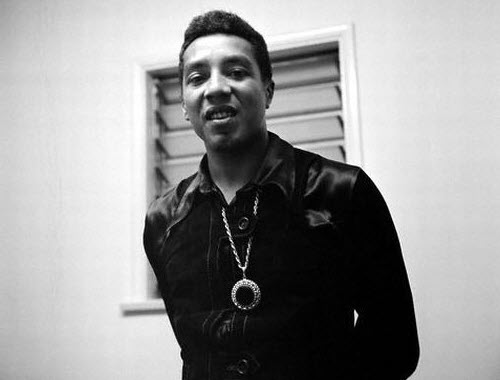
When it comes to soul music royalty, few names shine as brightly as Smokey Robinson. A poetic genius, velvet-voiced crooner, and one of the founding architects of the legendary Motown Sound, Smokey’s influence runs deep through the fabric of American music. Whether fronting The Miracles or soaring solo, his songs have become timeless anthems of love, heartbreak, and emotional truth. With lyrics as tender as a whisper and melodies that slip effortlessly into the soul, Smokey Robinson didn’t just write hits—he wrote feelings. From the tear-streaked poetry of “The Tracks of My Tears” to the sweet seduction of “Cruisin’,” his music captures the highs and lows of romance like no other. In a career spanning over six decades, he’s delivered classics that continue to move generations, proving that great songwriting never goes out of style. In this countdown, we celebrate the Top 10 Most Popular Smokey Robinson Songs of All Time—the tracks that defined his legacy, topped charts, and continue to soundtrack our most personal moments. So sit back, press play in your mind, and get ready to journey through the silken soul of a true music legend. These songs aren’t just hits—they’re history.
1. “The Tracks of My Tears” (1965)
Few songs in the Motown catalog carry the emotional weight of “The Tracks of My Tears.” Released in 1965 by The Miracles, this ballad showcases Smokey Robinson’s masterful songwriting and vocal finesse. The genius of the track lies in its contrast—upbeat instrumentation wrapped around aching lyrics about wearing a smile to hide inner heartbreak. Smokey’s falsetto glides over the melody with tenderness and precision, turning sorrow into art. The lyric “So take a good look at my face, you’ll see my smile looks out of place” is one of the most quoted lines in soul music history. It’s not just a song—it’s an anthem for anyone who’s ever had to pretend to be okay. With its poetic depth and timeless sound, “The Tracks of My Tears” remains a staple of soul music and a defining moment in Robinson’s career.
2. “The Tears of a Clown” (1967)
Originally released as an album track in 1967 before becoming a hit single in 1970, “The Tears of a Clown” is a brilliant collaboration between Smokey Robinson and Stevie Wonder. From the opening calliope-like riff, the song grabs your attention with its circus-like whimsy, masking the story of a man hiding deep sadness behind a joyful facade. Robinson’s lyrics turn the metaphor of a clown into a powerful narrative device, while the upbeat tempo creates a compelling contrast that enhances the emotional impact. The Miracles deliver a performance full of energy and soul, but it’s Smokey’s voice—playful yet pleading—that steals the show. This track became the group’s first U.S. No. 1 hit, solidifying their place in pop history and proving that behind every great showman, there might be a broken heart.
3. “Ooo Baby Baby” (1965)
“Ooo Baby Baby” is a masterclass in romantic vulnerability. Released in 1965, this tender ballad from The Miracles is one of Smokey Robinson’s most delicate and emotionally resonant performances. The song’s gentle arrangement—built on soft harmonies, subtle guitar lines, and a slow-burning groove—provides the perfect backdrop for Robinson’s plaintive vocals. The lyrics, a heartfelt apology wrapped in poetic longing, explore themes of regret and hope for redemption. “I’m just about at the end of my rope,” Smokey sings, his falsetto aching with sincerity. It’s a simple song on the surface, but its emotional complexity has made it a favorite for lovers and soul aficionados alike. Covered by artists across generations, “Ooo Baby Baby” endures as a quintessential love ballad that helped define the golden age of Motown.
4. “Cruisin’” (1979)
With “Cruisin’,” Smokey Robinson reinvented himself for a new era. Released in 1979 as a solo artist, the track is a sultry, laid-back anthem that oozes sensuality and sophistication. Its smooth groove and mellow instrumentation perfectly match the theme of romantic escapism. Smokey’s whispery vocals are both intimate and hypnotic, inviting the listener into a private world of slow dances and stolen kisses. The chorus—“I love it when we’re cruisin’ together”—is irresistibly catchy, and the song’s relaxed tempo makes it an enduring favorite for late-night listening. “Cruisin’” marked a successful transition from Smokey’s Motown roots to a more adult contemporary sound, proving his versatility as an artist. It’s more than a love song; it’s a vibe, a mood, and a timeless invitation to slow down and savor the moment.
5. “You’ve Really Got a Hold on Me” (1962)
Released in 1962, “You’ve Really Got a Hold on Me” is one of Smokey Robinson’s earliest hits and a cornerstone of Motown’s rise to prominence. The Miracles deliver a raw, emotional performance that captures the torment of loving someone you can’t let go of. “I don’t like you, but I love you,” Smokey confesses in the opening line, setting the stage for a song filled with inner conflict and soul-searching. The doo-wop-inspired harmonies and bluesy guitar licks blend perfectly with Robinson’s expressive lead vocal. This track resonated so powerfully that even The Beatles recorded a version just a year later. It’s a song about contradiction, about the push and pull of love, and it cemented Smokey Robinson’s reputation as one of soul music’s most gifted storytellers.
6. “I Second That Emotion” (1967)
“I Second That Emotion,” released in 1967, is a sparkling slice of Motown pop that showcases Smokey Robinson’s gift for clever wordplay and infectious melodies. Inspired by a slip of the tongue during a shopping trip, the title became the foundation for one of The Miracles’ most upbeat and charming songs. The track’s catchy hook, buoyant rhythm, and tight harmonies make it instantly memorable. Smokey’s vocal delivery is light, flirtatious, and full of character, giving life to lyrics that mix humor with heartfelt sincerity. The song became a major crossover hit, appealing to both R&B and pop audiences, and it remains one of the most danceable entries in Robinson’s catalog. “I Second That Emotion” is pure Motown magic—smart, soulful, and irresistibly fun.
7. “Being with You” (1981)
“Being with You” marked a late-career resurgence for Smokey Robinson when it was released in 1981. This smooth, romantic ballad became one of his most commercially successful solo hits, reaching No. 2 on the Billboard Hot 100. The song’s lush production, driven by soft synths and a steady groove, provides a dreamy backdrop for Smokey’s heartfelt vocals. Lyrically, it’s a declaration of love that stands in defiance of outside judgment. “I don’t care what they think about me, and I don’t care what they say,” he sings with conviction, making it an anthem for lovers facing the odds. With its blend of vulnerability and strength, “Being with You” confirmed that Smokey could still capture hearts well into the 1980s. It’s a warm, feel-good track that continues to resonate with fans around the world.
8. “Baby, Baby Don’t Cry” (1969)
“Baby, Baby Don’t Cry” is a soulful plea wrapped in lush orchestration and tender emotion. Released in 1969 near the end of Smokey’s tenure with The Miracles, the song highlights his ability to balance vulnerability with reassurance. The gentle piano intro and swelling strings create a cinematic feel, while Smokey’s voice delivers calm strength, encouraging a brokenhearted lover to hold on. The repetition of the titular phrase is both soothing and powerful, and the song’s layered harmonies add emotional depth. It’s a message of comfort during pain, a musical embrace that speaks directly to the heart. “Baby, Baby Don’t Cry” achieved commercial success and remains a standout in the group’s later catalog, exemplifying Smokey’s enduring ability to connect with listeners on a deeply human level.
9. “Baby That’s Backatcha” (1975)
“Baby That’s Backatcha,” released in 1975, marked a funky new direction for Smokey Robinson as a solo artist. With a groovy bassline, punchy horns, and a playful vocal delivery, the track shows a lighter, more experimental side of Smokey’s artistry. It was his first solo No. 1 hit on the R&B chart, signaling that he could thrive outside The Miracles. The song’s lyrics mix flirtation with a dose of karmic wit, as Smokey returns the affection—or perhaps mischief—he’s received. The track’s upbeat tempo and funky instrumentation made it stand out from his earlier work, proving that he could adapt to the changing musical landscape of the mid-‘70s. “Baby That’s Backatcha” is fun, funky, and full of flair—a testament to Robinson’s versatility and staying power.
10. “Shop Around” (1960)
“Shop Around” is the song that launched Motown into the mainstream and put The Miracles—and Smokey Robinson—on the map. Released in 1960, it became Motown’s first million-selling single, a landmark achievement that foreshadowed decades of hits to come. The song is packed with charm and wisdom, as a mother advises her son to be cautious in love. Smokey’s vocal performance is youthful yet wise, navigating a melody that swings with rhythm and confidence. The track’s catchy hook and smooth production made it an instant classic, blending doo-wop, R&B, and pop into a formula that would define the Motown sound. “Shop Around” isn’t just a great song—it’s a piece of music history, and the true beginning of Smokey Robinson’s legendary career.

Samuel Moore is a frequent contributor to Singers Room. Since 2005, Singersroom has been the voice of R&B around the world. Connect with us via social media below.









