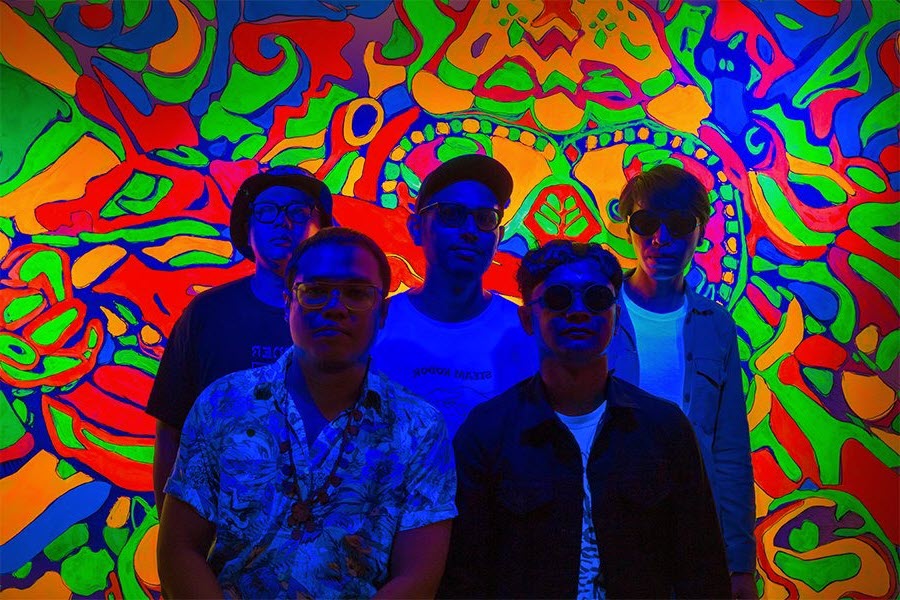
Get ready to bend your mind, expand your senses, and take a trip through the cosmic soundscapes of a genre that redefined music and consciousness itself. Welcome to the kaleidoscopic world of psychedelic rock—a sonic adventure where swirling guitars, hypnotic rhythms, and mind-bending lyrics collide to create something truly otherworldly. Born in the ’60s counterculture and fueled by curiosity, rebellion, and imagination, this genre didn’t just break the rules—it melted them.
In this trippy countdown of the Top 15 Most Popular Best Psychedelic Rock Songs of All Time, we’re diving headfirst into the anthems that lit up lava lamps, shook festival stages, and transported listeners to whole new dimensions. From the acid-drenched sounds of Pink Floyd and The Doors to the electric freak-outs of Jimi Hendrix and Jefferson Airplane, these tracks are more than songs—they’re experiences.
Whether you’re chasing nostalgia or just discovering the genre’s far-out wonders, this list is your passport to the golden age of sonic exploration. So dim the lights, open your mind, and let the reverb wash over you. Because in the world of psychedelic rock, reality is just the beginning—and the music will take you far beyond. 🌌🎸🌀
1. “Light My Fire” – The Doors (1967)
The Doors’ “Light My Fire” ignited the band’s career in 1967, catapulting them into the psychedelic rock stratosphere. Jim Morrison’s sultry, charismatic vocals and Ray Manzarek’s hypnotic organ solos come together to create a song that is both sultry and electrifying. The extended instrumental breaks, infused with jazz-inspired improvisations, give the track an experimental edge, making it a groundbreaking piece in the genre. With its sensual lyrics and infectious groove, “Light My Fire” became an anthem for the counterculture movement, capturing the spirit of rebellion and freedom that defined the 1960s. It remains one of The Doors’ signature songs, continuing to inspire generations of listeners with its bold and innovative sound.
2. “All Along the Watchtower” – The Jimi Hendrix Experience (1968)
Jimi Hendrix’s version of Bob Dylan’s “All Along the Watchtower” is a brilliant reinvention of the original, turning it into a psychedelic masterpiece. Released in 1968, Hendrix’s intricate guitar work and powerful vocals inject a new energy into Dylan’s already enigmatic lyrics, transforming the folk song into a cinematic narrative full of tension and mystery. The interplay between the instruments and Hendrix’s electrifying solos create a sense of urgency and drama, making the song a standout in both Dylan’s and Hendrix’s discographies. Hendrix’s rendition of “All Along the Watchtower” remains one of rock’s greatest reinterpretations, cementing its place as a classic in the psychedelic genre.
3. “Purple Haze” – The Jimi Hendrix Experience (1967)
When “Purple Haze” was released in 1967, it instantly became a revolutionary anthem, shaking the very foundation of rock music. Jimi Hendrix’s electrifying guitar riffs and the innovative effects he used created a sound that was truly ahead of its time. The surreal, dreamlike lyrics were inspired by one of Hendrix’s vivid dreams and invited listeners to find their own interpretations, adding to the song’s mysterious aura. The distorted guitar tones and unexpected chord progressions made this track a bold statement, pushing the boundaries of music and expression. It encapsulated the essence of the psychedelic rock movement, becoming an iconic symbol of the genre. “Purple Haze” remains a timeless masterpiece that showcases Hendrix’s unparalleled creativity and guitar mastery, forever solidifying his legacy as a true musical genius.
4. “Sunshine of Your Love” – Cream (1967)
Cream’s “Sunshine of Your Love” is a blistering fusion of rock, blues, and psychedelia that became an instant classic in 1967. The song’s iconic opening riff, played by Eric Clapton, is one of the most recognizable in rock history. Jack Bruce’s soulful vocals and Ginger Baker’s tribal-inspired drumming create a raw, infectious energy that pulses throughout the track. The song’s hypnotic groove and passionate delivery capture the experimental spirit of the late 1960s, making it a defining moment in psychedelic rock. “Sunshine of Your Love” stands as a testament to Cream’s musical chemistry and remains a cornerstone of the era’s sound.
5. “The End” – The Doors (1967)
“The End” is an epic exploration of the human psyche, combining meditative moments with explosive energy. Released in 1967 on The Doors’ debut album, this nearly 12-minute track pushes the boundaries of what rock music could achieve. Jim Morrison’s dark, poetic lyrics explore themes of existentialism and self-discovery, while the band’s improvisational brilliance builds a haunting, surreal soundscape. The track’s gradual build-up and intense climax make it a powerful emotional journey. Its dark, introspective themes, paired with the hypnotic, bluesy instrumentation, cement “The End” as one of the most iconic psychedelic rock tracks of all time, resonating deeply with listeners drawn to its complex, cerebral exploration.
6. “Lucy in the Sky with Diamonds” – The Beatles (1967)
One of the standout tracks from The Beatles’ groundbreaking album Sgt. Pepper’s Lonely Hearts Club Band, “Lucy in the Sky with Diamonds” is a colorful and whimsical journey into the unknown. With its dreamy, kaleidoscopic imagery, the song transports listeners to a fantastical world inspired by Lewis Carroll’s Alice in Wonderland. John Lennon’s ethereal vocals perfectly complement the shifting time signatures and imaginative instrumentation, creating a mesmerizing soundscape. The song’s playful yet surreal atmosphere exemplifies The Beatles’ experimental phase, blending storytelling with their signature psychedelic sound. Its hauntingly beautiful melody and mind-bending lyrics made “Lucy in the Sky with Diamonds” an instant classic, defining an era of musical exploration and creativity.
7. “White Rabbit” – Jefferson Airplane (1967)
Released during the Summer of Love, Jefferson Airplane’s “White Rabbit” is a haunting and hypnotic journey into the surreal. Drawing inspiration from Alice in Wonderland, the song’s steady, escalating rhythm mirrors the pulse of a heartbeat, pulling listeners deeper into the trippy atmosphere. Grace Slick’s powerful vocals add an air of authority and mystery, while the Eastern-inspired melodies give the song an exotic, intoxicating quality. The track quickly became an anthem for the counterculture movement, speaking to the growing fascination with mind-expanding experiences. As the song builds to its climactic crescendo, it captures the essence of the 1967 psychedelic revolution, leaving listeners in a trance, forever captivated by its otherworldly energy.
8. “Tomorrow Never Knows” – The Beatles (1966)
“Tomorrow Never Knows” is a bold, genre-defying track that marked The Beatles’ full immersion into the world of psychedelia. Released on Revolver in 1966, the song is a sonic revolution, featuring layered tape loops, hypnotic drum patterns, and John Lennon’s otherworldly, mantra-like vocals. Inspired by the writings of Timothy Leary, the track creates a meditative, transcendental atmosphere, inviting the listener to explore a new state of consciousness. Its experimental use of studio techniques and its fusion of Eastern philosophy with rock music made it a landmark in the evolution of psychedelic music. “Tomorrow Never Knows” pushed the boundaries of what could be achieved in popular music, making it a cornerstone of the genre and an essential part of The Beatles’ legacy.
9. “A Whiter Shade of Pale” – Procol Harum (1967)
Procol Harum’s “A Whiter Shade of Pale” is a stunning fusion of baroque influences and psychedelic rock, creating an ethereal and captivating sound that was revolutionary for its time. Released in 1967, the song features haunting organ melodies and cryptic, poetic lyrics that paint a picture of a surreal and melancholic love story. The music’s baroque-inspired arrangements are beautifully intertwined with the haze of 1960s psychedelia, evoking a sense of longing and mystery. “A Whiter Shade of Pale” became an instant classic, known for its timeless appeal and enigmatic charm. Its poetic nature and atmospheric sound have helped it endure through the years, ensuring its place as one of the most iconic tracks in psychedelic rock history.
10. “Strawberry Fields Forever” – The Beatles (1967)
“Strawberry Fields Forever” stands as a surreal and introspective masterpiece, blending elements of nostalgia and fantasy. Released in 1967 as part of a double A-side with “Penny Lane,” the song is John Lennon’s poignant reflection on his childhood, set against a lush and dreamlike soundscape. It’s a song that defies conventional structure, using innovative techniques such as Mellotron, reverse tape effects, and layered instrumentation, which create an immersive experience for the listener. The track’s ethereal nature takes us on a whimsical journey, inviting us into Lennon’s mind, where reality and imagination overlap. Its pioneering sound became a hallmark of the psychedelic rock movement, pushing the boundaries of what popular music could achieve. With its complex yet haunting beauty, “Strawberry Fields Forever” is often hailed as one of The Beatles’ most daring and visionary songs.
11. “Interstellar Overdrive” – Pink Floyd (1967)
“Interstellar Overdrive” is a pioneering instrumental track that embodies the experimental spirit of early Pink Floyd. Released on their debut album The Piper at the Gates of Dawn in 1967, the song takes listeners on a mind-bending cosmic journey. With its distorted guitars, chaotic rhythms, and freeform improvisation, the track reflects the band’s willingness to push the boundaries of sound and structure. Syd Barrett’s innovative approach to guitar playing and composition shines through, creating an atmosphere that is both hypnotic and unsettling. The track’s unpredictability and sonic exploration make it a cornerstone of psychedelic rock, showcasing Pink Floyd’s early experimental approach and setting the stage for their later, more expansive works.
12. “Time” – Pink Floyd (1973)
From their monumental album The Dark Side of the Moon, Pink Floyd’s “Time” is a profound exploration of life, mortality, and the passage of time. The track opens with the sound of ticking clocks, setting the stage for a haunting meditation on the fleeting nature of existence. As the song unfolds, David Gilmour’s soaring guitar solos and Roger Waters’ introspective lyrics create a soundscape that is both cosmic and deeply personal. The layered production and rich textures elevate “Time” beyond a simple rock song, transforming it into an existential experience. Its themes of reflection and inevitability resonate with listeners on a universal level, making it one of the standout tracks in the history of psychedelic rock.
13. “In-A-Gadda-Da-Vida” – Iron Butterfly (1968)
“In-A-Gadda-Da-Vida” is an iconic, 17-minute odyssey into the heart of psychedelic rock. Released in 1968, the track became a defining piece of the genre due to its extended length and trancelike atmosphere. Its pulsating bassline, thunderous drums, and swirling organ solos create a mesmerizing groove that sweeps the listener into an altered state of mind. The song’s extended instrumental passages, combined with its primal energy, reflect the experimental spirit of the late 1960s. The track’s hypnotic quality, along with its epic scale, transformed it into one of the most recognizable psychedelic rock anthems. With its bold ambition and distinctive sound, “In-A-Gadda-Da-Vida” remains a touchstone in the evolution of psychedelic music.
14. “Somebody to Love” – Jefferson Airplane (1967)
“Somebody to Love” captures the urgency and longing of the Summer of Love, blending powerful vocals with intense, driving instrumentation. Released in 1967, the track is a passionate plea for human connection amid a tumultuous world. Grace Slick’s commanding voice delivers the message with fiery intensity, while the driving guitar riffs and bold rhythm section amplify the emotional charge. The song’s raw, rebellious energy made it an anthem for those searching for meaning during the counterculture movement. Its blend of psychedelic rock’s intensity and deep emotional resonance turned it into one of Jefferson Airplane’s defining songs, and it continues to resonate with generations that feel the same need for unity and understanding.
15. “White Room” – Cream (1968)
“White Room” is a captivating fusion of psychedelia and blues rock that captures the emotional complexities of the late 1960s. Released in 1968, the song features sweeping orchestration and poetic lyrics that evoke a sense of melancholy and longing. Eric Clapton’s soaring guitar solos are the track’s emotional center, adding intensity to the already brooding atmosphere. The vivid imagery in the lyrics, coupled with the song’s dramatic musical shifts, create a cinematic feel that immerses the listener in a world of isolation and introspection. With its haunting mood and innovative arrangement, “White Room” stands out as one of Cream’s most beloved and enduring tracks, a testament to their groundbreaking work in the psychedelic genre.

Samuel Moore is a frequent contributor to Singers Room. Since 2005, Singersroom has been the voice of R&B around the world. Connect with us via social media below.









