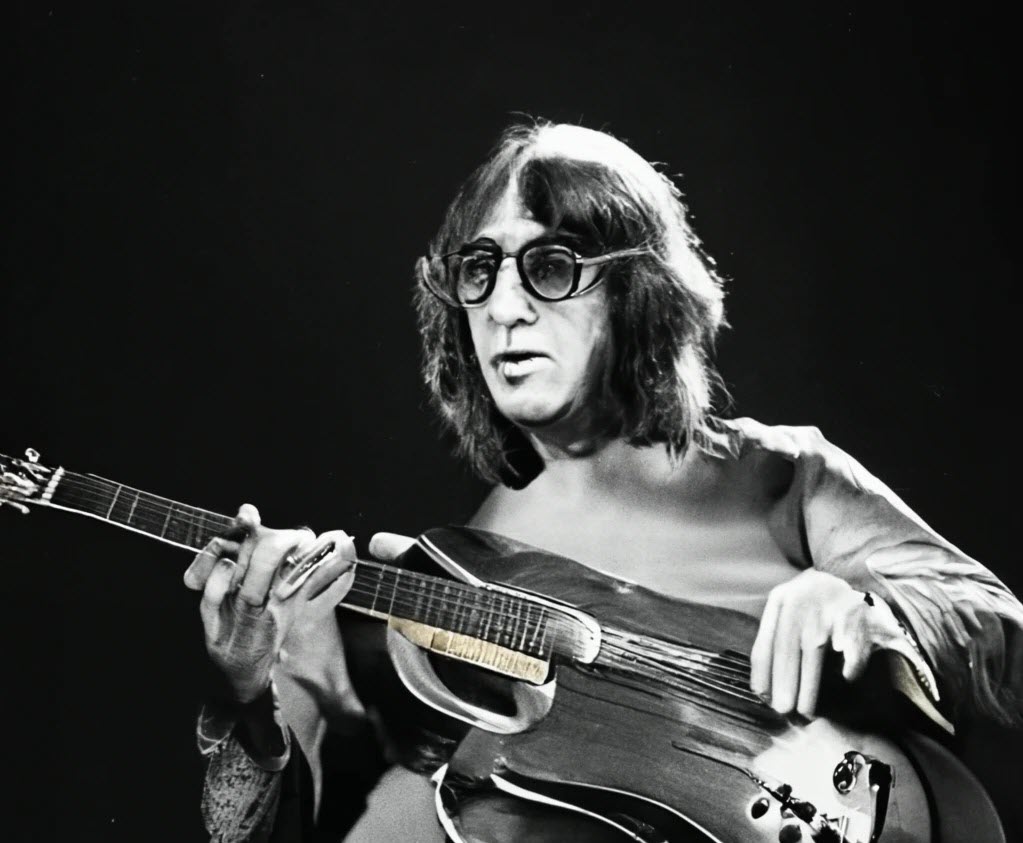
John Lennon—visionary, poet, rebel, and dreamer—remains one of the most influential figures in music history. As a founding member of The Beatles and a solo artist, Lennon’s ability to capture raw emotion, social consciousness, and universal truths in his music cemented his place as a cultural icon. From heartfelt ballads to revolutionary anthems, Lennon’s songs continue to inspire generations, transcending time, borders, and genres.
In this article, we celebrate the top 10 most popular John Lennon songs of all time. These are the tracks that defined his genius, resonated with millions, and left an indelible mark on the world. Whether he was calling for peace, exploring the intricacies of love, or challenging societal norms, Lennon’s music carried a message that still echoes today.
Prepare to revisit the songs that made history—from the poignant and reflective to the daring and provocative. Each track is a masterpiece, showcasing Lennon’s unparalleled artistry and passion for storytelling. Whether you’re a lifelong fan or discovering his genius for the first time, this list is a journey through the heart and soul of one of music’s greatest legends. Let’s dive into the melodies that changed the world.
1. Imagine (1971)
Few songs have captured the collective longing for peace and unity as powerfully as John Lennon’s “Imagine.” Released in 1971, this piano-led ballad asks listeners to dream of a world free from the divisions of borders, religion, and material possessions. Lennon’s simple yet profound lyrics challenge the very foundations of society, daring us to believe in a shared humanity. What makes “Imagine” so enduring is its calm, meditative tone—there’s no shouting or finger-pointing, just a sincere invitation to consider another way of living. The melody is gentle, the production minimal, allowing Lennon’s voice and message to take center stage. Over the decades, the song has become an unofficial anthem for peace movements and humanitarian causes, a testament to its emotional and philosophical power. Though some critics have pointed out the contradictions between the song’s ideals and Lennon’s own lifestyle, its message continues to resonate across cultures and generations. “Imagine” is more than just a song—it’s a vision, a prayer, and a challenge to the world to do better.
2. Instant Karma! (1970)
“Instant Karma!” is a burst of energy, urgency, and moral reckoning, wrapped in a fierce rock anthem. Released in 1970 and famously written, recorded, and released in just one day, the song showcases John Lennon at his most immediate and inspired. Backed by Phil Spector’s booming Wall of Sound, it crashes through with pounding piano chords, thunderous drums, and Lennon’s urgent vocals. The lyrics deliver a clear and compelling message: your actions matter, and the consequences will come swiftly. The line “We all shine on” isn’t just a catchy hook—it’s a call to recognize our shared humanity and inner light. There’s a spiritual undertone to the track, suggesting both accountability and hope. Unlike the dreamy “Imagine,” “Instant Karma!” demands action now, not later. It’s part warning, part pep talk, part protest, and all passion. In its short runtime, it manages to shake the listener awake. The song remains one of Lennon’s most electrifying solo efforts, a testament to how spontaneous creativity, when backed by deep conviction, can still change the conversation.
3. Jealous Guy (1971)
“Jealous Guy” reveals a side of John Lennon rarely seen in the brash, outspoken public figure he often portrayed. Originally written during The Beatles’ “White Album” sessions, the song finally found its place on his 1971 Imagine album, where it blossomed into a tender, vulnerable ballad. Here, Lennon drops the bravado and confesses his flaws—not with defensiveness, but with genuine remorse. He sings of hurting someone he loves, not out of malice, but from insecurity and jealousy. The raw honesty in his voice is disarming, backed by a lush arrangement that swells with strings and piano. It’s this emotional transparency that makes the song so universally relatable. Most listeners can identify with that feeling of regret, of realizing you’ve damaged a relationship through your own unchecked emotions. Over the years, “Jealous Guy” has been covered by numerous artists, including a well-known version by Roxy Music, further cementing its legacy. It’s not just a song about jealousy—it’s a song about growth, humility, and the hope for forgiveness.
4. Working Class Hero (1970)
With “Working Class Hero,” Lennon strips everything down to the essentials: one voice, one acoustic guitar, and a message that cuts like a knife. Featured on his raw and confessional debut solo album Plastic Ono Band (1970), the song is a searing critique of societal conditioning and the soul-crushing grind of modern life. Lennon paints a bleak picture of a system that molds people into conformity, only to crush their spirit. His delivery is blunt and unpolished, intentionally so—there’s no sugarcoating here. He’s not trying to uplift; he’s forcing the listener to confront hard truths. The song’s controversial use of language and its scathing tone sparked debate, but that was part of its power. “Working Class Hero” was meant to provoke. It resonated deeply with those who felt disillusioned by post-war promises and the widening gap between rich and poor. Though minimalist in its production, the song carries immense emotional weight. It stands as one of Lennon’s boldest statements—a protest song not just against war or politics, but against the entire machinery that shapes people’s lives from cradle to grave.
5. Give Peace a Chance (1969)
“Give Peace a Chance” began as a spontaneous moment during John Lennon and Yoko Ono’s “Bed-In for Peace” protest in 1969 and quickly became one of the most recognizable anthems of the anti-war movement. Recorded in a hotel room with a chorus of journalists, friends, and activists, the song’s lo-fi, chant-like structure invites participation more than perfection. It wasn’t about musical polish—it was about spreading a message loud and clear. Repeating the simple plea “All we are saying is give peace a chance,” Lennon transformed a slogan into a rallying cry that echoed across campuses, protests, and peace marches around the world. The song captured the spirit of a generation weary of war and eager for change. Its power lies in its simplicity—anyone could sing it, anywhere, and many did. Even today, it remains a fixture at demonstrations and vigils. “Give Peace a Chance” may lack the complexity of some of Lennon’s other work, but its impact is undeniable. It’s less a song than a movement—a reminder that even the smallest voices can rise in unison to demand something better.
6. Woman (1980)
“Woman” is one of John Lennon’s most tender and heartfelt songs, written as both a love letter to his wife Yoko Ono and a broader tribute to women everywhere. Released in 1980 on the Double Fantasy album, the song reveals a softer, more reflective Lennon than the one who once stirred controversy with political lyrics. Here, he’s introspective and sincere, expressing gratitude, love, and remorse in equal measure. The gentle melody, paired with Lennon’s earnest vocals, makes the song feel deeply personal yet widely resonant. Lines like “Woman, I can hardly express / My mixed emotions at my thoughtlessness” show a man unafraid to acknowledge his faults and express vulnerability. Coming at a time when Lennon had returned to music after a five-year break to focus on family life, the song also symbolized renewal. Tragically, it was released just weeks before his death, adding an extra layer of poignancy. “Woman” stands as a timeless expression of love, apology, and appreciation—a celebration of connection that speaks to listeners across time and cultures.
7. Mind Games (1973)
“Mind Games” marked a new chapter in John Lennon’s solo career when it was released in 1973. The song blends a dreamlike atmosphere with spiritual and philosophical undertones, urging listeners to transcend conflict and embrace inner peace and unity. The chorus—“Love is the answer, and you know that for sure”—is classic Lennon: idealistic, catchy, and disarmingly sincere. The track’s lush production layers shimmering synths, guitars, and reverb-heavy vocals to create a sonic landscape that feels almost hypnotic. It’s a shift from Lennon’s earlier confrontational protest songs, moving instead toward inner reflection and emotional connection. Inspired by the concepts of positive thinking and collective consciousness, “Mind Games” reflects Lennon’s interest in Eastern philosophy and New Age ideas. Although it didn’t achieve the same commercial success as some of his earlier hits, the song remains a fan favorite, especially among those who appreciate Lennon’s more introspective work. It serves as a reminder that peace and love begin with the individual—and that the battles we fight in our minds are just as important as the ones in the world.
8. (Just Like) Starting Over (1980)
“(Just Like) Starting Over” was a bright, nostalgic return for John Lennon, released as the lead single from Double Fantasy in 1980. After a five-year hiatus from the music industry to focus on raising his son Sean, Lennon reemerged with a song that celebrated new beginnings—not only in his personal life but in his artistic journey. With its retro 1950s rock ‘n’ roll feel, doo-wop backing vocals, and upbeat rhythm, the track paid homage to the music that originally inspired him. Lyrically, it reflects on rekindled love, second chances, and the joy of rediscovery. There’s a palpable sense of hope and warmth in Lennon’s voice, as if he’s savoring every moment of this fresh chapter. Tragically, the song gained even deeper significance following Lennon’s death just weeks after its release. It soared to the top of the charts worldwide, forever linked to the shock and sorrow of his sudden loss. “(Just Like) Starting Over” is both a celebration and a farewell—a snapshot of a man who had found peace and was ready to share it again with the world.
9. Happy Xmas (War Is Over) (1971)
“Happy Xmas (War Is Over)” is more than just a Christmas song—it’s a heartfelt plea for peace wrapped in festive cheer. Released in 1971 during the height of the Vietnam War, the song combines Lennon’s activism with his knack for writing memorable melodies. Featuring the ethereal voices of the Harlem Community Choir, the track begins with the warm greeting “So this is Christmas,” before delving into a deeper message about global conflict and personal responsibility. Lennon’s goal was to challenge listeners to reflect on their role in the world’s problems and to believe that peace is possible if we truly desire it. The chorus, with its stirring chant of “War is over, if you want it,” is both hopeful and confrontational—a reminder that change begins with willpower. Over the years, it has become a seasonal classic, played alongside traditional carols yet standing out for its urgent call to action. “Happy Xmas (War Is Over)” remains a rare song that blends the personal and the political, inviting us to celebrate while also remembering what still needs healing.
10. Mother (1970)
“Mother” opens John Lennon’s Plastic Ono Band album with a gut-wrenching emotional outpouring that few artists have dared to match. Written as a cathartic expression of his early childhood trauma, the song lays bare Lennon’s unresolved grief over the loss of his mother Julia and the emotional abandonment he felt from his father. Set to a stark and haunting piano line, the song builds slowly, with Lennon’s voice growing more raw and desperate with each verse. By the end, he’s not just singing—he’s crying out, repeating “Mama don’t go / Daddy come home” in a wail that hits straight at the heart. Unlike polished pop ballads, “Mother” is intentionally unfiltered. It’s not about making the listener comfortable—it’s about telling the truth. The song’s stripped-down arrangement mirrors the album’s overall theme of shedding illusions and confronting pain head-on. “Mother” is deeply personal, but its themes of abandonment, loss, and longing resonate universally. It remains one of Lennon’s most emotionally intense recordings, a moment of real, unguarded humanity that continues to move listeners decades later.

Edward Tomlin is a frequent contributor to Singers Room. Since 2005, Singersroom has been the voice of R&B around the world. Connect with us via social media below.









