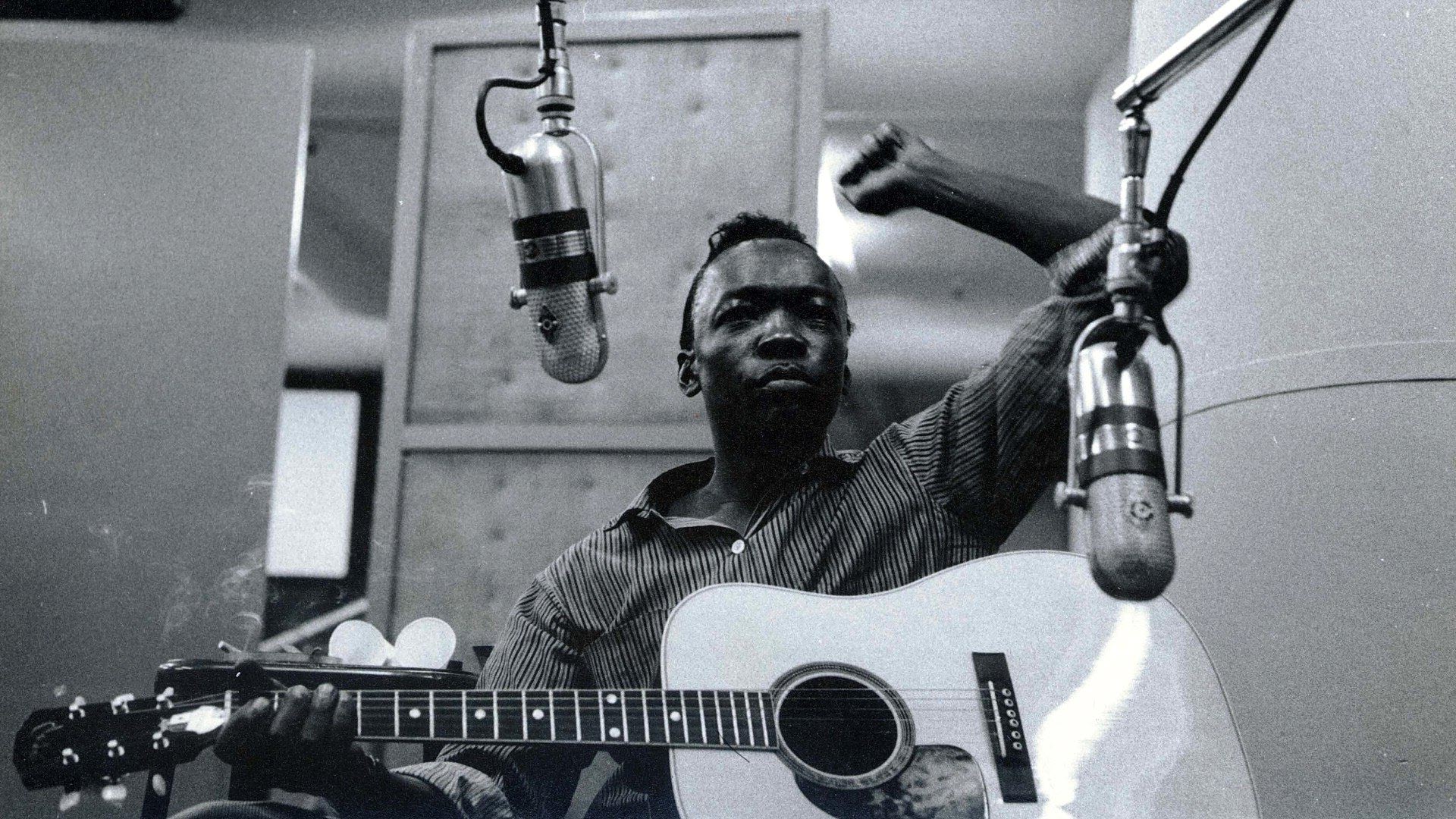
John Lee Hooker, the “King of the Boogie,” was a trailblazer who reshaped the landscape of blues music with his hypnotic rhythms, raw emotion, and unmistakable voice. Born in the heart of Mississippi Delta blues and later electrified by Detroit’s bustling music scene, Hooker’s sound is a fusion of tradition and innovation. Over a career spanning six decades, he created timeless anthems that not only defined his legacy but also influenced countless musicians across genres, from rock to R&B.
In this article, we dive into the top 10 most popular John Lee Hooker songs of all time—tracks that capture the essence of his genius and continue to ignite audiences worldwide. From his iconic foot-stomping grooves to his soul-stirring lyrics, these songs are more than just music—they are a testament to the unyielding power of the blues.
Whether you’re a lifelong fan or discovering his music for the first time, this list will take you on a journey through Hooker’s greatest hits. Prepare to feel the stomp of his rhythm, the ache of his storytelling, and the sheer magnetism of his artistry. These are the songs that made John Lee Hooker a legend, and they promise to keep your foot tapping long after the final note.
1. Boogie Chillen’ (1948)
“Boogie Chillen’,” released in 1948, was the song that launched John Lee Hooker into the national spotlight and reshaped the sound of modern blues. Built on a single, driving guitar riff and Hooker’s foot-stomping rhythm, the track has an almost trance-like quality that pulls listeners in from the very first note. Hooker’s spoken-word delivery adds a storytelling charm that feels both deeply personal and universally relatable. He recounts sneaking out to the juke joint as a young man, hungry for freedom, music, and a place to belong. The minimalist structure—a single chord, a propulsive beat, and Hooker’s gritty voice—was unlike anything else on the radio at the time. What makes “Boogie Chillen’” so powerful is its rawness; it doesn’t try to be polished or complex. Instead, it channels pure emotion and lived experience, reflecting the energy of post-war African American life in the industrial North. The song became a massive hit, reaching number one on the R&B charts and influencing generations of blues and rock musicians. Its repetitive groove would go on to inspire everyone from ZZ Top to The White Stripes. This wasn’t just a hit—it was a foundational moment in American music history.
2. I’m in the Mood (1951)
Released in 1951, “I’m in the Mood” showcases John Lee Hooker’s ability to transform the simplest elements into a deeply affecting musical experience. With its slow, simmering rhythm and sensual undercurrent, the track leans into blues’ most intimate and emotional side. Hooker’s voice is husky and seductive, almost whispering his desire with a kind of unguarded vulnerability. The lyrics are direct—he doesn’t hide behind metaphor—but it’s the way he sings them, with aching pauses and smoky intensity, that gives the song its power. The instrumentation is spare, just a steady beat and his iconic, hypnotic guitar licks, creating an atmosphere that feels private and confessional. “I’m in the Mood” became one of Hooker’s biggest commercial hits, reaching the top of the R&B charts and introducing a wider audience to his unique sound. It’s a song that lingers—simple, slow-burning, and packed with emotion. Over the years, it has remained a staple in Hooker’s catalog and a prime example of how much feeling can be conveyed with so little. Whether you’re heartbroken, in love, or somewhere in between, this song resonates with its timeless honesty and smoldering charm.
3. Crawling King Snake (1949)
John Lee Hooker’s version of “Crawling King Snake,” recorded in 1949, is one of the most commanding and seductive blues tracks of its time. Rooted in traditional Delta blues, the song oozes primal energy and confidence. Hooker takes a well-worn blues standard and makes it his own, infusing it with his signature growl and hypnotic guitar patterns. The song is driven by a slinking rhythm that mirrors the snake imagery in the lyrics—suggestive, bold, and unapologetically masculine. Hooker’s delivery walks a fine line between menace and allure as he sings of dominance, power, and sexual bravado. The lyrics are loaded with innuendo, but Hooker’s performance gives them weight and texture beyond the surface flirtation. There’s a hypnotic tension to the track—his repetitive guitar figure builds a trance-like foundation while his voice snakes around it with quiet authority. Over the years, “Crawling King Snake” has been covered by artists ranging from The Doors to Muddy Waters, a testament to its lasting impact. Hooker’s version remains definitive—raw, stripped down, and intensely magnetic. It’s blues at its most elemental and powerful, driven by instinct and attitude.
4. Boom Boom (1962)
“Boom Boom,” released in 1962, is perhaps the most instantly recognizable track in John Lee Hooker’s long and storied career. From its opening riff to the catchy, punchy lyrics, the song has an undeniable energy that crosses genres and generations. Built on a classic 12-bar blues structure, “Boom Boom” stands out for its polished production and infectious rhythm, perfectly suited for radio airplay. Hooker delivers the vocals with a blend of charm and swagger, recounting a playful, flirtatious exchange with a woman who catches his eye. Unlike his earlier, more minimalist recordings, this track features a fuller band arrangement, adding extra bounce and brightness. The result is a blues song with mass appeal—accessible, catchy, and full of life. “Boom Boom” became a crossover hit and one of the few blues songs to crack the pop charts, helping to introduce Hooker to a broader audience. It was later covered by The Animals, further cementing its status as a blues classic. Whether you hear it in a bar, on a soundtrack, or live on stage, “Boom Boom” always feels fresh—an irresistible groove paired with the unmistakable cool of John Lee Hooker.
5. Dimples (1956)
“Dimples,” released in 1956, is a prime example of John Lee Hooker’s ability to blend down-home blues with a touch of urban cool. The song is driven by a simple, repeating riff that grooves effortlessly, forming the perfect backdrop for Hooker’s lyrics of admiration and longing. He sings about being completely taken by a woman’s dimples—a small detail that becomes the focal point of his obsession. It’s playful, yet heartfelt, and Hooker’s delivery gives it just the right amount of charm. The track’s rhythm is irresistibly toe-tapping, with subtle handclaps and understated guitar work that give it a relaxed, almost casual feel. “Dimples” was one of Hooker’s first songs to find significant success in the UK, where it caught the attention of the burgeoning British blues scene. Bands like The Animals and The Rolling Stones would later cite Hooker as a major influence, and “Dimples” played a key role in that cross-Atlantic exchange. The song remains a fan favorite for its easy groove, clever lyrics, and the way it captures Hooker’s unique mix of grit and charisma. It’s blues with a wink—a smooth, soulful tune that still gets under your skin.
6. It Serves You Right to Suffer (1966)
Released in 1966, “It Serves You Right to Suffer” stands out as one of John Lee Hooker’s most haunting and emotionally charged tracks. From the very first note, the song envelops the listener in its dark, brooding atmosphere. The slow, deliberate pace allows Hooker’s commanding voice and searing guitar licks to take center stage. The lyrics are filled with deep emotional weight, exploring themes of heartbreak, revenge, and the painful consequences of betrayal. Hooker’s delivery is both menacing and cathartic, capturing the feeling of suffering while hinting at the satisfaction that comes from knowing that retribution is at hand. The stripped-down instrumentation—just Hooker’s signature guitar and a steady rhythm section—creates a feeling of isolation, making each note feel heavy with meaning. The song’s minimalism is its strength, leaving space for Hooker’s voice to fill the void and convey the raw pain of the narrative. “It Serves You Right to Suffer” is not just a blues song; it’s a psychological exploration of grief and revenge. Its powerful emotional punch and Hooker’s impeccable storytelling make it one of the most intense and compelling tracks in his catalog.
7. One Bourbon, One Scotch, One Beer (1966)
John Lee Hooker’s “One Bourbon, One Scotch, One Beer” (1966) is a quintessential example of his storytelling prowess. The song, a conversational and humorous tale of a man seeking solace in alcohol after a difficult breakup, has a timeless, relatable quality. The track opens with Hooker’s smooth, almost conversational delivery, as he recounts the various stages of his night out—first reaching for bourbon, then scotch, and finally beer. The laid-back, swinging groove provides the perfect backdrop for the narrative, as Hooker’s relaxed delivery invites listeners into the story. What makes this song stand out is its perfect balance of humor and pathos. While the lyrics are amusing, there’s a deeper sense of melancholy as the man drowns his sorrows, searching for a way to cope with his pain. Hooker’s voice is warm and inviting, but there’s an underlying sadness that adds depth to the song. The song’s rhythm is infectious, making it a favorite in juke joints and bars. Its laid-back vibe, coupled with Hooker’s effortless charm, has made “One Bourbon, One Scotch, One Beer” a blues anthem for the ages, beloved by fans for its humor, relatability, and classic blues structure.
8. Hobo Blues (1949)
“Hobo Blues,” recorded in 1949, is one of John Lee Hooker’s most poignant and emotionally resonant tracks. The song reflects Hooker’s early experiences as a traveling musician, living the rough, uncertain life of a hobo moving from town to town in search of work and a place to lay his head. The song’s sparse arrangement—just Hooker’s voice and his guitar—adds to the sense of loneliness and yearning that permeates the lyrics. His voice is raw and vulnerable, conveying the emotional weight of a life spent on the road. The song’s rhythm is slow and steady, like the shuffle of boots on an empty highway, while Hooker’s guitar weaves a melancholy, almost wistful melody. “Hobo Blues” stands out for its emotional depth. Rather than focusing on the usual themes of love or betrayal, it delves into the soul of a man who feels the endless pull of the open road. It captures the tension between independence and isolation, freedom and loneliness. Hooker’s evocative storytelling makes “Hobo Blues” a standout track in his catalog, a meditation on the transient nature of life and the struggle for connection.
9. Tupelo (1960)
“Tupelo,” released in 1960, is one of John Lee Hooker’s most atmospheric and haunting tracks. Inspired by the devastating tornado that struck Tupelo, Mississippi, in 1936, the song paints a vivid picture of destruction, loss, and resilience. The minimalist guitar riff, paired with Hooker’s mournful vocals, creates a haunting, almost hypnotic mood that draws the listener in. The repetitive structure of the song mirrors the monotony of the storm, as the song builds a sense of impending doom before it’s swept away by the aftermath. The lyrics describe not just the physical destruction of the town but also the emotional toll of such a tragedy. Hooker’s voice, raw and filled with anguish, gives the song a sense of immediacy and gravity. The track’s haunting quality lingers long after it ends, with Hooker’s vocals capturing both the devastation and the resilience of those who endured. While the song’s sparse arrangement creates a sense of isolation, there’s a strength to the performance that’s undeniable. “Tupelo” remains a powerful testament to Hooker’s ability to channel personal and collective tragedy into music, making it one of his most haunting and memorable songs.
10. House Rent Boogie (1950)
“House Rent Boogie,” released in 1950, is a lively and upbeat track that offers a playful look at the struggles of daily life. The song’s catchy, bouncy rhythm and Hooker’s energetic performance make it an infectious tune that has become a fan favorite. The lyrics, which humorously describe a man struggling to pay his rent, tap into the universal theme of financial hardship, but with a sense of humor and resilience. Hooker’s voice is confident and full of life, delivering the story with a wink and a smile, making the listener feel like they’re part of the experience. The song’s upbeat tempo and improvisational style make it feel spontaneous and fun, despite its underlying message of struggle. The groovy rhythm, driven by Hooker’s infectious guitar work, gives the song a timeless, danceable quality that has kept it a staple in blues clubs and jukeboxes for decades. “House Rent Boogie” is a prime example of Hooker’s ability to turn everyday, relatable struggles into engaging and entertaining music. Its upbeat vibe, catchy lyrics, and Hooker’s charismatic performance make it a perfect representation of the spirit of resilience that defines much of his music.

Edward Tomlin is a frequent contributor to Singers Room. Since 2005, Singersroom has been the voice of R&B around the world. Connect with us via social media below.









