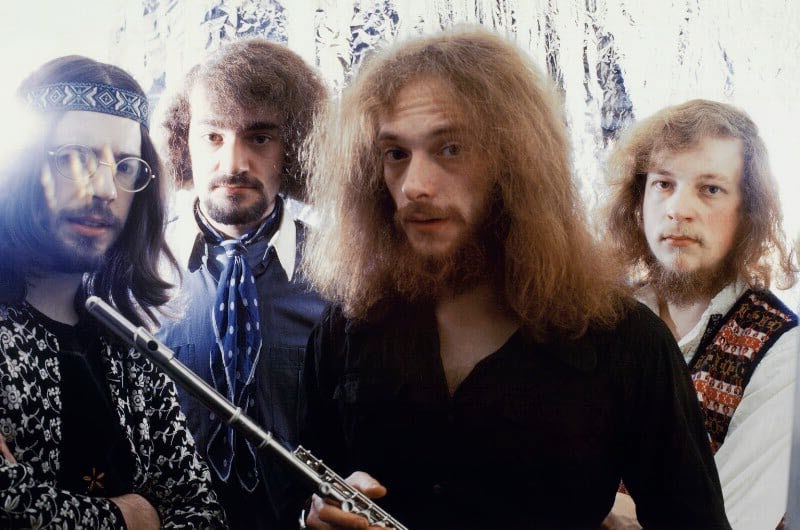
Few bands in rock history have walked the tightrope between raw power and refined artistry quite like Jethro Tull. With their unmistakable blend of progressive rock, folk, blues, and baroque flair—punctuated by Ian Anderson’s iconic flute work—Tull carved out a sound entirely their own. Over decades of musical evolution, they’ve produced a catalog brimming with complexity, character, and a touch of the theatrical. Whether delving into searing social commentary, whimsical folklore, or sprawling conceptual epics, their songs have left an indelible mark on generations of fans and fellow musicians alike.
But which tracks stand tallest in their towering discography? In this article, we dive deep into the Top 10 Most Popular Jethro Tull Songs of All Time—the definitive collection of fan favorites, critical darlings, and timeless anthems that define the band’s legacy. From thunderous riffs to pastoral ballads, each song on this list showcases a different facet of the band’s genius. Whether you’re a lifelong devotee or a curious newcomer, this list is your guided journey through the very best of Tull’s strange and spectacular world. So grab your headphones, cue the flute, and prepare to rediscover the magic of one of rock’s most unique and enduring acts.
1. Aqualung (1971)
Released in 1971, “Aqualung” is a defining track for Jethro Tull and remains one of their most iconic songs. Opening with a haunting acoustic guitar riff, it quickly explodes into a powerful rock anthem, driven by Martin Barre’s fiery electric guitar and Ian Anderson’s raw, gritty vocals. Lyrically, the song paints a vivid picture of a destitute figure living on the fringes of society, forcing listeners to confront their own biases and assumptions about morality. The track stands out not just for its musical intensity, but for its theatrical qualities, becoming a mini-epic that blends hard rock with progressive storytelling. The absence of Anderson’s signature flute allows the electric guitar to dominate, giving the song an urgency and rawness that elevates its emotional impact. Despite not being released as a single, “Aqualung” became an anthem of early ’70s rock rebellion and remains a cornerstone of Jethro Tull’s legacy, a track that still commands attention every time its opening chords ring out.
2. Locomotive Breath (1971)
Another standout from the Aqualung album, “Locomotive Breath” is a powerhouse track that blends rock with classical influences, a trademark of Jethro Tull’s unique sound. The song opens with a ghostly piano intro that sets a brooding tone, before transitioning into a fast-paced, train-like rhythm that reflects the unstoppable force of life’s chaos. The lyrics explore themes of inevitability and personal collapse, drawing a parallel to a runaway train. Martin Barre’s sharp guitar work complements Anderson’s urgent flute solo, blending the elegance of classical music with the raw energy of rock. “Locomotive Breath” became a live staple and solidified Jethro Tull’s identity as musical storytellers who combined innovative composition with progressive rock. Although it never charted high on mainstream lists, it has remained a fan favorite and a timeless classic. The song’s tight structure, metaphorical depth, and energetic execution make it more than just a track—it’s a musical ride that listeners eagerly board time and time again.
3. Thick as a Brick (Part 1) (1972)
Released in 1972, “Thick as a Brick (Part 1)” redefined the concept of progressive rock. Clocking in at over 22 minutes, the song is a satirical epic that mocks the grandiose ambitions of its contemporaries while showcasing Jethro Tull’s musical ingenuity. The track is framed around the fictional story of Gerald Bostock, a child prodigy whose “poem” serves as the album’s lyrics. Musically, “Part 1” is a rollercoaster ride, with shifting moods, time signatures, and textures that highlight the band’s technical mastery. From delicate acoustic passages to complex instrumental interludes, the song never feels indulgent, but rather an intricate journey that keeps the listener engaged. Anderson’s voice leads us through this dynamic landscape, while the band’s instrumental contributions, including Barriemore Barlow’s drumming and John Evan’s keyboards, add layers of complexity. The song challenges the traditional rock format and became a landmark piece in the progressive rock genre. With its bold concept and masterful execution, “Thick as a Brick (Part 1)” is a definitive moment in Jethro Tull’s career, a musical statement that remains unforgettable.
4. Bungle in the Jungle (1974)
“Bungle in the Jungle,” from Jethro Tull’s 1974 album War Child, stands out as one of the band’s more accessible songs, combining catchy melodies with their signature witty lyricism. The track became one of their highest-charting singles in the U.S., with its lighthearted musical arrangement contrasting the serious themes explored in the lyrics. Anderson uses the metaphor of the animal kingdom to reflect on human behavior, power dynamics, and societal hierarchies, delivering biting commentary with a playful tone. Musically, the track is more straightforward than much of Tull’s catalog, yet it retains the band’s quirks, notably Anderson’s flute, which flutters through the song like birds weaving through trees. While it doesn’t have the same progressive depth as songs like “Aqualung” or “Thick as a Brick,” “Bungle in the Jungle” remains a fan favorite for its catchy rhythm and sharp social insights. It’s a perfect blend of pop-infused rock and Tull’s distinctive character, making it an ideal entry point for new listeners while remaining a fun departure for long-time fans.
5. Living in the Past (1969)
Released in 1969, “Living in the Past” was one of Jethro Tull’s earliest signs of musical innovation, showcasing the band’s unique approach to rock music. The song’s 5/4 time signature was unusual for the era, giving it a jazzy, syncopated rhythm that helped set Tull apart from their peers. Anderson’s flute melody was crisp and captivating, and the song’s introspective lyrics, reflecting on nostalgia and disillusionment, resonated deeply with listeners navigating the cultural upheavals of the late ’60s. Despite being released before the band’s most ambitious conceptual works, “Living in the Past” was a commercial success in the UK and introduced the band to a wider audience. It’s also notable for being one of the first songs where Anderson’s flute took center stage, setting the tone for Tull’s evolving sound. The track remains captivating, with its timeless groove and poignant themes of longing and self-reflection, making it an essential part of Jethro Tull’s early catalog.
6. Cross-Eyed Mary (1971)
“Cross-Eyed Mary,” from the Aqualung album, delves into the darker corners of Victorian-era Britain, offering a modern twist on social commentary. The song’s narrative follows a schoolgirl who turns to prostitution, a provocative portrayal of marginalized figures that challenges conventional morality. Musically, it’s a powerful blend of eerie flute riffs and heavy rock grooves, with Barre’s guitar and Bunker’s drumming providing a steady, driving force throughout the track. Anderson’s vocal performance is both theatrical and grounded, delivering the song’s dark tale with empathy and confrontation. The character of Cross-Eyed Mary is a companion piece to the album’s title character, Aqualung, both representing societal outcasts. This dynamic interplay of biting social critique and swaggering rock makes the song so compelling. “Cross-Eyed Mary” is one of Jethro Tull’s most enduring narrative pieces, combining storytelling with their signature musical prowess to create a track that is both thought-provoking and unforgettable.
7. Songs from the Wood (1977)
“Songs from the Wood,” released in 1977, marks a shift in Jethro Tull’s sound, embracing themes of English folklore while maintaining their progressive rock sensibilities. The title track opens with a captivating a cappella introduction, setting a mystical, pastoral tone before the song expands into a rich tapestry of acoustic guitars, swirling keyboards, and Anderson’s evocative flute. The lyrics, steeped in imagery of nature, tradition, and seasonal cycles, evoke a deep connection to the land and the timeless rhythms of rural life. The band’s performance is tight yet intricate, blending folk influences with rock instrumentation to create a sound that feels both earthy and sophisticated. “Songs from the Wood” exemplifies Tull’s ability to explore ancient themes while still pushing the boundaries of progressive rock. The track remains a jubilant, complex piece that invites listeners into a world of harmony with nature, capturing the band’s knack for weaving together modern and ancient musical elements.
8. Skating Away on the Thin Ice of the New Day (1974)
“Skating Away on the Thin Ice of the New Day,” from the War Child album, is a beautiful meditation on change and renewal. The song begins softly, with the ticking of a clock and the gentle strum of acoustic guitar, before gradually building in energy and instrumentation. Anderson’s introspective vocals guide the listener through a poetic reflection on the fragility of life’s transitions. The metaphor of skating on thin ice captures both the grace and danger inherent in change, offering a poignant commentary on the uncertainty of moving forward. As the song progresses, the arrangement swells, adding layers of flute, bass, and percussion to create a sense of motion and transformation. “Skating Away” is one of Jethro Tull’s most emotionally resonant tracks, demonstrating their ability to craft acoustic-based songs with a progressive flair. It’s a song that captures a moment of fragile optimism, the quiet strength it takes to step into the unknown, and the beauty of embracing change.
9. My God (1971)
“My God,” from Aqualung, stands as one of Jethro Tull’s most powerful and controversial tracks. The song is a sharp critique of organized religion, juxtaposing haunting acoustic verses with explosive choruses that mirror the intensity of its message. Anderson’s lyrics criticize the commercialization and distortion of spiritual beliefs, addressing the hypocrisy that often permeates institutionalized religion. Musically, the track is a triumph, with its dynamic shifts, intricate flute solos, and complex arrangement creating a dramatic atmosphere that complements the weight of its themes. The midsection, featuring a haunting flute solo accompanied by Gregorian chant-like backing vocals, remains one of the band’s most striking musical passages. Released during a period of social and spiritual upheaval, “My God” resonated with listeners questioning long-standing institutions. It’s not an attack on faith itself but a passionate call for introspection and rejection of dogma. Bold, introspective, and musically adventurous, “My God” remains a cornerstone of Jethro Tull’s catalog, a song that challenges listeners to examine the true meaning of belief.
10. Hymn 43 (1971)
“Hymn 43,” another standout from the Aqualung album, blends blues-rock grit with biting social commentary. With its opening piano-driven groove and gospel-inspired title, the song initially lulls listeners into thinking it might be a spiritual track—only to subvert those expectations with a sharp critique of religion’s misuse for personal and political gain. Anderson’s vocals are fiery and sarcastic, delivering lines like “If Jesus saves, he better save himself” with unapologetic intensity. The instrumentation is punchy and direct, with Barre’s guitar riffs crackling like thunder throughout. Unlike the more sprawling, complex compositions of the album, “Hymn 43” is compact and focused, yet its message is no less impactful. It serves as a companion piece to “My God,” but with a more rebellious, rock-driven tone. The song’s energy, combined with its satirical critique, made it a favorite among fans who appreciated both its musical punch and its fearless stance. “Hymn 43” is a rock sermon that demands listeners reconsider the true meaning of belief and the exploitation of faith.

Samuel Moore is a frequent contributor to Singers Room. Since 2005, Singersroom has been the voice of R&B around the world. Connect with us via social media below.









