Jazz is more than just music—it’s a language of innovation, emotion, and soul. Born in the heart of New Orleans and spreading its vibrant rhythms across the globe, jazz has become one of the most influential and enduring genres in music history. From smoky clubs to grand concert halls, its melodies have captivated listeners for over a century, transcending boundaries and evolving with every beat.
In this article, we’ll celebrate the legends who shaped jazz into the iconic art form it is today. These 15 extraordinary artists didn’t just play music; they created movements, broke barriers, and left an indelible mark on the world. Whether it’s the spellbinding improvisations of Louis Armstrong, the sultry vocals of Billie Holiday, or the groundbreaking compositions of Duke Ellington, each artist on this list redefined what jazz could be.
Prepare to journey through the golden eras of swing, bebop, and cool jazz, and discover the stories behind the virtuosos who turned their instruments into extensions of their souls. Whether you’re a lifelong jazz aficionado or a curious newcomer, this exploration of the best jazz artists of all time will leave you inspired and craving more. Let the music begin!
1. Louis Armstrong
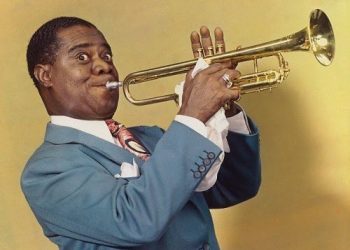
Louis Armstrong, affectionately known as “Satchmo” or “Pops,” was more than just a jazz musician—he was a cultural phenomenon. His unmistakable gravelly voice, infectious charisma, and virtuosic trumpet playing revolutionized jazz and helped bring it to the masses. Born in New Orleans, the birthplace of jazz, Armstrong rose from poverty to become one of the most beloved entertainers in the world. Songs like “What a Wonderful World,” “Hello, Dolly!,” and “When the Saints Go Marching In” are now timeless standards, largely because of the joy and soul he poured into every note. Armstrong wasn’t just a performer—he was a bridge between racial divides in American entertainment, often breaking barriers in a segregated industry. His improvisational brilliance and magnetic stage presence influenced generations of musicians across genres, from jazz and pop to rock and soul. Louis Armstrong’s legacy is far-reaching; he transformed jazz into a respected art form and helped make it a global language. His enduring smile, expressive voice, and swinging trumpet continue to inspire new generations, reminding us all of the joy and depth music can bring to life.
2. Duke Ellington
Duke Ellington wasn’t just a bandleader—he was a true architect of jazz. With his signature elegance, keen ear for arrangement, and bold sense of style, Ellington elevated jazz from the dance halls to the concert halls. As the composer of over a thousand pieces, his music defined an era while pushing the boundaries of what jazz could be. Classics like “Take the A Train,” “Mood Indigo,” and “It Don’t Mean a Thing (If It Ain’t Got That Swing)” reflect his gift for combining rich harmonies with rhythmic vitality. Ellington had a unique ability to bring out the best in his musicians, writing specifically for their strengths and letting their personalities shine through his compositions. His orchestra became a laboratory of sound, where individual expression met collective brilliance. Beyond the music, Duke was a symbol of sophistication and dignity, carrying himself with a regal presence that earned him the nickname “The Duke.” He remained active well into his later years, constantly composing and touring. Duke Ellington’s legacy is not just one of innovation, but of class, vision, and a deep respect for the artistry of jazz.
3. Charlie Parker
Charlie “Bird” Parker was one of the most transformative figures in jazz history. His arrival on the scene marked the birth of bebop—a revolutionary shift in jazz that emphasized fast tempos, complex harmonies, and spontaneous improvisation. With his alto saxophone in hand, Parker redefined the language of jazz, introducing a fluid, fiery style that remains awe-inspiring to this day. Tracks like “Ornithology,” “Confirmation,” and “Ko-Ko” capture his technical genius and emotional intensity. Parker’s solos weren’t just displays of skill—they were rapid-fire bursts of ideas, melodies, and phrasing that felt both cerebral and soulful. His influence reached beyond jazz into classical and modern music, changing how musicians approached improvisation and theory. Despite personal struggles, including battles with addiction, Parker’s artistry never waned. He was a relentless innovator who lived and breathed music, constantly pushing boundaries. Many jazz musicians still study Parker’s solos like sacred texts, analyzing every note for insight. Though his life was tragically short, Charlie Parker’s contribution to jazz is eternal. He didn’t just play music—he changed its direction forever.
4. Miles Davis
Miles Davis was the epitome of cool, a restless innovator who never stayed in one place musically for too long. Over a career spanning more than five decades, Davis didn’t just play jazz—he reinvented it multiple times. He was a master of reinvention, whether it was pioneering cool jazz with Birth of the Cool, exploring modal jazz in Kind of Blue, or diving into electric fusion with Bitches Brew. His trumpet tone was unmistakable—spare, expressive, and haunting. Unlike flashy virtuosos, Davis often said more with silence and space than with a flurry of notes. He had an unparalleled ability to spot and nurture talent, surrounding himself with legends like John Coltrane, Herbie Hancock, and Wayne Shorter, many of whom went on to shape jazz in their own right. Miles was a cultural icon, influencing not just music, but fashion and attitude. Always a step ahead of the curve, he constantly pushed the envelope, challenging audiences and musicians alike to grow. Davis wasn’t just a musician—he was a movement, a beacon of artistic courage. His legacy is one of fearless innovation, making him one of the most influential musicians of the 20th century.
5. John Coltrane
John Coltrane was a visionary saxophonist whose music carried a spiritual weight few others could match. Beginning his career in the hard bop tradition, Coltrane soon pushed past conventional boundaries, diving deep into modal jazz and avant-garde explorations that reflected his inner quest for truth and transcendence. His seminal work A Love Supreme is not just a jazz masterpiece—it’s a spiritual statement, a heartfelt prayer expressed through music. Coltrane’s playing was intense, searching, and deeply emotional. Whether tearing through complex chord changes at lightning speed or exploring a single mode for minutes on end, his saxophone seemed to speak directly to the soul. Albums like Giant Steps, My Favorite Things, and Ascension reveal an artist in constant evolution, always reaching for something beyond the notes. Offstage, Coltrane was known for his humility and introspection. Onstage, he was a force of nature. His spiritual and musical journey influenced not only jazz musicians, but artists across all genres. Even decades after his passing, Coltrane’s music continues to resonate deeply, offering both challenge and comfort. He wasn’t just playing jazz—he was expressing the deepest parts of the human experience.
6. Ella Fitzgerald
Ella Fitzgerald, lovingly known as the “First Lady of Song,” had a voice that radiated warmth, precision, and joy. Her vocal tone was smooth as silk, her pitch always flawless, and her ability to improvise with scat singing was nothing short of genius. What made Ella so captivating wasn’t just her technical brilliance—it was the way she made every song feel personal and alive. Whether interpreting the Great American Songbook or trading playful lines with Louis Armstrong, she brought a fresh sense of wonder to every performance. Albums like Ella and Louis, Ella Sings the Cole Porter Songbook, and Mack the Knife: Ella in Berlin highlight her versatility and charm. She could swing with the best of them, then turn around and melt your heart with a tender ballad. Despite facing racial and gender barriers, Fitzgerald’s sheer talent earned her universal respect and numerous accolades, including 13 Grammy Awards. More than a singer, she was a master interpreter of melody and emotion. Ella Fitzgerald’s music remains timeless—an embodiment of grace, joy, and artistic excellence that continues to inspire generations of singers and listeners around the world.
7. Thelonious Monk
Thelonious Monk was a true original in the world of jazz—a pianist and composer who saw music through an entirely different lens. Known for his angular melodies, dissonant harmonies, and quirky rhythms, Monk’s music challenged traditional ideas of beauty and structure. Yet, that’s exactly what made him a genius. Songs like “Round Midnight,” “Blue Monk,” and “Straight, No Chaser” sound as fresh today as when he first recorded them. Monk’s piano style was unmistakable—percussive, offbeat, yet always deeply musical. He would leave space between phrases, use odd pauses, or hit seemingly “wrong” notes that somehow felt completely right. Offstage, he was a quiet, enigmatic figure often misunderstood by the public, but within jazz circles, he was revered. Musicians knew that Monk wasn’t just playing piano—he was creating a new language. Though his work wasn’t always appreciated during his lifetime, today he is considered one of the most important and innovative figures in jazz history. His compositions are studied, performed, and celebrated all over the world. Thelonious Monk taught us that there is beauty in the unexpected, and that true artistry comes from staying true to your unique voice.
8. Billie Holiday
Billie Holiday’s voice carried a lifetime of sorrow, resilience, and truth. With a tone that was both fragile and commanding, she redefined what it meant to be a jazz vocalist. Holiday didn’t have the technical polish of some of her peers, but she didn’t need it—her emotional delivery made every lyric feel like it came from a deeply personal place. Her rendition of “Strange Fruit,” a chilling protest against racism and lynching in America, is one of the most powerful musical statements of the 20th century. Songs like “God Bless the Child,” “Don’t Explain,” and “Lover Man” reflect her ability to transform pain into haunting beauty. Holiday’s phrasing was revolutionary—she played with time, slipping ahead or behind the beat, making the melody her own. Behind her music was a life marked by hardship, addiction, and discrimination, yet she continued to pour her heart into every performance. Nicknamed “Lady Day,” she left an indelible mark on jazz and beyond. Billie Holiday wasn’t just a singer—she was a truth-teller, a soul-bearer, and a pioneer who gave voice to the struggles and dreams of countless people through her timeless, aching artistry.
9. Count Basie
Count Basie brought joy, swing, and unstoppable rhythm to jazz. As the leader of one of the greatest big bands in history, Basie had a knack for keeping things simple yet irresistibly groovy. His piano playing was sparse and economical—he didn’t use many notes, but every one he played counted. With signature tunes like “One O’Clock Jump,” “April in Paris,” and “Jumpin’ at the Woodside,” Basie’s orchestra was a tight, dynamic unit known for its infectious energy and impeccable timing. He created space for his musicians to shine, often featuring bluesy solos from standout players like Lester Young and Freddie Green. What made Basie unique was his unwavering dedication to the swing feel—his music didn’t just move your feet, it lifted your spirits. Whether performing for elegant dance halls or prestigious concert venues, Basie’s band brought sophistication and soul to every show. His influence can be heard in generations of jazz and pop music that followed. Count Basie’s music was a celebration of rhythm, a masterclass in swing, and a reminder that sometimes the most powerful statements are made with style, clarity, and just the right touch of cool.
10. Sarah Vaughan
Sarah Vaughan, often called “The Divine One,” possessed a voice so rich and powerful that it defied easy classification. Her vocal range was astonishing, stretching from a silky soprano to a resonant contralto, and her technique was flawless. But it wasn’t just her technical ability that set Vaughan apart—it was her deep musicality and emotional intelligence. Whether singing jazz standards, pop ballads, or even opera arias, she delivered each note with grace, control, and soul. Songs like “Misty,” “Lullaby of Birdland,” and “Tenderly” showcased her lush tone and adventurous phrasing. Vaughan could bend a note with breathtaking ease, glide through complex harmonies, or transform a simple melody into something unforgettable. She brought a unique blend of sophistication and warmth to every performance. In a career that spanned decades, Vaughan remained a beloved figure in both jazz and popular music, winning Grammy Awards and the hearts of audiences worldwide. Her influence can be heard in countless vocalists who followed, but no one has ever quite matched her combination of power, range, and elegance. Sarah Vaughan didn’t just sing songs—she elevated them into pure art.
11. Dizzy Gillespie
Dizzy Gillespie was more than a brilliant trumpet player—he was a visionary who helped redefine jazz in the 20th century. With his bent trumpet, puffed cheeks, and infectious energy, Gillespie brought both technical genius and joyful showmanship to every performance. He was a key architect of bebop, pushing jazz into new territory with lightning-fast runs, complex chord changes, and daring improvisation. But Dizzy didn’t stop there—he also pioneered the fusion of Afro-Cuban rhythms into jazz, working with musicians like Chano Pozo to create groundbreaking pieces such as “Manteca” and “A Night in Tunisia.” Gillespie had a gift for collaboration, often sharing the stage with legends like Charlie Parker, Thelonious Monk, and John Coltrane. Despite his virtuosity, he was known for his warmth, humor, and commitment to nurturing younger musicians. He saw jazz not just as a form of expression, but as a bridge between cultures. With his trailblazing spirit and magnetic personality, Gillespie left a legacy that is both technically profound and deeply human. His music continues to inspire, reminding us that innovation and joy can go hand in hand.
12. Art Blakey
Art Blakey was a rhythmic powerhouse, a drummer whose explosive energy and driving swing helped shape the sound of modern jazz. As the founder and leader of the Jazz Messengers, Blakey didn’t just play the drums—he mentored generations of young musicians, turning his band into a launching pad for future jazz legends like Wayne Shorter, Lee Morgan, and Wynton Marsalis. His playing style was bold, hard-hitting, and intensely musical. Whether setting up a groove or launching into thunderous solos, Blakey had an unshakable sense of time and an unmatched ability to inject drama into a performance. Songs like “Moanin’,” “Dat Dere,” and “Free for All” capture the essence of his fiery approach. But Blakey was also a deep listener—he knew when to push and when to lay back, always supporting the music with intention. His vision of hard bop was rooted in the blues and gospel traditions, giving his work a soulful, grounded feel. Through sheer passion and relentless dedication, Art Blakey kept jazz alive and evolving for decades. His drumming was the heartbeat of a movement, and his influence can still be heard in the rhythms of modern jazz today.
13. Charles Mingus
Charles Mingus was a force of nature—an uncompromising bassist, composer, and bandleader whose music was as passionate and complex as he was. His compositions defied easy categorization, blending elements of swing, gospel, classical, blues, and avant-garde into a bold, emotional tapestry. Works like “Goodbye Pork Pie Hat,” “Fables of Faubus,” and “Haitian Fight Song” showcased not just his compositional brilliance, but also his deep convictions about race, politics, and human dignity. Mingus wasn’t afraid to challenge his audiences or his fellow musicians—he demanded excellence and total commitment. His bass playing was equally commanding: powerful, melodic, and filled with intensity. Mingus often used his music as a form of protest or storytelling, making each performance a deeply personal statement. Despite being notoriously temperamental, he was also a generous collaborator, and many musicians flourished under his fiery leadership. His ability to balance structure and spontaneity set him apart, creating music that was both intellectually rich and emotionally raw. Charles Mingus didn’t just play jazz—he transformed it into a living, breathing expression of his soul. His work remains essential listening for anyone who wants to understand the full emotional depth of the genre.
14. Chet Baker
Chet Baker embodied cool jazz with an effortless charm that made his music both intimate and haunting. His trumpet playing was lyrical and understated, and his soft, almost whisper-like singing voice gave his performances a sense of vulnerability that few could match. Songs like “My Funny Valentine,” “Let’s Get Lost,” and “I Fall in Love Too Easily” showcased Baker’s gift for turning simple melodies into deeply emotional experiences. He didn’t rely on flash or speed—instead, he played and sang with subtlety, sensitivity, and soul. Baker became a symbol of the West Coast jazz scene, with his movie-star looks and laid-back demeanor only adding to his mystique. But behind that smooth exterior was a life marked by turbulence, addiction, and hardship. Despite his personal struggles, Baker continued to make beautiful, emotionally resonant music throughout his career. His ability to communicate sadness, longing, and beauty in the quietest moments is what made him unique. Chet Baker’s legacy is one of elegance, introspection, and heartache—his music invites you in, sits you down, and speaks directly to the human condition.
15. Herbie Hancock
Herbie Hancock is one of jazz’s most daring and inventive minds—a keyboardist and composer who has never stopped pushing boundaries. From his early days playing with Miles Davis to his genre-bending solo work, Hancock has always embraced innovation. He made waves with Maiden Voyage, a hauntingly beautiful album that became a staple of modern jazz, and then surprised everyone with the funk-infused Head Hunters, which brought synthesizers and grooves into the spotlight. Songs like “Cantaloupe Island,” “Watermelon Man,” and “Chameleon” show Hancock’s gift for blending deep jazz harmony with rhythm and experimentation. But Herbie isn’t just about breaking new ground—he’s also a deeply expressive player who knows how to tap into mood and melody. Over the decades, he’s worked across genres, from classical and hip-hop to R&B and film scores, always staying curious and open. His leadership style has nurtured countless musicians, and his forward-thinking approach continues to shape the future of jazz. Herbie Hancock reminds us that jazz is a living art form—ever-changing, endlessly creative, and deeply human. His music is a journey, always evolving, always reaching for something new.

Edward Tomlin is a frequent contributor to Singers Room. Since 2005, Singersroom has been the voice of R&B around the world. Connect with us via social media below.